

Conflict Resolution in Multi-Religious Divorce Cases

Interfaith Divorce Mediation: A Peaceful Solution
Overview of Interfaith Divorce Mediation
Interfaith divorce mediation is a process that helps couples from different religions navigate the complexities of divorce in a respectful and peaceful manner. It provides a structured and collaborative approach to resolving conflicts and reaching agreements that take into account the unique religious and cultural backgrounds of each partner.
Understanding Interfaith Marriages and Divorces
Interfaith marriages are becoming increasingly common in today’s society, with people from different religious backgrounds coming together in love and commitment. However, with this diversity also comes the potential for conflicts and challenges, especially in the event of a divorce.
In an interfaith marriage, both partners may have strong ties to their respective religions and have different beliefs, values, and practices. These differences can create tension and conflict, making the divorce process more complicated and emotionally charged.
Additionally, when children are involved, there may be concerns about how to raise them in a religiously diverse household and how to navigate custody and parenting decisions. All of these factors make interfaith divorces unique and require specialized attention and understanding.
Benefits of Choosing Divorce Mediation
Divorce mediation is a process that involves a neutral third party, the mediator, who helps the couple negotiate and reach agreements on all aspects of their divorce. This approach offers several benefits for couples going through an interfaith divorce:
- Collaborative and cooperative: Mediation encourages open communication and cooperation, creating a more peaceful and respectful environment for resolving conflicts.
- Cost-effective: Mediation is often more cost-effective compared to going to court, as it involves fewer legal fees and can be completed in a shorter period.
- Flexible and personalized: Mediation allows for more flexibility in reaching agreements that are tailored to the specific needs and concerns of the couple, taking into account their religious and cultural backgrounds.
The Role of a Divorce Mediator in Interfaith Cases
The role of a divorce mediator in interfaith cases is crucial, as they serve as a neutral and unbiased third party who helps facilitate discussions and guide the couple towards mutually acceptable solutions. A good mediator should have expertise in interfaith divorces and be sensitive to the religious and cultural differences of the couple.
The mediator’s primary role is to help the couple communicate effectively, understand each other’s perspectives, and find common ground to resolve conflicts. They also assist in drafting the divorce agreement and ensuring that it is fair and equitable for both parties.
Navigating Religious and Cultural Differences in Divorce
When it comes to interfaith divorces, differences in religious and cultural beliefs and practices can be a significant source of conflict. However, with the help of a mediator, these differences can be navigated in a respectful and constructive way.
The mediator can help the couple identify their core values and beliefs and how they may conflict with each other. They can also facilitate discussions on how to respect each other’s religious and cultural practices, especially when it comes to raising children and making decisions about their religious upbringing.
In some cases, couples may choose to include provisions in their divorce agreement that address religious and cultural considerations, such as how holidays will be celebrated, or how religious ceremonies will be conducted for the children.
Addressing Custody and Parenting Issues in Interfaith Divorces
Child custody and parenting can be particularly challenging in interfaith divorces, as both parents may have different ideas on how to raise their children. Mediation can help parents work together to create a co-parenting plan that takes into account their religious and cultural differences.
The mediator can assist in creating a custody schedule that allows both parents to spend meaningful time with their children while also considering their religious practices. They can also help parents develop a plan for making important decisions about their child’s religious upbringing, such as which religious traditions to follow and whether to attend religious services.
Financial Considerations in Interfaith Divorce Mediation
In any divorce, financial concerns are a significant factor that needs to be addressed. In interfaith divorces, there may be additional considerations related to religious practices, such as tithing or donations to religious organizations.
A mediator can help the couple come to an agreement on how to handle these financial matters in a way that is fair and respects each partner’s religious beliefs. They can also assist in dividing assets and determining spousal support, taking into account any potential religious implications.
Handling Property and Asset Division in Interfaith Divorces
Property and asset division can often be a contentious issue in any divorce, and in interfaith cases, it can be further complicated by religious beliefs and customs. Mediation can help couples navigate this process in a way that is fair and respectful.
The mediator can work with the couple to identify their assets and liabilities and come up with a plan for dividing them. They can also assist in valuation and finding creative solutions for any property or assets that may have religious or cultural significance to either partner.
Crafting a Fair and Equitable Interfaith Divorce Agreement
The ultimate goal of interfaith divorce mediation is to help couples reach a fair and equitable divorce agreement that takes into account their unique circumstances and religious backgrounds. The mediator can assist in drafting the agreement and ensuring that it is legally sound and meets the needs of both parties.
Having an experienced mediator who understands the complexities of interfaith divorces is crucial in crafting a comprehensive and satisfactory divorce agreement. The mediator can also provide guidance on any legal or financial implications of the agreement, ensuring that both parties are fully informed before reaching a final settlement.
Conclusion: Why Interfaith Divorce Mediation is the Best Option
While divorce is never easy, interfaith divorce mediation offers a more peaceful and respectful approach to resolving conflicts and reaching agreements. It allows couples to address religious and cultural differences in a constructive way and find mutually acceptable solutions that work for both parties.
With the help of a skilled mediator, couples can navigate the complexities of an interfaith divorce with less stress and expense, and ultimately create a divorce agreement that is fair and equitable for everyone involved.
Cultural Competence in Mediating Religious Divorces

Religious Divorce Mediation: Culturally Competent Solutions
Understanding Religious Divorce Mediation
Religious divorce mediation is a specialized form of mediation that addresses the unique cultural and religious considerations that may arise during the divorce process. It involves a trained mediator who helps couples of different religious backgrounds, or those with strong religious beliefs, to navigate the complexities of divorce with cultural sensitivity and understanding.
The Importance of Cultural Competence in Mediation
Mediation is a voluntary process where parties in conflict work together, with the assistance of a neutral third party, to reach a mutually agreeable resolution. In the context of religious divorce, cultural competence becomes a crucial factor in ensuring a fair and satisfactory outcome. It is the mediator’s responsibility to understand the cultural and religious beliefs of both parties and to facilitate effective communication and understanding between them.
What is Religious Divorce Mediation?
Religious divorce mediation is a non-adversarial approach that allows couples to preserve their religious and cultural values while navigating the legal aspects of divorce. The mediator, who is often trained in both mediation and cultural competency, helps the parties to identify and understand their unique cultural and religious differences, and to find ways to incorporate them into the mediation process.
Benefits of Religious Divorce Mediation
There are several benefits to choosing religious divorce mediation over traditional divorce proceedings. These include:
- Promoting a sense of inclusivity and understanding between parties of different cultural and religious backgrounds
- Preserving the parties’ religious values and beliefs in the divorce process
- Reducing conflict and potential for animosity between parties
- Empowering parties to have control over the outcome of their divorce
- Providing a cost-effective alternative to litigation
Challenges in Religious Divorce Mediation
Despite its many benefits, religious divorce mediation also presents unique challenges for mediators. These challenges can include:
- Navigating complex religious and cultural beliefs and practices
- Ensuring neutrality and avoiding bias towards one party’s beliefs
- Addressing power imbalances between parties
- Handling potential resistance or unwillingness to compromise
- Understanding and navigating legal and religious requirements for divorce
Finding the Right Mediator with Cultural Sensitivity
One of the key factors in the success of religious divorce mediation is the mediator’s cultural competence and sensitivity. It is essential to find a mediator who has training and experience in both mediation and cultural competency, and who is able to navigate and understand the diverse cultural and religious perspectives of the parties involved. This ensures a fair and respectful process for all parties.
Role of Mediator in Facilitating Effective Communication
Effective communication is essential in any mediation process, and it becomes even more crucial in religious divorce mediation where parties may have different cultural and religious backgrounds. The mediator’s role is to facilitate open and honest communication between the parties, while also being mindful of any cultural differences and sensitivities. By creating a safe and respectful environment for communication, the mediator can help parties to find common ground and reach a mutually agreeable resolution.
Integrating Religious Beliefs in Mediation Process
One of the unique aspects of religious divorce mediation is the integration of religious beliefs and values into the process. This can include incorporating religious rituals or traditions, such as prayer or religious counseling, into the mediation sessions. The mediator must be knowledgeable and respectful of these beliefs, and work with the parties to find ways to integrate them into the process in a way that is acceptable to both parties.
Navigating Legal and Religious Requirements in Divorce
In addition to cultural and religious considerations, religious divorce mediation also involves navigating the legal requirements for divorce. It is important for the mediator to have a thorough understanding of both the legal and religious aspects of divorce in order to ensure that the outcome is fair and legally valid.
Promoting Harmony and Understanding through Religious Divorce Mediation
Religious divorce mediation offers a way for parties to navigate the complexities of divorce while honoring their religious and cultural beliefs. By promoting understanding and inclusivity, and providing a platform for effective communication, religious divorce mediation can help parties to reach a mutually satisfactory resolution while also preserving their values and beliefs. With the right mediator, who is trained in cultural competency and mediation, parties can successfully navigate the challenges of religious divorce and promote harmony and understanding in the process.
Cultural Sensitivity in Religious Divorce Mediation

Unlocking Religious Diversity: The Power of Mediation
Introduction
Welcome to our guide on cultural sensitivity in religious divorce mediation. In this article, we will explore the concept of religious diversity mediation and its importance in today’s multicultural society. We will also provide useful techniques for successful mediation, discuss challenges that may arise, and highlight the benefits of promoting religious diversity in organizations. Additionally, we will present case studies of successful religious diversity mediation and offer practical advice on how to implement these practices in your organization. By the end of this guide, you will have a better understanding of the impact of religious diversity mediation on society and how to navigate cultural differences in the context of divorce mediation.
What is Religious Diversity Mediation?
Religious diversity mediation is a process of resolving conflicts between individuals from different religious backgrounds. It involves a neutral third party, known as a mediator, who facilitates communication and negotiation between the conflicting parties. The goal of religious diversity mediation is to reach a mutually satisfactory resolution while respecting the religious beliefs and practices of all parties involved.
This type of mediation is often used in situations where religious differences have caused a breakdown in communication, such as in divorce proceedings. It can also be applied in other contexts, such as workplace conflicts or community disputes.
Why is Religious Diversity Mediation Important?
In today’s multicultural society, religious diversity is becoming increasingly prevalent. With people from different religious backgrounds living and working together, conflicts are bound to arise. These conflicts not only affect the parties involved but also have a broader impact on society.
Religious diversity mediation is essential because it helps to promote understanding and respect among different religious groups. It allows individuals to express their religious beliefs and values without fear of judgment or discrimination. By facilitating open and respectful dialogue, mediation can also help to reduce tensions and promote harmony between conflicting parties.
Furthermore, religious diversity mediation can have legal implications. In situations such as divorce, where religious beliefs can influence decisions on child custody or property division, mediation can help to find a fair and balanced solution that takes into account the religious beliefs of both parties.
Understanding Different Religions
For successful religious diversity mediation, it is essential to have an understanding of different religions and their beliefs. Mediators should educate themselves on the basic tenets and practices of the religions involved in the conflict. This will help to avoid misunderstandings and allow for more effective communication between the parties.
Mediators should also be aware of cultural differences that may come into play, as religion and culture are often intertwined. Taking the time to learn about cultural customs and traditions can help to build trust and rapport with the parties involved.
Techniques for Successful Religious Diversity Mediation
Here are some techniques that can help to promote cultural sensitivity and understanding in religious diversity mediation:
- Active Listening: The mediator should actively listen to each party’s perspective without judgment. This includes listening to not only what is being said but also to the underlying emotions and concerns.
- Respectful Communication: The mediator should encourage respectful communication between the parties, emphasizing the importance of listening and speaking respectfully to one another.
- Neutral Language: The mediator should use neutral language that is not biased towards any particular religion. This can help to create a sense of fairness and impartiality.
- Mutual Understanding: The mediator should help the parties to understand one another’s perspectives and beliefs. This can help to bridge the gap between different religions and foster empathy and understanding.
- Brainstorming Solutions: The mediator should facilitate a brainstorming session where the parties can come up with creative solutions to the conflict that respect the religious beliefs and practices of all involved.
Challenges in Religious Diversity Mediation
Mediating conflicts between individuals from different religious backgrounds can present unique challenges. Some common challenges include:
- Emotional Tensions: Religious beliefs are deeply personal and can lead to strong emotions. Mediators may need to navigate these emotions carefully to avoid escalating tensions.
- Power Imbalances: In situations where one religion may be seen as more dominant or authoritative, there can be a power imbalance between the parties. Mediators should be aware of this and strive to create an environment of equality and respect.
- Misunderstandings: Different religions may have different beliefs and practices that can be misunderstood by those not familiar with them. Mediators should be aware of potential misunderstandings and address them promptly to avoid further conflict.
- Cultural Sensitivity: Mediators must be culturally sensitive and avoid making assumptions or judgments based on their own beliefs or experiences.
- Legal Implications: In some cases, religious diversity mediation may have legal implications, such as in divorce proceedings. Mediators should be aware of these implications and ensure that all decisions made are in line with the relevant laws and regulations.
Benefits of Promoting Religious Diversity in Organizations
Religious diversity is not only essential for society as a whole but also for organizations. Promoting religious diversity in the workplace can bring many benefits, such as:
- Inclusion: Valuing religious diversity in the workplace can help to create an inclusive environment where employees from different backgrounds feel respected and valued.
- Improved Communication: Encouraging open and respectful communication between employees of different religions can lead to better teamwork and collaboration.
- Creativity and Innovation: Embracing diversity in all its forms can bring different perspectives and ideas to the table, leading to increased creativity and innovation within the organization.
- Attracting Top Talent: Organizations that promote religious diversity are seen as more welcoming and can attract top talent from diverse backgrounds.
- Customer Relations: In a globalized world, businesses that can understand and respect different religions and cultures can build better relationships with customers from diverse backgrounds.
Case Studies: Examples of Successful Religious Diversity Mediation
Here are two examples of successful religious diversity mediation:
Interfaith Marriage Mediation
A couple from different religious backgrounds was seeking a divorce, and their main point of contention was custody of their children. The wife wanted to raise the children in her religion, while the husband wanted the children to follow his beliefs.
The mediator, who was trained in religious diversity mediation, helped the couple to understand each other’s perspectives and beliefs. Through active listening and respectful communication, the couple was able to come to a compromise where both parents agreed to expose their children to both religions and let them make their own decision when they were older.
Workplace Conflict Mediation
In a multicultural workplace, two employees from different religious backgrounds had a conflict over a project they were working on. The conflict escalated to the point where they were no longer speaking to each other.
The mediator, who was also an HR professional, brought the two employees together in a safe and neutral environment. Through respectful communication and brainstorming solutions, the employees were able to come up with a solution that respected both of their religious beliefs and allowed them to work together effectively.
How to Implement Religious Diversity Mediation in Your Organization
If you are interested in promoting cultural sensitivity and understanding in your organization, here are some steps you can take to implement religious diversity mediation:
- Train Mediators: Ensure that your organization has trained mediators who are knowledgeable and experienced in religious diversity mediation.
- Create Policies and Procedures: Develop policies and procedures that promote religious diversity and outline the steps to follow in case of conflicts based on religious differences.
- Provide Education and Resources: Educate employees on different religions and their beliefs and provide resources for them to learn more.
- Foster an Inclusive Culture: Encourage respectful communication and an inclusive culture that values diversity in all its forms.
- Address Conflicts Promptly: When conflicts arise, address them promptly and utilize mediation as a means of resolution.
- Encourage Interfaith Dialogue: Organize events and activities that promote interfaith dialogue and understanding among employees.
The Impact of Religious Diversity Mediation on Society
In conclusion, religious diversity mediation is a crucial tool for promoting cultural sensitivity and understanding in today’s multicultural society. By actively listening, encouraging respectful communication, and fostering mutual understanding, mediators can help to resolve conflicts and promote harmony between individuals from different religious backgrounds. Organizations that promote religious diversity can reap many benefits, including improved communication, creativity, and inclusivity. By implementing religious diversity mediation, we can create a more tolerant and accepting society where diversity is celebrated and respected.
Ethical Considerations in Religious Divorce Mediation

Religious Divorce Mediation: Ethical Solutions for a Peaceful Separation
Importance of Ethical Divorce Mediation in Religious Settings
Ethical divorce mediation in religious settings is a crucial aspect of promoting peace and healing for couples going through the difficult process of divorce. Religion plays a significant role in the lives of many individuals and can greatly impact their beliefs, values, and decisions, including those related to marriage and divorce. It is essential to understand the role of religion in divorce and the importance of incorporating ethical considerations in the mediation process to address the unique needs of couples in religious communities.
Understanding the Role of Religion in Divorce
Religion has a profound influence on people’s lives and can often shape their perspectives and beliefs about marriage and divorce. In many religious communities, marriage is considered a sacred bond, and divorce is seen as a failure, resulting in a sense of shame and stigma for those who go through it. This can make the process of divorce even more challenging, as individuals may be torn between their faith and their desire for a new beginning.
Additionally, religious beliefs and values can also impact the reasons for divorce. For example, infidelity, abuse, and addiction may be viewed differently in religious communities compared to secular beliefs. This can lead to unique challenges and conflicts during the divorce proceedings.
Benefits of Mediation in Religious Settings
Incorporating mediation into the divorce process can bring several benefits for couples in religious communities. Firstly, mediation allows couples to maintain control over the decision-making process, rather than leaving it to the courts. This can be especially important for those who wish to address their religious beliefs and values in the divorce agreement.
Mediation also offers a more peaceful and collaborative approach to resolving conflicts, promoting a sense of mutual respect and understanding between the parties involved. This can be especially beneficial for couples in religious communities, where maintaining a positive relationship and avoiding conflict is highly valued.
Addressing Spiritual and Emotional Needs in Divorce
Ethical divorce mediation in religious settings also takes into account the spiritual and emotional needs of the parties involved. Divorce is not just a legal process; it is also an emotional and spiritual journey for many. By incorporating spiritual and emotional guidance into the mediation process, couples can find closure and healing, making it easier for them to move on with their lives.
Mediators trained in addressing these needs can help individuals find meaning and purpose in the divorce process, and support them in finding healthy ways to cope with their emotions. This can be particularly valuable for individuals who may feel conflicted about their decision to divorce due to religious beliefs.
Incorporating Religious Values in Divorce Agreements
Ethical divorce mediation in religious settings involves incorporating religious values into the divorce agreement to ensure that it aligns with the beliefs and values of the parties involved. This can include considerations such as child custody arrangements, division of assets, and financial responsibilities, among others.
By addressing these values in the mediation process, couples can create a divorce agreement that not only meets their legal needs but also respects their religious beliefs and values. This can provide a sense of closure and peace, allowing individuals to move forward with their lives without compromising their faith.
Utilizing Religious Leaders as Mediators
Another significant aspect of ethical divorce mediation in religious settings is the use of religious leaders as mediators. Religious leaders are often well-versed in the beliefs and values of their community and can provide valuable guidance and support during the mediation process.
Utilizing religious leaders as mediators can also help address any potential conflicts that may arise due to differences in religious beliefs. They can provide a safe and neutral environment for couples to discuss sensitive issues and work towards a mutually beneficial agreement.
Overcoming Challenges and Misconceptions
Ethical divorce mediation in religious settings can face challenges and misconceptions due to the sensitive nature of the topic. Some individuals may believe that mediation goes against religious teachings or that it may not be as effective as traditional court proceedings. It is essential to address these misconceptions and educate individuals on the benefits and ethical considerations involved in religious mediation.
Additionally, there may be challenges in identifying impartial mediators who are knowledgeable about both religious beliefs and legal processes. This highlights the importance of choosing a reputable and ethical mediator who can understand and address the unique needs of couples in religious communities.
Creating a Safe and Non-Judgmental Environment for Mediation
Creating a safe and non-judgmental environment for mediation is crucial for the success of ethical divorce mediation in religious settings. Parties involved in the mediation process must feel comfortable openly discussing their religious beliefs and values without fear of judgment or criticism.
Mediators must also be trained in cultural and religious sensitivity to ensure that they can navigate potential conflicts and address the diverse needs of couples from different religious backgrounds. This can help create a positive and respectful environment for productive mediation sessions.
Supporting Healthy Co-Parenting in Religious Divorces
Ethical divorce mediation in religious settings can also play a crucial role in promoting healthy co-parenting for couples with children. By incorporating religious values and beliefs into the parenting plan, couples can ensure that their children are raised with a strong sense of morality and respect for their faith.
Mediators can also provide guidance on how to communicate and co-parent effectively, despite any differences in religious beliefs or values. This can help create a supportive and loving environment for the children, even in the midst of a divorce.
Promoting Peace and Healing Through Ethical Divorce Mediation in Religious Settings
Ethical divorce mediation in religious settings is not just about resolving legal conflicts; it is about promoting peace and healing for couples in religious communities. By incorporating ethical considerations and addressing the unique needs of individuals with religious beliefs, mediation can provide a more positive and holistic approach to resolving divorce. It allows couples to maintain control over the decision-making process, addresses their spiritual and emotional needs, and supports healthy co-parenting for the sake of the children. Overall, ethical divorce mediation in religious settings can help individuals find closure and move forward in a positive and respectful manner, honoring their faith and beliefs.
Future Trends in Religious Divorce Mediation

Religious Divorce Mediation Trends – Expert Insights
Introduction
Religious divorce mediation is a unique form of conflict resolution that combines traditional mediation techniques with religious principles and practices. It is becoming increasingly popular as more couples seek a divorce while still wanting to honor their religious beliefs and customs. In this article, we will explore the history, benefits, process, common issues, trends, and considerations of religious divorce mediation. We will also discuss the role of religion in the mediation process and the future of this practice.
Understanding Religious Divorce Mediation
Religious divorce mediation is a process in which a neutral third party, typically trained in both mediation and religious principles, helps a couple reach a mutually acceptable agreement for their divorce while taking into account their religious beliefs and practices. This form of mediation can be used for any religion and is not limited to a specific faith or denomination.
The History of Religious Divorce Mediation
The origins of religious divorce mediation can be traced back to the ancient practice of religious counseling and guidance for marriages and family issues. In more recent history, the use of mediation as a form of conflict resolution has been growing since the 1970s. However, it was not until the 1990s that religious leaders and practitioners began to incorporate mediation techniques into their faith-based counseling services.
Benefits of Religious Divorce Mediation
One of the main benefits of religious divorce mediation is that it allows couples to honor their religious beliefs and values while still obtaining a divorce. This can be particularly important for couples with strong religious convictions who do not want to go through the traditional court process. Additionally, religious divorce mediation can often lead to more amicable and mutually agreeable resolutions, reducing conflict and stress for the couple and any children involved.
How Religious Divorce Mediation Works
The process of religious divorce mediation typically begins with an initial meeting between the mediator and the couple. During this meeting, the mediator will explain the mediation process, discuss any relevant religious principles or customs, and establish ground rules for the mediation sessions.
The next step is for the couple to meet with the mediator together, where they will have the opportunity to discuss their concerns, needs, and desired outcomes for the divorce. The mediator will facilitate open communication and help the couple explore potential solutions that are in line with their religious beliefs.
After the initial meeting, the mediator will typically meet with each party individually to further understand their perspectives and gather any additional information. The mediator will then work with the couple to develop a mutually acceptable agreement, which will be reviewed and signed by both parties.
Once the agreement is signed, it can then be submitted to the court for approval and incorporation into the legal divorce process.
Common Issues Addressed in Religious Divorce Mediation
Religious divorce mediation can address a wide range of issues, including child custody and visitation, child support, division of assets and debts, and spousal support. In addition, the mediator may also help the couple navigate any religious requirements or customs, such as the observance of certain holidays or the acceptance of a religious divorce decree.
Trends in Religious Divorce Mediation
The use of religious divorce mediation has been steadily increasing over the years, with more religious leaders and practitioners offering this service to their community. In addition, there has been a growing trend towards incorporating multicultural and interfaith approaches in religious divorce mediation, particularly in cases where one or both spouses come from different religious backgrounds. This trend highlights the importance of cultural sensitivity and understanding in the mediation process.
The Role of Religion in Divorce Mediation
Religion can play a significant role in divorce mediation, as it can provide a framework for moral and ethical guidance, as well as a basis for decision-making. However, it is important for the mediator to maintain neutrality and not impose their own religious beliefs on the couple. The role of the mediator is to assist the couple in reaching a mutually acceptable agreement that aligns with their own religious beliefs and values.
Cultural and Legal Considerations in Religious Divorce Mediation
While religious divorce mediation can be a beneficial option for couples, there are some cultural and legal considerations that should be taken into account. In some cases, cultural or religious customs may conflict with the laws of the country in which the divorce is taking place. It is important for the mediator to be aware of these potential conflicts and work with the couple to find a resolution that is acceptable to both parties and complies with the legal system.
Additionally, cultural sensitivity and understanding are crucial in religious divorce mediation, especially in cases where there are significant cultural differences between the couple or between the couple and the mediator. This requires the mediator to be knowledgeable and respectful of different cultural practices and to create a safe and inclusive environment for the mediation process.
The Future of Religious Divorce Mediation
As society becomes more diverse and multicultural, the need for religious divorce mediation will likely continue to grow. It provides a valuable alternative to the traditional court process and allows couples to honor their religious beliefs while still obtaining a divorce. However, it is important for mediators to stay informed and adapt to the changing cultural and legal landscape to ensure the effectiveness and relevance of this practice in the future.
Handling Religious Disputes in Divorce Mediation

Resolving Religious Conflict in Divorce Mediation: Expert Tips
Introduction
The process of divorce can be difficult and emotionally draining for any couple. However, when religious differences are involved, the complexity of the situation increases significantly. Divorce mediation, where couples work with a neutral third party to come to a mutual agreement, is becoming an increasingly popular option for resolving conflicts related to divorce. In this article, we will explore the unique challenges and considerations that arise when navigating religious disputes in divorce mediation, and offer advice and techniques for promoting understanding and harmony in these situations.
Understanding Religious Conflict in Divorce Mediation
Religious disputes in divorce mediation can arise in a multitude of ways, such as differing beliefs on marriage and divorce, child custody arrangements, and division of assets. For interfaith couples, these conflicts may be even more complex as they navigate the differences in their religious backgrounds and traditions.
It is important to recognize that religious beliefs are deeply personal and can be a source of great meaning and identity for individuals. As such, any disputes related to religion must be handled with sensitivity and understanding.
In addition, religious conflicts in divorce mediation can also be influenced by cultural factors, as religious beliefs are often closely tied to cultural traditions and practices. Mediators must be aware of these potential influences and approach the situation with cultural sensitivity.
The Importance of Religious Sensitivity in Mediation
In order to effectively handle religious disputes in divorce mediation, mediators must prioritize religious sensitivity. This means acknowledging and respecting the deeply held beliefs of each party, and creating a safe and non-judgmental environment for open communication.
Mediators must also be aware of their own biases and assumptions about religion and be prepared to set them aside in order to facilitate a fair and respectful mediation process.
Techniques for Addressing Religious Differences
When faced with religious differences in divorce mediation, it is important for mediators to employ techniques that promote understanding and compromise. Some effective strategies include:
- Active listening: Mediators must listen attentively to each party’s perspective and ask clarifying questions to fully understand their beliefs.
- Empathy and validation: Showing empathy and validating each party’s beliefs can help them feel heard and respected.
- Clarifying common goals: Identifying common goals, such as the well-being of any children involved, can help bridge the gap between conflicting religious beliefs.
- Brainstorming: Encouraging both parties to brainstorm creative solutions that take into account their religious beliefs can lead to mutually beneficial agreements.
Integrating Religious Beliefs into Mediation Agreements
In many cases, religious beliefs can play a significant role in the decisions made during divorce mediation. Mediators must be open to incorporating these beliefs into the final mediation agreement, as long as they do not conflict with legal requirements.
For example, if a couple has religious beliefs that prioritize a traditional marriage structure, the mediator can work with them to come up with a custody agreement that aligns with their beliefs while also considering the best interests of the child.
It is also important for mediators to be aware of any legal requirements that may conflict with religious beliefs, such as equal division of assets. In these cases, mediators must work with the couple to find a solution that balances both their religious beliefs and legal obligations.
Overcoming Challenges in Religious Conflict Resolution
Despite best efforts, religious disputes in divorce mediation may still arise. In these situations, it is important for mediators to remain calm and neutral, and to encourage open and respectful communication between the parties.
Additionally, mediators can suggest bringing in a religious or cultural advisor to provide guidance and support in navigating the religious aspects of the dispute. This can also help to bridge any gaps in understanding between the parties.
Case Studies: Successful Resolution of Religious Conflicts in Divorce Mediation
There have been many successful examples of resolving religious disputes in divorce mediation. One case involved an interfaith couple with differing views on the role of religion in raising their children. Through active listening and brainstorming, the couple was able to come to an agreement that honored both of their beliefs while also prioritizing the well-being of their children.
In another case, a mediator worked with a couple from different cultural backgrounds who had conflicting beliefs on what constituted a valid marriage. Through open communication and empathy, the mediator was able to help the couple reach a compromise that respected both of their cultural traditions.
The Role of Mediators in Promoting Religious Tolerance and Understanding
Mediators have a unique opportunity to promote religious tolerance and understanding in their role. By prioritizing religious sensitivity, actively listening to the perspectives of each party, and encouraging open communication, mediators can create a safe and respectful environment for religious disputes to be resolved.
Mediators can also use their platform to educate others on the importance of religious sensitivity and understanding in divorce mediation, and to challenge any biases or stereotypes related to religion.
Religious Considerations for Co-Parenting after Divorce
Even after the mediation process is complete, religious differences may continue to arise in the co-parenting relationship. It is important for parents to discuss how they will handle religious differences in their approach to raising their children.
This may involve creating a plan for how religious holidays and traditions will be celebrated, discussing religious education for the children, and finding ways to respect each other’s beliefs in front of the children.
Moving Forward with Religious Harmony in Divorce Mediation
Religious differences do not have to be a source of conflict and division in divorce mediation. By prioritizing religious sensitivity, employing effective techniques, and finding ways to integrate religious beliefs into the mediation process, mediators can help couples find common ground and reach mutually beneficial agreements. By promoting religious understanding and tolerance, mediators can contribute to a more harmonious and respectful society.
Hindu Perspectives on Divorce and Mediation

Hindu Divorce Mediation: Insights from Hindu Perspectives
Introduction
Divorce is a complex and emotionally challenging process in any culture or religion, and Hinduism is no exception. While Hinduism places a strong emphasis on the sanctity of marriage and the importance of family, divorce is recognized as a necessary solution in cases of irreconcilable differences. However, the approach towards divorce in Hinduism differs from that of other religions, and it is guided by deeply rooted cultural and religious values.
Understanding Divorce in Hinduism
In Hinduism, marriage is considered a sacred and lifelong bond between two individuals. The union between a husband and wife is seen as a way to fulfill their dharma (duty) and attain spiritual growth. As a result, divorce is not encouraged or celebrated in the Hindu community.
However, the Hindu marriage laws do allow for divorce in certain circumstances, such as adultery, cruelty, or abandonment. The concept of no-fault divorce, where both parties are equally responsible for the dissolution of the marriage, is not recognized in Hinduism.
The Role of Mediation in Hindu Divorce
When a couple decides to pursue a divorce, mediation is often seen as the preferred method of dispute resolution in Hinduism. Mediation is a voluntary and confidential process where a neutral third party, known as a mediator, helps the couple reach a mutually agreeable settlement.
The use of mediation in Hindu divorce is rooted in the belief that conflicts can be resolved through peaceful means, without resorting to litigation or adversarial methods. Mediation is also seen as a way to save the marriage, as the couple has an opportunity to communicate and address their issues before making a final decision.
Cultural and Religious Perspectives on Divorce in Hinduism
Hinduism places a strong emphasis on the concept of dharma, which refers to one’s moral duty and responsibilities. This concept is deeply ingrained in the Hindu culture and influences the perspectives on divorce.
In Hinduism, marriage is seen as a way to fulfill one’s dharma and attain spiritual growth. Therefore, divorce is often viewed as a failure to uphold one’s dharma and can bring about feelings of guilt and shame.
Benefits of Choosing Mediation in Hindu Divorce
While divorce is not ideal in Hinduism, it is recognized as a necessary solution in certain circumstances. In such cases, mediation offers several benefits compared to traditional court proceedings.
Firstly, mediation is a non-adversarial process that promotes cooperation and communication between the couple. This can help to preserve relationships, especially in cases where there are children involved.
Secondly, mediation is a quicker and more cost-effective option compared to litigation. This can help to reduce the financial burden and emotional stress on the couple and their families.
Lastly, mediation allows the couple to have more control over the outcome of their divorce. In court proceedings, the judge makes the final decision, but in mediation, the couple has the opportunity to come to a mutually agreeable settlement.
The Process of Hindu Divorce Mediation
The process of Hindu divorce mediation varies depending on the specific circumstances and the mediator involved. However, there are some common steps that are typically followed:
- Initial consultation: The mediator meets with the couple to understand their situation and explain the mediation process.
- Gathering information: The couple provides information about their marriage, assets, and any issues they would like to address during the mediation.
- Identifying issues: The mediator helps the couple identify and prioritize the issues that need to be addressed to reach a settlement.
- Negotiation: The couple discusses their concerns and works with the mediator to find possible solutions.
- Drafting an agreement: Once the couple has reached a mutually agreeable settlement, the mediator drafts a document outlining the terms of the agreement.
- Finalizing the agreement: The couple reviews and signs the agreement, making it legally binding.
Key Principles and Values in Hindu Mediation for Divorce
Hindu mediation for divorce is based on certain key principles and values that guide the process. These include:
- Respect for each other: In Hinduism, all individuals are considered equal, and there is an emphasis on treating others with respect. Similarly, in mediation, the couple is encouraged to communicate respectfully and listen to each other’s perspectives.
- Honesty and transparency: Hinduism values honesty and truthfulness, and this is also important in mediation. The couple is expected to provide honest and accurate information to the mediator to facilitate the negotiation process.
- Finding a middle ground: In Hinduism, balance and moderation are important virtues. In mediation, the couple is encouraged to find a middle ground and compromise on certain issues to reach a mutually agreeable settlement.
- Preservation of relationships: Hinduism places a strong emphasis on maintaining harmonious relationships, even in the face of conflicts or challenges. In mediation, the focus is on preserving relationships, especially when there are children involved.
Legal Aspects and Considerations in Hindu Divorce Mediation
While mediation is a voluntary process, there are certain legal aspects and considerations that need to be taken into account during Hindu divorce mediation.
- The mediator must be familiar with the Hindu marriage laws and the grounds for divorce in Hinduism. This knowledge is essential in guiding the couple towards a legally valid and enforceable settlement.
- The mediator must ensure that both parties fully understand the terms of the agreement and that it is reached voluntarily and without any coercion.
- The mediator must ensure that the agreement is in accordance with the principles and values of Hinduism, and does not violate any religious or cultural beliefs of either party.
Challenges and Solutions in Hindu Divorce Mediation
While mediation has many benefits, it is not without its challenges, especially in the context of Hindu divorce. Some common challenges include:
- Emotional barriers: Divorce is an emotionally charged process, and it can be challenging for the couple to communicate and reach a resolution. The mediator must create a safe and supportive environment to help the couple overcome their emotional barriers.
- Cultural and religious differences: In cases where the couple comes from different cultural or religious backgrounds, there may be differences in their perspectives on divorce and mediation. The mediator must be sensitive to these differences and facilitate open and respectful communication between the couple.
- Lack of trust: In some cases, there may be a lack of trust between the couple, making it difficult to reach a resolution. The mediator can help to build trust by being impartial and transparent in the process.
Embracing a Hindu Perspective Towards Divorce and Mediation
In conclusion, divorce is recognized as a necessary solution in Hinduism, but it is not taken lightly. Hindu divorce mediation offers a more peaceful and respectful approach to resolving conflicts and reaching a settlement. By embracing the values and principles of Hinduism, couples can navigate the process of divorce with dignity and compassion, while also preserving their relationships and upholding their dharma.
Interfaith Divorce Mediation Challenges

Interfaith Divorce Mediation: Solutions for Couples
The Growing Need for Interfaith Divorce Mediation Solutions
The increasing number of interfaith marriages in today’s society has also led to a rise in the number of interfaith divorces. These types of divorces present unique challenges that are not commonly seen in traditional divorces. With different beliefs, values, and cultural backgrounds, interfaith divorces can often be more complex and contentious.
However, more couples are now turning to mediation as a way to handle their interfaith divorces, as it offers a more peaceful and respectful approach compared to traditional litigation. In this article, we will explore the growing need for interfaith divorce mediation solutions and how it can help couples navigate the challenges of divorce in a way that respects their religious and cultural differences.
Understanding the Unique Challenges of Interfaith Divorce
Interfaith marriages bring together two individuals from different religious backgrounds, and when these marriages end in divorce, there can be significant conflicts that arise due to these differences. These challenges can include disagreements over religious practices, beliefs, and values, as well as cultural differences that may impact decision-making and communication.
In addition, interfaith divorces can also be emotionally charged as individuals may feel a sense of loss of their religious and cultural identity, and may struggle with finding a sense of belonging in their new reality. This can make it difficult for couples to work together to reach agreements and can often lead to prolonged and expensive court battles.
Benefits of Choosing Mediation over Traditional Litigation
Divorce mediation is a process in which a neutral third party, the mediator, helps couples negotiate and reach agreements on various aspects of their divorce, such as child custody, property division, and spousal support. Compared to traditional litigation, mediation offers several benefits for interfaith divorces.
Firstly, mediation allows couples to have more control over the outcome of their divorce. Instead of leaving decisions in the hands of a judge, mediation allows couples to work together to find solutions that work for both parties. This can be especially beneficial for interfaith couples as they can incorporate their religious beliefs and cultural values into their agreements.
Mediation also promotes effective communication and can help couples build a better understanding of each other’s perspectives and needs. This can be crucial in interfaith divorces where there may be differences in beliefs and values. By fostering open and respectful communication, couples can find common ground and reach agreements that are acceptable to both parties.
Moreover, mediation is often less costly and time-consuming compared to litigation. This is especially important in interfaith divorces, where there may be added complexities and conflicts due to religious and cultural differences. Mediation allows couples to save money, time, and emotional energy, which can be better used to move forward and rebuild their lives.
The Role of Religion and Culture in Interfaith Divorce Mediation
Religion and culture play a significant role in interfaith relationships, and this is no different in interfaith divorces. These differences can make it challenging to reach agreements on issues such as child custody and parenting, as well as property division and financial support.
However, in mediation, the mediator can help couples navigate these differences and find solutions that respect both parties’ religious beliefs and cultural values. They can also facilitate discussions on how to incorporate these beliefs and values into the divorce agreements, ensuring that both parties feel heard and understood.
In addition, the mediator can also address any misunderstandings or biases that may arise due to religious or cultural differences. They can help couples build a better understanding of each other’s customs and traditions, and promote a sense of empathy and respect towards each other’s beliefs.
Finding the Right Mediator for an Interfaith Divorce
When it comes to interfaith divorce mediation, it is crucial to find a mediator who is knowledgeable and experienced in dealing with religious and cultural differences. They should also have a deep understanding of the challenges that arise in interfaith divorces and be able to facilitate productive discussions between the couple.
One way to find the right mediator for an interfaith divorce is to ask for referrals from friends or family who have gone through a similar process. You can also do research online and look for mediators who specialize in interfaith divorces. It is essential to have a consultation with the mediator beforehand to ensure that they are the right fit for your needs.
It is also beneficial to choose a mediator who is culturally sensitive and neutral. This means that they do not favor one religion or culture over another and will not impose their own beliefs on the couple. This can help create a safe and non-judgmental space for the couple to work through their differences and reach agreements that are acceptable to both parties.
Addressing Parenting and Custody in Interfaith Divorce Mediation
One of the most challenging aspects of an interfaith divorce is determining how to co-parent effectively when each party may have different religious beliefs and practices. This can create conflicts in decision-making regarding the child’s religious upbringing and can also impact the child’s sense of identity.
In mediation, the couple can discuss and come up with a parenting plan that takes into account both parties’ religious beliefs and values. They can also address any concerns or disagreements regarding religious practices, such as holidays, rituals, and traditions. By working together, the couple can find a way to incorporate both parents’ beliefs and ensure that the child’s religious identity is respected.
Moreover, mediation also allows for flexibility in the parenting plan, which can be beneficial in interfaith divorces. As children grow and their needs change, the parenting plan can be modified to accommodate these changes, ensuring that both parents’ beliefs and values are considered.
Navigating Financial and Property Division in Interfaith Divorce
In interfaith divorces, financial and property division can also present unique challenges. This is because religious beliefs and practices may affect how each party views and values money and assets. For example, one party may prioritize charitable donations based on their religion, while the other may value material possessions more.
In mediation, the couple can work together to find a fair and equitable division of assets that considers both parties’ religious beliefs and values. The mediator can also help the couple consider the long-term financial and tax implications of their decisions, ensuring that both parties are making informed choices.
Additionally, mediation allows for creative solutions that may not be available in traditional litigation. For example, the couple may choose to donate a portion of their assets to a religious institution as part of the property division. This allows both parties to have their beliefs and values considered in the division process.
The Importance of Communication and Compromise in Interfaith Divorce Mediation
Effective communication and compromise are key components of successful interfaith divorce mediation. The mediator can help facilitate productive discussions and promote active listening between the couple. This can help them understand each other’s perspectives and needs, and find solutions that are acceptable to both parties.
Moreover, compromise is essential in interfaith divorces as it allows both parties to find a middle ground and reach agreements that respect their religious and cultural differences. This may require both parties to let go of some of their beliefs or values, but it can ultimately lead to a more peaceful and respectful resolution.
It is also crucial for both parties to actively participate in the mediation process and be open to finding solutions that work for both of them. This may mean setting aside personal biases and stereotypes and approaching discussions with a willingness to understand and compromise.
Common Misconceptions about Interfaith Divorce Mediation
There are several misconceptions about interfaith divorce mediation that can prevent couples from considering this option for their divorce. One of the most common misconceptions is that mediation is only suitable for amicable divorces. However, mediation can be effective in all types of divorces, including those involving religious and cultural differences.
Another misconception is that mediation is biased towards one religion or culture. As mentioned earlier, a neutral mediator will not impose their beliefs on the couple and will ensure that both parties’ beliefs and values are respected in the process.
It is also a misconception that mediation is a shortcut to reaching agreements without addressing underlying issues. In fact, mediation allows couples to have open and honest discussions about their differences and work towards finding long-term solutions rather than just quick fixes.
Success Stories: Real Life Examples of Successful Interfaith Divorce Mediation
There have been many successful interfaith divorce mediation cases that demonstrate the effectiveness of this approach. These stories show that despite the unique challenges, couples can work together to reach peaceful and respectful resolutions that take into account their religious and cultural differences.
One such success story is of a couple who had different religious beliefs and practices but were able to come to an agreement on how to raise their children in both traditions. The mediator helped them navigate their differences and reach a parenting plan that considered both parties’ beliefs and values.
In another case, a couple was able to divide their assets in a way that allowed them to donate a portion to charitable organizations based on their respective religions. This was an example of a creative and mutually beneficial solution that was only possible through mediation.
Conclusion
Interfaith divorce mediation offers a more peaceful and respectful approach to handling the unique challenges of interfaith divorces. By promoting effective communication and compromise, and taking into account religious and cultural differences, mediation allows couples to find solutions that work for both parties and their children. It is essential for couples to find the right mediator who is knowledgeable and experienced in dealing with interfaith divorces, and who can help them navigate these challenges in a sensitive and neutral manner. Interfaith divorce mediation has proven to be successful in many cases, and it is a valuable option for couples seeking a more collaborative and respectful approach to divorce.
Islamic Divorce Mediation Practices

Islamic Divorce Mediation Services: Find Peaceful Solutions
The Importance of Islamic Divorce Mediation
Divorce is a difficult and emotionally charged process, regardless of one’s religious beliefs. However, for Muslim couples, divorce can be even more challenging as it involves navigating Islamic principles and cultural expectations. That is where Islamic divorce mediation comes in – a process designed to help couples peacefully and respectfully end their marriage while adhering to Islamic guidelines.
Understanding the Role of Mediators in Islamic Divorce
In Islam, marriage is considered a sacred bond that should not be taken lightly. Therefore, the decision to end a marriage should also be given careful consideration and approached with the utmost respect. This is where mediators, who are trained in Islamic principles and family law, play a crucial role. They act as neutral third parties who facilitate communication and guide couples through the divorce process, ensuring that it is done in accordance with Islamic beliefs and values.
The Benefits of Choosing Mediation over Court Proceedings
There are several benefits to opting for Islamic divorce mediation over traditional court proceedings. Firstly, mediation is a more cost-effective and less time-consuming option. Court proceedings can be lengthy, expensive, and often result in a more contentious divorce process. On the other hand, mediation allows couples to reach a mutually beneficial agreement in a shorter period and at a lower cost.
Additionally, mediation allows for a more amicable and respectful end to the marriage. By working with a mediator, couples can avoid the hostility and conflict that often arise in a courtroom setting. This is especially important for Muslim couples, as Islam emphasizes the importance of maintaining good relations, even in the face of divorce.
How Mediation Can Help Preserve Family Relationships
One of the main principles of Islamic divorce is the preservation of family relationships, especially when children are involved. Mediation can greatly assist in achieving this goal as it encourages open communication and cooperation between divorcing spouses. By working together to reach a mutually beneficial agreement, parents can maintain a cordial relationship and continue to co-parent effectively.
Moreover, mediation allows for the consideration of family dynamics and cultural factors that may not be taken into account in a court proceeding. This can help preserve family ties and avoid any potential conflicts that may arise from a lack of understanding of cultural or religious practices.
The Process of Islamic Divorce Mediation Explained
The exact process of Islamic divorce mediation may vary depending on the mediator and the specific situation of the couple. However, it typically involves the following steps:
1. Initial consultation: The first step in Islamic mediation is an initial consultation, where the mediator meets with the couple to discuss their situation and determine if mediation is the right option for them.
2. Gathering information: The mediator will then gather information about the couple’s marriage, including their marriage contract, any financial agreements, and any other relevant information.
3. Identifying issues: The mediator will help the couple identify the main issues they need to resolve, such as custody arrangements, financial settlements, and other factors.
4. Facilitating communication: The mediator will facilitate communication between the couple, encouraging them to express their needs and concerns and work towards finding a solution that works for both parties.
5. Negotiation and agreement: Through open communication and negotiation, the couple will work towards reaching a mutually beneficial agreement that adheres to Islamic principles.
6. Finalizing the divorce: Once an agreement is reached, the mediator will assist in finalizing the divorce and making it legally binding.
Finding the Right Mediator for Your Unique Situation
When it comes to Islamic divorce mediation, finding the right mediator is crucial. It is essential to choose someone who is trained in Islamic principles and family law, and who has experience in dealing with divorces in the Muslim community.
It is also important to find a mediator who is impartial and unbiased, as they will be responsible for facilitating communication and finding a mutually agreeable solution for both parties. Couples should also feel comfortable and at ease with the mediator, as this will help ensure a smooth and successful mediation process.
Addressing Cultural and Religious Factors in Mediation
One of the main benefits of Islamic mediation is that it takes into account cultural and religious factors that may impact the divorce process. This includes considerations such as dowry and mahr (financial agreements), custody arrangements, and the division of assets.
The mediator will also ensure that the divorce process is in line with Islamic teachings, such as the requirement for both parties to fulfill their responsibilities and obligations towards each other, even in the face of divorce.
Financial Considerations in Islamic Divorce Mediation
One of the most significant factors in any divorce is the division of finances and assets. In Islamic divorce mediation, the mediator will help the couple come to a fair and equitable financial settlement that is in accordance with Islamic principles.
This may involve considering any prenuptial agreements, determining the value of assets acquired during the marriage, and dividing them in a way that is fair and just.
The mediator will also take into account any financial agreements made at the time of marriage, such as the mahr, and ensure that they are fulfilled in the divorce settlement.
Navigating Custody and Parenting Arrangements through Mediation
Custody and parenting arrangements can be a significant source of conflict in any divorce, and this is no different in Islamic divorce cases. However, mediation can greatly assist in finding a solution that is in the best interests of the children.
The mediator will work with the couple to develop a parenting plan that takes into account the children’s needs and the parents’ ability to co-parent effectively. This may include details such as visitation schedules, decision-making responsibilities, and any cultural or religious considerations that may impact the children’s upbringing.
The Positive Impact of Islamic Divorce Mediation on Communities
The use of Islamic divorce mediation has a positive impact not only on the divorcing couple, but also on their families and the community at large. By choosing mediation over traditional court proceedings, couples can avoid the negative effects of a contentious divorce, such as damaged relationships and financial strain.
Furthermore, by adhering to Islamic principles and values, mediation can help preserve the integrity of the Muslim community and promote a more peaceful and respectful approach to divorce.
Conclusion
Islamic divorce mediation is an invaluable tool for Muslim couples seeking to end their marriage in accordance with their religious beliefs and values. It offers a more amicable, cost-effective, and respectful alternative to traditional court proceedings and helps preserve family relationships, cultural factors, and the integrity of the Muslim community.
By understanding the role of mediators, the benefits of choosing mediation, and the process involved, couples can make an informed decision that will lead to a more peaceful and successful divorce.
Jewish Approaches to Divorce Mediation
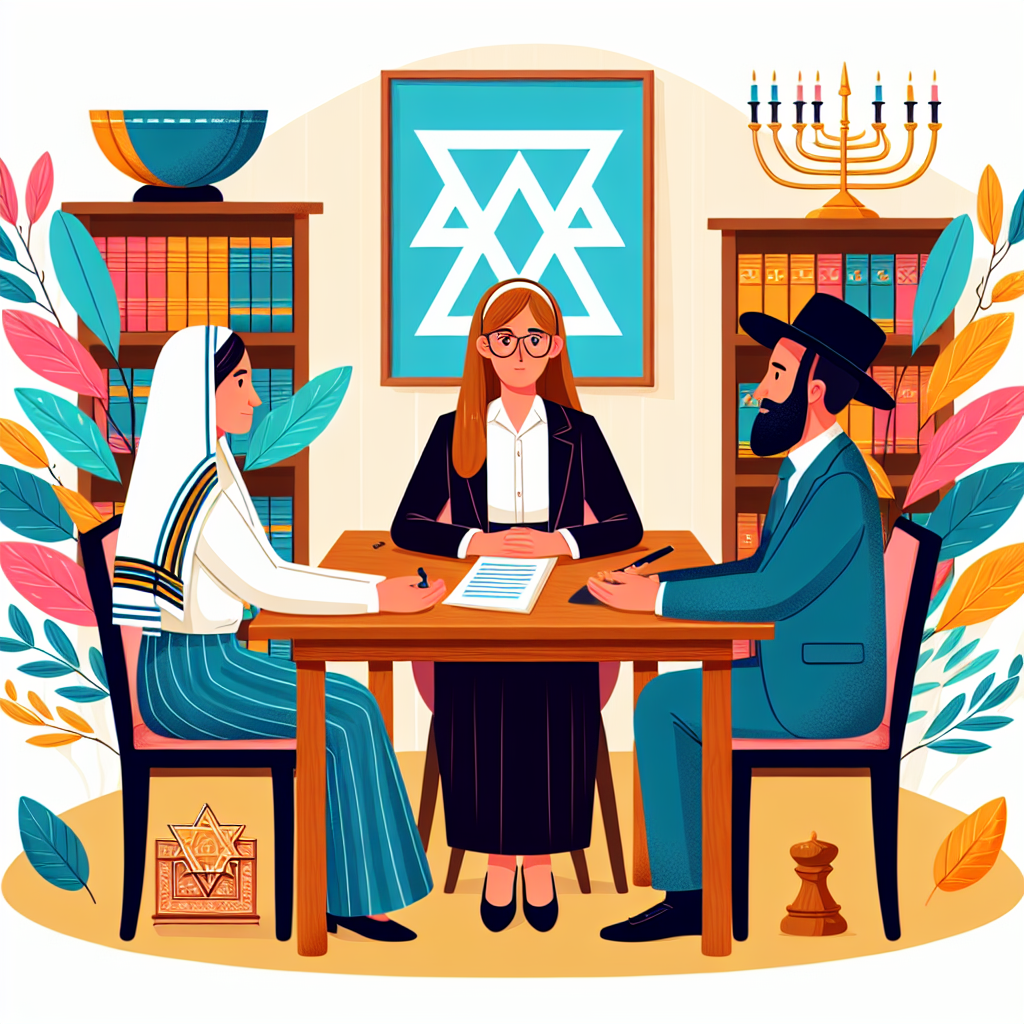
Jewish Divorce Mediation: Finding Peaceful Resolutions
Jewish Divorce Mediation: Understanding the Process
In traditional Jewish communities, divorce is viewed as a last resort and is not taken lightly. However, when a marriage cannot be salvaged, the process of divorce must be handled with care and sensitivity. This is where Jewish divorce mediation comes into play. This process allows couples to dissolve their marriage with the guidance of a neutral third party, while also adhering to the principles and values of their faith. Let’s take a closer look at the process of Jewish divorce mediation and its importance within the Jewish community.
The Role of Mediation in Jewish Divorce Proceedings
In Jewish law, divorce is seen as a process that should involve the active participation of both parties. This is where mediation plays a crucial role. Mediation allows both parties to have a say in the terms of their divorce, rather than leaving the decision making solely in the hands of a judge. This can lead to a more amicable and mutually satisfactory resolution, rather than the often contentious and adversarial nature of the court system.
Choosing the Right Mediator for Your Jewish Divorce
When choosing a mediator for your Jewish divorce, it is important to find someone who not only has experience and training in mediation, but also has a strong understanding and respect for Jewish values and customs. This can help ensure that the process is conducted in a way that aligns with your beliefs and upholds the importance of the marriage dissolution.
Key Benefits of Jewish Divorce Mediation
Jewish divorce mediation offers a number of benefits to couples seeking to dissolve their marriage. Here are a few key advantages:
- Adhering to religious principles: Mediation allows couples to handle their divorce in a way that aligns with their faith and values.
- Active participation of both parties: By participating in the decision-making process, both parties may feel more satisfied with the outcome.
- Less adversarial: Mediation can help reduce the conflict and tension often associated with divorce proceedings in the court system.
- Lower cost: Mediation is typically less expensive than going through the court system, allowing couples to save money during a difficult time.
The Role of Jewish Law in Mediation for Divorce
Within Jewish law, there are specific guidelines and principles for handling divorce mediation. These are rooted in the Talmud, the central text of Jewish law, which provides guidance on how to approach conflicts and reach resolutions. One important principle is that of shalom bayit, which means “peace in the home.” This principle emphasizes the importance of maintaining a peaceful and respectful relationship, even in the event of a divorce.
Another guiding principle in Jewish divorce mediation is that of din, which means “law” or “justice.” This principle emphasizes the importance of upholding fairness and justice in the resolution of conflicts. By adhering to these principles, Jewish divorce mediation aims to provide a framework for resolving marital disputes that is in line with Jewish values and teachings.
Common Challenges in Jewish Divorce Mediation
As with any divorce mediation process, there can be challenges and obstacles to overcome. In the context of Jewish divorce mediation, some common challenges include:
- Disagreements over religious practices: In some cases, one party may want to uphold certain religious practices in the divorce, while the other may not. This can lead to conflicts and difficulties in finding a mutually agreeable solution.
- Navigating financial issues: Divorce often involves financial considerations, and this can be especially complex within the context of Jewish divorce where there may be specific obligations and responsibilities according to religious law.
- Cultural and religious sensitivities: Divorce can be a sensitive and emotional process, and this is amplified within the context of religious and cultural beliefs. Mediators must be skilled in navigating these sensitivities and finding solutions that are respectful and considerate of both parties’ beliefs.
How to Prepare for Jewish Divorce Mediation
If you and your spouse are considering Jewish divorce mediation, it is important to come prepared. Here are some steps you can take to ensure a successful mediation process:
- Understand your rights and obligations: Before entering into mediation, it is important to have a clear understanding of your rights and obligations according to Jewish law. This can help guide your decision-making during the mediation process.
- Identify your priorities: Take some time to think about what is most important to you in the divorce. This can help you communicate your needs and desires effectively during mediation.
- Gather necessary documentation: Make sure you have any relevant documentation, such as financial records, ready to share with the mediator.
The Importance of Communication in Successful Jewish Divorce Mediation
Communication is key in any successful mediation, and this is especially true in the context of Jewish divorce. It is important for both parties to be open and honest with each other, while also remaining respectful and considerate of each other’s feelings and beliefs. Having a skilled mediator who can facilitate productive communication can greatly enhance the success of the mediation process.
The Impact of Jewish Divorce Mediation on Children
Divorce can be a difficult and challenging experience for children, and this is no different within the context of Jewish divorce. However, by choosing mediation, parents can often lessen the impact on their children by avoiding the stress and conflict of the court system. Mediation can also help parents come to an agreement that is in the best interests of their children, rather than having a judge make decisions for them.
Navigating Cultural and Religious Sensitivities in Jewish Divorce Mediation
Cultural and religious sensitivities must be carefully navigated in Jewish divorce mediation. This means taking into account the customs and practices of the couple’s specific Jewish community, as well as the beliefs and values of both parties. A skilled mediator can help guide this process and find solutions that are respectful and considerate of these sensitivities.
In conclusion, Jewish divorce mediation offers a unique and valuable alternative to traditional divorce proceedings within the Jewish community. By adhering to religious values and principles, while also promoting open and respectful communication between both parties, mediation can help couples navigate the difficult process of divorce in a way that is in line with their faith and beliefs.