

Legal Implications of Religious Divorce Practices
Understanding Legal Religious Divorce Laws: Your Rights
Introduction
Religious divorce, also known as faith-based divorce, involves the dissolution of a marriage within the parameters of a specific religion or faith. Different religions have their own laws and traditions surrounding divorce, and these practices can have significant legal implications for those involved. In this article, we will explore the legal consequences and implications of following religious divorce practices.
Understanding Religious Divorce
Religious divorce is a process that is guided by the religious laws and traditions of a particular faith. In many religions, marriage is considered to be a sacred union and divorce is viewed as a last resort. As a result, the procedures and requirements for obtaining a religious divorce can often be more complex and strict than civil divorces.
Additionally, religious divorce may differ from civil divorce in terms of the grounds for divorce, property division, and custody arrangements. This can lead to confusion and disputes, especially when one spouse wants a religious divorce but the other does not.
History of Religious Divorce Laws
The history of religious divorce laws can be traced back to ancient times, when most societies were governed by religious beliefs. In many cases, religious divorce laws were heavily influenced by patriarchal and sexist beliefs, often leaving women at a disadvantage in divorce proceedings.
As societies evolved and secular laws were introduced, the influence of religion on divorce laws also changed. However, in many countries, religious laws still hold significant sway over marriage and divorce, and in some cases, can even override civil laws.
Legal Rights in Religious Divorce
The legal rights of individuals in a religious divorce can vary greatly depending on their religion and country of residence. In some cases, religious laws may not offer any legal protection to those seeking a divorce, particularly women.
For example, in many Muslim countries, men have the unilateral right to divorce their wives without going through any legal proceedings. This can leave women vulnerable and without any legal recourse to protect their rights and assets.
In other cases, religious laws may offer more protection to women, such as in some Jewish communities where women have the right to initiate divorce proceedings.
Impact on Women in Religious Divorce
As mentioned earlier, women can be disproportionately affected by religious divorce laws. In many religions, women may face stigma and discrimination if they initiate a divorce, and may also struggle to secure their legal and financial rights.
In some cases, women may also be pressured to stay in an unhappy or abusive marriage for the sake of upholding religious beliefs and traditions. This can have serious physical, emotional, and financial consequences for women.
Furthermore, religious divorce laws can also contribute to gender inequality, as they often place women in a subordinate position and reinforce gender roles and expectations within a marriage.
Challenges in Obtaining a Religious Divorce
Obtaining a religious divorce can be a challenging and frustrating process, especially for those who are not well-versed in the religious laws and traditions of their faith. In many cases, religious leaders or authorities may have the final say in granting a divorce, and their decisions may not always align with secular laws or principles of fairness.
Furthermore, religious divorce proceedings may not always be transparent or impartial, and there may be little legal recourse for those who are dissatisfied with the outcome.
Alternative Options for Religious Divorce
Recognizing the challenges and limitations of religious divorce laws, some countries have introduced alternative options for couples seeking a religious divorce. For example, in Israel, couples of different religions can choose to have their divorce proceedings overseen by a civil court, rather than a religious court.
Similarly, some countries have introduced laws that allow for a civil marriage to be recognized by religious authorities, thereby providing a legal avenue for couples to obtain a religious divorce if they choose to do so.
International Perspectives on Religious Divorce
The legal implications of religious divorce practices can also vary greatly between countries and cultures. In some countries, religious laws hold more weight and can have a significant impact on the outcome of a divorce, while in others, secular laws may take precedence.
In some cases, religious divorce laws may also conflict with international human rights laws, particularly with regards to gender equality and women’s rights. This has led to debates and discussions about the need for reform and modernization of religious divorce laws.
Current Debates on Religious Divorce Laws
There are ongoing debates and discussions about the role of religion in divorce proceedings, particularly in cases where religious laws may contradict secular laws and principles of equality. Many argue that religious divorce laws should be reformed to better protect the rights of individuals, particularly women.
On the other hand, some argue that religious freedom should be respected and that religious divorce laws should not be interfered with by secular laws. This debate continues to be a contentious issue in many countries around the world.
Moving Towards Fair and Equal Religious Divorce Laws
In conclusion, the legal implications of religious divorce practices can have a significant impact on individuals and society as a whole. While religious beliefs and traditions should be respected, it is also important to ensure that the legal rights and protections of all individuals, especially women, are upheld.
Moving towards fair and equal religious divorce laws may require a combination of legal reform, cultural shifts, and open dialogue between religious and secular authorities. Ultimately, the goal should be to protect the rights and well-being of all individuals involved in a religious divorce while also respecting religious beliefs and traditions.
Mediating Religious Disputes Over Marital Contracts

Unlocking the Power of Religious Mediation in Marriage Contracts
Overview of Religious Mediation for Marriage Contracts
Religious mediation for marriage contracts is a process that involves using a neutral third party to help couples resolve conflicts and reach agreements related to their religious beliefs and values within the context of their marriage. This type of mediation is often used by couples who come from different religious backgrounds or have differing beliefs and practices within the same religion.
Understanding the Role of Mediators in Marriage Contracts
The role of a mediator in religious mediation for marriage contracts is to facilitate communication and guide the couple towards finding mutually acceptable solutions to their conflicts. Unlike a judge or arbitrator, a mediator does not make decisions for the couple, but rather helps them find common ground and reach agreements on their own.
Mediators also act as impartial and neutral parties, meaning they do not take sides or favor one party over the other. They are trained in conflict resolution and communication techniques, and are knowledgeable about different religious traditions and beliefs.
Benefits of Opting for Religious Mediation in Marriage Contracts
There are many benefits to choosing religious mediation for marriage contracts over other methods of conflict resolution. Some of these include:
- Preservation of the emotional and spiritual well-being of the couple: Mediation allows couples to work through their conflicts in a safe and respectful environment, avoiding the emotional and psychological toll that litigation or other forms of dispute resolution may have.
- Cost-effective: Mediation is often less expensive than going to court and can save couples time and money in the long run.
- Confidentiality: Mediation is a confidential process, which means that the details of the discussions and agreements reached are not made public.
- Empowerment: Unlike litigation where a judge makes the final decision, mediation allows couples to have control over the outcome and make decisions that are in their best interest.
- Preservation of relationships: Mediation aims to find win-win solutions, which can help couples maintain a positive relationship and avoid further conflicts in the future.
The Importance of Incorporating Religious Beliefs in Marriage Contracts
Religion is an important aspect of many people’s lives and can play a significant role in their marriage. Therefore, it is essential to incorporate religious beliefs in marriage contracts to ensure that both parties feel their values and beliefs are respected and honored.
When religious beliefs and practices are not addressed in a marriage contract, conflicts can arise and lead to strain on the relationship. By incorporating religious beliefs in the contract, couples can establish a foundation for open and respectful communication about their faith and how it impacts their marriage.
Common Issues Addressed in Religious Mediation for Marriage Contracts
Religious mediation for marriage contracts can address a wide range of issues that stem from differing religious beliefs and practices. Some common issues that may arise during this process include:
- Religious ceremonies and rituals: Couples may have different expectations about how their religious traditions and ceremonies will be incorporated into their marriage, which can lead to conflicts.
- Child-rearing and upbringing: Religious differences can also lead to disagreements on how children should be raised and what religious beliefs and practices they should be exposed to.
- Financial matters: Some religious traditions may have specific guidelines for managing finances, which can lead to conflicts if the couple has different beliefs and practices.
- Family dynamics: In cases where one partner comes from a more devout religious family, there may be conflicts with the other partner or their family’s beliefs and practices.
- Interfaith marriage: Couples from different religious backgrounds may face challenges around how to incorporate both of their faiths in their marriage and how to raise their children with exposure to both religions.
A Step-by-Step Guide to Religious Mediation for Marriage Contracts
Religious mediation for marriage contracts follows a structured process that allows couples to work through their conflicts and reach mutually acceptable agreements. Here is a general step-by-step guide to how the process typically works:
- Initiating the mediation process: One or both partners may initiate the mediation process by contacting a mediator or a mediation organization. They will discuss the details of the process and schedule an initial session.
- Identifying the issues: During the first session, the mediator will ask each partner to identify the issues that they would like to address in the mediation process.
- Exploring each party’s perspective: The mediator will then give each partner an opportunity to express their views and perspectives on the issues raised. This allows each partner to be heard and understood by the other.
- Identifying common interests and goals: Once each party’s perspective has been heard, the mediator will help them identify common interests and goals. This step is crucial in finding win-win solutions.
- Brainstorming and negotiating: With the help of the mediator, the couple will brainstorm and negotiate potential solutions to their conflicts. The mediator will guide the discussion to ensure that each partner’s interests and goals are considered.
- Reaching agreements: Once potential solutions are identified, the couple will work with the mediator to come to a final agreement that addresses their needs and concerns.
- Creating a written agreement: The mediator will then help the couple draft a written agreement that outlines the terms of the agreements reached during the mediation process.
- Signing the agreement: Once the agreement is complete, each partner will have the opportunity to review it and make any necessary changes before signing it.
- Enforcing the agreement: Once the agreement is signed, it becomes legally binding and can be enforced if necessary.
How to Choose the Right Mediator for Your Religious Mediation
Choosing the right mediator for your religious mediation is essential to the success of the process. Here are some factors to consider when selecting a mediator:
- Experience and training: Look for a mediator who has experience working with couples from different religious backgrounds and has training in religious and cultural sensitivity.
- Approach and style: Every mediator has a different approach and style, and it’s essential to find one that fits your needs and preferences. Some mediators may be more directive while others may take a more facilitative approach.
- Availability: Make sure the mediator you choose is available and has a schedule that works for both you and your partner.
- Cost: Mediators may charge different rates for their services, so it’s important to discuss and agree on the cost upfront.
- Referrals and reviews: Ask for referrals from trusted sources or read reviews online to get a better understanding of the mediator’s track record.
Legal Considerations for Religious Mediation in Marriage Contracts
Religious mediation for marriage contracts is a voluntary process, and the agreements reached during mediation are not legally binding. Therefore, couples should consult with a lawyer before and after the mediation process to ensure that their legal rights and interests are protected.
If the couple wishes to make their agreements legally binding, they can choose to have their mediator draft a memorandum of understanding, which can then be reviewed and approved by each party’s attorney before signing.
Success Stories: Real-Life Examples of Religious Mediation in Marriage Contracts
There have been numerous success stories of religious mediation in marriage contracts, where couples were able to resolve their conflicts and strengthen their relationship. Here are a few real-life examples:
Case 1: A couple from different religious backgrounds had different expectations on how they would raise their children in terms of religious beliefs and practices. Through mediation, they were able to come to an agreement that allowed their children to be exposed to both religions in a respectful and balanced way.
Case 2: A couple was having conflicts around finances due to their different religious beliefs on how money should be managed. With the help of a mediator, they were able to come to a mutually acceptable solution that honored both of their beliefs and values.
Case 3: An interfaith couple were struggling to find a way to incorporate both of their religious traditions into their wedding ceremony. Through mediation, they were able to come up with a unique ceremony that honored both of their faiths and brought their families together.
Embracing Religious Mediation for Stronger Marriage Contracts
Incorporating religious beliefs in marriage contracts and using mediation to resolve conflicts that arise from those beliefs is a powerful tool for strengthening relationships and promoting understanding and respect between partners. By understanding the role of mediators, the benefits of religious mediation, and following a step-by-step guide, couples can work towards finding win-win solutions and building a stronger, more harmonious marriage.
Navigating Religious Stigma in Divorce

Overcoming Religious Stigma in Divorce: Expert Tips
Divorce and Religion: The Stigma
Divorce is a difficult and complex process, often accompanied by a range of emotions and challenges. But for those who are part of a religious community, there may be an added layer of stigma and judgment surrounding their decision to end their marriage. In many religious traditions, divorce is seen as a failure or a sin, leading to feelings of shame and isolation for those going through it. This can make an already difficult situation even more challenging to navigate.
Understanding Religious Stigma in Divorce
The stigma surrounding divorce in religious communities is often rooted in traditional beliefs and values. In many religions, marriage is seen as a sacred institution, and divorce goes against the beliefs and teachings of the faith. This can lead to individuals feeling ostracized or judged for choosing to end their marriage.
Additionally, there may be cultural and societal pressures within religious communities to maintain a certain image and adhere to traditional gender roles, which can further stigmatize divorce. Women, in particular, may face judgment and shame for seeking a divorce, as they are often expected to prioritize the stability of their family and marriage above their own well-being.
The Impact of Religious Beliefs on Divorce
For those who have strong religious beliefs, the decision to get a divorce can create a significant inner conflict. On one hand, they may feel that ending their marriage is necessary for their happiness and well-being. On the other hand, religious teachings may tell them that divorce is morally wrong and goes against the will of their deity.
This inner conflict can be emotionally draining and cause feelings of guilt, shame, and confusion. It can also lead to individuals questioning their faith and feeling disconnected from their religious community.
Overcoming the Stigma of Divorce in Religious Communities
Breaking free from the stigma of divorce in a religious community can be a daunting task, but it is possible. The first step is to recognize that divorce is a personal decision and should not be judged by others. It is essential to remind yourself that your happiness and well-being are valid and should not be sacrificed for the sake of maintaining a certain image or meeting societal expectations.
It can also be helpful to connect with others who have gone through a divorce in your religious community. Speaking to others who have experienced similar challenges can provide a sense of understanding and support.
How to Navigate Divorce while Staying True to Your Faith
For those who want to navigate divorce while staying true to their faith, it is essential to find a balance between the two. This may involve seeking guidance from religious leaders who can provide a non-judgmental and supportive perspective. It can also be helpful to engage in spiritual practices, such as prayer or meditation, to find strength and inner peace during this challenging time.
It is important to remember that everyone’s spiritual journey is unique, and there is no one right way to navigate divorce while staying true to your faith. It may take time and self-reflection to find a balance that works for you.
Seeking Support from Religious Leaders in Divorce
Religious leaders can play a crucial role in supporting individuals going through a divorce in their community. They can provide guidance, offer a listening ear, and help individuals navigate the intersection of their religious beliefs and the challenges of divorce.
However, it is essential to seek support from a leader who is open-minded and non-judgmental. If you do not feel comfortable discussing your situation with your current religious leader, consider reaching out to someone else in your community or finding a therapist who specializes in working with individuals from religious backgrounds.
The Role of Forgiveness in Overcoming Religious Stigma in Divorce
Forgiveness can be a powerful tool in overcoming religious stigma in divorce. This includes forgiving yourself for any perceived failures or shortcomings and forgiving others who may have judged or shamed you for your decision to end your marriage.
It can also be helpful to remember that forgiveness does not mean condoning hurtful behavior or excusing it. Instead, it is about releasing yourself from the burden of anger and resentment, which can be detrimental to your emotional well-being.
Embracing a New Perspective: Divorce as a Form of Self-Love
One way to break free from the stigma of divorce in a religious community is to embrace a new perspective. Instead of seeing divorce as a failure or a sin, view it as an act of self-love and self-care. Recognize that sometimes, ending a marriage is the best decision for your well-being and that of your family.
This new perspective can also involve shifting your focus from external validation to your inner sense of worth and happiness. Remember that your worth as a person is not determined by your marital status or the opinions of others.
Breaking Free from Religious Stigma and Finding Healing in Divorce
Breaking free from religious stigma in divorce can be a healing process. It involves letting go of the judgment and shame that may have been imposed on you and finding peace within yourself.
It can also be helpful to seek therapy or support groups to process your emotions and work through any lingering guilt or self-blame. Remember that healing is a journey, and it is okay to seek help and support along the way.
Moving Forward: Rebuilding Your Life After Divorce in the Face of Religious Stigma
After going through a divorce and breaking free from the religious stigma surrounding it, it is essential to focus on moving forward and rebuilding your life. This may involve setting new goals, exploring new interests, and finding a new sense of purpose and happiness.
It may also involve finding a new religious community or creating a new spiritual practice that aligns with your beliefs and values. Remember that you have the power to create a fulfilling and meaningful life, regardless of any stigma or judgment you may have faced in the past.
In Conclusion
Navigating religious stigma in divorce can be a challenging and emotional process. It is essential to remember that your happiness and well-being should always come first, and seeking support from understanding and non-judgmental individuals can be beneficial. Regardless of the challenges you may face, know that you have the strength and resilience to overcome them and create a fulfilling life for yourself.
Overview of Religion’s Role in Divorce Mediation
Religion and Divorce: Expert Mediation for a Peaceful Resolution
The Growing Need for Religion-Based Divorce Mediation
The decision to end a marriage is never an easy one, and for many couples, the process of divorce can be emotionally and financially draining. In addition, for religious individuals, divorce can also come with spiritual and cultural implications that add another layer of complexity to the already difficult situation.
As divorce rates continue to rise globally, there is a growing need for divorce mediation that takes into account the religious beliefs and values of the individuals involved. This is where religion-based divorce mediation comes into play, offering a unique approach that integrates faith and spirituality into the mediation process.
Understanding the Intersection of Religion and Divorce
Religion plays a significant role in the lives of many individuals, and it can also impact their beliefs and attitudes towards divorce. In some religions, divorce is seen as a sin or a failure, while in others, it may be accepted as a necessary solution to a troubled marriage.
For individuals with strong religious beliefs, the decision to end a marriage may bring about feelings of guilt, shame, and fear of judgment from their religious community. This can make the mediation process even more challenging, as they may struggle to reconcile their personal beliefs with the legal and practical aspects of divorce.
On the other hand, religion can also provide a sense of guidance and support during the difficult process of divorce. It can offer a moral compass and a set of values that can help individuals navigate through the emotional and practical challenges of divorce.
The Role of Mediation in Resolving Conflicts in Religious Divorce
Divorce mediation is a voluntary process in which a neutral third party, the mediator, helps the divorcing couple to reach a mutually acceptable agreement. Unlike traditional litigation, which can be adversarial and result in a court-mandated decision, mediation allows the couple to maintain control over the outcome of their divorce.
Religion-based divorce mediation takes this process one step further by incorporating the religious beliefs and values of the couple into the mediation process. The mediator works closely with the couple to understand their faith and how it impacts their views on divorce, ensuring that any decisions made are in line with their religious beliefs.
Additionally, mediation offers a more collaborative and respectful approach to resolving conflicts, which can be particularly beneficial for couples with religious differences. It allows them to find common ground and work towards a mutually beneficial outcome, rather than engaging in a potentially contentious legal battle.
The Benefits of Religion-Based Divorce Mediation
There are numerous benefits to choosing religion-based divorce mediation over traditional litigation, including:
- Empowerment and control: Mediation allows the couple to maintain control over the outcome of their divorce, rather than having a decision imposed on them by a court. This can be particularly important for individuals with strong religious beliefs, as they may have more control over how their divorce aligns with their faith values.
- Privacy: Mediation is a confidential process, which means that sensitive personal and religious information is not disclosed in a public courtroom.
- Cost-effectiveness: Mediation is generally less expensive than traditional litigation, which can help to alleviate the financial burden of divorce.
- Mitigating hostility: Religion-based mediation promotes a more collaborative and respectful approach to resolving conflicts, which can help to reduce hostility and animosity between the divorcing couple.
Key Differences Between Secular and Religious Divorce Mediation
While the overall goal of both secular and religious divorce mediation is to reach a mutually beneficial agreement, there are some key differences between the two approaches.
One of the main differences is the inclusion of religious beliefs and values in the mediation process. In secular mediation, the focus is primarily on legal and practical matters, while religion-based mediation also takes into account the spiritual and cultural aspects of divorce.
Another key difference is the role of the mediator. In secular mediation, the mediator is a neutral third party who facilitates the negotiation process, while in religion-based mediation, the mediator may also act as a religious counselor or advisor, helping the couple to navigate through the spiritual and emotional complexities of divorce.
Overcoming Challenges in Religion-Based Divorce Mediation
Religion-based divorce mediation can present its own set of challenges, many of which stem from the intersection of religion and law.
One of the main challenges is ensuring that the decisions made during mediation are in line with both the couple’s religious beliefs and legal requirements. In some cases, there may be conflicts between the two, and it is the mediator’s role to help the couple navigate through these conflicts and find a resolution that is acceptable to both parties.
Cultural and interfaith differences can also present challenges in religion-based mediation. For couples with different religious backgrounds, it may be challenging to find common ground and come to a mutual understanding of each other’s beliefs and values. In these cases, it is essential for the mediator to be culturally sensitive and have a thorough understanding of the couple’s religious backgrounds.
The Importance of Choosing a Mediator with Religious Understanding
When choosing a mediator for religion-based divorce mediation, it is essential to find someone who has a deep understanding of the couple’s religious beliefs and values. The mediator should be knowledgeable about the religious traditions and customs of the couple and be able to navigate through any conflicts that may arise.
Furthermore, the mediator should also be non-judgmental and impartial, creating a safe and respectful environment for the couple to discuss their differences. This is especially important for individuals with strong religious beliefs, as they may feel more comfortable sharing their thoughts and feelings with someone who shares their faith.
Addressing Cultural and Interfaith Differences in Religion-Based Mediation
Cultural and interfaith differences can add another layer of complexity to religion-based mediation. However, with the right mediator, these differences can also provide an opportunity for the couple to learn and grow from each other.
Mediators can help couples to explore and understand each other’s religious beliefs and cultural backgrounds, finding common ground and building a foundation for mutual understanding and respect. This can not only lead to a successful divorce mediation but also lay the groundwork for a more positive relationship between the individuals in the future.
The Role of Forgiveness and Healing in Religious Divorce Mediation
Forgiveness and healing are essential elements in the process of divorce, especially for individuals with strong religious beliefs. Religion-based mediation provides the space and guidance for the couple to work through their emotions and find forgiveness and closure.
Incorporating forgiveness and healing into the mediation process can also help to prevent future conflicts and improve the relationship between the divorcing couple, which can be especially important when there are children involved.
Incorporating Faith and Spirituality into the Mediation Process for a Successful Outcome
Religion-based divorce mediation offers individuals the opportunity to go through the process of divorce while staying true to their faith and values. By incorporating faith and spirituality into the mediation process, couples can find a resolution that is not only legally and practically sound but also spiritually and emotionally fulfilling.
While there may be challenges and complexities in religion-based divorce mediation, with the help of a knowledgeable and understanding mediator, couples can overcome these obstacles and find a positive outcome that meets their legal and religious needs.
Religion and Financial Settlements in Divorce
Religious Divorce Settlements: Navigating Faith and Finances
Introduction
Religion plays a significant role in many people’s lives, including their personal relationships and legal matters. In the context of divorce, religious beliefs can have a significant impact on the financial settlements between couples. The intersection of religion and financial settlements in divorce can raise complex issues and challenges, as well as potential conflicts between personal beliefs and legal obligations.
Religious Beliefs and Divorce Settlements
In many religions, marriage is considered a sacred bond and divorce is seen as a last resort. As a result, some religions have strict guidelines and requirements for divorce, which can influence the financial settlements between couples. For example, in Catholicism, divorce is not recognized and remarriage is not permitted unless an annulment is granted. This can have implications for financial settlements, as the Catholic Church may not recognize a civil divorce and may not permit a spouse to remarry unless they obtain an annulment.
Similarly, in Islam, divorce is seen as a last resort and is only allowed under certain conditions. In some cases, a wife may be required to return the mahr (dowry) to her husband upon divorce. This can impact the financial settlement and may also involve religious authorities in the process.
Faith-Based Financial Settlements in Divorce
In addition to religious beliefs influencing the divorce process, some couples may choose to follow faith-based financial settlements in their divorce. This involves using religious guidelines and principles to determine the division of assets, child support, and other financial arrangements.
For example, Jewish couples may opt for a get (Jewish divorce) and a ketubah (Jewish marriage contract) to guide their financial settlement. The ketubah outlines the financial obligations of each spouse in the event of divorce, and the get is the religious document that dissolves the marriage. This can provide a framework for financial settlements that align with the couple’s religious beliefs.
Religion and Alimony in Divorce
Alimony, also known as spousal support, is a common issue in divorce settlements. In some religions, there may be specific guidelines or expectations for alimony payments. For example, in Judaism, a husband is required to provide financial support to his wife in the event of divorce, based on their ketubah agreement. In Catholicism, a spouse may be expected to provide financial support to their ex-partner, even if they are not legally obligated to do so.
Religious beliefs may also influence the duration and amount of alimony payments. In some religions, there may be a moral obligation to continue providing financial support to an ex-spouse, even after their legal obligation has ended. This can impact the financial settlement and may require negotiation and compromise between the parties.
Navigating Religious Differences in Divorce Settlements
One of the challenges of religion and financial settlements in divorce is navigating the differences between the beliefs and expectations of each spouse. In cases where couples have different religious backgrounds, this can add an additional layer of complexity to the divorce process.
For example, in a Christian and Muslim marriage, there may be different expectations for financial support and property division. In these situations, it may be necessary for the couple to seek guidance from religious leaders or seek legal advice to find a resolution that respects both parties’ beliefs and meets their legal obligations.
Divorce and Religious Property Division
Property division is a significant aspect of divorce settlements, and religious beliefs can also play a role in this process. In some religions, there may be specific guidelines for how property should be divided between spouses, especially in the case of joint assets or inherited property.
For example, in Hinduism, ancestral property may be passed down through the male lineage, and women may not have a claim to it. In the event of divorce, this can impact the financial settlement and may require negotiation or legal action to resolve any disputes over property division.
Religion and Spousal Support in Divorce
Similar to alimony, spousal support may also be influenced by religious beliefs and expectations. In some religions, there may be a moral or religious obligation to continue financially supporting an ex-spouse, even after the legal obligation has ended.
For example, in Buddhism, there is a concept of “mutual support” between spouses, which may continue even after divorce. This can impact the financial settlement and may involve discussions and negotiations between the parties to find a resolution that respects their religious beliefs and legal obligations.
Faith-Based Prenuptial Agreements for Divorce Settlements
Prenuptial agreements are commonly used to outline financial arrangements in the event of divorce. In some cases, couples may choose to include religious provisions in their prenuptial agreement, such as following the guidelines of their faith in the event of divorce.
For example, a couple may include provisions for a ketubah or a get in their prenuptial agreement, outlining how their financial settlement will be determined if they choose to follow Jewish guidelines. This can provide a framework for resolving potential conflicts and aligning the couple’s financial settlement with their religious beliefs.
Religious Considerations in Financial Settlements for Divorce
When it comes to religion and financial settlements in divorce, it is essential to consider the religious beliefs and expectations of both parties. In some cases, couples may be able to come to an agreement that aligns with their religious beliefs, while in other cases, it may require negotiation and compromise to find a resolution.
It is also crucial to consider the legal implications of following faith-based financial settlements. In some cases, religious guidelines may conflict with the laws of the country or state, and it may be necessary to seek legal advice to ensure the settlement is legally binding.
Cultural and Religious Factors in Divorce Settlements
Religion is often intertwined with culture, and in many cases, culture can also influence financial settlements in divorce. For example, in some cultures, it is expected that a husband will continue to financially support his ex-wife, even after divorce, as a form of honor and respect.
Cultural and religious factors can also influence the division of assets and property, particularly in cases where the couple has different cultural backgrounds or the divorce takes place in a different country with different laws and customs.
Divorce and Religious Guidelines for Financial Settlements
In conclusion, religion can have a significant impact on the financial settlements in divorce. It is essential for couples to consider their religious beliefs and expectations when going through a divorce and to seek guidance from religious leaders or legal professionals if necessary to find a resolution that respects their beliefs and meets their legal obligations.
Religion and Post-Divorce Co-parenting

Co-Parenting with Religious Values: A Guide for Divorced Parents
Introduction
The divorce process can be difficult and emotionally challenging for both parents and children. However, the challenges do not end once the divorce is finalized. Co-parenting after a divorce can present its own set of unique challenges, especially when it comes to incorporating religious values into the shared parenting dynamic.
Understanding Co-Parenting After Divorce
Co-parenting after a divorce involves both parents working together to raise their children in a healthy and supportive environment. This means making decisions together, communicating effectively, and prioritizing the well-being of the children above all else.
While co-parenting can be challenging for any couple, it can become more complicated when religious beliefs are involved. Each parent may have different beliefs and values, and it is important to find a way to balance them in the co-parenting relationship.
Incorporating Religious Values into Co-Parenting
Religion can play a significant role in a child’s upbringing, and it is natural for parents to want to pass on their religious beliefs and traditions to their children. When co-parenting after a divorce, it is important to find ways to incorporate religious values into your shared parenting plan.
This can include attending religious services and events together as a family, providing religious education for your children, and incorporating religious holidays into your co-parenting schedule.
Navigating Differences in Religious Beliefs
It is not uncommon for co-parents to have different religious beliefs. This can create tension and conflict, especially when it comes to making decisions about how to raise your children in regards to religion.
It is important to approach these differences with respect and understanding. Take the time to listen to each other’s perspectives and find common ground that you can both agree on.
If necessary, seek the help of a therapist or mediator to navigate these differences in a healthy and productive manner.
Communicating Effectively with Your Co-Parent
Effective communication is key to successful co-parenting, especially when religion is involved. It is important to establish clear and respectful communication channels with your co-parent.
Be open and honest about your religious beliefs and how you would like to incorporate them into your parenting plan. Listen to your co-parent’s concerns and be willing to compromise and find solutions that work for both of you.
It can also be helpful to establish ground rules for discussing religious matters, such as avoiding heated arguments and name-calling, and instead finding ways to respectfully discuss and come to a resolution.
Setting Boundaries and Expectations
It is important to establish clear boundaries and expectations when it comes to religion in your co-parenting relationship. This can include setting guidelines for religious observances and practices, as well as discussing how you will handle potential conflicts that may arise.
Be willing to be flexible and find solutions that work for both parents and prioritize the well-being of your children.
Co-Parenting with Respect and Compassion
Religious differences can easily lead to conflict and resentment between co-parents. It is important to approach co-parenting with respect and compassion, even when disagreements arise.
Remember that your children are watching how you interact and handle conflicts, and it is important to model healthy and respectful behavior for them.
Try to find ways to work together and prioritize your children’s best interests, even when it is difficult.
Managing Conflict with Religious Values in Mind
Despite your best efforts, conflicts may still arise when it comes to religion and co-parenting. In these situations, it is important to approach the conflict with your religious values in mind.
Remember to always communicate with respect and compassion, and avoid attacking or belittling the other parent’s beliefs. Seek guidance from your religious community or a therapist to find ways to manage and resolve conflicts in a healthy manner.
Prioritizing the Wellbeing of Your Children
When it comes down to it, the most important thing in co-parenting after a divorce is the well-being of your children. It is essential to put your children’s needs above your own and find ways to make your co-parenting relationship work for their benefit.
This may mean setting aside personal differences and finding common ground when it comes to religion. Remember that your children benefit from having both parents involved in their lives and it is important to support and encourage a positive relationship between them and the other parent.
Creating a Positive Co-Parenting Relationship with Religious Values
Co-parenting after a divorce is not easy, and it can become even more challenging when religion is involved. However, with open communication, respect, and a willingness to find common ground, it is possible to create a positive co-parenting relationship that incorporates your religious values.
Remember to prioritize the well-being of your children and approach conflicts with compassion and understanding. Seek guidance and support when necessary, and focus on creating a healthy and supportive environment for your children to thrive in.
Religion and Property Division in Divorce

Maximizing Assets in Divorce: Religion and Asset Division Explained
Understanding Religion and Asset Division in Divorce
Divorce is a challenging and emotionally charged process, and when religion is involved, it can become even more complex. For many couples, religious beliefs are an important aspect of their marriage and identity, but when the marriage ends, these beliefs can create conflicts in property division.
As religious beliefs and values often dictate how individuals view ownership and distribution of assets, it is essential to understand the role of religion in divorce settlements and how it impacts the division of property.
The Role of Religion in Divorce Settlements
In many cases, religion can be a significant factor in the decision to get a divorce. Some religious beliefs view divorce as a sin or a failure of the marriage, while others may allow for divorce but with specific guidelines and restrictions.
Moreover, the involvement of religion in a divorce can also affect how the couple approaches the division of their assets. For example, in some faiths, the wife may be required to submit to the husband’s financial decisions, making it challenging for her to argue for a fair share of the marital property.
Additionally, religious beliefs can also influence the couple’s communication and decision-making process during the divorce. For instance, if one party strongly believes in forgiveness and reconciliation, they may be more willing to compromise on asset division to avoid conflict.
Religious Beliefs and Their Impact on Asset Division
When it comes to asset division in a divorce, religious beliefs and values can play a significant role in how each party views their rights and responsibilities. For example, some religions may view marriage as a partnership where both parties are equally entitled to the assets acquired during the marriage, while others may give the husband more control over the property.
Similarly, some religions may consider the wife’s contribution to the marriage to be primarily domestic and, therefore, not factor it into the property division. This can be especially problematic if the wife has contributed significantly to the family’s finances through her work or inheritance.
Moreover, religious beliefs can also impact the type of assets that are considered marital property. For instance, in some religions, gifts and inheritances are considered the individual’s separate property and not subject to division. This can create conflicts if one spouse received a substantial inheritance during the marriage, and the other feels entitled to a share of it.
Legal Considerations for Dividing Assets According to Religion
While religious beliefs and values can play a role in how a couple approaches asset division in a divorce, the legal system ultimately determines how assets are divided. Each state has specific laws and guidelines for how property is divided in a divorce, regardless of religious beliefs.
For example, some states follow the principle of equitable distribution, where the assets are divided fairly but not necessarily equally between the spouses. This means that factors like each party’s contribution to the marriage, their future earning potential, and the length of the marriage will be considered in determining the division of assets.
Other states follow the principle of community property, where all assets acquired during the marriage are considered jointly owned and must be split equally between the spouses. However, this may conflict with religious beliefs that view marriage as a partnership between two individuals, not a joint ownership of assets.
Therefore, it is essential to understand the legal system in your state and consult with a lawyer who can advise you on the best course of action for dividing assets according to your religious beliefs and values.
Common Challenges Faced by Divorcing Couples with Different Religious Beliefs
Divorcing couples with different religious beliefs often face unique challenges when it comes to asset division. These may include:
- Conflicting views on marriage and ownership of assets
- Differences in financial values and priorities
- Disagreements on the division of religious property, such as religious artifacts or donations made to the place of worship
- Conflicting views on the role of each spouse in the marriage and whether their contributions should be considered in asset division
- Difficulty in communication and compromise due to strong religious beliefs
These challenges can make the process of asset division even more complicated and emotionally charged. It is essential to address these issues proactively to avoid conflicts and reach a fair and equitable settlement for both parties.
Navigating Asset Division in Interfaith Divorces
Interfaith divorces, where the couple practices different religions, can present even more complex challenges in asset division. The assets in such cases may not only include shared marital property but also religious assets, such as places of worship, religious artifacts, or donations made to religious organizations.
In such cases, it is crucial to approach the division of assets with sensitivity and understanding. The couple may need to consult with religious leaders or counselors to find a fair and respectful solution that honors both parties’ religious beliefs.
Additionally, it may be advisable to involve a neutral third party, such as a mediator, to facilitate discussions and help the couple reach a compromise. This can be particularly helpful when there are disagreements on how to divide religious assets or in cases where one party may feel that their religious beliefs are not being respected.
The Importance of Communication and Compromise in Religious Asset Division
Communication and compromise are key when it comes to dividing assets in divorce, especially when religion is involved. It is crucial to listen to each other’s perspectives, be open to compromise, and find a solution that is fair and respectful of both parties’ beliefs.
Moreover, it is essential to be transparent and forthcoming about all assets and debts during the divorce proceedings. This includes disclosing any religious assets, such as donations, gifts, or inheritances, to ensure that they are appropriately considered in the division of assets.
Keeping the lines of communication open and working together to find a compromise can help mitigate conflicts and reach a fair settlement that takes into account both parties’ religious beliefs and values.
Seeking Guidance from Religious Leaders or Counselors
During a divorce, it can be helpful to seek guidance and support from religious leaders or counselors who understand the complexities of navigating asset division with religious considerations. They can provide a neutral perspective and offer advice on how to reconcile differences in beliefs and values during the divorce process.
Furthermore, religious leaders can also provide guidance on how to approach the division of religious assets, such as donations or places of worship, in a way that is respectful of both parties’ beliefs.
Finding Fair and Equitable Solutions for Both Parties
One of the key goals in asset division during a divorce is to find a fair and equitable solution for both parties. This is especially important when religious beliefs are involved, as they can significantly impact each party’s financial and emotional well-being.
Consulting with a lawyer who understands the legal system and the complexities of religious asset division can help ensure that your rights are protected, and a fair and equitable settlement is reached.
If necessary, it may also be helpful to involve a financial advisor or accountant to help assess the value of assets and debts and ensure that the division is fair and equitable for both parties.
The Importance of Respect and Understanding in Religion and Asset Division in Divorce
Divorce can be a challenging and emotional process, and when religion is involved, it can become even more complex. However, with respect, understanding, and open communication, it is possible to navigate the division of assets in a way that is respectful of each party’s religious beliefs and values.
It is crucial to approach the process with empathy, understanding, and a willingness to compromise to reach a fair and equitable solution for both parties. Remember that the goal is to separate amicably and move forward with respect for each other’s beliefs and values.
Religion and the Psychological Aspects of Divorce

Religion & Divorce: The Psychological Impact
Introduction to the Topic of Religion and Divorce
Divorce is a complex and emotionally challenging experience that can have a profound impact on individuals and families. In addition to the legal and financial implications, divorce also has significant psychological effects on those involved. And for individuals with strong religious beliefs, divorce can be even more complicated as it may challenge their faith and deeply held values.
Definition and History of Divorce in Different Religions
The concept of divorce has existed in various forms throughout history, with different religions having their own perspectives and laws surrounding it. In Christianity, for example, divorce is generally frowned upon and seen as a violation of the sacrament of marriage. However, some branches of Christianity, such as the Catholic Church, allow for annulment under certain circumstances. In Judaism, divorce (known as “get”) is permitted, but highly regulated and requires a religious ceremony. In Islam, while divorce is recognized, there are strict procedures and guidelines for it to be considered valid.
The Impact of Religious Beliefs on Attitudes Towards Divorce
One of the main ways in which religion affects divorce is through its influence on attitudes towards it. Religious teachings and beliefs can shape an individual’s or community’s views on the acceptability and morality of divorce. For example, in some religions, divorce may be seen as a sin or a failure, and therefore, individuals may feel a sense of guilt or shame for considering it. On the other hand, some religions may view divorce as a necessary and acceptable option in certain circumstances.
The Role of Religion in Marriage and Family Counseling
Religion can also play a significant role in marriage and family counseling, both in terms of seeking guidance and providing counseling services. Many religious organizations offer counseling services that incorporate spiritual and faith-based perspectives to help couples and families navigate relationship issues. For individuals with strong religious beliefs, seeking counseling from a professional who understands and respects their faith can be crucial in addressing the psychological effects of divorce.
Understanding the Psychological Effects of Divorce on Individuals with Strong Religious Beliefs
Divorce can have a profound impact on an individual’s mental health, and this is especially true for those with strong religious beliefs. For some, the decision to divorce may bring about feelings of guilt, shame, and a sense of failure. Additionally, the loss of a spouse and the dissolution of a family can lead to feelings of grief, loneliness, and depression. It is essential for individuals going through a divorce in a religious community to have a strong support system and to address any psychological effects with a qualified therapist or counselor.
How Different Religions Deal with the Issue of Divorce
As mentioned earlier, different religions have varying perspectives and laws surrounding divorce. While some religions may have strict regulations and consequences for divorce, others may have more lenient or flexible approaches. It is essential to understand the specific beliefs and practices of one’s religion regarding divorce in order to navigate it effectively. Seeking guidance from religious leaders and knowledgeable individuals within the community can also be helpful.
The Effects of Divorce on Children in Religious Families
Divorce can be particularly challenging for children, and this is no different for those in religious families. Children may experience confusion, anger, and a sense of loss as they navigate the changes in their family structure and dynamics. In some cases, children may also struggle with reconciling their religious beliefs with the reality of their parents’ divorce. It is crucial for parents and other adults to provide emotional support and guidance for children during this difficult time.
Coping Strategies for Individuals Going Through a Divorce in a Religious Community
Going through a divorce in a religious community can bring about unique challenges and difficulties. It is crucial to find healthy and effective coping strategies to navigate this experience. Some of these may include seeking support from religious leaders and community members, engaging in prayer or other spiritual practices, and seeking professional counseling. Additionally, practicing self-care, setting boundaries, and allowing oneself time to grieve can also be helpful.
The Role of Religion in Post-Divorce Healing and Moving On
For individuals who have gone through a divorce, religion can play a significant role in the healing and moving on process. Many religious teachings and practices promote forgiveness, acceptance, and finding meaning in difficult experiences. Additionally, participating in faith-based support groups and seeking spiritual guidance can be beneficial in finding closure and a sense of peace after divorce.
Finding a Balance Between Religion and Divorce for the Well-Being of Individuals and Families
Religion and divorce can be a complicated and sensitive topic, particularly for those with strong religious beliefs. It is crucial to understand the impact of religious beliefs on attitudes towards divorce and the psychological effects it can have on individuals and families. By finding a balance between religion and divorce, seeking support, and practicing self-care, individuals and families can navigate this challenging experience and come out stronger on the other side.
Religion-Specific Mediation Models
Faith-Based Mediation Strategies: Unlocking Peace & Harmony
Introduction
In today’s diverse and interconnected society, conflicts are bound to arise. Whether it’s within a family, a community, or between different groups, disputes are a natural part of human relationships. However, resolving these conflicts and maintaining peace and harmony is crucial for the well-being of individuals and society as a whole. One approach to resolving conflicts that has gained popularity in recent years is mediation. Mediation is a process in which a neutral third party assists disputing parties in reaching a mutually acceptable resolution.
What is Faith-Based Mediation?
Faith-based mediation is a form of mediation that incorporates religious beliefs and values into the process. It is rooted in the idea that faith can be a powerful tool in resolving conflicts and promoting reconciliation. This type of mediation can be used in a variety of settings, including families, communities, workplaces, and even international conflicts.
The Benefits of Faith-Based Mediation
Faith-based mediation offers several benefits that make it a valuable tool for conflict resolution. Firstly, it provides a safe and neutral space for parties to discuss their issues and work towards a resolution. This is especially important in cases where traditional mediation may not be effective due to cultural or religious differences. Additionally, faith-based mediation focuses on restoring relationships and promoting reconciliation rather than just reaching a settlement. This can lead to more long-lasting and sustainable solutions.
Faith-Based Mediation vs. Traditional Mediation
While traditional mediation and faith-based mediation share some similarities, there are also key differences between the two approaches. Traditional mediation is generally secular and focuses on finding a compromise or settlement that is acceptable to both parties. In contrast, faith-based mediation places a greater emphasis on utilizing religious values and principles to guide the mediation process. This can include promoting forgiveness, compassion, and empathy towards one another.
The Role of Faith in Mediation
Faith plays a crucial role in the mediation process. It can provide a framework for understanding and addressing conflicts, as well as offering guidance on how to promote reconciliation and restore relationships. Additionally, faith-based mediators often have a deeper understanding of the cultural and religious dynamics at play in a conflict, which can help them navigate sensitive issues and facilitate effective communication between parties.
Incorporating Religious Teachings in Mediation
One key aspect of faith-based mediation is the incorporation of religious teachings and principles into the process. This can include using religious texts or stories to illustrate key concepts, such as forgiveness and reconciliation. It can also involve discussing how religious beliefs can guide and inform a person’s actions and behaviors in a conflict. By using these teachings, mediators can help parties gain a deeper understanding of their conflict and find ways to resolve it in line with their religious beliefs and values.
Case Studies: Successful Faith-Based Mediation Strategies
There have been many successful examples of faith-based mediation in various contexts. One such example is the work of the United Religions Initiative (URI) in Nigeria. URI brought together Christian and Muslim leaders to address the ongoing conflict between the two religious groups in the country. By incorporating religious teachings and promoting interfaith dialogue, URI was able to facilitate peacebuilding and promote reconciliation between communities.
Another case study is the Faith-Based Reconciliation Initiative (FBRI) in South Africa. In the aftermath of apartheid, FBRI brought together religious leaders from different faiths to promote healing and reconciliation in the country. By emphasizing forgiveness and reconciliation, FBRI was able to play a significant role in the nation’s transition to a more peaceful and harmonious society.
Common Challenges in Faith-Based Mediation and How to Overcome Them
While faith-based mediation can be a powerful tool for conflict resolution, it also comes with its own set of challenges. One of the main challenges is the need for cultural sensitivity. Mediators must have a deep understanding of the cultural and religious dynamics at play in a conflict and ensure that they do not inadvertently cause harm or offense to any party. This can be achieved through ongoing education and training on cultural competence and sensitivity.
Another challenge is the potential for religious bias or prejudice to influence the mediation process. Mediators must remain neutral and impartial throughout the process and avoid imposing their own religious beliefs on the parties involved. This can be addressed by having a diverse team of mediators from different faith backgrounds and ensuring that all parties have equal representation and a fair chance to express their perspectives and needs.
The Importance of Cultural Sensitivity in Faith-Based Mediation
Cultural sensitivity is crucial in faith-based mediation since it involves working with individuals from diverse religious and cultural backgrounds. Mediators must be mindful of potential cultural differences and avoid making assumptions or judgments based on their own cultural biases. This can help create a safe and inclusive space for all parties to express their views and work towards a mutually acceptable resolution.
The Power of Faith-Based Mediation for Conflict Resolution
Faith-based mediation offers a unique and valuable approach to resolving conflicts and promoting reconciliation. By incorporating religious beliefs and values, this model can provide a deeper understanding of the root causes of conflicts and offer guidance on how to address them effectively. However, it is essential to approach faith-based mediation with cultural sensitivity, open-mindedness, and a commitment to fairness and inclusivity. With these principles in mind, faith-based mediation can be a powerful tool for promoting peace, harmony, and understanding in our increasingly diverse world.
Religious Customs and Divorce Rituals
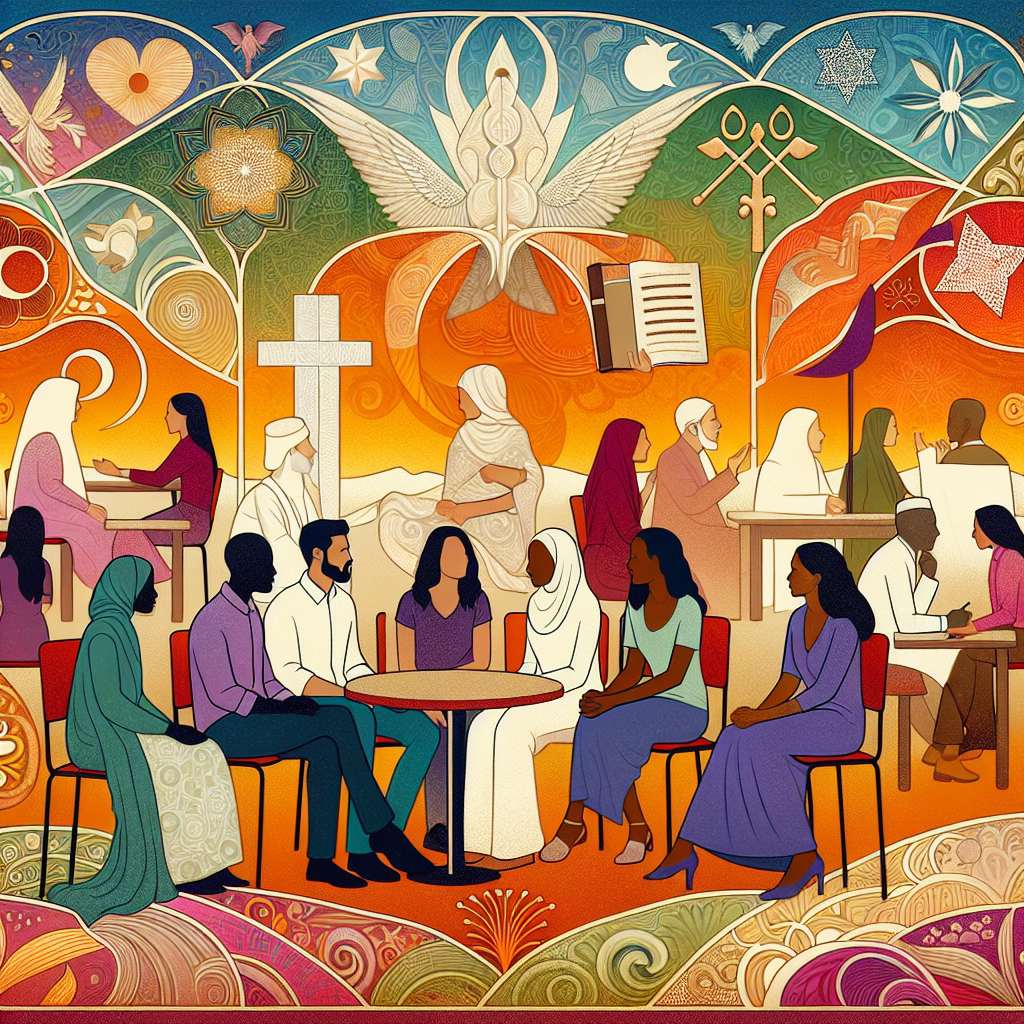
Discover Divorce Rituals & Customs – The Key to Moving On
Overview of Divorce Rituals and Customs
Divorce is a complex and emotionally challenging process that affects individuals and families across the globe. While the legal and practical aspects of divorce may vary depending on the culture and country, one aspect that is common across many societies is the presence of divorce rituals and customs. These traditions, often rooted in religious beliefs and cultural practices, play an important role in shaping the experience of divorce and providing a sense of closure and healing for those involved.
Importance of Divorce Rituals in Different Cultures
In many cultures, divorce is not just the dissolution of a marriage, but also a significant social and religious event. Divorce rituals are seen as a way to mark the end of a significant chapter in one’s life and to help individuals move forward. These rituals also serve as a way to reinforce cultural and religious beliefs and values surrounding marriage and divorce.
Divorce Rituals in Ancient Civilizations
The roots of divorce rituals can be traced back to ancient civilizations such as the Egyptians, Greeks, and Romans. In Ancient Egypt, divorce was considered a legal and religious process, and a divorce certificate was required to be obtained from the temple. The process involved a ritual where the couple would stand before a panel of priests and state the reasons for their divorce. Similarly, in Ancient Greece, divorce rituals involved a formal ceremony where both parties had to appear before a magistrate and state their reasons for divorcing.
In Ancient Rome, divorce was a relatively straightforward process, and there were no specific rituals associated with it. However, the Roman Catholic Church, which played a significant role in Roman society, introduced religious customs and ceremonies to mark the end of a marriage. These customs included a penitential ritual, where the couple would confess their sins and seek forgiveness for their failed marriage.
Modern Day Divorce Rituals and Customs
While divorce rituals have evolved over time, they continue to hold significance in modern-day societies. In many Western cultures, divorce rituals often involve a formal ceremony or gathering with family and friends. In some cases, couples may choose to have a divorce party to celebrate the end of their marriage. This can be seen as a way to reclaim agency and control over their lives after a difficult divorce process.
In some religious communities, divorce rituals may involve seeking guidance and support from religious leaders, participating in prayers and meditations, or performing specific religious rites. For example, in the Jewish tradition, a get ceremony is a religious divorce ritual where the husband must issue a document of divorce, known as a get, to the wife to end the marriage.
Cultural Differences in Divorce Rituals
While the concept of divorce rituals may be universal, the specific customs and practices vary greatly across different cultures and religions. For example, in some Hindu communities in India, divorce rituals may involve a purification ceremony where the couple must purify themselves before the divorce is finalized. In contrast, in some Islamic cultures, divorce rituals may involve the recitation of specific prayers and the performance of ablutions.
There are also significant differences in the role and treatment of men and women in divorce rituals. In some cultures, such as in many Muslim societies, men have more power and control over the divorce process, while women may face stigma and discrimination. In contrast, in some indigenous communities, such as the Maasai people in Kenya, women may have more autonomy and agency in initiating and seeking divorce.
Impact of Divorce Rituals on Individuals and Society
Divorce rituals can have a profound impact on individuals going through a divorce, as well as on society as a whole. For individuals, these rituals can provide a sense of closure and help them move on from their failed marriage. They can also help individuals process and express their emotions, and seek support from their community and religious leaders.
At a societal level, divorce rituals can play a crucial role in shaping cultural and religious beliefs and attitudes towards divorce. They can reinforce the importance of marriage and commitment, and also highlight the challenges and consequences of divorce. However, divorce rituals can also perpetuate harmful gender stereotypes and reinforce power imbalances between men and women.
Common Elements in Divorce Rituals
While divorce rituals may vary greatly across cultures and religions, there are some common elements that can be observed. These include seeking forgiveness and closure, purifying oneself, and seeking guidance and support from religious leaders. Many rituals also involve a public declaration of the divorce, often in the presence of family and community members.
The use of symbolic objects and actions is also prevalent in many divorce rituals. For example, in some cultures, the couple may break a plate or candle to symbolize the end of their marriage. In some communities, the former partners may exchange gifts or offer sacrifices to mark the end of their union.
Controversy Surrounding Divorce Rituals
The intersection of religion and divorce can be a contentious and controversial topic in many societies. Some argue that religious customs and rituals perpetuate harmful beliefs and attitudes towards divorce, particularly towards women. They may also be seen as imposing religious beliefs and practices on individuals who may not identify with that religion or may have different beliefs.
Others argue that divorce rituals are an essential aspect of religious freedom and cultural practices and should be respected and protected. They may also provide a sense of comfort and support for individuals going through a difficult time.
The Future of Divorce Rituals and Customs
As societies and cultures continue to evolve, divorce rituals may also undergo changes and adaptations. In some communities, there is a growing movement towards more gender-equitable divorce rituals that empower both men and women. There is also a growing awareness of the need to respect and accommodate the diverse beliefs and practices of individuals going through divorce.
At the same time, there are concerns that with the increasing secularization of society, divorce rituals may lose their significance and meaning. However, it is likely that divorce rituals will continue to play a role in shaping the experience of divorce and providing support and guidance for individuals and families.
Significance of Divorce Rituals in the Changing World
Divorce is a challenging and complex process that affects individuals and societies in various ways. Divorce rituals and customs have been an integral part of this process for centuries, providing individuals with a sense of closure and support as they navigate the end of a significant chapter of their lives.
While there may be controversy and challenges surrounding these rituals, it is essential to recognize their significance in shaping cultural and religious beliefs and attitudes towards divorce. As the world continues to change and evolve, it is likely that divorce rituals will also adapt and evolve, reflecting the diverse beliefs and practices of individuals going through a divorce.