

Respecting Religious Boundaries in Mediation
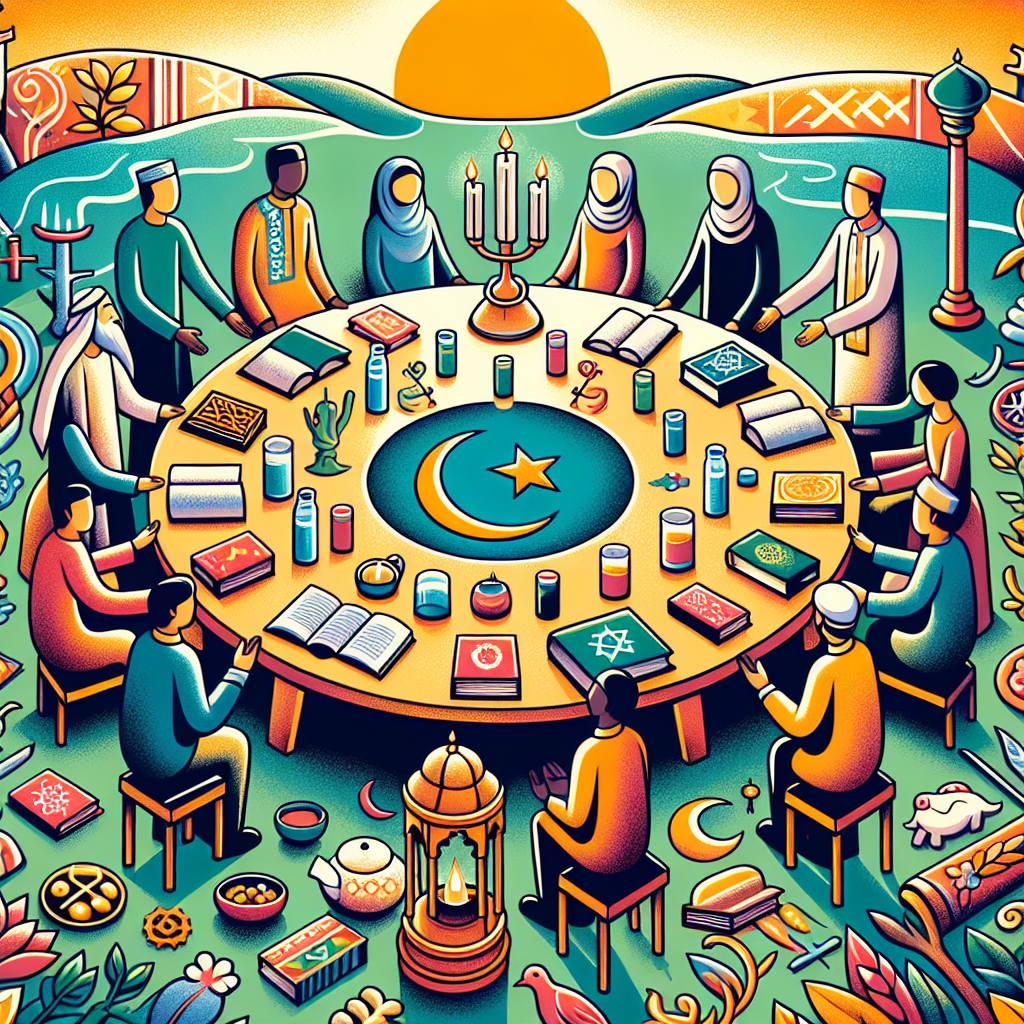
Respecting Religious Boundaries in Mediation: Tips from an SEO Specialist
Understanding Interfaith Mediation
Interfaith mediation is a form of conflict resolution that involves people of different faiths coming together to resolve disputes and find common ground. In today’s diverse and interconnected world, religious differences can often lead to conflicts, both big and small. Interfaith mediation aims to bridge these differences and promote understanding, respect, and peaceful coexistence among people of different religions.
The Importance of Religious Sensitivity in Mediation
Religious sensitivity plays a crucial role in effective mediation. In any conflict, people’s deeply held beliefs and values are likely to be involved, and these may be rooted in their religious beliefs. It is essential for mediators to be aware of and sensitive to these religious beliefs, customs, and practices to ensure that the mediation process is respectful, inclusive, and fair for all parties involved.
Religious Boundaries in Mediation: Why They Matter
Religious boundaries refer to the limits and expectations of religious beliefs and practices that individuals and communities adhere to. In mediation, these boundaries are significant because they can influence the perceptions, behaviors, and responses of the parties involved. When these boundaries are not respected, it can lead to feelings of disrespect, alienation, and mistrust among the parties, making it challenging to reach a resolution.
How to Approach Interfaith Mediation with Sensitivity
To effectively navigate interfaith mediation, mediators need to approach the process with sensitivity and cultural competence. This includes understanding the basic tenets and practices of different religions, being aware of the diversity within each religion, and being respectful of each party’s religious beliefs and boundaries. Here are some ways to approach interfaith mediation with sensitivity:
- Do your research: Before the mediation, take the time to learn about the religious beliefs, customs, and practices of the parties involved. This will help you better understand their perspectives and potential sources of conflict.
- Be open-minded: It is essential to approach interfaith mediation with an open mind and without any biases or preconceived notions. This will help you be more receptive to different perspectives and better able to facilitate a fair and respectful dialogue.
- Listen actively: Active listening is a crucial skill in mediation, especially when it comes to religious differences. Take the time to listen to each party’s concerns and perspectives without judgment or interruption. This will help build trust and promote understanding.
- Respect boundaries: It is crucial to respect the religious boundaries of all parties involved. This includes not imposing your own beliefs or trying to change the beliefs of others. Instead, focus on finding common ground and facilitating respectful communication.
Common Challenges in Interfaith Mediation and How to Overcome Them
Interfaith mediation can present various challenges, such as deeply entrenched beliefs, mistrust, and power imbalances. Here are a few common challenges and some strategies for overcoming them:
- Misunderstandings and misinterpretations: Religious beliefs and practices can be complex and multi-layered, and misunderstandings or misinterpretations can easily arise. To overcome this challenge, mediators should encourage open communication and actively clarify any misunderstandings that may arise.
- Power imbalances: In some cases, one party may hold more power or influence due to their religious status or position. This can make it challenging to reach a mutually agreeable resolution. To address this, mediators should ensure that all parties have an equal opportunity to express themselves and that power dynamics are recognized and addressed.
- Emotional reactions: Religion can be a deeply personal and emotional topic, and conflicts related to it can trigger strong reactions. Mediators must be aware of these potential emotional triggers and create a safe and supportive environment for parties to express their feelings without judgment.
The Role of Mediators in Promoting Religious Respect and Understanding
Mediators play a vital role in promoting religious respect and understanding in interfaith mediation. Here are some ways mediators can influence a more positive outcome for all parties involved:
- Facilitate open communication: Mediators should encourage open and respectful communication among the parties involved. By creating a safe and inclusive environment, mediators can help participants feel heard and understood, fostering understanding and empathy.
- Encourage empathy: Empathy is a crucial skill in mediation, especially in interfaith disputes. Mediators should encourage parties to put themselves in each other’s shoes, helping them understand each other’s perspectives and feelings.
- Clarify misconceptions: Misconceptions and stereotypes about different religions can lead to conflicts. Mediators should actively clarify any misunderstandings and promote accurate and respectful discussions about religious beliefs and practices.
- Promote mutual respect: Mutual respect is essential in interfaith mediation. As mediators, it is crucial to set ground rules for respectful communication and behavior during the mediation process.
Strategies for Building Trust and Collaboration in Interfaith Mediation
Trust and collaboration are essential components of successful mediation, and they are even more critical in interfaith disputes. Here are some strategies for building trust and promoting collaboration in interfaith mediation:
- Focus on common ground: Despite their religious differences, parties involved in a dispute are likely to have some shared values or interests. Mediators should focus on these commonalities and use them to build trust and promote collaboration.
- Use language and symbols carefully: Religious language and symbols can be powerful tools for building trust and promoting understanding. However, it is crucial to use them with sensitivity and avoid using language or symbols that may be offensive or exclusionary to certain parties.
- Promote respectful dialogue: In interfaith mediation, mediators should encourage parties to communicate respectfully and avoid making judgments or assumptions about each other’s beliefs or practices.
- Encourage compromise: In some cases, parties may need to compromise to reach a resolution that respects everyone’s beliefs and boundaries. Mediators should encourage parties to consider each other’s needs and find mutually acceptable solutions.
Case Studies: Successful Examples of Interfaith Mediation
There have been numerous successful examples of interfaith mediation, demonstrating the potential for promoting peace and harmony through respectful dialogue and mutual understanding. Here are a few noteworthy case studies:
- The Oslo Accords: The Oslo Accords, signed in 1993, were a series of agreements between Israel and Palestine, facilitated by Norwegian mediators. These negotiations involved people from different religious and cultural backgrounds and were instrumental in promoting peace and cooperation between the two parties.
- The Balkans Peace Talks: In the 1990s, religious tensions in the Balkans led to a series of conflicts and civil wars. The Peace Talks, facilitated by international mediators, brought together leaders from different religious and ethnic groups to negotiate and reach a resolution that ended the conflicts.
- The Aceh Peace Process: The Aceh Peace Process, facilitated by international mediators, helped end the longstanding conflict between the Indonesian government and the Free Aceh Movement. The mediators successfully navigated religious and cultural boundaries to promote dialogue and understanding among the parties involved.
Tips for Creating a Safe and Inclusive Environment in Interfaith Mediation
Creating a safe and inclusive environment is crucial for the success of interfaith mediation. Here are some tips for doing so:
- Choose a neutral location: The location of the mediation should be neutral and accessible to all parties involved. This can help create a sense of equality and fairness.
- Respect personal space and boundaries: In some cases, participants may have specific physical or personal space boundaries due to their religious beliefs. Mediators should be aware of and respect these boundaries to ensure everyone feels comfortable and safe.
- Be mindful of language and tone: It is crucial to use inclusive and respectful language and avoid any tone that may be perceived as judgmental or biased. This will help create a safe and respectful environment for all parties to express themselves freely.
- Allow for breaks: In emotionally charged discussions, it may be necessary to allow for breaks to give participants time to process and recharge. This can help prevent burnout and promote healthy dialogue.
Embracing Religious Diversity in Mediation for Peace and Harmony
In today’s increasingly diverse world, interfaith mediation plays an essential role in promoting peace, understanding, and cooperation among people of different religions. By approaching interfaith mediation with sensitivity, cultural competence, and a commitment to promoting respect and understanding, mediators can help parties find common ground and reach mutually acceptable resolutions. By embracing religious diversity in mediation, we can create a more harmonious and inclusive society for all.
The Impact of Religion on Spousal Support Decisions

Religion and Spousal Support: A Powerful Pairing
The Importance of Spousal Support in Religion
In many religions, the concept of marriage is highly revered and seen as a sacred union. Within this union, there are often expectations and responsibilities for both partners, including providing emotional, physical, and financial support to one another. Spousal support, also known as alimony, is a key aspect of this support and is often guided by religious beliefs and teachings.
Understanding the Role of Marriage in Religious Beliefs
To fully grasp the impact of religion on spousal support decisions, it is important to understand the role of marriage in different religious beliefs. In many faiths, marriage is not just a legal contract but an act of devotion to God. It is seen as a way to fulfill one’s spiritual purpose and to strengthen the bond between two individuals. This perspective on marriage often results in religious communities placing great importance on maintaining healthy and supportive relationships between spouses.
Traditional Views on Spousal Support in Different Religions
Each religion has its own set of beliefs and values regarding marriage and family life, which can greatly influence attitudes towards spousal support. For example, in Christianity, marriage is viewed as a sacred covenant between a man and a woman, with the husband as the head of the household and the wife as his helpmate. As such, there is a strong expectation for the husband to provide for his wife and family, including financial support in the event of divorce.
In Judaism, marriage is also seen as a sacred bond between two individuals, and the husband is expected to provide for his wife. However, there is a concept of the Ketubah, a legal document that outlines the financial responsibilities of the husband towards his wife in the event of divorce. This document is often influenced by cultural and religious customs and can vary among different sects of Judaism.
In Islam, marriage is also seen as a sacred union, with the husband designated as the provider for his wife and family. In the event of divorce, the husband is expected to provide financial support to his ex-wife for a period of time, known as the iddah. This support is intended to maintain the wife’s standard of living and help her transition to life as a single woman.
How Religious Practices Affect Spousal Support
In addition to specific religious teachings and beliefs, religious practices and rituals can also have a significant impact on spousal support decisions. For example, in some religious communities, prenuptial agreements are not allowed or are heavily discouraged due to the belief that marriage should be based on trust and not financial considerations. This can make it more difficult for individuals to protect their financial interests in the event of a divorce.
Religious practices may also affect the duration or amount of spousal support awarded. For instance, in Catholicism, divorce is not permitted, and annulment can be a lengthy and difficult process. As a result, Catholic couples who are unable to obtain an annulment may still be obligated to financially support their ex-spouse indefinitely.
Another factor that can influence spousal support is the cultural norms and expectations within a religious community. In some cultures, there is a strong emphasis on the husband being the sole provider and the wife being the primary caregiver. This can result in spousal support agreements that heavily favor the husband and may make it more difficult for the wife to receive adequate financial support.
The Impact of Gender Roles in Religion on Spousal Support
Many religions have traditional gender roles that can affect spousal support decisions. These roles often place men in positions of authority and responsibility, while women are expected to fulfill more domestic and supportive roles. This can create a power dynamic in marriages that may impact spousal support agreements in the event of divorce.
For example, the expectation for husbands to be the sole provider may result in women being financially dependent on their husbands. This can make it more challenging for them to seek fair and adequate spousal support in the event of a divorce. Additionally, cultural and religious expectations may discourage women from seeking a divorce or pursuing a career to support themselves, further exacerbating their financial dependence on their husbands.
Examining the Changing Attitudes Towards Spousal Support in Religion
While religious beliefs and practices have long influenced spousal support decisions, there has been a shift in attitude towards this topic in recent years. With increasing gender equality and a greater emphasis on individual rights and autonomy, many religious communities are re-evaluating their views on spousal support.
In some cases, this has led to changes in religious teachings and practices. For example, some churches have begun to allow for prenuptial agreements, recognizing the importance of protecting both partners’ financial interests. In other cases, religious leaders are advocating for more equitable spousal support agreements, challenging traditional gender roles and expectations.
However, there is still a long way to go, and many religious communities continue to uphold traditional beliefs and practices regarding spousal support. This can create challenges for individuals who may feel torn between their religious beliefs and their desire for fair and equitable support in the event of divorce.
Navigating the Challenges of Blending Different Religious Beliefs and Spousal Support
In modern society, it is not uncommon for individuals from different religious backgrounds to enter into marriages. This can create unique challenges when it comes to spousal support, as each partner may have different beliefs and expectations regarding this topic.
For instance, if one partner comes from a religion that does not allow for divorce, while the other partner’s religion allows for it, there may be a clash of beliefs and values when it comes to spousal support in the event of a divorce. Similarly, if one partner expects to receive spousal support based on their traditional gender roles, while the other partner does not share these beliefs, it can create tension and difficulties in coming to a fair agreement.
The Role of Faith in Overcoming Spousal Support Obstacles
While navigating the challenges of blending different religious beliefs and spousal support can be difficult, faith can play a vital role in overcoming these obstacles. For some individuals, their religious beliefs and teachings can provide guidance and clarity in making decisions about spousal support. Additionally, having faith in a higher power can provide comfort and strength during the often emotional and difficult process of negotiating spousal support.
Furthermore, faith-based counseling and mediation can offer support and guidance for couples seeking a fair and amicable spousal support agreement. These services can help couples navigate any religious or cultural differences and find common ground in their beliefs and values.
Addressing Controversial Topics Surrounding Spousal Support in Religion
While religious beliefs and practices can greatly influence spousal support decisions, there are also controversial topics surrounding this issue that are often debated within religious communities. For example, many religions have strict guidelines regarding the use of contraception and family planning, which can impact spousal support if a couple decides to divorce due to disagreements on this topic.
Similarly, the issue of spousal abuse and the role of religion in addressing and preventing it is a contentious subject. Some religions may have teachings that place blame on the victim or discourage them from seeking help, which can have a significant impact on spousal support decisions.
The Future of Spousal Support and Religion: Challenges and Solutions
As society continues to evolve and shift towards greater equality and individual rights, the role of religion in spousal support decisions may face new challenges. It is essential for religious communities to consider the impact of their beliefs and practices on individuals seeking fair and equitable spousal support. This may involve re-evaluating traditional gender roles, addressing controversial topics, and finding ways to support individuals from different religious backgrounds in navigating spousal support disagreements.
Overall, the impact of religion on spousal support decisions is a complex and multifaceted issue that is deeply intertwined with cultural and societal norms. While religious beliefs and practices can have a significant influence on spousal support, it is important for individuals to also consider their own rights and needs when navigating this often challenging aspect of marriage and divorce.
The Role of Faith-Based Counseling in Divorce Mediation
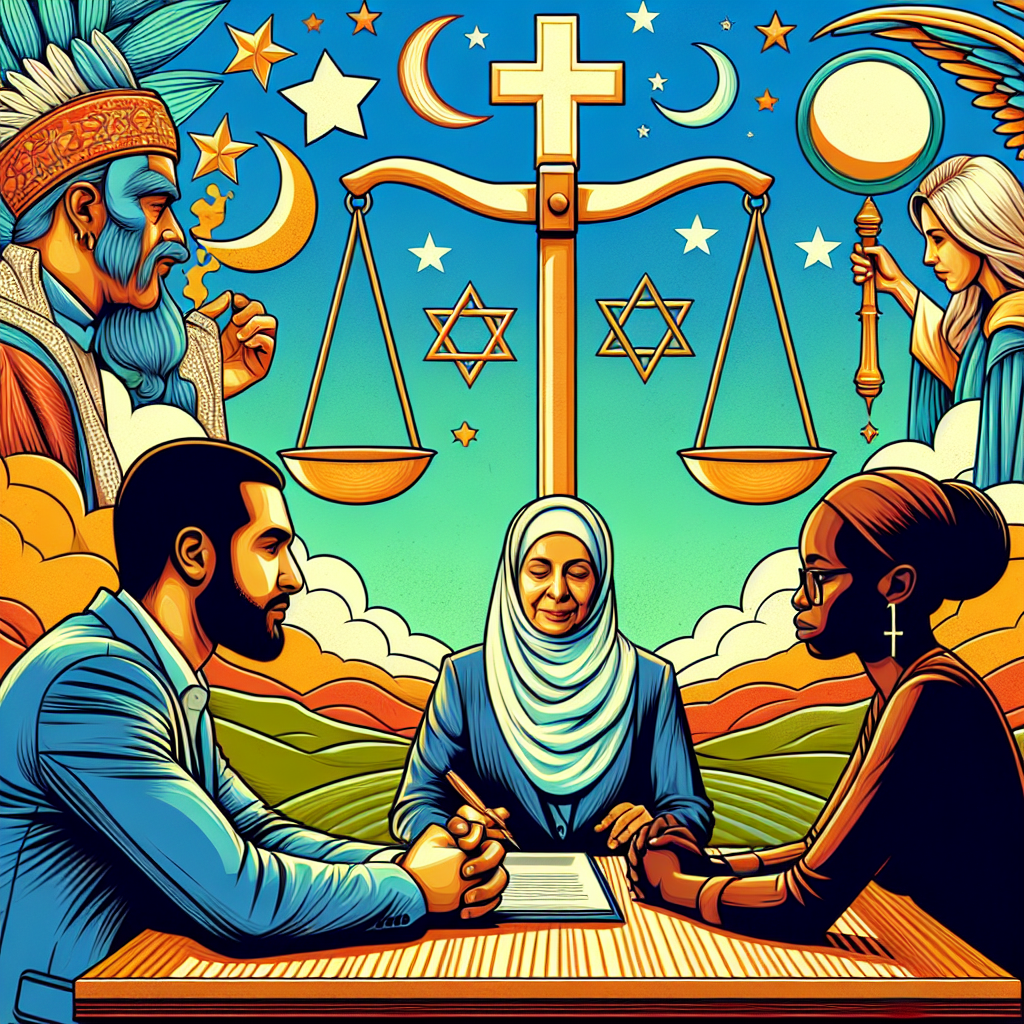
Faith-Based Divorce Mediation: Finding Peace Through Counseling
Introduction
Divorce can be a difficult and emotionally draining process, causing stress and conflict for both parties involved. In traditional divorce mediation, the focus is often solely on resolving legal and financial issues, neglecting the emotional and spiritual needs of the individuals. However, for those who have a strong faith, turning to faith-based counseling during divorce mediation can offer a unique approach that integrates spiritual guidance and principles into the process. In this article, we will explore the role of faith-based counseling in divorce mediation and how it can benefit couples going through this challenging transition.
Understanding Divorce Mediation
Divorce mediation is a process where a neutral third party, known as a mediator, helps couples reach mutually agreeable solutions to their issues. This can include matters such as child custody, division of assets, and financial support. Unlike traditional divorce proceedings, mediation allows for more open communication and a collaborative approach to resolving conflicts.
In traditional divorce mediation, the focus is on finding practical solutions to the legal and financial aspects of the divorce. However, this approach often overlooks the emotional and spiritual aspects of the separation, which can lead to unresolved issues and ongoing conflict.
Traditional vs. Faith-Based Approaches to Divorce Mediation
Traditional divorce mediation is often based on legal principles and focuses on reaching a fair and equitable agreement between the two parties. However, this approach can sometimes lead to a win-lose mentality and may not fully address the underlying emotional and spiritual needs of the individuals.
On the other hand, faith-based counseling takes a more holistic approach, considering the emotional, spiritual, and practical aspects of the divorce. This can lead to a more peaceful and amicable resolution, as well as addressing the deeper needs of the individuals involved.
The Role of Faith in Divorce Mediation
Faith can play a significant role in divorce mediation, offering a foundation of values and principles that can guide the process. For those who have a strong religious belief, their faith can provide comfort, guidance, and strength during this challenging time. Incorporating faith-based principles into the mediation process can also help to foster compassion, forgiveness, and understanding between the parties involved.
By incorporating faith into the mediation process, it can also help the individuals to move forward with their lives in a positive and healthy way, rather than holding onto resentment and bitterness. This can be particularly beneficial for those who have children, as it can help to create a more peaceful co-parenting relationship in the future.
Benefits of Faith-Based Divorce Mediation
There are many potential benefits to incorporating faith-based counseling into the divorce mediation process. These include:
- Addressing the emotional and spiritual needs of the individuals involved
- Promoting open communication and understanding between the parties
- Fostering forgiveness and compassion
- Guiding the individuals to focus on finding a mutually beneficial solution, rather than a win-lose outcome
- Cultivating a more peaceful and amicable resolution
- Providing a sense of closure and healing for both parties
- Helping the individuals to move forward in a positive and healthy way
Finding a Faith-Based Mediator or Counselor
If you are considering incorporating faith-based counseling into your divorce mediation process, it is important to find a mediator or counselor who aligns with your religious beliefs. This can help to ensure that the guidance and principles offered are in line with your values and will be beneficial for your particular situation.
You can start by asking for recommendations from your religious community. You can also search online for faith-based mediators or counselors in your area. It is important to meet with a few different professionals to find someone who you feel comfortable with and who you believe will be able to guide you through the process effectively.
Integrating Faith into the Mediation Process
Once you have found a faith-based mediator or counselor, they will work with you to integrate your faith into the mediation process. This may include incorporating prayers, scripture readings, or discussions about your religious beliefs and values into the sessions. The mediator may also provide guidance on how to use your faith to address conflicts and find solutions.
Integrating faith into the mediation process can help the individuals to feel more supported and guided during this challenging time. It can also provide a sense of unity and connection between the parties, which can lead to a more positive and peaceful resolution.
Addressing Spiritual and Emotional Needs During Divorce
Divorce can bring up a range of emotions, including grief, anger, and fear. It can also raise spiritual questions and challenges for many individuals. Faith-based counseling can help to address these emotional and spiritual needs, providing a safe space for the individuals to express their feelings and work through any spiritual conflicts they may be facing.
A faith-based mediator or counselor can also offer guidance and support for coping with these emotions and finding ways to move forward in a positive and healthy way. This can be particularly helpful for those who may not have a strong support system outside of their faith community.
Faith-Based Strategies for Resolving Conflict
Incorporating faith-based principles into the mediation process can also provide valuable strategies for resolving conflict. These may include:
- Practicing empathy and understanding towards the other party
- Using forgiveness and compassion to move past hurt and resentment
- Seeking guidance from religious teachings on how to handle conflicts and find solutions
- Identifying common ground and shared values to build upon
The Power of Faith in Divorce Mediation
Divorce can be an emotionally and spiritually challenging experience for many individuals. By incorporating faith-based counseling into the mediation process, couples can address their emotional and spiritual needs while working towards a peaceful and amicable resolution. Faith-based mediation can also help individuals to move forward in a positive and healthy way, guided by their religious beliefs and values. If you are going through a divorce, consider the benefits of incorporating faith-based counseling into your mediation process and finding a mediator or counselor who can guide you through this transition with compassion and understanding.
The Role of Religious Leaders in Mediation

Unlocking Peace: The Role of Religious Leaders in Mediation
Introduction
The role of religious leaders in mediation has become increasingly recognized and valued in recent years. In many conflict-ridden areas, religious leaders have played a crucial role in bringing about peaceful resolutions and promoting interfaith cooperation. Their influence and credibility make them powerful agents of peacebuilding and their involvement in mediation processes can lead to long-lasting solutions.
What is Mediation?
Mediation is a form of conflict resolution where a neutral third party, known as the mediator, helps facilitate communication and negotiation between two or more parties in dispute. The goal of mediation is to reach a mutually acceptable solution that satisfies the needs and interests of all parties involved. Unlike litigation, where a judge or jury makes a decision, mediation is a voluntary and confidential process that allows for open dialogue and creative problem-solving.
The Role of Religious Leaders in Mediation
Religious leaders, who are trusted and respected figures in their communities, can play a crucial role in mediation processes. They possess strong moral authority and have the ability to influence and mobilize their followers. Their spiritual and moral teachings often emphasize the importance of forgiveness, reconciliation, and peaceful coexistence, making them natural peacemakers.
In many cases, religious leaders are also well-versed in conflict resolution and have experience in managing interpersonal and intergroup conflicts within their own communities. They are skilled in communication, empathy, and active listening, which are essential qualities for an effective mediator.
Moreover, religious leaders often have longstanding relationships with community members, including those in positions of power and influence. This allows them to have a deeper understanding of the dynamics of the conflict and the needs and concerns of all parties involved.
Benefits of Religious Leaders in Mediation
The involvement of religious leaders in mediation has numerous benefits, including:
- Trust and Credibility: As mentioned earlier, religious leaders are trusted and respected figures in their communities. Their moral authority and credibility make them effective mediators, as they are perceived as impartial and fair by all parties involved.
- Bringing Diverse Perspectives: Religious leaders often have a deep understanding of the cultural, social, and historical backgrounds of the parties in conflict. This allows them to bring diverse perspectives to the table and help bridge the gap between different groups.
- Creating a Safe Space for Dialogue: Religious leaders are skilled in creating a safe and neutral space for open and honest dialogue. This is especially important in cases where there is a lack of trust and communication between the parties in conflict.
- Facilitating Cultural Sensitivity: In conflicts that have religious or cultural dimensions, religious leaders can help facilitate cultural sensitivity and promote understanding and respect for different beliefs and traditions.
- Long-Term Solutions: The involvement of religious leaders in mediation can lead to sustainable and long-term solutions. In addition to resolving the current conflict, they can work towards addressing underlying issues and promoting peaceful coexistence in the future.
How Religious Leaders Can Use their Influence for Mediation
Religious leaders can use their influence in various ways to support and promote mediation processes:
- Using their platform to publicly advocate for peaceful resolutions and dialogue.
- Encouraging their followers to participate in mediation and dialogue processes.
- Facilitating communication and negotiations between conflicting parties.
- Providing a safe and neutral space for dialogue to take place.
- Offering spiritual and moral guidance to the parties involved.
- Working with other religious leaders and communities to promote interfaith cooperation and understanding.
- Engaging in inter-religious dialogue and cooperation to address underlying issues that may be causing the conflict.
Examples of Successful Mediation by Religious Leaders
There have been several successful examples of religious leaders playing a crucial role in mediating conflicts and promoting peace:
- Patriarch Theophilos III: In 2019, the Patriarch of Jerusalem, Theophilos III, helped mediate a dispute between the Greek Orthodox Church and the Israeli government over a controversial land deal. His involvement helped bring about a peaceful resolution and avoid a potential crisis in the Holy Land.
- Archbishop Desmond Tutu: The South African Archbishop played a crucial role in mediating negotiations between the African National Congress and the apartheid government, leading to the end of apartheid in 1994.
- Grand Mufti Sheikh Abdulaziz al-Sheikh: The grand mufti of Saudi Arabia played a significant role in persuading the Taliban to hand over power to the Afghan government in 2001, ending years of conflict in the country.
- Cardinal Jaime Ortega: The Catholic Cardinal played a key role in negotiating the release of political prisoners and the improvement of US-Cuba relations in 2014.
Challenges and Obstacles Faced by Religious Leaders in Mediation
Despite the significant role played by religious leaders in mediation, they also face challenges and obstacles that can hinder their efforts:
- Political Interference: In some cases, political leaders may try to undermine the efforts of religious leaders in mediation, especially if it goes against their own interests or agenda.
- Lack of Training and Resources: Religious leaders may not always have the necessary training and resources to effectively mediate conflicts. This can limit their ability to facilitate dialogue and reach sustainable solutions.
- Religious Differences: In conflicts that have religious undertones, the involvement of religious leaders from different faiths can be challenging. Differences in beliefs and practices can sometimes hinder effective communication and collaboration.
- Security Risks: In areas of conflict, religious leaders may face security risks for their involvement in mediation. This can make it difficult for them to continue their efforts, and in some cases, may even put their lives in danger.
- External Pressure: Religious leaders may face pressure from external actors, such as governments or militant groups, to take a particular stance in a conflict, which can hinder their neutrality and effectiveness as mediators.
Strategies for Religious Leaders to Overcome Challenges in Mediation
To overcome the challenges and obstacles faced in mediation, religious leaders can adopt the following strategies:
- Seeking training and education in conflict resolution and mediation to enhance their skills and knowledge.
- Collaborating and seeking support from other religious leaders and organizations with experience in mediation.
- Using interfaith dialogue and cooperation to address religious differences and promote understanding and cooperation.
- Staying true to their moral and spiritual teachings and remaining impartial and neutral in the mediation process.
- Being aware of potential security risks and taking necessary precautions to ensure their safety.
- Resisting external pressure and maintaining their independence and integrity as mediators.
Importance of Training and Education for Religious Leaders in Mediation
As mentioned earlier, lack of training and resources can be a major obstacle for religious leaders in mediation. Therefore, it is essential for religious leaders to receive proper training and education in conflict resolution and mediation to effectively fulfill their role as peacemakers.
Training and education can help religious leaders develop the necessary skills and knowledge to navigate complex and sensitive conflicts. It can also equip them with the tools to address challenges and obstacles that may arise during the mediation process. Furthermore, training can also help religious leaders understand the ethical and professional standards of mediation, ensuring that they adhere to them in their efforts.
The Impact of Religious Leaders in Promoting Peace through Mediation
The involvement of religious leaders in mediation processes has proven to be a valuable and effective approach in promoting peace and resolving conflicts. Their influence, credibility, and commitment to moral and spiritual teachings make them powerful agents of peacebuilding.
However, the role of religious leaders in mediation is not without its challenges and obstacles. Therefore, it is crucial for religious leaders to receive proper training and education to enhance their skills and knowledge in conflict resolution and mediation.
In conclusion, the involvement of religious leaders in mediation is essential for promoting peaceful resolutions and building bridges between conflicting parties. Their efforts can lead to long-lasting solutions and contribute to a more peaceful and harmonious world.
Training for Mediators in Religious Divorce Cases

Religious Divorce Mediation Training: Your Path to Conflict Resolution
Understanding Religious Divorce Mediation
Religious divorce mediation is a specialized form of mediation that involves resolving disputes related to divorce within the context of a particular religious belief system or legal framework. In these cases, the mediator must have a strong understanding of both the legal and cultural aspects of the religion, as well as the conflict resolution skills necessary to help the parties reach a mutually agreeable resolution.
The History and Importance of Religious Divorce Mediation Training
The need for religious divorce mediation training has become increasingly apparent in recent years as more and more couples from diverse religious backgrounds seek to dissolve their marriages. In the past, religious leaders or community members would often play a role in helping couples navigate the divorce process within their religious traditions. However, with the rise of secular legal systems and the increase in interfaith marriages, the need for trained mediators who understand the complexities of religious divorce has become crucial.
Religious divorce mediation training provides mediators with the knowledge and skills necessary to effectively navigate the unique challenges and sensitivities of these cases. It also helps ensure that the parties’ religious beliefs and traditions are respected and considered in the mediation process.
The Role of Mediators in Religious Divorce Cases
The role of a mediator in a religious divorce case is to act as a neutral third party who helps the parties reach an agreement that is acceptable to both sides. Mediators do not make decisions or provide legal advice, but rather facilitate communication and negotiation between the parties. In religious divorce cases, mediators must also be knowledgeable about the legal and cultural aspects of the religion, as well as the applicable laws and traditions surrounding divorce.
In addition, mediators play a crucial role in helping parties understand each other’s perspectives and find common ground to resolve their disputes. They must also be able to manage emotions and navigate potential cultural and religious differences in order to maintain a neutral and respectful environment for the mediation process.
Essential Skills and Qualities for Religious Divorce Mediators
Religious divorce mediation requires a unique set of skills and qualities in order to be effective. Some essential skills and qualities for mediators in these cases include:
- Cultural sensitivity: Mediators must have a deep understanding and respect for the different cultural and religious beliefs of the parties involved in the mediation. This includes being aware of potential biases and being able to navigate and mediate through cultural differences.
- Conflict resolution: Mediators must be skilled in conflict resolution techniques and have the ability to defuse tense situations and guide parties towards finding common ground.
- Effective communication: Mediators must have excellent communication skills and be able to facilitate productive discussions between the parties. This includes being able to listen actively, ask open-ended questions, and maintain a neutral and non-judgmental attitude.
- Knowledge of religious law: Mediators must have a solid understanding of the religious beliefs and traditions of the parties involved, as well as the laws and legal framework surrounding divorce in that religion.
- Empathy: Mediators must be able to empathize with the parties and understand their emotions and concerns. This helps build trust and create a safe environment for open communication.
The Benefits of Pursuing Religious Divorce Mediation Training
There are several benefits to pursuing training in religious divorce mediation, including:
- Expanded career opportunities: As more couples from diverse religious backgrounds seek mediation for their divorce, there is a growing demand for trained mediators who can navigate the complexities of these cases.
- Increased credibility: Completing a training program in religious divorce mediation demonstrates a commitment to understanding the unique aspects of these cases and can increase credibility with potential clients and other professionals in the field.
- Enhanced mediation skills: Religious divorce mediation training can improve overall mediation skills, including conflict resolution, effective communication, and cultural sensitivity.
- Personal growth: Religious divorce mediation training can also lead to personal growth and a deeper understanding of different cultures and religions.
How to Choose the Right Training Program for Religious Divorce Mediation
When considering a training program for religious divorce mediation, there are several factors to keep in mind:
- Accreditation: Look for programs that are accredited by reputable organizations, such as the Association for Conflict Resolution or the International Mediation Institute.
- Curriculum: Make sure the program covers all the essential aspects of religious divorce mediation, including cultural sensitivity, conflict resolution, and legal knowledge.
- Instructors: Research the instructors’ qualifications and experience in the field. Look for programs that have a diverse group of instructors with different backgrounds and expertise.
- Cost and schedule: Consider the cost and time commitment of the program, as well as any potential travel expenses if the training is in-person.
- Reviews and recommendations: Read reviews and ask for recommendations from other mediators or professionals in the field to get a better understanding of the program’s quality and effectiveness.
The Process of Religious Divorce Mediation: Steps and Techniques
The process of religious divorce mediation is similar to traditional divorce mediation, but with a focus on understanding and addressing the parties’ religious beliefs and traditions. Some key steps in the process may include:
- Initial consultations: The mediator meets separately with each party to get an understanding of their concerns and goals for the mediation process.
- Joint session: The mediator brings the parties together for a joint session to discuss the issues and work towards finding a resolution.
- Exploration of religious beliefs: The mediator may facilitate a discussion to explore the parties’ religious beliefs and how they may affect the divorce process.
- Creation of a plan: Once the parties have reached an agreement, the mediator helps them create a plan for implementing and following through with the terms of the agreement.
Some techniques that mediators may use during the process include active listening, reframing, brainstorming, and reality testing. These techniques help parties understand each other’s perspectives, explore potential solutions, and make informed decisions.
Dealing with Cultural and Religious Differences in Divorce Mediation
Cultural and religious differences can present significant challenges in the divorce mediation process. Mediators must be aware of these differences and have the skills to manage and address them effectively. Some strategies for dealing with cultural and religious differences in divorce mediation include:
- Respecting diversity: Mediators must value and respect the diversity of beliefs and backgrounds of the parties involved in the mediation process.
- Acknowledging potential biases: Mediators should be aware of their own biases and be prepared to manage them appropriately during the mediation process.
- Using cultural and religious experts: Mediators may bring in experts or consultants to provide a deeper understanding of the parties’ cultural and religious perspectives.
- Creating a safe space: Mediators must create a safe and neutral environment for open communication and encourage parties to share their perspectives without fear of judgment or discrimination.
Handling Emotions and Conflict Resolution in Religious Divorce Cases
Divorce is an emotionally charged process, and when combined with religious beliefs and traditions, it can become even more complex. Mediators must have the skills and techniques to manage these emotions and guide parties towards productive and respectful conflict resolution. Some strategies for handling emotions and conflict resolution in religious divorce cases include:
- Empathy: Mediators must show empathy towards the parties’ emotions and concerns to create a safe and trusting environment for the mediation process.
- Active listening: Mediators must actively listen to understand parties’ perspectives and validate their emotions.
- Managing power imbalances: In cases where one party may have a higher status or power within a religious community, mediators must be aware of potential power imbalances and ensure that both parties have equal opportunities to share their views and make decisions.
- Helping parties focus on the future: Mediators can help parties move past their emotions and focus on finding solutions by discussing the future and the best interests of both parties.
The Future of Religious Divorce Mediation: Challenges and Opportunities
As the world becomes increasingly interconnected, the need for trained mediators who understand the complexities of religious divorce cases will continue to grow. However, there are many challenges and opportunities for the future of religious divorce mediation, including:
- Increasing demand: As more couples from diverse religious backgrounds seek mediation for their divorce, there will be a growing demand for trained mediators who can navigate the unique challenges of these cases.
- Legal implications: Mediators may face challenges in balancing religious laws and legal systems in divorce cases. It will be essential for mediators to stay updated on legal developments and adapt their skills accordingly.
- Cultural sensitivity: With the rise of interfaith and cross-cultural marriages, mediators must continue to develop their cultural sensitivity and be able to mediate through potential differences.
- Education and advocacy: There is a need for continued education and advocacy to raise awareness of the importance of religious divorce mediation and the need for specialized training.
Overall, the future of religious divorce mediation presents both challenges and opportunities, but with the right training and skills, mediators can play a crucial role in helping parties reach peaceful and respectful resolutions to their disputes.
Advanced Negotiation Techniques in Mediation

Maximizing Results: Strategic Mediation Techniques
Introduction
Mediation is a crucial tool in resolving conflicts and reaching agreements in a peaceful and efficient manner. It involves a neutral third party, called a mediator, who facilitates communication and negotiation between the involved parties. While basic negotiation techniques can be effective in mediation, there are also advanced techniques that can take the process to a higher level and lead to more successful outcomes.
Understanding Mediation
Before delving into advanced negotiation techniques, it’s important to have a clear understanding of what mediation is and how it works. Mediation is a voluntary and confidential process where a mediator helps parties in dispute to communicate, identify their needs and interests, and work towards a mutually acceptable solution.
Unlike traditional negotiation methods, mediation focuses on problem-solving rather than winning and losing. It also allows for more open and direct communication between the parties, which can lead to a better understanding of each other’s perspectives and needs.
Benefits of Strategic Mediation
Strategic mediation is a type of mediation that utilizes advanced negotiation techniques to achieve the best possible outcomes for all parties involved. Some of the key benefits of strategic mediation include:
- Cost-effective: Mediation is often a more affordable option compared to litigation, which can save parties time and money.
- Preserving relationships: Mediation allows parties to work together towards a solution, which can help maintain or even improve their relationships.
- Control over the outcome: Unlike in court, parties have more control over the outcome in mediation as they are actively involved in the decision-making process.
- Confidentiality: Mediation is a confidential process, which can protect sensitive information and prevent damage to reputations.
- Flexibility: Mediation can be tailored to the specific needs and interests of the parties, making it a more flexible and customizable option compared to litigation.
Key Elements of Strategic Mediation
In order to utilize advanced negotiation techniques in mediation, it’s important to understand the key elements of strategic mediation. These include:
- Identifying interests: In mediation, it’s crucial to identify the underlying interests of each party rather than just their positions. This allows for more creative problem-solving and win-win solutions.
- Active listening: Effective communication is essential in mediation, and active listening plays a crucial role in understanding the needs and interests of each party.
- Managing emotions: Emotions can run high in conflicts, and it’s important for the mediator to manage them and create a calm and respectful environment for negotiation.
- Collaboration: Mediation is a collaborative process where parties work together towards a solution rather than against each other.
- Creative problem-solving: In strategic mediation, parties are encouraged to think outside the box and come up with unique solutions that meet everyone’s needs.
Choosing the Right Mediator
The success of strategic mediation heavily depends on the mediator’s skills and experience. When choosing a mediator, it’s important to consider their qualifications, mediation training, and experience in handling similar cases. It’s also crucial to find a mediator that is impartial, trustworthy, and able to create a safe and respectful environment for negotiation.
Preparing for a Strategic Mediation Session
Proper preparation is key to a successful mediation session. Before the session, parties should gather all relevant information, identify their interests and priorities, and come up with a clear idea of what they want to achieve through mediation. This will help them communicate effectively and negotiate with a clear focus during the session.
Parties may also choose to engage in pre-mediation meetings with the mediator to discuss their concerns and goals and get a better understanding of the process.
Effective Communication Techniques in Mediation
Effective communication is essential in mediation, and it’s important for parties to use techniques that can improve understanding and facilitate negotiation. Some of these techniques include:
- I-statements: Using “I” statements instead of “you” statements can help avoid blaming and defensiveness and encourage more open communication.
- Active listening: As mentioned earlier, active listening is crucial in mediation. This involves listening without judgment, acknowledging and clarifying what the other party is saying, and reflecting back their feelings and needs.
- Asking open-ended questions: Open-ended questions encourage the other party to share more information and can help parties understand each other’s perspectives better.
- Paraphrasing: Paraphrasing is repeating what the other party has said in your own words. This shows that you are listening and can help clarify any misunderstandings.
- Summarizing: Summarizing involves recapping the main points of the discussion to ensure that everyone is on the same page.
Overcoming Roadblocks in Mediation
Despite the best efforts, mediation may sometimes encounter roadblocks that can hinder progress. Some common roadblocks in mediation include:
- Communication barriers: These can include language barriers, different communication styles, and emotional barriers such as defensiveness and anger.
- Power imbalances: In some situations, one party may hold more power or have more knowledge or resources than the other, which can make it challenging to reach a fair agreement.
- Refusal to compromise: Sometimes parties may be unwilling to compromise, leading to a stalemate in negotiations.
To overcome these roadblocks, the mediator may use techniques such as reframing, brainstorming, and caucusing, or may seek the help of a co-mediator to bring a fresh perspective to the session.
Utilizing Creative Problem-Solving in Mediation
Creative problem-solving is a key element of strategic mediation and involves finding solutions that meet the needs and interests of all parties. Some techniques that can help in this process include:
- Brainstorming: This involves generating a list of possible solutions without judgment or evaluation.
- Refocusing on interests: By identifying the underlying interests of each party, the mediator can help them find common ground and work towards a solution that meets those interests.
- Exploring alternatives: It’s important for parties to consider different options and alternatives to reach a mutually beneficial solution.
- Breaking issues down: Sometimes, complex issues can be overwhelming and hinder progress. By breaking them down into smaller, more manageable issues, parties can tackle them one at a time and reach a resolution.
Measuring Success in Strategic Mediation
Success in strategic mediation is not always measured by reaching an agreement. While a mutually acceptable agreement is often the goal, success can also be seen in other outcomes, such as improved communication, better understanding of each other’s perspectives, and improved relationships.
It’s also important to remember that mediation is a process, and it may take multiple sessions to reach a resolution. Even if an immediate agreement is not reached, parties should reflect on the progress made and continue working towards a mutually acceptable solution.
Conclusion
Advanced negotiation techniques can greatly enhance the effectiveness of strategic mediation and lead to more successful outcomes. By understanding the key elements of strategic mediation, utilizing effective communication techniques, and overcoming roadblocks, parties can work together to find creative and mutually beneficial solutions. With the right mediator and proper preparation, strategic mediation can be a powerful tool in resolving conflicts and reaching agreements in a peaceful and efficient manner.
Basics of Divorce Mediation Techniques

Maximizing Success: Divorce Mediation Strategies
Introduction
Welcome to our guide on the basics of divorce mediation techniques. Divorce can be a difficult and emotional process, but mediation offers a more collaborative and cost-effective approach to resolving conflicts and reaching agreements. In this guide, we will discuss the fundamentals of divorce mediation and provide tips to help you navigate the process successfully.
Understanding Divorce Mediation
Divorce mediation is an alternative dispute resolution process in which a neutral third party, known as a mediator, assists the couple in reaching mutually beneficial agreements. Unlike traditional divorce litigation, mediation focuses on communication, collaboration, and finding creative solutions to issues such as child custody, co-parenting, division of assets, and spousal support.
During mediation, both parties have the opportunity to express their needs and concerns, and the mediator helps facilitate productive communication and problem-solving. The goal of mediation is to reach a mutually agreeable settlement that meets the needs and priorities of both parties.
Benefits of Choosing Divorce Mediation
There are several benefits to choosing divorce mediation over traditional litigation:
- Cost-effective: Mediation is generally less expensive than litigation since it avoids the need for costly court appearances and legal fees.
- Less adversarial: Mediation promotes a more cooperative approach to resolving conflicts, reducing the emotional toll of divorce.
- Control over the process: Mediation allows both parties to have control over the outcome of their divorce, rather than leaving it in the hands of a judge.
- Faster resolution: Mediation can be completed more quickly than litigation, as couples do not have to wait for court dates.
- Confidentiality: Mediation sessions are private and confidential, unlike court proceedings which are a matter of public record.
Tips for a Successful Divorce Mediation Process
Here are some tips to help you navigate the divorce mediation process successfully:
- Come prepared: Before attending mediation sessions, make sure you have all necessary documents and information related to your finances and any other relevant matters.
- Be open-minded: Approaching mediation with an open mind and a willingness to find mutually acceptable solutions will lead to a more productive process.
- Listen actively: Communication is key in mediation, and actively listening to the other party’s perspective can help facilitate understanding and finding common ground.
- Take breaks when needed: Emotions can run high during mediation, so it’s important to take breaks when necessary to de-escalate tension and refocus.
- Stay focused on the present: Bringing up past conflicts can hinder the mediation process. Stay focused on resolving present issues and creating a plan for the future.
- Be honest: Honesty is crucial in mediation. Being transparent about your needs and concerns will help the mediator find a fair solution for both parties.
Choosing the Right Mediator for Your Divorce
The mediator you choose can greatly impact the success of your divorce mediation process. Here are some things to consider when selecting a mediator:
- Experience: Look for a mediator with experience handling divorce cases and who is knowledgeable about family law.
- Communication skills: A good mediator should be an active listener and have excellent communication skills to facilitate productive discussions.
- Conflict resolution techniques: A skilled mediator should have a variety of conflict resolution techniques and be able to adapt to different situations and personalities.
- Neutral and impartial: It’s important to choose a mediator who is neutral and impartial, without any bias towards either party.
- Comfort level: You should feel comfortable and at ease with your mediator, as they will play a crucial role in your divorce process.
Communication and Collaboration in Divorce Mediation
Effective communication and collaboration are essential for a successful divorce mediation process. Here are some tips to help you communicate and collaborate effectively during mediation:
- Use “I” statements: When expressing your needs and concerns during mediation, use “I” statements to avoid placing blame on the other party.
- Listen actively: As mentioned before, active listening is crucial for understanding the other party’s perspective and finding common ground.
- Be respectful: Respectful communication can help prevent conflicts from escalating and keep the mediation process moving forward.
- Be open to compromise: A successful mediation process often involves compromise and finding solutions that meet the needs of both parties.
- Be patient: Resolving conflicts through mediation takes time, and it’s essential to be patient and trust the process.
Navigating Finances in Divorce Mediation
Financial matters are a significant part of the divorce mediation process. Here are some tips to help you navigate finances during mediation:
- Gather all necessary documents: Before attending mediation, make sure you have all financial documents, including bank statements, tax returns, and investment account statements.
- Be transparent: Honesty is crucial when discussing finances in mediation. Be transparent about your assets, debts, and any other important financial information.
- Consider tax implications: When making financial decisions during mediation, consider the tax implications of different options.
- Explore all options: Mediation offers more flexibility in finding creative solutions to financial matters, so be open to exploring different options.
Addressing Child Custody and Co-Parenting in Divorce Mediation
Child custody and co-parenting can be emotionally charged topics in divorce mediation. Here are some tips to help you address these matters successfully:
- Focus on the children’s best interests: The well-being and best interests of the children should be the primary consideration when making decisions about child custody and co-parenting.
- Be willing to compromise: Co-parenting requires a certain level of cooperation and compromise, so be open to finding solutions that work for both parties.
- Communicate effectively: Communication is crucial for successful co-parenting. Develop a communication plan with your ex-spouse to ensure clear and respectful communication.
- Create a detailed parenting plan: A detailed parenting plan can help avoid conflicts and provide a clear structure for co-parenting responsibilities.
Dealing with Emotional Challenges in Divorce Mediation
Divorce can be emotionally challenging, and mediation can bring up difficult emotions. Here are some tips to help you navigate these challenges:
- Take care of yourself: Divorce can be emotionally draining, so make sure to prioritize self-care and seek support from loved ones or a therapist.
- Stay focused on the present: It’s essential to focus on resolving current issues and building a future rather than dwelling on past conflicts.
- Be respectful: Respectful communication and a willingness to understand the other party’s perspective can help manage emotions and keep the mediation process moving forward.
- Be patient: Resolving conflicts through mediation takes time, so be patient and trust the process.
Finalizing Your Divorce Agreement through Mediation
Once all issues have been addressed and agreements have been reached, the final step in the divorce mediation process is finalizing your divorce agreement. Your mediator will draft a settlement agreement, which both parties will review and sign. The agreement will then be submitted to the court for approval, and once approved, your divorce will be finalized.
Overall, divorce mediation offers a more collaborative, cost-effective, and less adversarial approach to resolving conflicts and reaching agreements. By following these tips and working with a skilled mediator, you can navigate your divorce with greater ease and reach a mutually beneficial settlement. Good luck!
Body Language and Non-Verbal Cues

Mastering Non-Verbal Communication: Body Language Techniques
Importance of Non-Verbal Communication Techniques
Non-verbal communication refers to the use of body language, gestures, facial expressions, and other non-verbal cues to convey messages and emotions. While verbal communication is important, non-verbal communication is equally crucial in understanding and interpreting the true meaning behind a message. It can greatly impact the success of our interactions and relationships with others, both personally and professionally.
Definition of Body Language Interpretation
Body language interpretation is the process of understanding and deciphering the hidden meanings and emotions conveyed through non-verbal cues. It involves observing and analyzing a person’s posture, gestures, facial expressions, and tone of voice to understand their thoughts and feelings. Body language can convey a wide range of emotions, from happiness and confidence to discomfort and nervousness, making it a powerful tool in communication.
History of Non-Verbal Communication
Non-verbal communication has been used since the beginning of human civilization. It played a crucial role in our survival and helped us convey messages and emotions before the development of spoken language. In ancient civilizations, non-verbal cues such as facial expressions, hand gestures, and posture were used to communicate with others and establish social hierarchies. Over time, non-verbal communication has evolved and become more complex, taking into account cultural and social contexts.
Types of Non-Verbal Communication
There are numerous types of non-verbal communication that we use in our daily interactions. Some of the most common types include:
- Facial expressions: Our faces can convey a wide range of emotions, such as happiness, sadness, anger, fear, and surprise.
- Gestures: Hand gestures, such as pointing, waving, or thumbs up, can convey different meanings depending on the context.
- Posture: Our body posture can communicate confidence, dominance, or submission.
- Eye contact: The amount and type of eye contact we make can convey interest, attentiveness, or deception.
- Tone of voice: The tone and pitch of our voice can convey emotions, such as sarcasm, anger, or excitement.
- Proximity: The distance between individuals can communicate social status, comfort level, and intimacy.
Common Misunderstandings of Body Language
While body language is a powerful tool in communication, it is also prone to misinterpretation. Here are some common misunderstandings of body language:
- One gesture can have different meanings: A specific gesture or posture can have different meanings depending on the context and cultural background. For example, crossing your arms can convey defensiveness, but it can also be a sign of comfort or relaxation.
- Universal body language: While some non-verbal cues can be universal, others are dependent on culture and context. For instance, a handshake is a common form of greeting in Western cultures, but it may not be appropriate in other cultures.
- Body language always tells the truth: While body language can reveal a lot about a person’s emotions, it is not always accurate. People can fake or control their body language to mask their true feelings.
Cultural Differences in Non-Verbal Communication
Non-verbal communication can greatly vary across different cultures. What is considered appropriate or rude in one culture may have a different meaning in another. For instance, in some Asian cultures, avoiding eye contact is a sign of respect, whereas in Western cultures, it may be interpreted as dishonesty or disrespect. It is essential to be aware of cultural differences in non-verbal communication to avoid misunderstandings and build effective relationships with people from diverse backgrounds.
How to Improve Your Non-Verbal Communication Skills
Non-verbal communication skills can be learned and improved with practice. Here are some tips to enhance your non-verbal communication skills:
- Be aware of your body language: Pay attention to your own non-verbal cues and how they may be perceived by others. Practice open and confident body postures to convey assertiveness and approachability.
- Observe others: Pay attention to the non-verbal cues of others, such as their facial expressions, gestures, and tone of voice. This can help you better understand their emotions and intentions.
- Practice active listening: Non-verbal cues can reveal a lot about a person’s emotions, so it is essential to listen actively and observe their body language to fully understand their message.
- Consider cultural differences: Be mindful of cultural differences in non-verbal communication and adapt your body language accordingly when interacting with people from diverse backgrounds.
- Seek feedback: Ask for feedback from others on your non-verbal communication and make necessary adjustments.
Benefits of Understanding Body Language
Having a good understanding of body language can have numerous benefits, such as:
- Improved communication: Non-verbal cues can enhance the effectiveness of our communication and help us better understand the thoughts and feelings of others.
- Building rapport: Non-verbal communication can help build trust and rapport with others, making them feel more comfortable and open to communication.
- Enhancing relationships: By understanding and responding to non-verbal cues, we can strengthen our relationships with others and avoid misunderstandings and conflicts.
- Improved job performance: Non-verbal communication skills are crucial in the workplace and can help you build a positive image, establish authority, and improve teamwork.
- Career advancement: Strong non-verbal communication skills can make you stand out in job interviews, presentations, and negotiations, increasing your chances of career advancement.
Incorporating Non-Verbal Communication in the Workplace
Non-verbal communication plays a vital role in the workplace and can greatly impact the success of your career. Here are some ways to incorporate non-verbal communication in the workplace:
- Establish positive body language: Use open and confident body postures to project confidence and approachability in the workplace.
- Use non-verbal cues to show interest: Non-verbal cues, such as nodding, maintaining eye contact, and leaning forward, can convey interest and attentiveness during meetings and conversations.
- Pay attention to your tone of voice: Use a clear and assertive tone of voice to convey authority and confidence in the workplace.
- Adapt to cultural differences: Be mindful of cultural differences in non-verbal communication and adapt your body language accordingly when communicating with colleagues from diverse backgrounds.
- Take note of non-verbal cues during negotiations: In negotiations, observe the non-verbal cues of the other party to understand their emotions and adjust your approach accordingly.
The Power of Body Language in Everyday Life
Body language and non-verbal cues are not only important in the workplace but also in our everyday interactions. Here are some examples of how body language can impact our daily lives:
- First impressions: Our non-verbal cues play a significant role in creating first impressions. A confident and approachable body language can make a positive first impression on others.
- Building relationships: Non-verbal communication can help build and maintain relationships by conveying interest, trust, and empathy.
- Resolving conflicts: By understanding the non-verbal cues of others, we can better navigate conflicts and find solutions that satisfy both parties.
- Dating and relationships: Body language is crucial in dating and can reveal a lot about a person’s feelings and intentions.
- Overall well-being: Our body language can also impact our mood and well-being. Adopting positive and confident body postures can improve our self-esteem and reduce stress and anxiety.
In conclusion, non-verbal communication is a powerful tool in our daily interactions and can greatly impact the success of our relationships and career. By understanding and utilizing non-verbal cues effectively, we can build stronger connections with others and improve our overall communication skills.
Building Trust and Rapport in Mediation

Unlock Trust: Mediation Strategies for Building Lasting Relationships
Introduction
Mediation is a process that involves a neutral third party helping two or more parties resolve a conflict through communication and negotiation. It is a popular alternative to traditional litigation as it allows for a more collaborative and mutually beneficial resolution. However, for mediation to be successful, trust and rapport between the parties involved is essential. In this article, we will discuss the importance of trust in mediation and explore effective strategies for building trust and rapport during the process.
The Importance of Trust in Mediation
Trust is the foundation of any successful relationship, and mediation is no exception. When parties do not trust each other, it can lead to a breakdown in communication and hinder the resolution process. Building trust in mediation is crucial as it allows for open and honest communication, which is necessary for mutually beneficial solutions to emerge. Furthermore, trust facilitates empathy and understanding between the parties, creating a collaborative atmosphere that is conducive to resolving conflicts.
Understanding Trust Building Strategies
Building trust is a process that requires effort and intentional strategies. Here are some effective trust building strategies that can be applied in the context of mediation:
Establishing Rapport with Both Parties
Rapport refers to the connection and understanding between individuals. In mediation, it is essential to establish rapport with both parties to build trust. Rapport is built through active listening, empathy, and mutual respect. Mediators can establish rapport by taking the time to get to know the parties, understanding their perspectives, and acknowledging their emotions. This helps in creating a cooperative and trusting atmosphere, which is necessary for successful mediation.
Creating a Safe and Confidential Environment
In order for parties to trust each other and the mediator, it is crucial to create a safe and confidential environment. This means ensuring that the information shared during mediation remains confidential and will not be used against either party in the future. Parties must also feel safe to express their thoughts, emotions, and concerns without fear of judgment or retaliation. A safe and confidential environment allows for honest communication and encourages parties to work together towards a resolution.
Active Listening and Empathetic Communication
Active listening is a crucial skill in mediation that involves fully concentrating on what the other person is saying and understanding their perspective. By actively listening, the mediator can demonstrate empathy and understanding towards both parties, which helps in building trust. Additionally, using empathetic communication techniques, such as reflecting feelings, can help parties feel heard and understood, strengthening the trust between them.
Acknowledging and Validating Emotions
Emotions often play a significant role in conflicts, and acknowledging and validating them is essential in building trust in mediation. Parties must feel that their feelings are being heard and understood, even if they do not align with the mediator’s own perspectives. Validating emotions does not mean agreeing with them, but rather acknowledging that they are valid and understandable given the situation. This helps in creating an atmosphere of safety and understanding, which is necessary for trust to develop.
Transparency and Fairness in the Mediation Process
Transparency and fairness are critical elements in building trust in mediation. Parties must trust that the mediator is being transparent in their actions and decisions and is treating both parties fairly. This means ensuring that all parties have equal opportunities to speak and be heard, and that the mediator is not biased towards one party. Additionally, the mediator must be transparent about the process and the potential outcomes, which helps in building trust and managing expectations.
Building Trust through Collaborative Problem-Solving
Collaborative problem-solving is a crucial aspect of mediation and can also be used as a trust-building strategy. By involving both parties in brainstorming and finding solutions, trust is developed as they work together towards a common goal. This approach also helps in preventing power imbalances and creating a sense of fairness in the process. As trust grows through collaborative problem-solving, parties may become more open to considering each other’s perspectives and reaching a mutually beneficial agreement.
The Power of Trust in Successful Mediation
Trust is a vital component of successful mediation. It allows for open and honest communication, empathy, and collaborative problem-solving, all of which are essential in reaching a mutually beneficial resolution. By using effective trust-building strategies such as establishing rapport, creating a safe and confidential environment, and practicing active listening and empathy, mediators can create a trusting atmosphere that facilitates the mediation process. Ultimately, building trust in mediation can lead to more positive outcomes and stronger relationships between the parties involved.
Culturally Sensitive Mediation Techniques
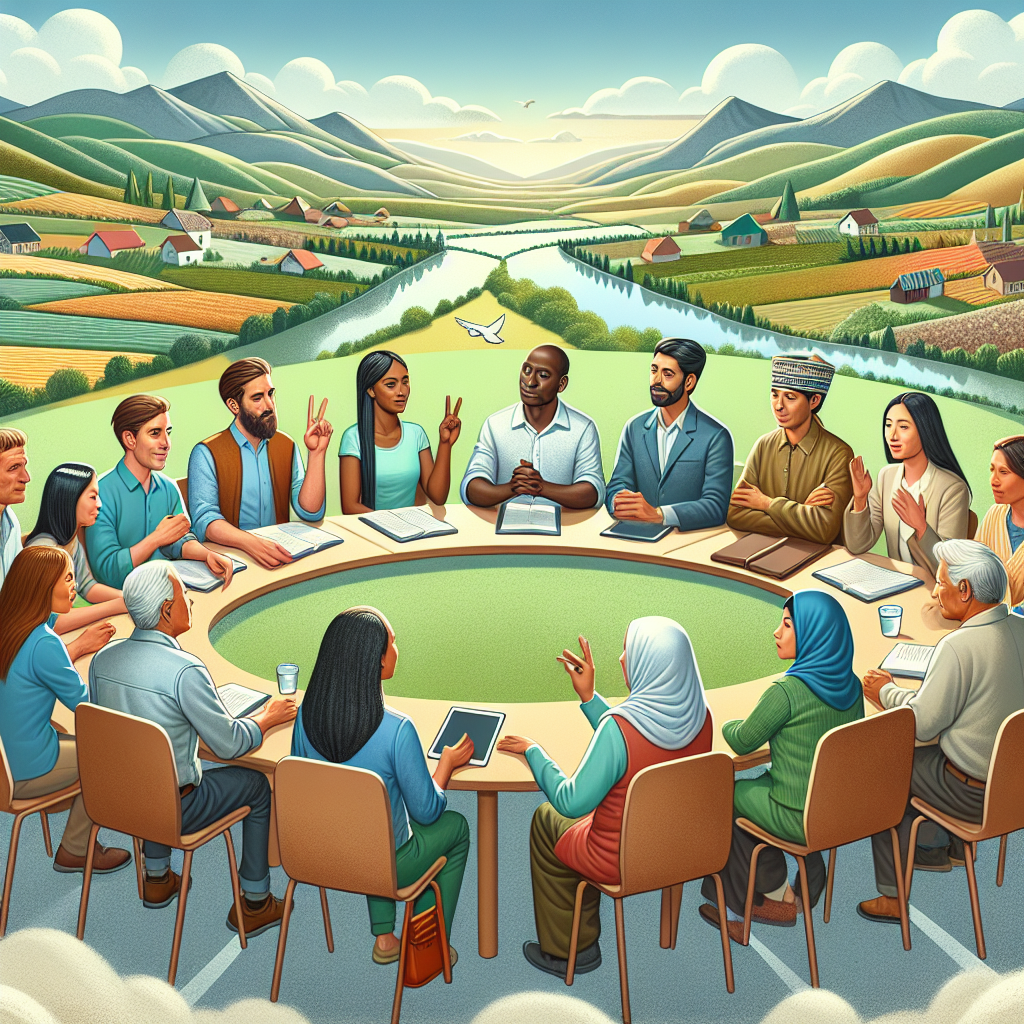
“Mastering Cross-Cultural Mediation Strategies”
“Resolving Multicultural Conflicts: Effective Methods”
Introduction
Cross-cultural mediation is the process of resolving conflicts between individuals or groups from different cultural backgrounds. In today’s diverse world, it is becoming increasingly important to have effective strategies for mediating conflicts in a culturally sensitive manner. This article will discuss key concepts and techniques for cross-cultural mediation and how they can promote understanding and resolution in multicultural conflicts.
Understanding Cross-Cultural Mediation
Cross-cultural mediation involves navigating complex cultural differences in order to find a mutually agreeable resolution to a conflict. It requires a deep understanding of the cultures involved, as well as the willingness to listen and communicate effectively with all parties.
One of the main challenges of cross-cultural mediation is the potential for misunderstandings due to cultural differences. Assumptions, biases, and cultural norms can all lead to misinterpretations and hinder the mediation process. Additionally, cultural differences can create power imbalances and make it difficult for conflicting parties to find common ground.
Cultural Competence in Mediation
Cultural competence is the ability to interact and communicate with people from different cultural backgrounds effectively. In cross-cultural mediation, cultural competence is crucial to understanding and addressing cultural differences and promoting a fair and successful mediation process.
Mediators with cultural competence are able to recognize and respect the cultural values, beliefs, and communication styles of all parties involved. They are also able to navigate cultural differences and find common ground for resolution.
Effective Communication in Cross-Cultural Mediation
Effective communication is essential in cross-cultural mediation. It involves not only verbal communication, but also nonverbal cues and active listening. However, in a cross-cultural setting, there may be communication barriers that can impede the mediation process.
These barriers can include language differences, different communication styles, and cultural norms. To overcome these barriers, mediators should encourage open and respectful communication, clarify any misunderstandings, and use interpreters or cultural brokers if necessary.
Cultural Awareness and Sensitivity
Cultural awareness and sensitivity are crucial in cross-cultural mediation. It involves understanding one’s own cultural biases and being sensitive to the cultural differences of others.
Mediators should be aware of their own cultural biases and be open to learning about other cultures. They should also be sensitive to cultural practices and beliefs that may differ from their own, and avoid imposing their own cultural values on the mediation process.
Negotiation Techniques in Multicultural Conflict Resolution
Negotiation is a key aspect of conflict resolution in a multicultural setting. It involves finding a mutually beneficial solution that takes into account the needs and perspectives of all parties involved.
In cross-cultural mediation, it is important to understand the cultural values and communication styles of each party in order to find a resolution that is acceptable to everyone. This may involve using compromise, finding common ground, or reframing the issue in a culturally sensitive way.
Addressing Power Imbalances
Power imbalances can often exist in cross-cultural conflicts, where one party may feel marginalized or ignored due to their cultural background. These imbalances can hinder the mediation process and make it difficult for all parties to feel heard and understood.
To address power imbalances, mediators should strive for equal participation and promote a safe and respectful environment for all parties. They should also be aware of potential power dynamics and work towards a fair and balanced resolution.
Importance of Mediator Neutrality
Mediator neutrality is a key principle in mediation, and it is especially important in cross-cultural mediation. It involves remaining impartial and unbiased towards all parties involved in the conflict, regardless of their cultural background.
In order to maintain neutrality, mediators should actively listen to all parties, refrain from making assumptions, and be sensitive to cultural differences and biases. This allows them to facilitate a fair and respectful mediation process.
Role of Cultural Values in Conflict Resolution
Cultural values play a significant role in how people handle conflicts. In cross-cultural mediation, it is important to understand and respect the cultural values of all parties involved in order to find a resolution that is acceptable to everyone.
Mediators should be aware that different cultures may have different approaches to conflict resolution, and they should be sensitive to these differences. By understanding and respecting cultural values, mediators can promote understanding and prevent conflicts from arising in the first place.
Conclusion
Cross-cultural mediation strategies and multicultural conflict resolution methods are essential in promoting understanding and resolving conflicts in today’s diverse world. By understanding the complexities of cross-cultural mediation, practicing cultural competence, and promoting effective communication and cultural awareness, mediators can help individuals and groups from different cultures find mutually agreeable resolutions to their conflicts.