

Case Studies in Elder Divorce Mediation
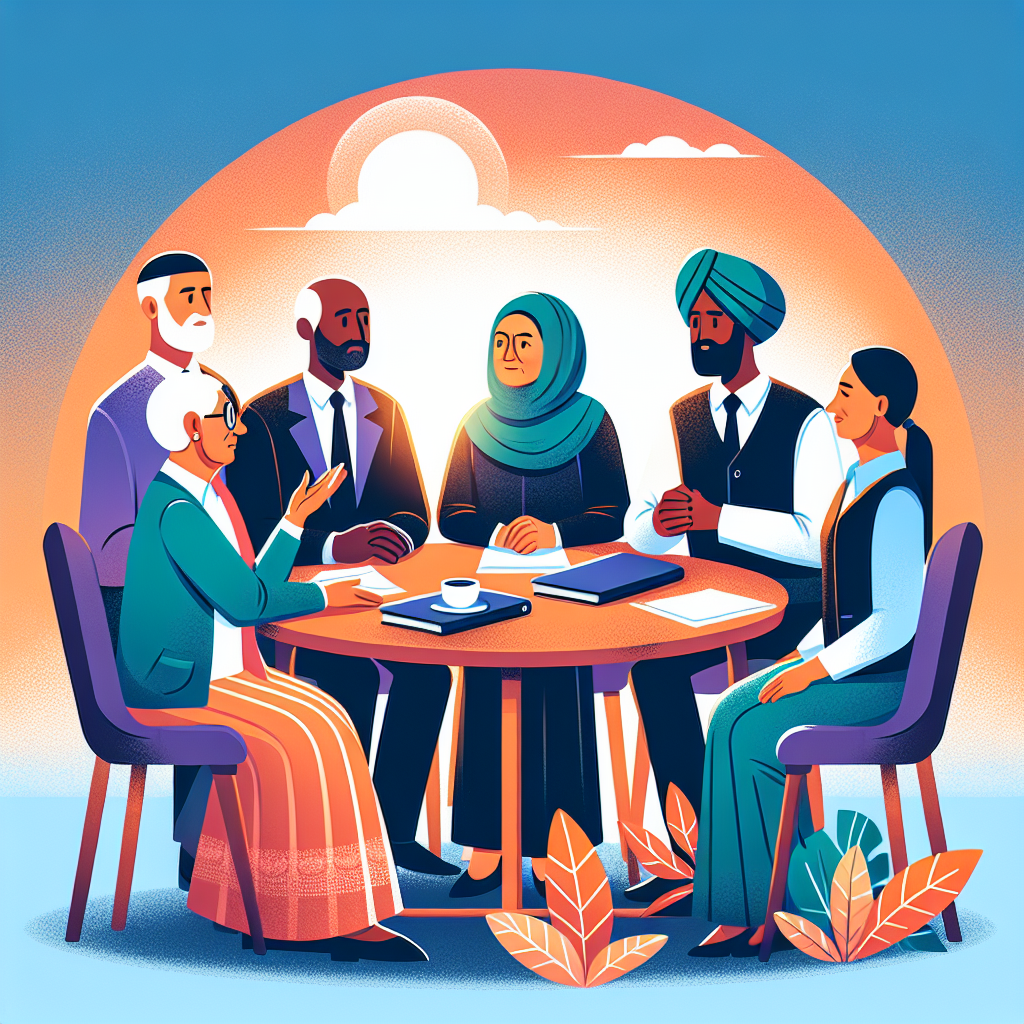
Unlocking Success: Senior Divorce Mediation Case Studies
Introduction to Senior Divorce Mediation
Elder divorce, also known as senior or gray divorce, refers to divorces that occur later in life, typically among couples over the age of 50. With the increasing lifespan and changing attitudes towards marriage and divorce, this demographic has seen a rise in the divorce rates in recent years. While divorce can be emotionally and financially challenging at any age, it can have unique implications for seniors, including retirement and healthcare concerns.
Divorce mediation is a process where a neutral third party, the mediator, facilitates communication and negotiation between the divorcing parties to reach a mutually agreed-upon settlement. This approach has gained popularity as a cost-effective and less adversarial alternative to traditional litigation. In the context of elder divorce, mediation can offer numerous benefits that make it a favorable option for couples looking to end their marriage amicably.
Benefits of Mediation for Seniors
There are several advantages to choosing mediation for elder divorce, including:
1. Cost-effective: Mediation is generally less expensive than going to court, as it eliminates the need for costly legal fees, court appearances, and lengthy proceedings.
2. Less stressful: Divorce can be an emotionally draining experience, and mediation provides a more collaborative and less confrontational environment for couples to discuss and resolve their issues.
3. Greater control: With mediation, the divorcing parties have more say in the outcome of their divorce, rather than leaving the decision-making to a judge.
4. Confidentiality: Mediation proceedings are confidential, allowing couples to discuss sensitive matters without the fear of public exposure.
5. Customized solutions: Mediation allows for more creative and individualized solutions that may better suit the needs of the divorcing parties, especially in cases involving complex financial or family matters.
Case Study 1: Aging Couple’s Amicable Divorce
John and Mary had been married for over 30 years and had grown apart over the years due to their busy careers and raising their children. As they approached retirement, they realized they no longer had much in common and wanted to end their marriage amicably. They were concerned about the potential financial and emotional toll of a litigated divorce.
They decided to try mediation and were able to come to an agreement on all issues, including division of assets, alimony, and parenting arrangements for their adult children. In mediation, they were able to communicate openly and honestly, and with the help of the mediator, they were able to focus on finding solutions rather than arguing over past resentments. The process was relatively quick, and they were able to save on legal fees, reach a fair settlement, and maintain a cordial relationship post-divorce.
Case Study 2: Protecting Retirement Assets in Divorce
James and Emily were a retired couple who had been married for 25 years. They had accumulated significant retirement savings, which they planned to use for their long-term care. However, they were unable to agree on how to divide these assets in their divorce proceedings. They were worried about the potential tax implications and the impact on their retirement plans.
They decided to try mediation and worked together with a financial mediator to come up with a fair division of their retirement assets. Through open communication and negotiating, they were able to find a solution that allowed both of them to maintain their desired lifestyle in retirement while also protecting their assets. This was a win-win situation for them and their family, and they were able to finalize their divorce without any further disputes.
The Role of Mediation in Resolving Family Conflicts
In addition to divorce, mediation can also be used to resolve other family conflicts that may arise during the divorce process or after the divorce is finalized. This includes issues such as child custody, visitation rights, and co-parenting arrangements. Mediation can help parents focus on the best interests of their children and come up with a personalized parenting plan that works for their family.
Moreover, in cases where there is tension and disagreement between adult children and their aging parents, mediation can be a helpful tool in facilitating communication and resolving conflicts. This can be especially beneficial in situations where families are dealing with inheritance issues or caregiving responsibilities for their elderly parents.
Case Study 3: Communication Improvement in Senior Couple’s Divorce
Harold and Susan had been married for 35 years and had grown increasingly distant over the years. They had difficulty communicating and were unable to come to an agreement on many issues, including division of assets and spousal support. They initially sought traditional litigation, but the process only made their communication worse.
They decided to try mediation and were able to work through their communication issues with the help of a mediator. They learned to listen to each other’s perspectives and prioritize their needs, leading to a more productive and amicable negotiation process. They were able to reach a settlement that met both of their needs and avoid a lengthy and contentious court battle.
Case Study 4: Successfully Navigating Grandparent Visitation Rights
Grandparent visitation rights can be a contentious issue in elder divorce cases, especially when one parent is denying the other’s family access to their grandchildren. In one case, the grandparents, Frank and Joan, had a close relationship with their grandchildren but were cut off from them when their son and daughter-in-law divorced. They feared losing their relationship with their grandkids and sought visitation rights through the court system.
However, the court process was slow and expensive, and the couple was still unable to see their grandchildren. They eventually turned to mediation and were able to work out a visitation schedule that both the parents and grandparents were comfortable with. By approaching the issue through mediation, the family was able to maintain a positive relationship while also protecting the best interests of the children.
The Importance of Considering Health and Wellness in Senior Divorce
Elder divorce can have a significant impact on the health and well-being of the individuals involved. This is especially true if one party is reliant on the other for healthcare coverage or if they have significant medical needs. Therefore, it is essential to consider these factors during the divorce process and come up with a plan to address any potential healthcare concerns.
In mediation, the divorcing parties can work together to find solutions that meet their healthcare needs without compromising their financial stability. For example, in cases where one spouse may need long-term care, the couple can discuss options such as using a portion of their assets to purchase long-term care insurance or setting up a trust to cover the cost of future medical expenses.
Case Study 5: Finding Common Ground in Complex Property Division
Robert and Linda had been married for 40 years and had accumulated significant wealth during their marriage. They owned multiple properties, had investments and retirement accounts, and a valuable art collection. They were unable to agree on how to divide their assets in their divorce.
During mediation, they worked with a financial mediator who helped them evaluate the value of their assets and develop a plan for dividing them. The mediator also helped them consider the tax implications of their decisions and find ways to minimize their tax burden. Through mediation, they were able to reach a fair and equitable division of their property without the need for costly litigation.
The Value of Senior Divorce Mediation
Elder divorce can be a challenging and complex process, but mediation can offer a more peaceful and efficient way to end a marriage. It allows couples to maintain control over their divorce and find solutions that work for their unique situation. By considering the benefits and success stories of elder divorce mediation, couples can make an informed decision and choose a process that prioritizes their well-being and future stability.
Challenges of Mediating High-Asset Elder Divorces

Navigating High-Asset Elder Divorce: Expert Challenges
Introduction to High-Asset Elder Divorce Challenges
In recent years, there has been a significant increase in the number of older couples getting divorced. This phenomenon, known as “gray divorce,” poses unique challenges and considerations, particularly when significant assets are involved. Mediating high-asset elder divorces can be a complex and emotionally charged process that requires careful navigation and planning.
Understanding the Unique Challenges of High-Asset Elder Divorce
Mediating high-asset elder divorces comes with its own set of challenges and considerations. Unlike younger couples, elderly couples have likely accumulated significant wealth and assets over the years, making the division of property and finances a more complex and potentially contentious issue.
Furthermore, the emotional toll of divorce can be even more significant for older couples who have spent a significant portion of their lives together. This can lead to heightened emotional distress and difficulty in reaching agreements during mediation.
Additionally, elderly individuals may also have health complications and concerns that need to be taken into account during the divorce process. All of these factors make high-asset elder divorces a unique and challenging situation for all parties involved.
Navigating Complex Financial Arrangements in High-Asset Elder Divorces
One of the most significant challenges in mediating high-asset elder divorces is the complexity of financial arrangements. These may include multiple properties, different types of investments, and retirement accounts, all of which need to be carefully evaluated and divided.
In some cases, one spouse may have been the primary earner while the other managed the household and may not have a clear understanding of the couple’s financial situation. This can lead to additional complications during mediation, as both parties may have different expectations and ideas about how to divide their assets.
It is essential to have a thorough understanding of the couple’s financial situation to ensure a fair and equitable division of assets during mediation. This may require the assistance of financial experts and attorneys to assess and value assets accurately.
Protecting Retirement Savings in High-Asset Elder Divorces
One of the most critical considerations in high-asset elder divorces is the protection of retirement savings. Divorce can have a significant impact on retirement plans, and it is crucial to carefully consider how these assets will be divided.
In some cases, a couple’s retirement funds may be one of their most significant assets, and dividing them can be a complicated and contentious issue. Factors such as the length of the marriage, contributions made by each spouse, and potential future earnings may all need to be taken into account when dividing retirement savings.
It is also essential to consider the tax implications of dividing retirement accounts and how this may affect each spouse’s financial future. Seeking the guidance of a financial planner or accountant can be beneficial in navigating this complex aspect of high-asset elder divorces.
Division of Real Estate and Property in High-Asset Elder Divorces
Real estate and property division can also present challenges in high-asset elder divorces. Many couples may have multiple properties, including vacation homes or investment properties, which need to be evaluated and divided fairly during mediation.
Additionally, older couples may have a sentimental attachment to their family home, making it difficult to determine who keeps the property or how it will be divided. It is essential to consider not only the monetary value of the property but also the emotional attachment and future living arrangements of both parties.
In some cases, a prenuptial agreement may be in place, which can outline the division of property in case of divorce. However, even with a prenup, there may still be room for negotiation and compromise during mediation.
Alimony and Spousal Support Considerations in High-Asset Elder Divorces
Alimony, also known as spousal support, is another significant consideration in high-asset elder divorces. In many cases, one spouse may have been financially dependent on the other for a significant portion of their marriage, making alimony payments a crucial aspect of the divorce settlement.
Elderly individuals may have a higher likelihood of requiring financial support due to health complications or reduced earning potential. It is essential to consider the long-term financial needs of both parties and their ability to maintain their standard of living after the divorce.
Negotiating alimony and spousal support payments can be a complex and sensitive issue, and it is crucial to have a thorough understanding of each spouse’s financial situation and needs. Seeking the guidance of a financial expert or attorney can be beneficial in determining a fair and sustainable alimony arrangement.
Addressing Healthcare and Insurance Concerns in High-Asset Elder Divorces
Healthcare and insurance concerns are also essential considerations in high-asset elder divorces. Older individuals may have specific health needs and may rely on their spouse’s insurance coverage for medical expenses.
During mediation, it is crucial to determine how healthcare and insurance coverage will be handled after the divorce, as this can significantly impact each spouse’s financial stability. In some cases, one spouse may need to continue providing insurance coverage for the other, and this may need to be factored into the alimony agreement.
It is also essential to discuss potential long-term care needs and how these will be addressed in the divorce settlement. This may include considerations for nursing home care or in-home healthcare expenses.
Emotionally Preparing for a High-Asset Elder Divorce
Divorce can be an emotionally challenging process, and this is especially true for older couples who have spent a significant portion of their lives together. Before beginning the mediation process, it is crucial to emotionally prepare for the challenges that may arise.
This may involve seeking therapy or support from friends and family to help navigate the emotional aspects of divorce. It is also essential to approach the mediation process with an open mind and a willingness to compromise in order to reach a fair and mutually agreeable settlement.
Seeking Legal Counsel for High-Asset Elder Divorce Proceedings
Given the complexity and sensitivity of high-asset elder divorces, it is crucial to seek legal representation during the mediation process. An experienced attorney can provide guidance and support in navigating the various challenges and considerations that may arise.
They can also ensure that your rights and interests are protected and help you reach a fair and equitable settlement. Additionally, attorneys can assist in the preparation and review of legal documents, such as prenuptial agreements and other financial arrangements, to ensure your best interests are represented.
Conclusion: Understanding the Importance of Proper Planning in High-Asset Elder Divorces
Mediating high-asset elder divorces can be a complex and emotionally charged process, but with proper planning and guidance, it is possible to reach a fair and sustainable settlement for all parties involved.
It is essential to understand the unique challenges and considerations of high-asset elder divorces, such as complex financial arrangements, protecting retirement savings, and addressing healthcare and insurance concerns.
Seeking legal counsel and emotionally preparing for the divorce process can also be crucial in ensuring a successful outcome. With the right support and approach, it is possible to navigate the challenges of high-asset elder divorces and move forward towards a brighter future.
Cultural Sensitivity in Elder Divorce Mediation

Cultural Sensitivity in Elder Divorce Mediation: A Must-Have for Successful Resolutions
Understanding the Importance of Cultural Sensitivity in Elder Divorce Mediation
Elder divorce mediation can be a complex and emotionally charged process, and it becomes even more challenging when cultural factors are involved. As the population ages and becomes more diverse, the need for cultural sensitivity in elder divorce mediation is becoming increasingly important. In order to effectively mediate these cases, mediators must have a deep understanding of cultural differences and how they can impact the mediation process.
Defining Cultural Sensitivity in the Context of Elder Divorce Mediation
Before delving into the importance of cultural sensitivity in elder divorce mediation, it is important to define what exactly we mean by “cultural sensitivity” in this context. Cultural sensitivity refers to the ability to recognize and respect the beliefs, norms, and values of different cultures, and to use this understanding to effectively communicate and mediate between individuals from diverse backgrounds. In elder divorce mediation, cultural sensitivity involves acknowledging and addressing the unique cultural factors that may influence the mediation process and the outcome.
Why Cultural Sensitivity is Essential in Mediating Elder Divorce Cases
Mediators must be sensitive to the cultural backgrounds of the parties involved in order to effectively mediate elder divorce cases. Cultural differences can significantly impact the way individuals perceive and approach divorce, and without cultural sensitivity, mediators may struggle to understand the underlying motivations and concerns of the parties. This can lead to misunderstandings, conflicts, and ultimately, an unsuccessful mediation process.
Furthermore, divorce can be a particularly sensitive and emotional issue for older individuals, who may have been married for decades and have a strong attachment to their cultural identity. Without proper understanding and sensitivity towards their cultural background, mediators may unintentionally cause further distress and strain the mediation process. This can also lead to a breakdown in communication and an inability to reach a mutually agreeable settlement.
The Role of Cultural Competence in Elder Divorce Mediation
Cultural competence is closely related to cultural sensitivity and is a vital aspect of effective elder divorce mediation. Cultural competence goes beyond mere sensitivity and involves actively seeking to understand and incorporate cultural differences into the mediation process. This includes the ability to communicate effectively with individuals from different cultural backgrounds, as well as the ability to adapt mediation strategies to meet the needs and expectations of diverse parties.
Having cultural competence as a mediator allows for a deeper understanding of the parties’ needs and concerns and can help to build trust and rapport with the individuals involved. This, in turn, can lead to a more successful mediation process and a more satisfactory resolution for all parties.
Common Cultural Factors to Consider in Elder Divorce Cases
When mediating elder divorces, there are several cultural factors that mediators should be aware of and take into consideration:
- Religious beliefs: Religion plays a significant role in the lives of many older individuals, and it can greatly influence their attitudes towards divorce. Mediators must be respectful and understanding of the parties’ religious beliefs and how they may impact their views on divorce.
- Family values: The concept of family differs across cultures, and mediators must be aware of this when mediating elder divorces. Some cultures prioritize the family unit above all else, while others may have a more individualistic perspective. This can greatly impact the parties’ motivations and expectations during the mediation process.
- Language barriers: Language barriers can create significant challenges in elder divorce mediation, especially for older individuals who may not be fluent in the dominant language. Mediators must be aware of this and provide accommodations, such as interpreters, to ensure effective communication.
- Traditions and customs: Cultures have unique traditions and customs surrounding marriage and divorce, and these can have a significant impact on the mediation process. Mediators must be sensitive to these practices and be willing to adapt their approach accordingly.
- Generational differences: In many cultures, older individuals hold a highly respected and authoritative role in the family. This can create challenges in mediation when dealing with inter-generational disputes. Mediators must understand these dynamics and find ways to effectively address them.
Overcoming Cultural Barriers in Elder Divorce Mediation
Cultural differences can sometimes create barriers in elder divorce mediation, making it difficult to reach a resolution. However, with the right approach, these barriers can be overcome. Here are some strategies for mediators to effectively address cultural barriers:
- Be aware of your own biases: It is important for mediators to be self-aware and recognize their own biases and assumptions. This can help to avoid projecting these biases onto the mediation process and the parties involved.
- Encourage open communication: Mediators should create a safe and open environment for the parties to communicate openly and honestly. This can help to identify and address any cultural barriers that may arise during the mediation process.
- Be flexible and adaptable: Each culture has its own unique values and norms, and mediators must be willing to adapt their approach to accommodate these differences. This may involve using different communication styles or finding creative solutions that are culturally appropriate.
- Consider involving cultural experts: In some cases, it may be beneficial to involve cultural experts, such as community leaders or religious leaders, in the mediation process. These individuals can provide valuable insight and help to bridge any cultural gaps that may arise.
Strategies for Culturally Sensitive Communication in Elder Divorce Mediation
Communication is a critical component of elder divorce mediation, and it is essential for mediators to communicate in a culturally sensitive manner. Here are some strategies for effective and sensitive communication in elder divorce mediation:
- Use clear and simple language: Mediators should avoid using complex legal jargon or technical language that may be difficult for individuals from diverse cultural backgrounds to understand.
- Listen actively: Active listening involves not only hearing what the parties are saying but also understanding their underlying motivations and concerns. Mediators should listen carefully and ask clarifying questions to ensure they have a full understanding of the parties’ perspectives.
- Show respect and empathy: Elder divorce can be a difficult and emotional process, and it is essential for mediators to show respect and empathy towards the parties. This can help to build trust and create a more positive and productive mediation environment.
- Be mindful of nonverbal cues: In some cultures, nonverbal cues, such as body language and tone of voice, carry significant meaning. Mediators should be aware of these cultural differences and be mindful of their own nonverbal cues to ensure effective communication.
- Be patient and understanding: Mediating cultural differences takes time and patience. Mediators should be understanding of the parties’ cultural backgrounds and be patient in working towards a resolution that is sensitive to these differences.
Incorporating Cultural Sensitivity into the Mediation Process
Cultural sensitivity should be incorporated into every stage of the mediation process to ensure the best possible outcome for all parties involved. Here are some ways mediators can integrate cultural sensitivity into the mediation process:
- Pre-mediation: Before the mediation process begins, mediators should gather information about the parties’ cultural backgrounds and any potential cultural issues that may arise. This can help to prepare and tailor their approach accordingly.
- Opening statements: During the opening statements, mediators should emphasize the importance of cultural sensitivity in the mediation process and explain how they plan to incorporate it into the proceedings.
- Joint sessions: During joint sessions, mediators should encourage open and respectful communication between the parties, taking into account cultural differences and sensitivities.
- Private sessions: In private sessions, mediators should use their cultural competence to understand the parties’ motivations and concerns, and work towards finding common ground and reaching a mutually agreeable settlement.
- Agreement drafting: When drafting the final agreement, mediators should be mindful of cultural differences and ensure that the agreement is culturally appropriate and sensitive to the parties’ needs and beliefs.
Addressing Cultural Differences in Elder Divorce Settlements
In some cases, cultural differences may make it challenging to reach a mutually agreeable settlement in elder divorce mediation. In such situations, mediators must be creative and proactive in finding solutions that are culturally acceptable to both parties. This may involve seeking the assistance of cultural experts or finding alternative dispute resolution methods that are more suitable for the parties’ cultural backgrounds.
The Future of Cultural Sensitivity in Elder Divorce Mediation
As the population continues to age and becomes more diverse, the need for cultural sensitivity in elder divorce mediation will only increase. It is essential for mediators to recognize the importance of cultural competence and to continuously educate themselves on cultural differences and how to effectively address them in the mediation process. By doing so, mediators can help to facilitate more successful and respectful mediation outcomes for older individuals going through a divorce.
Elder Abuse and Exploitation Concerns
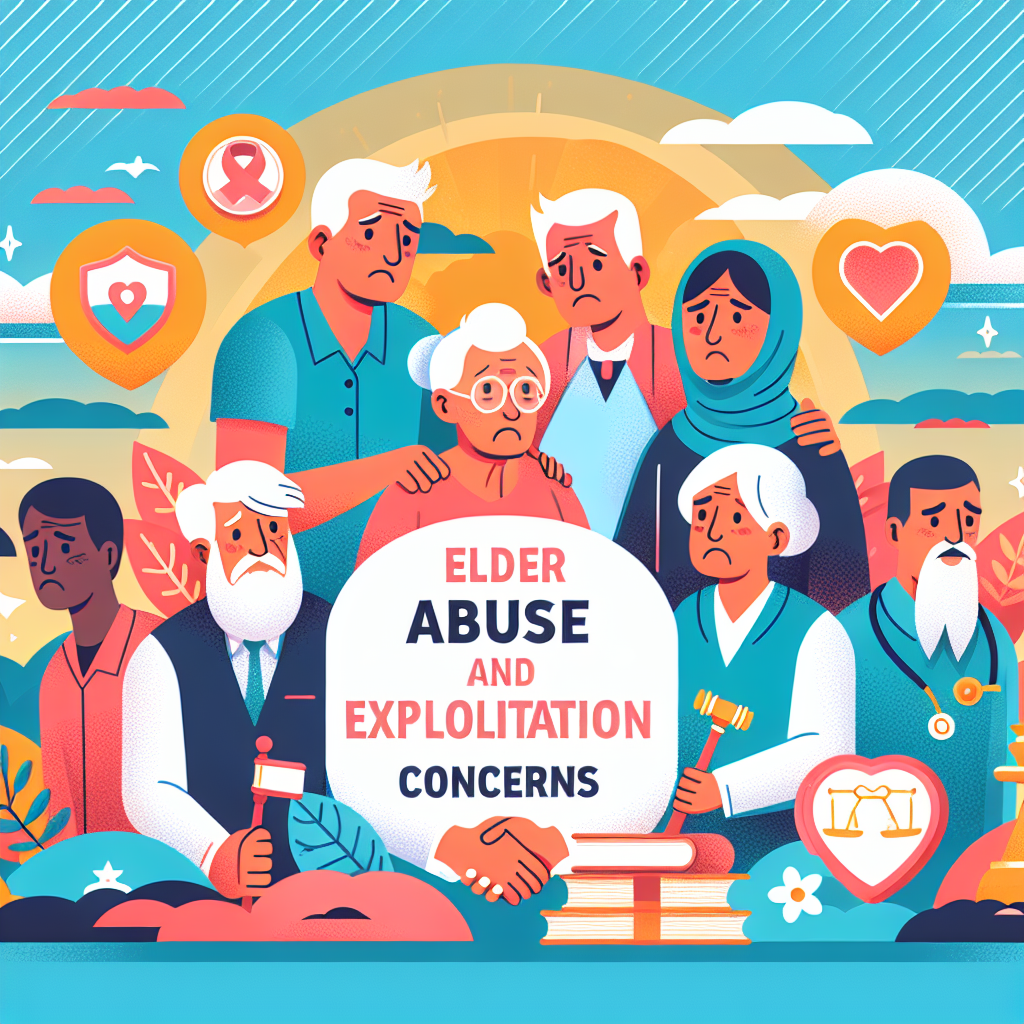
Protecting Seniors: Preventing Elder Abuse and Financial Exploitation
Understanding Elder Abuse and Financial Exploitation
Elder abuse and financial exploitation are serious concerns that affect many senior citizens and vulnerable populations. They refer to the mistreatment or exploitation of older adults, often in the form of physical, emotional, sexual, or financial abuse.
According to the National Council on Aging, around 1 in 10 Americans aged 60+ have experienced some form of elder abuse. This number is likely to be much higher as many cases go unreported. Elder abuse can occur in various settings, including homes, nursing homes, hospitals, and even in public places.
Financial exploitation, on the other hand, is a type of elder abuse that specifically targets an individual’s financial resources. This can include scams, theft, misuse of assets, and coercion to gain control over the person’s money or property. It is estimated that older adults lose around $36.5 billion each year due to financial exploitation.
Impact of Elder Abuse and Financial Exploitation
The impact of elder abuse and financial exploitation can be devastating, both for the victims and their families. Not only does it cause physical and emotional harm, but it also has severe financial consequences. Many older adults rely on their savings and assets to support themselves in their golden years, and when these resources are taken or misused, they are left vulnerable and struggling to make ends meet.
Elder abuse and financial exploitation can also have long-term effects on the mental and physical health of older adults. Victims may experience anxiety, depression, and post-traumatic stress disorder (PTSD). They may also be at a higher risk of developing medical conditions such as hypertension, heart disease, and diabetes.
Besides the personal impact, elder abuse and financial exploitation also have a significant societal cost. As the elderly population continues to grow, the prevalence of elder abuse is also expected to increase. This not only puts a strain on healthcare and legal systems but also affects the overall well-being of our aging population.
Identifying Signs of Elder Abuse and Financial Exploitation
Elder abuse and financial exploitation can take many forms and may not always be easy to spot. However, there are some common signs that may indicate that an older adult is being mistreated or financially exploited.
Physical abuse: Unexplained bruises, cuts, burns, or other injuries may be a sign of physical abuse. Be aware of any changes in the person’s behavior, such as fear or agitation, and any reluctance to discuss injuries.
Emotional abuse: Emotional abuse can be harder to detect but may manifest as changes in mood or behavior, social withdrawal, or unexplained changes in financial habits.
Sexual abuse: Signs of sexual abuse may include unexplained genital or anal injuries, unexplained sexually transmitted infections, and changes in behavior around certain individuals.
Financial exploitation: Look out for sudden changes in the person’s financial situation, such as missing money or valuables, unexplained bank withdrawals or transfers, and new or changed wills or power of attorney.
Neglect: Neglect occurs when a caregiver fails to meet the basic needs of the older adult, such as food, shelter, clothing, and medical care. Signs of neglect may include poor hygiene, malnutrition, and untreated medical conditions.
Common Perpetrators of Elder Abuse and Financial Exploitation
Elder abuse and financial exploitation can be carried out by anyone, including family members, caregivers, friends, and even strangers. However, certain groups are more likely to perpetrate these crimes.
Caregivers: Sadly, the people who are supposed to care for and protect older adults are also the ones who may abuse or exploit them. Caregivers may be family members, professional caregivers, or even volunteers.
Family members: In some cases, family members may take advantage of their older loved ones. This can happen when there is a power imbalance, such as when the older adult is dependent on the family member for care or financial support.
Strangers: Scammers and fraudsters often target older adults, seeing them as easy targets. They may use various tactics, such as pretending to be a grandchild in need of money or offering fake investment opportunities.
Professionals: Unfortunately, there have been cases of professionals, such as lawyers, financial advisors, and healthcare workers, exploiting their older clients for financial gain.
Strategies to Prevent Elder Abuse and Financial Exploitation
The best way to combat elder abuse and financial exploitation is through prevention. By taking proactive measures, we can create a safer environment for older adults and reduce their risk of becoming victims.
Educate and raise awareness: One of the most effective ways to prevent elder abuse is by educating older adults, caregivers, and the community about the signs, risk factors, and ways to prevent and report abuse. This can be done through workshops, seminars, and community outreach programs.
Stay connected: Isolation can make older adults more susceptible to abuse and exploitation. By staying connected with our aging loved ones, we can detect any changes in their behavior or financial situation and intervene if necessary.
Encourage financial literacy: Older adults who are more financially literate are less likely to fall victim to scams or financial exploitation. Encourage your loved ones to stay informed about their finances and to consult with a trusted advisor before making any major financial decisions.
Screen caregivers: If hiring a caregiver for an older adult, make sure to thoroughly screen them, including background checks and references. Stay involved in the caregiving process and look out for any warning signs of abuse or exploitation.
Report any suspicions: If you suspect that an elderly person is being abused or exploited, it is crucial to report it to the appropriate authorities. This can include adult protective services, law enforcement, or the long-term care ombudsman.
Legal Protection and Resources for Victims of Elder Abuse and Financial Exploitation
Victims of elder abuse and financial exploitation are not alone. There are legal protections and resources available to help them seek justice and regain control over their lives.
State laws and regulations: Each state has laws and regulations in place to protect older adults from abuse and exploitation. These laws may cover physical abuse, financial exploitation, neglect, and other forms of mistreatment.
Adult protective services (APS): APS agencies are responsible for investigating and intervening in cases of elder abuse and neglect. They can also assist victims in accessing services and resources to ensure their safety and well-being.
Law enforcement: In cases of physical or sexual abuse, law enforcement should be contacted immediately. They can investigate the situation and take necessary legal action against the perpetrator.
Civil court: Victims of elder abuse and financial exploitation may also seek justice through civil court. This can include filing for a restraining order, seeking restitution for financial losses, or pursuing a civil lawsuit against the perpetrator.
Legal aid organizations: There are legal aid organizations that provide free or low-cost legal services to older adults who have been victims of abuse or exploitation. They can assist in navigating the legal system and advocating for the victim’s rights.
Educating Seniors and Caregivers about Elder Abuse and Financial Exploitation
Prevention also involves educating and empowering older adults and caregivers to protect themselves and their loved ones from abuse and exploitation.
Know the warning signs: Seniors and caregivers should be aware of the warning signs of elder abuse and financial exploitation. By knowing what to look out for, they can take action before it escalates.
Stay informed about scams and frauds: Scammers are constantly coming up with new ways to target vulnerable populations. By staying informed about the latest scams and frauds, older adults can better protect themselves and their finances.
Be cautious with personal information: Caregivers and older adults should be cautious about sharing personal information, such as bank account numbers, social security numbers, and passwords. This information should only be shared with trusted individuals and institutions.
Know your rights: As an older adult, you have the right to be treated with respect and dignity. Know your rights and don’t be afraid to stand up for yourself if you feel that they have been violated.
Importance of Reporting Elder Abuse and Financial Exploitation
Reporting elder abuse and financial exploitation is crucial to protect the victim and prevent further harm. It also sends a message that these crimes will not be tolerated and may discourage others from committing them.
Victims may be hesitant to report abuse or exploitation due to fear, shame, or embarrassment. They may also be dependent on the perpetrator for care or financial support. However, it is essential to recognize that reporting not only benefits the victim but also protects other vulnerable individuals from becoming victims in the future.
If you suspect that someone you know is being abused or exploited, it is your moral and ethical responsibility to report it. By doing so, you may be saving someone’s life and preventing them from suffering further harm.
How to Support and Advocate for Elder Abuse and Financial Exploitation Victims
If you know someone who has been a victim of elder abuse or financial exploitation, there are ways you can support and advocate for them.
Listen and believe: Victims of abuse may be hesitant to open up about their experiences. Be a supportive listener and believe them when they disclose their abuse.
Encourage them to seek help: Offer to help the victim seek support and resources, such as contacting adult protective services or a legal aid organization.
Help them access counseling: Victims of abuse may benefit from counseling to cope with the trauma they have experienced. Offer to help them find a therapist or support group in their area.
Be patient and understanding: Recovery from elder abuse and financial exploitation takes time. Be patient with the victim and offer them understanding and support as they heal.
Creating a Safer Environment for Older Adults
Elder abuse and financial exploitation are serious concerns that require our attention and action. By understanding the signs, educating ourselves and others, and reporting any suspicions, we can create a safer environment for older adults.
It is our responsibility to protect and support our aging population, and we must work together to prevent and address these forms of mistreatment. Let’s raise awareness and take action to ensure that all older adults can age with dignity and respect.
Emotional and Psychological Aspects of Elder Divorce

Managing Senior Divorce Emotions: Key Psychology Tips
Understanding the Unique Emotional Challenges of Senior Divorce
Divorce is a difficult process for individuals of any age, but it can be particularly challenging for seniors. Elder divorce, also known as silver divorce or separation in old age, refers to the dissolution of marriage among individuals who are over the age of 50. This demographic has been experiencing a significant increase in divorce rates, with the number of divorces among people aged 65 and older more than doubling in the past 20 years.
While there are various reasons for this rise, such as longer life expectancy and changing attitudes towards marriage, the emotional and psychological impact of elder divorce cannot be overlooked. Older individuals are likely to face unique challenges and have different coping mechanisms compared to younger people going through a divorce. Let’s explore the emotional and psychological aspects of senior divorce and how individuals can navigate through this difficult time.
Examining the Impact of Divorce on Elderly Individuals
Divorce can have a significant impact on an individual’s mental and emotional well-being, regardless of age. However, for seniors, this impact may be compounded by other factors such as retirement, health issues, and changes in social roles. The end of a long-term marriage can also bring feelings of loss and grief, as individuals may mourn the loss of their partner, their shared history, and their plans for the future.
Elder divorce can also bring financial concerns, as older individuals may have to divide their assets and find ways to support themselves without their former spouse. This can be particularly challenging for seniors who may have limited income and resources. These changes can cause a significant amount of stress and anxiety, contributing to the emotional toll of divorce for elderly individuals.
Coping Mechanisms for Seniors Going Through a Divorce
When facing the emotional and psychological challenges of elder divorce, it is crucial for individuals to have healthy coping mechanisms. One effective strategy is to seek support from family and friends. Having a strong support system can provide a sense of comfort and help individuals feel less alone during this difficult time.
Engaging in self-care activities such as exercise, hobbies, and relaxation techniques can also help individuals manage their emotions and improve their overall well-being. Seeking professional counseling or therapy can also be beneficial, as it provides a safe space to process feelings and work through the challenges of divorce.
Navigating Mental Health Concerns During Elderly Divorce
Divorce can be a triggering event for individuals who have underlying mental health concerns. For seniors, this may include depression, anxiety, or other mood disorders. The stress and emotional upheaval of elder divorce can exacerbate these issues and lead to more significant mental health challenges.
It is essential for individuals to prioritize their mental health during and after a divorce. This may involve seeking support from a mental health professional, taking prescribed medications, and practicing self-care activities. Family and friends can also play a crucial role in providing emotional support and helping seniors navigate any mental health concerns that may arise during the divorce process.
The Role of Family Support in Senior Divorce
Families play a significant role in the well-being of seniors going through a divorce. Adult children may experience their own emotional challenges as they witness their parents’ marriage come to an end. It is essential for family members to provide support and understanding to their elderly loved ones during this time.
Family members can also assist in practical matters, such as helping their parents with legal and financial decisions, or providing assistance with household tasks. This support can help alleviate some of the stress and emotional burden that seniors may face during the divorce process.
Financial Considerations for Divorcing Seniors
Divorce can have a significant financial impact on individuals, and this is especially true for seniors. Older adults may have to divide their assets, including retirement funds and property, which can lead to financial uncertainty. This can be particularly challenging for individuals who may have limited income and resources.
It is essential for seniors going through a divorce to carefully consider their financial situation and make informed decisions with the help of a financial planner or advisor. This can help ensure that individuals are financially stable and can support themselves in the years following the divorce.
The Importance of Legal Representation for Elderly Divorce
Divorce can be a complex and emotionally charged process, and this is no different for seniors. It is crucial for individuals to seek legal representation from a lawyer who has experience in elder divorce. An attorney can provide guidance and ensure that individuals’ rights are protected throughout the divorce process.
Having a legal representative can also help lessen the emotional burden for seniors, as they do not have to navigate the legal aspects of divorce on their own. A lawyer can also provide objective advice and help individuals make decisions that are in their best interest.
Addressing Loneliness and Isolation After Senior Divorce
Divorce can bring feelings of loneliness and isolation, especially for seniors who may have lost their partner and social connections. It is crucial for individuals to actively seek out social support and stay connected with family and friends during this time.
Seniors can also make an effort to join social groups, volunteer, or participate in activities that interest them. This can help them build new connections and find a sense of purpose and fulfillment in their lives after divorce.
Moving Forward: Finding Happiness and Purpose After Divorce
Divorce can be a challenging and emotional experience, but it also offers a new beginning for individuals. After the initial period of adjustment, seniors can focus on creating a fulfilling and happy life for themselves.
This can involve setting new goals and finding new hobbies or activities that bring joy and meaning to their lives. Seniors can also use their experience to help others going through a similar situation, whether it be through volunteering or offering support and guidance to friends and family members.
Embracing the Next Chapter in Life After Senior Divorce
Elderly divorce is a complex and emotionally charged process that can have a significant impact on an individual’s mental and emotional well-being. It is essential for seniors to prioritize their mental health and seek support from family, friends, and professionals during this time. With the right coping mechanisms and support, individuals can navigate through the emotional and psychological challenges of divorce and embrace the next chapter in their lives with happiness and purpose.
Estate Planning and Elder Divorce
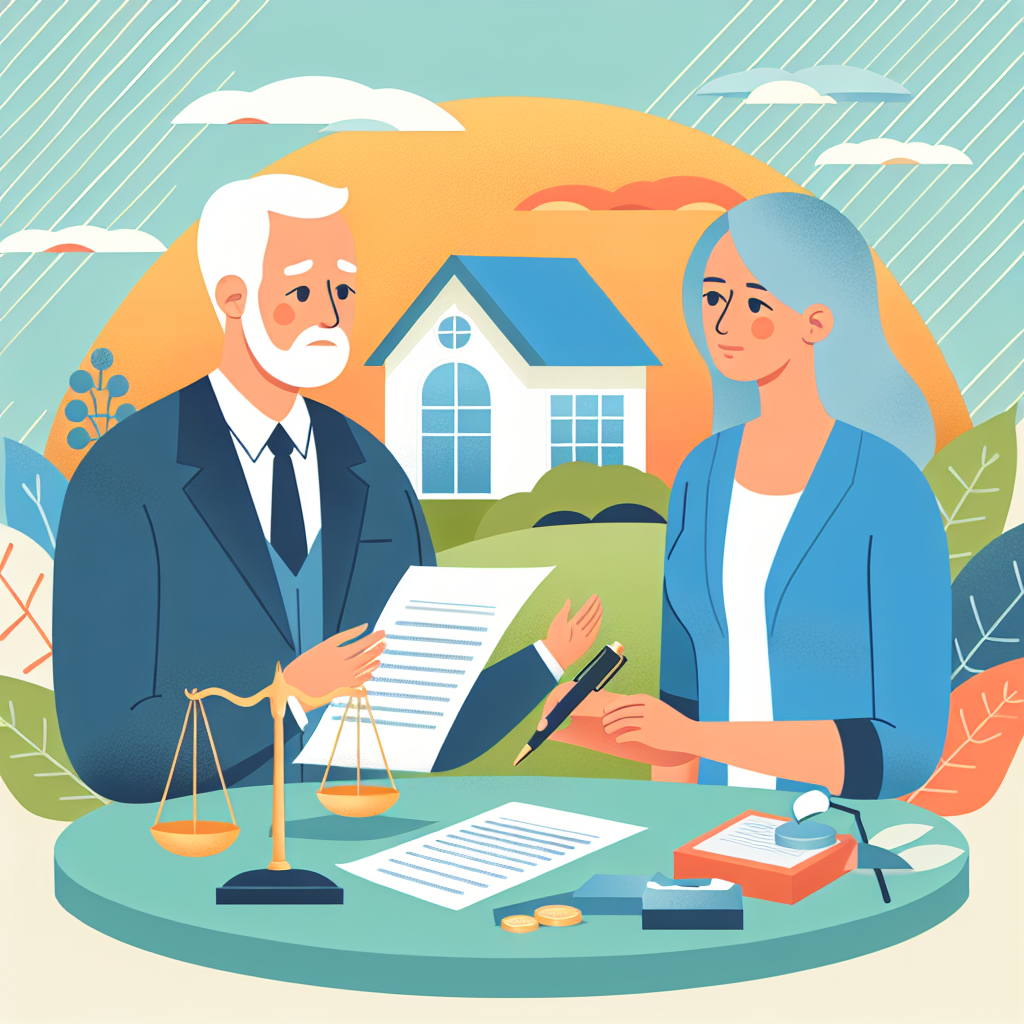
Elder Divorce and Estate Planning: A Comprehensive Guide
Introduction
Estate planning is an important process for individuals of all ages, but it becomes even more crucial as we enter our golden years. However, life can be unpredictable and many older adults may find themselves facing a difficult decision – divorce. In this article, we will explore the unique challenges and considerations that come with estate planning for elder divorce.
Elder Divorce Planning
Elder divorce, also known as gray divorce, refers to the dissolution of marriage among couples aged 50 and above. While divorce rates have been declining in recent years, the trend seems to be the opposite for older adults. In fact, according to a study by the Pew Research Center, the divorce rate for adults over 50 has doubled since the 1990s.
One of the major concerns for individuals going through an elder divorce is the division of assets. This is where estate planning becomes crucial. Without a proper estate plan, a divorce can have a significant impact on an individual’s finances and retirement plans.
Estate Planning for Divorce
Estate planning involves creating a plan for the distribution of assets and property after a person’s death. However, in the case of a divorce, it also includes considering the distribution of assets during the individual’s lifetime.
One of the first steps in estate planning for divorce is to review and update any existing estate planning documents, such as wills, trusts, and powers of attorney. This is important to ensure that the intended beneficiaries and distribution of assets are still aligned with the individual’s wishes.
In some states, a divorce may automatically invalidate any existing will or trust that names a former spouse as a beneficiary or executor. However, it is still recommended to update these documents to avoid any potential legal challenges.
Additionally, it is important to review and update any beneficiary designations on retirement accounts, life insurance policies, and other financial accounts. If these documents are not updated, the former spouse may still be entitled to a portion of the assets, even after the divorce.
Elder Law and Divorce
Elder law is a branch of law that focuses on legal issues that are specific to the aging population. These can include estate planning, Medicare and Social Security benefits, long-term care, and more.
In the case of elder divorce, it is important to work with an attorney who is well-versed in both elder law and family law. This will ensure that all legal considerations, such as spousal support and division of assets, are taken into account.
Additionally, an elder law attorney can provide guidance on any unique considerations that may arise during a divorce for older adults. For example, they may advise on how to protect retirement accounts and other assets, as well as navigate the emotional and familial dynamics involved in an elder divorce.
Estate Planning for Seniors
Even if an individual is not going through an elder divorce, estate planning is still crucial for seniors. As we age, our needs and priorities may change, and it is important to have a plan in place to ensure that our wishes are carried out.
Some key elements of estate planning for seniors include creating a will, establishing a trust, and designating powers of attorney for medical and financial decisions. These documents can help ensure that an individual’s wishes are carried out in the event of incapacity or death.
Additionally, seniors may want to consider creating a long-term care plan as part of their estate planning. This can include options for in-home care, assisted living facilities, and nursing homes, as well as how to pay for these expenses.
Elder Divorce Settlement
Divorce settlements involve the division of assets, debts, and other property between the two parties. In the case of an elder divorce, this can be more complex due to the longer period of time the couple has spent together and the potential for retirement and other assets to be involved.
It is important for individuals going through an elder divorce to understand the financial implications of any settlement agreements. This may include considering the tax consequences of different settlement options and how they may impact retirement plans.
Working with a financial advisor can be beneficial during this process to ensure that the split of assets is fair and sustainable for both parties.
Elder Divorce Mediation
Elder divorce mediation is a voluntary process where the two parties meet with a trained mediator to reach a mutually agreeable settlement. This can be a more amicable and cost-effective alternative to litigation.
During mediation, the two parties have control over the decision-making process and can work together to reach an agreement that meets their individual needs. This can be especially beneficial for older adults who may want to avoid the emotional and financial toll of a lengthy court battle.
In addition to the financial benefits, mediation can also help preserve relationships and prevent a potentially contentious divorce from negatively impacting future family gatherings and events.
Estate Planning and Divorce Process
The divorce process can be emotionally draining and may result in overlooking important considerations related to estate planning. However, it is important to prioritize both processes to ensure that an individual’s wishes are carried out in the event of a divorce.
This may involve working with both a family law attorney and an estate planning attorney to ensure that all legal considerations are taken into account. They can also provide valuable guidance on how to protect assets and navigate any potential challenges.
Additionally, it may be helpful to involve a financial advisor or accountant to help assess the financial implications of any settlement agreements and ensure that the individual’s future financial stability is taken into consideration.
Estate Planning Strategies for Divorcing Seniors
There are several strategies that seniors going through a divorce can consider to protect their assets and ensure their wishes are carried out.
One option is to establish a trust. This can provide more control over how assets are distributed and can help protect them from potential creditors, including a former spouse.
Another strategy is to update beneficiary designations on financial accounts and insurance policies. This can ensure that assets are distributed according to the individual’s wishes, rather than defaulting to a former spouse.
Seniors may also want to consider purchasing long-term care insurance to help cover the costs of potential future care needs. This can help protect assets and retirement savings from being depleted by long-term care expenses.
Elder Divorce Financial Planning
Divorce at any age can have a significant impact on an individual’s finances, but it can be especially challenging for seniors who may be living on a fixed income. This is where financial planning becomes crucial.
Working with a financial advisor can help individuals going through an elder divorce assess their financial situation and create a plan to ensure their future financial stability. This may include budgeting, investing, and creating a retirement plan that takes into account any changes in assets and income due to the divorce.
Conclusion
Estate planning is an important process for individuals of all ages, but it becomes even more crucial for seniors going through an elder divorce. By working with experienced professionals and considering all legal and financial implications, individuals can ensure that their assets are protected and their wishes are carried out, even in the event of a divorce.
Future Care Planning in Elder Divorce Agreements

Maximizing Assets: Life Care Planning for Elder Divorces
Understanding the Impact of Divorce on Elderly Individuals
In recent years, there has been a growing trend of “gray divorce,” or divorce among older adults. According to a study by the Pew Research Center, the divorce rate for adults aged 50 and over has roughly doubled since the 1990s. While divorce can be a challenging and emotional process for individuals of any age, it can have a particularly significant impact on elderly individuals.
For many older adults, divorce can cause a major disruption in their lives and plans for the future. It can also raise concerns about their financial stability and ability to receive proper care as they age. This is why it’s essential to understand the unique challenges and considerations that come with divorce for elderly individuals.
The Role of Life Care Planning in Divorce Agreements
When it comes to divorce among elderly individuals, life care planning can play a crucial role in ensuring a smooth transition and providing support for both parties. Life care planning involves creating a comprehensive plan for an individual’s future care needs, including medical care, financial planning, and long-term care arrangements.
In the context of divorce, life care planning can help elderly individuals and their partners make informed decisions about their future care needs and ensure that those needs are addressed in their divorce agreement. This can help minimize conflicts and ensure that both parties are protected and supported as they navigate the divorce process.
Legal Considerations for Elder Divorce Agreements
There are several legal considerations that must be taken into account when creating a divorce agreement involving elderly individuals. One of the most critical aspects is understanding the laws and regulations surrounding divorce in your state or country.
In some cases, elderly individuals may also have unique legal needs and considerations that should be addressed, such as estate planning, inheritance, and health care directives. It’s essential to work with a knowledgeable attorney who can help navigate these legal complexities and ensure that all parties are protected.
Financial Planning for Elder Divorce: Protecting Assets and Retirement
Divorce can have a significant impact on an individual’s financial stability, particularly for older adults who may be nearing retirement age. When it comes to financial planning for elder divorce, it’s crucial to consider all assets and sources of income, including retirement savings, pensions, and any jointly owned properties.
Elderly individuals must also carefully consider the long-term financial implications of their divorce agreement, such as how they will support themselves during retirement and how they will cover any potential long-term care costs. Working with a financial advisor can help ensure that all parties have a solid understanding of their finances and can make informed decisions about their future.
The Importance of Care Management in Elder Divorce Agreements
Care management plays a crucial role in ensuring that elderly individuals receive the support and care they need during and after a divorce. This may involve coordinating with healthcare providers, managing medical appointments, and advocating for an individual’s needs.
In the context of elder divorce, care management can also help facilitate communication and cooperation between all parties, ensuring that the needs of the elderly individual are prioritized and addressed. Having a care manager involved in the divorce process can help alleviate some of the emotional and logistical burdens for everyone involved.
Addressing Health and Medical Needs in Elder Divorce Agreements
Divorce can be a challenging time for individuals of any age, but it can be particularly difficult for elderly individuals who may have complex health and medical needs. As such, it’s vital to address these needs in a divorce agreement to ensure that the individual’s health and well-being are not compromised.
This may involve determining how medical expenses will be covered, who will make healthcare decisions, and how care will be managed in the event of a health emergency. It’s essential to consider all potential scenarios and have a plan in place to address them in the divorce agreement.
Creating a Comprehensive Care Plan for Elder Divorce Agreements
As mentioned earlier, life care planning can play a crucial role in elder divorce agreements. This involves creating a comprehensive care plan that outlines all of the individual’s future care needs, including medical, financial, and emotional support.
When creating a care plan for elder divorce, it’s essential to involve all parties and make sure that everyone’s needs and concerns are addressed. This can help minimize conflicts and ensure that the individual’s well-being and best interests are prioritized.
Navigating Emotional Challenges in Elder Divorce Agreements
Divorce can be an emotionally challenging experience for individuals of any age, but it can be particularly difficult for elderly individuals who may have been in long-term marriages. It’s essential to address the emotional needs and concerns of all parties involved in the divorce process.
This may involve seeking the support of a therapist or counselor, involving family members and friends, and finding healthy ways to cope with the emotional challenges that come with divorce. By addressing these challenges, all parties can move forward in the divorce process with more clarity and understanding.
Collaborating with Professionals for Successful Elder Divorce Agreements
Elder divorce agreements can be complex, involving many legal, financial, and emotional considerations. As such, it’s crucial to collaborate with professionals who have experience and expertise in this area.
Working with a team of professionals, including attorneys, financial advisors, and care managers, can help ensure that all aspects of the elder divorce are addressed and that the individual’s needs and best interests are protected.
Ensuring a Smooth Transition for Elderly Individuals in Divorce Agreements
Finally, it’s crucial to ensure that the transition for elderly individuals in the divorce process is as smooth as possible. This may involve creating a support network of family, friends, and professionals who can provide emotional and practical support during this challenging time.
It’s also essential to regularly reassess and update the care plan and divorce agreement to accommodate any changes in the individual’s health and needs. By prioritizing the individual’s well-being and ensuring a smooth transition, all parties can move forward with confidence and peace of mind.
Future Trends in Elder Divorce Mediation

Exploring Senior Divorce Mediation Trends
Introduction
Welcome to our article on the future trends in elder divorce mediation. As the population ages, the number of divorced couples over the age of 50, also known as “grey divorce,” continues to rise. With this increase, there is a growing need for specialized mediation services tailored to the unique challenges of elderly couples going through divorce. In this article, we will explore the current state of senior divorce mediation and discuss potential future trends in the field.
What is Senior Divorce Mediation?
Senior divorce mediation is a process where a neutral third party, known as a mediator, helps elderly couples navigate the divorce process in a peaceful and cooperative manner. Unlike a traditional litigated divorce, mediation focuses on open communication, understanding, and collaboration between the two parties. The goal is to reach a mutually agreeable settlement that takes into consideration the specific needs and concerns of both individuals.
The Growing Need for Senior Divorce Mediation
The need for senior divorce mediation services is on the rise due to the growing elderly population and the increasing rates of divorce among this demographic. According to a study by the Pew Research Center, the divorce rate for adults aged 50 and older has roughly doubled since the 1990s. This trend is expected to continue as the baby boomer generation reaches retirement age. As a result, there is a higher demand for effective and efficient ways to handle divorce for older couples.
Benefits of Mediation for Elderly Couples
There are several benefits to using mediation for elderly couples going through divorce. These include:
- Cost-effective: Mediation is often less expensive than a traditional litigated divorce, as it typically requires fewer court appearances and less legal fees.
- Less adversarial: Mediation promotes open communication and cooperation between the two parties, reducing the conflict and animosity often associated with divorce.
- Privacy: Mediation is a confidential process, which means the details of the divorce are not made public in court filings.
- Creative solutions: Mediation allows for more flexibility and creativity in finding solutions that work for both parties, rather than being limited to the options provided by a court.
- Control over the outcome: In mediation, the two parties have more control over the final settlement, rather than leaving the decision in the hands of a judge.
Unique Challenges in Elderly Divorce Mediation
Elderly divorce mediation presents its own set of challenges compared to divorce at a younger age. These may include:
- Health concerns: Older adults may have health issues that can complicate the divorce process, such as chronic illnesses or disabilities.
- Emotional impact: Divorce can be emotionally challenging at any age, but for older adults it may be particularly difficult as they are facing major life changes and losses.
- Financial considerations: Divorce at an older age can have a significant impact on retirement plans and financial stability, making it crucial for these matters to be carefully addressed in mediation.
- Family dynamics: Elderly couples may have adult children who are also impacted by the divorce and may have differing opinions or concerns.
- Unique assets: Older adults may have accumulated more assets and property over time, which may require specialized expertise in division during mediation.
Trends in Senior Divorce Mediation: Collaborative vs. Traditional
Two main trends have emerged in senior divorce mediation: the traditional approach and the collaborative approach. In traditional mediation, the two parties work with a mediator to reach a settlement agreement that is then approved by the court. In contrast, the collaborative approach involves each party working with a team of professionals, including attorneys, financial advisors, and mental health professionals, to reach a mutually beneficial resolution.
The collaborative approach is becoming increasingly popular as it offers a more holistic and comprehensive process for addressing the unique challenges of senior divorce. This approach also promotes a more amicable and cooperative relationship between the two parties, which can be particularly beneficial for future family dynamics, such as co-parenting and potential conflicts over inheritance.
The Role of Mediators in Senior Divorce Cases
The role of mediators in senior divorce cases is crucial. They act as neutral parties and facilitators, guiding the two parties through the mediation process and helping them reach a mutually agreeable settlement. Mediators must have a thorough understanding of the unique challenges and considerations of elderly divorce and be able to effectively communicate and foster discussions between the two parties.
In addition to their mediation skills, mediators working with elderly couples may also need to have specialized training or experience in areas such as elder law, financial planning, and mental health issues. This can help them better understand and address the specific concerns and needs of the two parties involved.
Legal Considerations in Senior Divorce Mediation
While mediation is often a more amicable and cost-effective alternative to traditional divorce proceedings, there are still important legal considerations that need to be addressed. Each state may have different laws and requirements regarding divorce, and it is important for the two parties to have a solid understanding of their rights and obligations before reaching a final settlement.
It is recommended for each party to consult with their own attorney during the mediation process to ensure their legal rights are protected and that the final settlement is fair and reasonable. The mediator can also facilitate discussions with the attorneys to come to a mutually agreeable resolution.
Resources for Elderly Couples Going Through Divorce
There are various resources available for elderly couples going through the divorce process, including support groups, financial advisors, and legal aid clinics. It is also important for the two parties to take care of their mental and emotional well-being during this challenging time.
Mediators can also serve as a valuable resource for elderly couples going through divorce. They can provide information and guidance on the process, as well as referrals to other professionals who may be able to assist with specific concerns and needs.
The Future of Senior Divorce Mediation
As the population continues to age, the demand for specialized elder divorce mediation services will only continue to grow. The future of senior divorce mediation will likely see an increase in the use of the collaborative approach, as well as the incorporation of technology and online mediation options to make the process more accessible and convenient for elderly couples.
Overall, the key to successful elder divorce mediation will involve understanding and addressing the unique challenges and needs of older adults, and promoting open communication and collaboration between the two parties to reach a mutually agreeable resolution.
Health Care Considerations in Elder Divorce
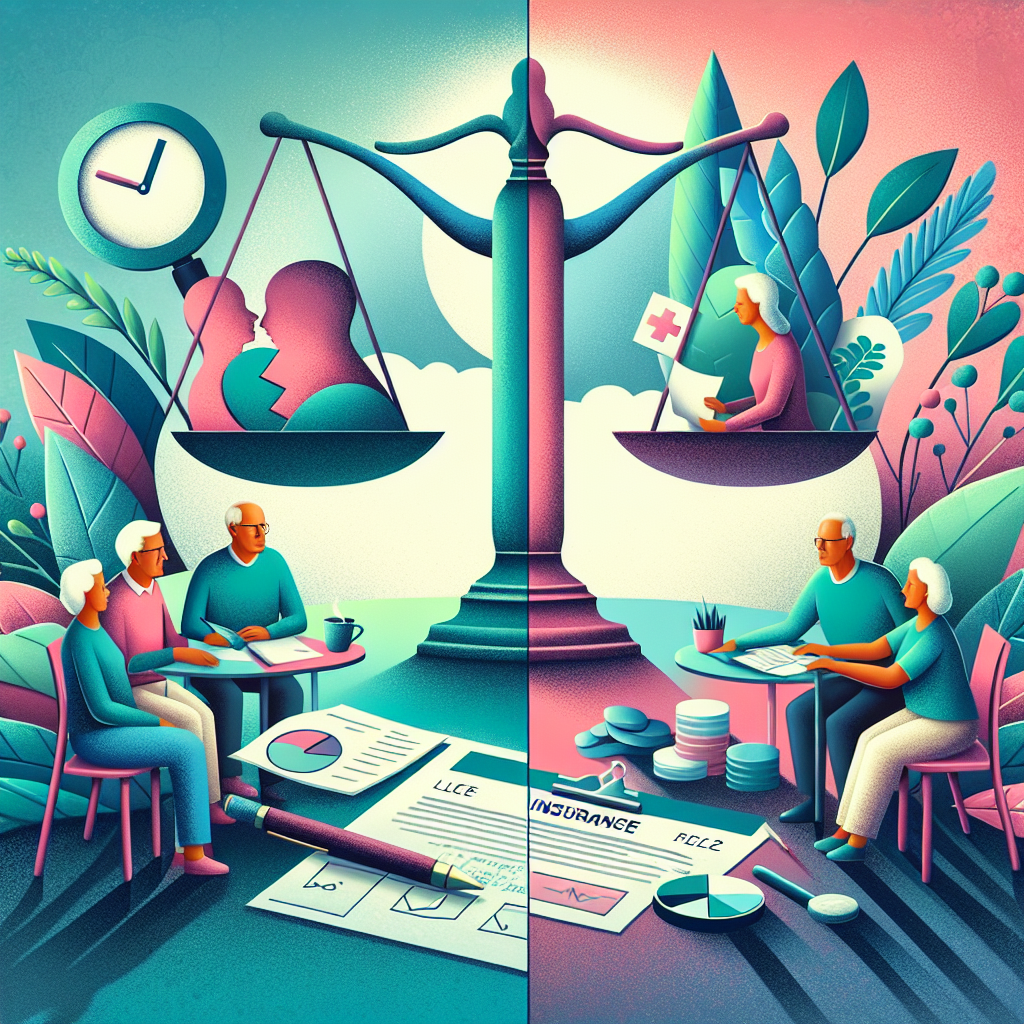
Elder Divorce Health Care Planning: Expert Tips for Smooth Transitions
Introduction
Elder divorce, also known as gray divorce, is becoming increasingly common as the population ages and life expectancy rises. This refers to the divorce of couples who are at least 50 years old or older. While divorce at any age can be emotionally and financially challenging, elder divorce brings its own unique set of considerations, particularly when it comes to health care. In this article, we will explore the impact of elder divorce on mental and emotional health, financial considerations, legal considerations, health care planning, finding support and resources, coping strategies, and navigating the custody of adult children. Our aim is to provide valuable information and resources for those going through or considering an elder divorce, so they can make informed decisions and move forward with health and happiness.
Understanding Elder Divorce
Elder divorce is a growing trend in the United States, with the divorce rate for those aged 50 and above doubling since the 1990s (Pew Research Center, 2017). This can be attributed to a variety of factors, including changes in social norms, the increasing independence and financial stability of women, and the shifting dynamics of marriage in an aging population.
One common misconception about elder divorce is that it is a result of a long-term unhappy marriage. However, studies have shown that many gray divorces are initiated by one partner who becomes unhappy after the age of 50 (Pew Research Center, 2017). This can be due to a variety of reasons, such as empty nest syndrome, retirement, or a desire for more independence in the later years of life.
Impact on Mental and Emotional Health
The emotional impact of a divorce is not limited to younger couples. Elder divorce can also have a significant effect on the mental and emotional well-being of those involved. Ending a long-term marriage can bring up feelings of grief, loss, and loneliness, especially for those who have spent most of their adult lives with their partner.
In addition, going through a divorce later in life can also bring up fears and uncertainties about the future. This can be particularly challenging for those who are retired or approaching retirement, as they may worry about their financial stability and the ability to maintain their current lifestyle. This can lead to high levels of stress, anxiety, and depression.
Financial Considerations
One of the biggest concerns for those going through an elder divorce is the financial impact. Older couples often have accumulated significant assets and may have complex financial arrangements, such as investments, retirement accounts, and real estate properties. Dividing these assets can be a complicated and contentious process.
In addition, the cost of healthcare can also increase during and after an elder divorce. As individuals become single, they may lose access to their spouse’s health insurance plan, which can result in higher premiums and out-of-pocket expenses. This is especially true for those who relied on their spouse’s employer-sponsored health insurance for coverage.
Another important financial consideration is the impact on retirement savings. Dividing assets and paying for legal fees can deplete retirement savings, leaving individuals with less financial security during their retirement years. It is essential to carefully consider the financial implications of an elder divorce and seek professional financial advice to ensure a secure financial future.
Legal Considerations
Divorce at any age involves legal considerations, but elder divorce can be particularly complex due to the unique financial and health care considerations. It is essential to consult with a lawyer who specializes in elder law to navigate the legal process and protect your assets.
One important legal consideration is the division of retirement accounts and pensions. These are considered marital assets and are subject to division during a divorce. It is crucial to understand the rules and regulations surrounding the division of these assets to ensure a fair and equitable distribution.
Another crucial aspect of elder divorce is asset protection. As individuals age, they may be more vulnerable to financial exploitation. It is important to take steps to protect assets and ensure that they are not unfairly divided or taken advantage of during the divorce process.
Health Care Planning for Elder Divorce
Health care planning is a critical aspect of elder divorce. As individuals become single, they may need to make changes to their health insurance coverage and plan for their long-term care needs.
For those who were covered under their spouse’s health insurance, it is essential to explore alternative options, such as individual plans or Medicare. Medicare is available for those aged 65 and above, and individuals who have been married for at least 10 years may be eligible for spousal benefits even after divorce.
Long-term care is another important consideration in elder divorce. As individuals age, they may require assistance with daily living activities, and this can be costly. It is essential to plan for long-term care needs and consider purchasing long-term care insurance to cover these expenses.
It is also crucial to update health care documents, such as a will, power of attorney, and advanced directives, to reflect the change in marital status and ensure that your health care wishes are followed.
Finding Support and Resources
Going through an elder divorce can be an overwhelming and challenging experience. It is essential to seek support and resources to help navigate this difficult time.
One valuable resource is therapy or counseling. This can provide a safe space to process emotions and develop coping strategies to deal with the challenges of divorce. Support groups specifically for those going through an elder divorce can also be helpful, as they provide a sense of community and understanding.
Professional financial and legal advice is also crucial during this time. Seek out professionals who specialize in elder law and financial planning to ensure that your interests are protected.
Lastly, do not be afraid to lean on friends and family for support. Surrounding yourself with a strong support system can help you through this difficult time and provide a much-needed sense of comfort and stability.
Coping Strategies for Elder Divorce
Coping with an elder divorce can be challenging, but there are strategies that can help ease the process.
Firstly, it is important to take care of your physical and mental well-being. This includes getting enough rest, eating well, and engaging in physical activity. It is also essential to prioritize self-care and engage in activities that bring joy and relaxation.
Seeking out therapy or counseling can also help you process your emotions and develop healthy coping mechanisms. In addition, consider joining a support group or reaching out to friends and family for support.
It is also crucial to maintain a positive outlook and focus on the opportunities that come with starting a new chapter in life. This can include discovering new hobbies, traveling, or pursuing personal goals and interests.
Navigating the Custody of Adult Children
While divorce at any age can be difficult for children, the custody of adult children can also be a challenging aspect of elder divorce. Adult children may feel caught in the middle of their parents’ divorce and may struggle to navigate their relationship with each parent.
It is important for parents to communicate openly and honestly with their adult children and prioritize their well-being during this time. This includes respecting their feelings and boundaries and avoiding involving them in any conflicts.
Adult children may also benefit from seeking their own support, such as therapy or counseling, to process their feelings and develop coping strategies.
Moving Forward with Health and Happiness
Elder divorce can be a challenging and emotional experience, but it is possible to move forward with health and happiness. By understanding the unique considerations and challenges of an elder divorce and seeking out support and resources, you can make informed decisions and create a fulfilling future for yourself. Remember to prioritize self-care, seek professional advice, and lean on your support system as you navigate this new chapter in life.
Housing and Living Arrangements Post-Divorce

Exploring Divorce Housing Options: A Guide
Introduction
Divorce is a major life event that can significantly impact every aspect of a person’s life, including their housing and living arrangements. Going through a divorce means that two individuals who were once living together and sharing a home now need to find separate housing and establish new living arrangements. This can be a daunting and emotional process, as it involves not only finding a new place to live, but also navigating legalities and financial considerations.
Understanding the Different Divorce Housing Options
When it comes to housing and living arrangements after a divorce, there are several options to consider. Each option has its own advantages and disadvantages, and ultimately, the best choice will depend on the individual circumstances of the divorcing couple.
Separate Housing
The most common option for divorced individuals is to find separate housing for themselves and their children, if applicable. This can include renting an apartment or house, purchasing a new home, or living with family or friends. Separate housing allows each person to have their own space and independence, which can be important after going through a divorce.
Co-parenting and Shared Living Arrangements
In some cases, divorced couples may choose to continue living together for the sake of their children. This arrangement, known as co-parenting or shared living, involves the two individuals sharing the same home and responsibilities for raising their children. While this option may provide stability for the children, it requires a high level of cooperation and communication between the ex-spouses.
Temporary Housing
In situations where a couple is going through a particularly contentious divorce, or if one person needs to move out quickly, temporary housing may be necessary. This can include staying in a hotel, renting a short-term apartment, or staying with family or friends until a more permanent housing solution can be found.
Renting vs. Owning: Pros and Cons
Whether you choose to rent or own your home after a divorce, both options have their own advantages and disadvantages. It’s important to carefully consider these factors before making a decision.
Renting
Pros:
- No long-term commitment: Renting allows for flexibility and the ability to move if needed.
- No maintenance or repair costs: The landlord is responsible for any repairs or maintenance on the property.
- Lower upfront costs: Renting typically requires a smaller upfront cost compared to owning a home.
Cons:
- Lack of stability: Renting means you may have to move if the landlord decides to sell the property or if your lease ends.
- No equity: Renting does not offer the opportunity to build equity in a property.
- Higher monthly costs: Renting can be more expensive in the long-term compared to owning a home.
Owning
Pros:
- Stability: Owning a home provides stability and a sense of permanence.
- Opportunity for equity: Homeownership allows you to build equity in your property over time.
- More control: As a homeowner, you have more control over your living space and can make changes as you see fit.
Cons:
- Expensive upfront costs: Purchasing a home requires a significant upfront payment, including a down payment and closing costs.
- Maintenance and repair costs: As a homeowner, you are responsible for all maintenance and repair costs.
- Less flexibility: Selling a home can be a lengthy process, making it less flexible compared to renting.
Co-Parenting and Shared Living Arrangements
For divorced couples who choose to continue living together for the sake of their children, there are a few key considerations to keep in mind.
Communication and Cooperation
Co-parenting and shared living arrangements require a high level of communication and cooperation between the ex-spouses. It’s important to establish clear boundaries and expectations to ensure a harmonious living situation.
Parenting Plan
A detailed parenting plan should be established to outline each parent’s responsibilities and time with the children. This can help avoid conflicts and confusion.
Custody Agreement
The custody agreement should also be carefully considered and clearly outlined to ensure fair and equal parenting time for both parties.
Child Support
In shared living situations, it’s important to establish a clear agreement on how child support will be handled. This can include dividing expenses and/or one parent paying child support to the other.
Temporary Housing: Tips for Finding a Place to Stay During Divorce
If you find yourself in need of temporary housing during a divorce, there are a few tips that can help make the process smoother.
Set a Budget
Before you start looking for temporary housing, it’s important to set a budget and determine how much you can afford to spend. This will help narrow down your options and prevent you from overspending.
Consider Short-Term Rentals
Short-term rentals, such as Airbnb or VRBO, can be a more affordable option compared to hotels. They also offer more flexibility in terms of location and amenities.
Reach Out to Friends and Family
If you have friends or family who are willing to let you stay with them temporarily, this can be a cost-effective and supportive option.
Look for Sublets
Subletting from someone who is temporarily out of town can be a more affordable option compared to renting a full apartment or house.
Impact of Divorce on Homeownership
Divorce can have a significant impact on homeownership, especially if the couple owns a home together. Some of the key considerations include:
Debt and Mortgage
In the case of a joint mortgage, it’s important to determine who will be responsible for making payments going forward. If both parties are listed on the mortgage, they will both be responsible for the debt, regardless of who is living in the home.
Property Taxes
The division of property taxes can also be a consideration in a divorce settlement. In some cases, one party may agree to pay the full amount while the other party may receive a larger share of other assets.
Refinancing
If one party wants to keep the family home, they may need to refinance the mortgage in their name only. This can be a complex process, so it’s important to seek legal and financial advice before making any decisions.
Selling the Family Home: Important Considerations
In some cases, selling the family home may be the best option for both parties after a divorce. There are a few important considerations to keep in mind when selling a home during a divorce.
Listing Price
The listing price of the home should be carefully considered to ensure a fair division of assets between the two parties. It’s best to consult with a real estate agent to determine the best listing price based on market conditions and the value of the home.
Timing
The timing of selling the home can also be an important factor to consider. It’s best to sell when the market is favorable and when both parties are emotionally ready to move on from the home.
Division of Proceeds
In most cases, the proceeds from selling the home will be divided between the two parties. However, this division may not be 50/50, as other assets and debts may also be considered.
Buying a New Home After Divorce: Factors to Keep in Mind
For those who are ready to move on and buy a new home after a divorce, there are a few important factors to keep in mind.
Financial Stability
Before buying a new home, it’s important to ensure that you are financially stable and able to afford the mortgage payments. This may involve making changes to your budget and lifestyle to accommodate the costs of homeownership.
Emotional Readiness
Moving on to a new home may be emotionally challenging after a divorce. It’s important to take the time to grieve the loss of your previous home and be ready for the change.
Consider Your Future Needs
When choosing a new home, consider your future needs and lifestyle. This can include proximity to work, schools, and amenities, as well as the potential for co-parenting arrangements.
Navigating Legalities: Property Division and Alimony
Divorce involves legal proceedings and considerations, including the division of property and potential for alimony payments. It’s important to seek legal advice to ensure that your rights and best interests are protected.
In most cases, assets and debts acquired during the marriage will be divided between the two parties. This can include the family home, vehicles, bank accounts, and other assets. It’s important to reach a fair and equitable agreement on property division through negotiation or mediation.
Alimony Payments
In some cases, one party may be required to pay alimony to the other party after a divorce. This is typically determined based on factors such as income, length of marriage, and ability to support oneself.
Finding the Right Housing Option for Your Post-Divorce Life
Divorce can be a difficult and emotional process, and finding a new home and living arrangements is just one of the many challenges that come with it. It’s important to carefully consider all of your options and seek professional guidance to make the best decision for your post-divorce life. Remember to prioritize your emotional and financial well-being, and to prioritize your children’s needs if they are involved in the divorce.