

Legal Rights and Protections for Older Adults

Elder Law Rights & Protections: A Comprehensive Guide
What is Elder Law?
Elder law is a specialized legal practice area that focuses on the legal rights and protections of older adults. This can include a wide range of topics, such as healthcare, housing, financial security, and estate planning. Elder law attorneys work with senior citizens and their families to ensure their rights are protected and their needs are met.
Understanding the Importance of Elder Law Rights and Protections
As people age, they may face unique challenges and vulnerabilities that require legal protection. Elder law rights and protections are essential for ensuring that older adults are treated fairly and have access to the resources and support they need. These rights and protections also aim to prevent discrimination and abuse against seniors.
Common Types of Elder Law Rights and Protections
There are various types of elder law rights and protections that aim to protect the well-being and rights of older adults. These may include:
- Age discrimination laws
- Consumer protection laws for seniors
- Healthcare and insurance laws, such as Medicare and Medicaid
- Social Security benefits
- Long-term care laws
- Estate planning laws
- Guardianship and conservatorship laws
Specific Laws and Regulations Surrounding Elder Law
There are many laws and regulations at the federal, state, and local levels that aim to protect the rights and well-being of older adults. Some of these include:
- The Age Discrimination in Employment Act (ADEA), which protects against age discrimination in the workplace.
- The Older Americans Act, which provides funding for programs and services that support older adults.
- The Fair Housing Act, which prohibits discrimination based on age in housing.
- The Affordable Care Act, which includes provisions for improving Medicare and Medicaid coverage for seniors.
- The Elder Justice Act, which addresses the issue of elder abuse and neglect.
Common Legal Issues Faced by Senior Citizens
Unfortunately, older adults may face a variety of legal issues, including those related to healthcare, housing, and financial stability. Some of the most common legal issues faced by seniors include:
- Denial of healthcare coverage or benefits
- Housing discrimination or eviction
- Financial exploitation or fraud
- Nursing home abuse or neglect
- Challenges with creating and managing an estate plan
- Difficulty accessing government benefits
- Family disputes over guardianship or conservatorship
How to Ensure Elder Law Rights and Protections are Upheld
There are several steps that seniors and their families can take to ensure their rights and protections are upheld:
- Stay informed and educated about elder law rights and protections
- Work with an elder law attorney to create and manage important legal documents, such as wills and advance directives
- Stay vigilant and report any potential abuses or violations of rights
- Join advocacy groups and stay involved in the political process to support legislation that protects senior citizens
The Role of Elder Law Attorneys in Protecting Rights and Ensuring Protections
Elder law attorneys play a crucial role in protecting the rights and ensuring the protections of older adults. They have specialized knowledge and experience in the legal issues faced by seniors and can provide valuable guidance and representation. Elder law attorneys can assist with creating and updating important legal documents, advocating for seniors’ rights, and helping to navigate complex legal processes.
Resources for Seniors and Their Families to Navigate Elder Law
There are several resources available for seniors and their families to help them navigate elder law. These may include:
- Elder law clinics or pro bono legal services
- AARP Legal Services Network
- Senior legal hotlines
- Local senior centers or agencies on aging
- Online resources and guides from reputable organizations, such as the National Consumer Law Center and the National Academy of Elder Law Attorneys
Recent Updates and Changes in Elder Law Rights and Protections
Elder law is a constantly evolving field, and laws and regulations related to seniors are frequently updated and changed. Some recent updates and changes in elder law rights and protections include:
- Increased funding for programs and services to support seniors, such as through the Older Americans Act and the Affordable Care Act
- Increased penalties for elder abuse and financial exploitation
- Updates to Medicare and Medicaid policies and coverage options
- New laws and regulations to address emerging issues, such as cyber scams targeting seniors
Why Understanding Elder Law is Essential for Seniors and Their Families
In conclusion, understanding elder law is essential for seniors and their families to protect their rights and ensure their well-being. By staying informed about laws and regulations related to healthcare, housing, and financial security, seniors and their families can better navigate the complex legal system and protect themselves against age-related discrimination or abuse. Working with an elder law attorney and accessing available resources can also provide valuable support and guidance in addressing legal issues facing seniors.
Mediating Long-Term Marriage Dissolutions

Long-Term Marriages: The Benefits of Divorce Mediation
Introduction
Divorce can be a difficult and emotionally taxing experience for any couple, but it can be particularly challenging for those who have been married for a long time. In these cases, the couple has likely built a life together, accumulated assets, and possibly raised children. However, not all marriages last forever, and when it comes time to dissolve a long-term marriage, it is important to consider alternative methods of resolution, such as mediation.
Mediation is a process of conflict resolution where a neutral third-party, known as a mediator, helps the couple communicate and negotiate a mutually acceptable agreement. In the case of long-term marriages, mediation can be a beneficial alternative to traditional divorce proceedings. In this article, we will explore the benefits of using mediation for long-term marriage dissolutions and how it can help couples navigate the unique challenges that come with ending a lengthy marriage.
Understanding Long-Term Marriages
Before we dive into the benefits of mediation for long-term marriages, it is important to define what we mean by “long-term marriage.” According to the U.S. Census Bureau, a long-term marriage is one that has lasted 20 years or more. These marriages often involve couples who have built a life together, including shared assets, property, and possibly children.
One of the unique challenges faced in long-term marriages is the emotional attachment that has been developed between the couple. In most cases, the end of a long-term marriage is not just the end of a legal partnership, but also the end of a significant emotional and personal connection. This can make it difficult for couples to navigate the dissolution process without causing further emotional turmoil.
Additionally, long-term marriages often involve complicated financial and legal matters that can make the divorce process more complex. This can include assets such as retirement accounts, real estate, and business interests, as well as issues related to spousal support and joint custody of children. In these cases, mediation can be a valuable tool for helping the couple reach a fair and mutually agreeable resolution.
The Role of Mediators
Mediators play a crucial role in the process of resolving a long-term marriage dissolution through mediation. These professionals have specific qualifications and training in conflict resolution and are neutral third parties who do not have a personal stake in the outcome of the mediation. Their role is to facilitate communication and negotiation between the couple, helping them come to a mutually acceptable agreement.
One of the main benefits of having a mediator is their ability to maintain a neutral and unbiased perspective. This can be particularly helpful in long-term marriage dissolutions, where emotions may run high. A mediator can help the couple focus on the important issues at hand and avoid getting caught up in personal feelings and grievances.
Additionally, mediators are trained in communication and negotiation techniques, which can be especially useful in high-conflict situations. They can help the couple communicate effectively and find common ground to reach a resolution. This can be particularly important in long-term marriages, where the couple may have a history of communication difficulties.
Gathering Information
Before beginning the mediation process, there is some important information that the couple will need to gather. This typically includes financial documents such as bank statements, tax returns, and information on assets and debts. The mediator will also need to have a clear understanding of the couple’s financial situation, including income, expenses, and any financial support arrangements.
It is essential for both parties to be transparent and provide all necessary information during the mediation process. This is important for reaching a fair and equitable resolution. Withholding information or being dishonest can prolong the mediation process and may result in an unfair agreement.
To prepare for mediation, the couple can also make a list of their goals and priorities for the dissolution. This can include issues related to assets, spousal support, and child custody. Having a clear understanding of what they want to achieve can help the couple stay focused during the mediation sessions.
Communication and Negotiation
Effective communication is crucial for a successful mediation process, and it is especially important in long-term marriage dissolutions. During mediation, the couple will have the opportunity to communicate openly and honestly with each other about their needs and concerns. The mediator will facilitate this communication and help the couple find common ground and potential solutions.
In addition to effective communication, negotiation skills are also crucial in the mediation process. This involves the ability to compromise and find creative solutions that will benefit both parties. Mediators are trained in various negotiation techniques and can help the couple find a resolution that works for both parties.
Mediation is also known for fostering collaboration between the couple, rather than creating an adversarial relationship. This can be particularly important in long-term marriages, where the couple may need to continue to communicate and co-parent, even after the dissolution is finalized. By working together in mediation, the couple can maintain a more amicable relationship, which can be beneficial for any future interactions.
Addressing Parenting Issues
Child custody is often a significant concern in long-term marriage dissolutions. The couple may have built a life together and raised children, and now they will need to determine how to co-parent effectively after the marriage ends. Mediation can be a valuable tool for addressing parenting issues in a respectful and collaborative manner.
In mediation, the couple can work together to create a parenting plan that outlines custody arrangements, visitation schedules, and decision-making responsibilities. This can help ensure that the children’s well-being is prioritized and that their needs are met during and after the divorce process.
With the help of a mediator, the couple can also address potential future conflicts and create a plan for how to resolve them. This can be particularly important in long-term marriages, where the couple may need to continue to make joint decisions for their children, such as for college expenses or major life events.
Division of Assets
One of the most challenging aspects of any divorce is dividing assets and property. This can be especially complicated in long-term marriages, where the couple may have accumulated significant assets over the years. In traditional divorce proceedings, this process can be lengthy, costly, and often contentious.
However, in mediation, the couple has the opportunity to work together to divide assets in a way that is mutually agreeable. The mediator can help the couple understand their financial situation and the potential long-term implications of dividing assets in a certain way. This can help the couple make informed decisions about how to divide assets in a way that is fair and equitable for both parties.
Mediation can also be beneficial for preserving the couple’s assets, as traditional divorce proceedings can often result in significant legal fees and court costs. By avoiding a lengthy and contentious legal battle, the couple can save time and money, as well as minimize the emotional toll of the divorce process.
Addressing Emotional Needs
Divorce can take a significant toll on a person’s emotional well-being, and this can be particularly true in long-term marriages. After spending many years together, it can be challenging to adjust to life as a single person. Mediation can be beneficial in addressing the emotional needs of both parties during the dissolution process.
Mediators are trained to provide emotional support and guidance to the couple throughout the mediation process. They can help the couple navigate difficult emotions and work through any unresolved issues. By addressing these emotional needs in mediation, the couple can potentially avoid future conflicts and find closure in the dissolution of their marriage.
Creating a Post-Divorce Plan
Divorce is not just the end of a marriage, but also the beginning of a new chapter in each person’s life. Therefore, it is essential to plan for life after divorce, particularly in long-term marriages. Mediation can help the couple create a comprehensive plan for their post-divorce life.
During mediation, the couple can discuss important matters such as living arrangements, co-parenting, and financial arrangements. By working together in mediation, the couple can create a plan that meets their individual needs and sets them up for success in their new lives.
Additionally, the couple can address potential future conflicts and create a plan for how to handle them. This can help avoid future legal battles and create a more peaceful and stable post-divorce life for both parties.
Conclusion
In summary, mediation can be a valuable tool for resolving long-term marriage dissolutions. It can help couples navigate the unique challenges that come with ending a lengthy marriage, such as emotional attachments, complicated financial matters, and child custody issues. By working together in mediation, couples can reach a fair and mutually acceptable resolution that is tailored to their specific needs and goals.
If you are considering a long-term marriage dissolution, we encourage you to explore mediation as an alternative method of resolution. With the help of a qualified mediator, you and your spouse can work together to find a peaceful and amicable resolution to your marriage.
For more information on finding a qualified mediator, you can visit the websites of organizations such as the American Bar Association or the Academy of Professional Family Mediators. We wish you the best of luck in your journey towards a successful long-term marriage dissolution.
Mediation Techniques for Elder Divorce

Effective Elder Divorce Mediation Strategies
Introduction
Elder divorce, or divorce involving elderly individuals, is becoming increasingly common in today’s society. While divorce can be a difficult process for people of any age, it can bring about unique challenges for seniors. These challenges may include health concerns, financial considerations, and emotional complexities. In order to navigate these challenges and reach a peaceful resolution, many couples are turning to elder divorce mediation.
Understanding the Importance of Elder Divorce Mediation
Elder divorce mediation is a process in which a neutral third party, the mediator, helps couples going through divorce to communicate and reach agreements on various issues. This can include matters such as division of assets, spousal support, and creating a parenting plan for any minor children. Mediation can be an effective alternative to traditional litigation, as it allows for a more collaborative and cooperative approach to resolving conflicts.
Benefits of Mediation for Seniors Going Through Divorce
There are several benefits of choosing mediation for elderly divorce, including:
- Less stressful: Mediation can be a less stressful alternative to going through the court system, which can be emotionally and financially draining.
- Cost-effective: Mediation can often be more cost-effective than traditional litigation, as it typically involves fewer legal fees.
- Greater control: Mediation allows for both parties to have a say in the outcome, rather than leaving the decision solely in the hands of a judge.
- Privacy: Mediation is a private process, unlike court proceedings which are public.
- Improved communication: The mediation process encourages open and respectful communication between both parties, which can lead to a more amicable divorce.
Key Factors to Consider Before Starting Elder Divorce Mediation
Before beginning the mediation process, there are several key factors that should be considered:
- Willingness to communicate: Both parties must be willing to communicate and work towards a mutual agreement.
- Commitment to the process: Mediation requires a commitment from both parties to actively participate and work towards finding a resolution.
- Understanding of the issues: It can be helpful for both parties to have a clear understanding of the issues at hand in order to have productive discussions during mediation.
- Mutual respect: Mutual respect and a willingness to compromise are essential for a successful mediation process.
- Choice of mediator: It is important to carefully choose a mediator who is experienced in handling elder divorce cases and can effectively facilitate communication between both parties.
Choosing the Right Mediator for Seniors
Choosing the right mediator for an elderly divorce is a crucial step in the process. Here are some key factors to consider when making this decision:
- Experience: Look for a mediator who has experience in handling elder divorce cases and is familiar with the unique challenges that come with it.
- Specialized training: Some mediators may have additional training or certifications specifically in elder divorce mediation, which can be beneficial.
- Good communication skills: A mediator should have strong communication skills and be able to effectively facilitate productive discussions between both parties.
- Neutral and impartial: The mediator should be neutral and impartial, meaning they do not favor one party over the other. This is essential for a fair and balanced mediation process.
- Comfort level: It is important to choose a mediator that both parties are comfortable working with, as this can lead to a more successful outcome.
Effective Communication Techniques for Seniors in Mediation
Effective communication is key in any mediation process, but it is particularly important when dealing with elderly individuals. Here are some techniques that can help facilitate effective communication in elder divorce mediation:
- Active listening: Encourage both parties to actively listen to what the other is saying and to truly understand their perspective.
- Patience: Elderly individuals may require more time to process information and express their thoughts, so it is important to be patient and allow for this.
- Use of visual aids: Visual aids such as diagrams or charts can be helpful in explaining complex financial or property-related matters.
- Respectful language: Encourage the use of respectful and non-confrontational language during discussions.
- Avoiding assumptions: It is important to avoid making assumptions about an individual’s capabilities or needs based on their age. Treat each person with respect and as an equal.
Addressing Emotional Needs in Elder Divorce Mediation
Divorce can bring about a range of emotions, and this can be especially true for elderly individuals who may have been married for many years. It is important for the mediator to address these emotional needs in order to have a successful mediation process. This may include:
- Creating a safe and non-judgmental environment for discussions.
- Allowing both parties to express their emotions without interruption.
- Encouraging empathy and understanding towards the other person’s feelings.
- Offering support and resources for coping with the emotional aspects of divorce.
Unique Financial Considerations for Seniors in Divorce
Elderly individuals going through divorce may have unique financial considerations that need to be addressed during mediation. These may include:
- Retirement funds: Dividing retirement funds can be a complex process, particularly for seniors who may be relying on these funds for their future.
- Healthcare costs: Elderly individuals may have higher healthcare costs, so these should be considered when determining spousal support or property division.
- Long-term care: If one party requires long-term care, this can significantly impact the financial outcome of the divorce and should be considered during mediation.
Navigating Estate Planning and Property Division in Elder Divorce
Estate planning and property division can be particularly complex in elder divorce cases. Here are some key considerations to keep in mind:
- Estate plans: It is important to review and update any existing estate plans, including wills and trusts, to reflect the changes brought about by the divorce.
- Property division: In addition to the division of assets, it is important to consider the sentimental value of certain items, particularly if they have been in the family for a long time.
- Real estate: If the couple owns real estate, it is important to carefully consider the financial and practical implications of selling or keeping the property.
Moving Forward: Post-Divorce Support for Elderly Individuals
Even after the mediation process is complete and a resolution has been reached, it is important to provide support for elderly individuals as they adjust to their new lives. This may include:
- Access to resources and support groups for coping with life changes after divorce.
- Counseling or therapy to address any emotional issues that may arise.
- Assistance with creating a new financial plan to ensure stability for the future.
- Support for maintaining relationships with family members and friends after the divorce.
Conclusion
Elder divorce mediation can be a highly effective and beneficial process for couples going through divorce in their later years. By considering factors such as communication techniques, emotional needs, and unique financial considerations, and choosing the right mediator, elderly individuals can work towards a peaceful resolution and move forward towards a new chapter in their lives.
Mental Capacity and Consent Issues

Understanding Capacity and Consent Issues: The SEO Keyword You Need
Introduction
Welcome to our guide on mental capacity and consent issues. In this comprehensive resource, we will discuss the concept of mental capacity and its importance in healthcare, as well as the legal and ethical considerations surrounding consent. We will also explore the impact of mental capacity and consent issues on individuals and society, and offer strategies for supporting those with capacity and consent challenges. By the end of this guide, you will have a better understanding of how mental capacity and consent intersect and how to navigate these complex issues in various contexts.
Defining Mental Capacity and Consent
Before we delve into the details, let’s clarify what we mean by mental capacity and consent.
Mental capacity refers to an individual’s ability to make decisions for themselves based on their understanding of the relevant information and the consequences of their decisions. This includes being able to understand, retain, and use information to make a decision, as well as communicate that decision.
Consent, on the other hand, refers to giving permission or agreement for something to happen, based on a full understanding of what is being asked for and the potential consequences. In healthcare, this often involves giving consent for medical treatments, procedures, or interventions.
Importance of Mental Capacity and Consent in Healthcare
Mental capacity and consent are crucial in healthcare as they ensure that individuals are able to make informed decisions about their own health and well-being. Without mental capacity, a person may not be able to fully understand the implications of a medical procedure or treatment, leaving them vulnerable to harm or exploitation.
It is also important to note that mental capacity can fluctuate, and a person may have the capacity to make some decisions but not others. This highlights the need for ongoing assessment of mental capacity in healthcare settings.
Informed consent is a fundamental principle of healthcare, and it is based on the ethical principles of autonomy and respect for individuals. It allows individuals to make decisions about their own healthcare, taking into account their values, beliefs, and preferences.
Causes of Mental Capacity and Consent Issues
There are various factors that can contribute to mental capacity and consent issues, including:
- Cognitive impairment or dementia
- Mental health conditions
- Developmental disabilities
- Substance abuse
- Traumatic brain injury
- Old age
- Illness or injury affecting decision-making abilities
In these cases, individuals may struggle to understand information, retain it, or communicate their decisions effectively, making it difficult for them to give informed consent.
Legal and Ethical Considerations for Capacity and Consent
When it comes to mental capacity and consent, there are various legal and ethical considerations that must be taken into account. These include:
Capacity Assessment
In situations where an individual’s mental capacity may be in question, a capacity assessment may be necessary. This is a formal evaluation of an individual’s ability to make a specific decision or set of decisions.
The assessment should take into account the individual’s cognitive abilities, their understanding of the relevant information, and their ability to communicate their decisions. It should also consider any external factors that may affect their decision-making, such as mental health conditions or medications.
Informed Consent
Informed consent is an ethical and legal requirement for any medical treatment or procedure. This means that healthcare professionals must provide individuals with all the relevant information about a treatment or procedure, including potential risks and benefits, in a way that they can understand.
The individual must also be capable of understanding this information and be able to give their consent freely, without coercion or pressure from others.
Legal Capacity
Legal capacity refers to an individual’s ability to understand the consequences of their decisions and to make legally binding decisions. It is not the same as mental capacity, and a person may have the mental capacity to make a decision but not the legal capacity to do so.
For example, a person with a developmental disability may have the mental capacity to make decisions, but their legal capacity may be limited due to guardianship or conservatorship arrangements.
Best Interest
In cases where an individual lacks the mental or legal capacity to make a decision, healthcare professionals must act in the individual’s best interest. This means considering their values, beliefs, and preferences, as well as any previously expressed wishes or advance directives.
Impact of Mental Capacity and Consent Issues on Individuals and Society
Mental capacity and consent issues can have a significant impact on both individuals and society as a whole. On an individual level, it can lead to a loss of autonomy and self-determination, as well as potential harm or exploitation if decisions are made without informed consent.
On a societal level, it can create legal and ethical dilemmas, as well as challenges in providing adequate care for individuals with capacity and consent issues. It also highlights the need for greater education and awareness about these issues to ensure the protection of individuals’ rights and well-being.
Strategies for Supporting Individuals with Capacity and Consent Issues
There are various strategies that can be employed to support individuals with capacity and consent issues, including:
Communication and Information
Effective communication and providing information in a way that is understandable for the individual is key in supporting their decision-making. This may involve using visual aids, simplifying information, and allowing enough time for the individual to process and ask questions.
Supported Decision-Making
Supported decision-making involves working with the individual and their support network, such as family members or caregivers, to help them make decisions. This can include providing information, helping them understand their options, and supporting them in communicating their decisions.
Advance Directives
Advance directives, such as living wills or healthcare power of attorney, can help individuals express their wishes for future medical treatment in the event that they are unable to make decisions for themselves. These documents can also help guide healthcare professionals in making decisions on the individual’s behalf.
Resources for Understanding and Addressing Capacity and Consent Issues
If you or a loved one are facing capacity and consent issues, there are resources available to help you navigate these complex issues. These include:
Healthcare Professionals
Consulting with healthcare professionals, such as doctors, nurses, or social workers, can provide valuable guidance and support in addressing capacity and consent issues.
Elder Law Attorneys
Elder law attorneys specialize in legal issues related to aging, including capacity and consent. They can help individuals and their families understand their legal rights and options, and assist with creating advance directives or guardianship arrangements.
Support Organizations
There are also support organizations that provide information and resources for individuals and families dealing with capacity and consent issues. These may include local or national organizations for specific conditions, such as Alzheimer’s or developmental disabilities.
Future Directions for Addressing Capacity and Consent Issues
As our society ages and the prevalence of cognitive impairment and mental health conditions increases, it is essential to continue addressing and improving capacity and consent issues. This may involve increasing education and awareness, developing more effective assessment tools, and promoting supported decision-making models.
Additionally, ongoing research and advancements in technology may offer new ways to support individuals with capacity and consent challenges, such as using assistive devices or telehealth services.
Empowering Individuals and Promoting Consent in Mental Health Care
Mental capacity and consent issues are complex and multifaceted, with legal, ethical, and societal implications. By understanding the importance of mental capacity and informed consent, as well as the challenges and strategies for addressing these issues, we can work towards empowering individuals to make decisions about their own health and well-being and promoting their autonomy and dignity.
Thank you for reading our guide on mental capacity and consent issues. We hope that it has provided valuable information and resources to help you navigate these important topics. Remember, if you or someone you know is facing capacity and consent issues, there are professionals and organizations available to support you in finding the best solutions for your situation.
Navigating Family Dynamics and Inheritance Issues

Maximizing Your Inheritance: Planning and Dispute Resolution
Introduction
Family inheritance planning can be a complex and emotional process. It involves navigating the dynamics of intergenerational relationships and ensuring a smooth transfer of wealth from one generation to the next. However, the distribution of assets and wealth can often lead to disagreements and conflicts within families, making inheritance issues a difficult and sensitive topic to address.
Understanding Family Inheritance Planning
Family inheritance planning refers to the process of preparing for the transfer of assets and wealth from one generation to the next. It involves making decisions about how to distribute assets, such as property, investments, and personal belongings, to beneficiaries, usually family members. This process typically includes creating a will or trust, naming beneficiaries, and appointing an executor or trustee to manage the estate after the individual’s death.
Importance of Having a Will
A will is a legal document that outlines a person’s wishes for the distribution of their assets after their death. It is a crucial component of inheritance planning as it provides clarity and direction for the division of assets. Without a will, state laws will determine how the assets are distributed, which may not align with the individual’s wishes or family dynamics.
Types of Inheritance Disputes
Inheritance disputes can arise for various reasons, such as unclear or outdated wills, family conflicts, and misunderstandings. Some common types of inheritance disputes include:
- Disagreements over the distribution of assets
- Undue influence on the individual creating the will or trust
- Challenges to the validity of the will or trust
- Inequalities in the distribution of assets among beneficiaries
- Claims of breach of fiduciary duty by the executor or trustee
How to Avoid Inheritance Disputes
While it may not be possible to completely avoid inheritance disputes, there are steps that individuals can take to minimize the likelihood of such conflicts. These include:
- Clearly communicate your wishes to family members
- Update your will or trust regularly
- Be fair and equal in your distribution of assets
- Choose an executor or trustee who is trustworthy and capable
- Consider using a no-contest clause in your will
Preparing Your Estate for the Next Generation
Inheritance planning is not just about distributing assets; it also involves preparing the next generation to receive and manage the wealth. This can include educating beneficiaries on financial literacy, creating a plan for the transfer of business ownership, and discussing any potential family business conflicts beforehand.
Common Mistakes in Inheritance Planning
Unfortunately, there are many mistakes that individuals make in inheritance planning, which can lead to disputes or conflicts among family members. Some of these mistakes include:
- Not having a will or trust in place
- Not updating the will or trust regularly
- Not communicating openly and honestly with family members
- Choosing the wrong executor or trustee
- Not considering potential conflicts or disputes between family members
Seeking Professional Help for Inheritance Planning
Given the complexities and potential for conflicts in inheritance planning, it is essential to seek professional help from an estate planning attorney or financial advisor. These professionals can provide guidance and ensure that all legal and financial aspects are properly addressed. They can also help mediate any family disputes that may arise during the planning process.
Resolving Inheritance Disputes through Mediation
In cases where inheritance disputes cannot be avoided, mediation can be a useful tool for resolving conflicts. Mediation involves a neutral third party who helps facilitate communication and negotiation between family members to find a mutually agreeable solution. This can be a less costly and time-consuming alternative to going to court, and it allows families to maintain some level of control and privacy over their financial and personal matters.
Ensuring a Smooth Transition of Family Inheritance
In summary, navigating family dynamics and inheritance issues can be a complicated and emotional process. However, with proper planning, open communication, and seeking professional help, individuals can ensure a smooth and fair transfer of assets to the next generation. By addressing potential conflicts and having a clear and updated will or trust in place, families can minimize the risk of disputes and maintain strong relationships throughout the inheritance process.
Negotiating Agreements on Caregiving Responsibilities

Mastering Caregiving Negotiations
Caregiving agreements negotiation
Negotiating caregiving agreements can be a challenging and sensitive process, especially when it involves family members. It is important to approach these negotiations with open communication, understanding, and a willingness to compromise in order to reach a mutually beneficial agreement.
Effective caregiver negotiation strategies
When it comes to negotiating caregiving responsibilities, it is important to have a clear plan and strategy in place. Here are some effective strategies to consider:
- Start with open communication: The key to successful negotiations is open and honest communication. Make sure all parties involved are willing to listen and share their concerns and needs.
- Identify priorities and concerns: Each caregiver may have different priorities and concerns. Take the time to listen and understand these in order to find common ground.
- Be willing to compromise: In order to reach a mutually beneficial agreement, it is important to be willing to compromise. Make sure to consider all perspectives and find a solution that works for everyone.
- Focus on the present: It is important to focus on the present and the specific caregiving responsibilities at hand. Avoid bringing up past conflicts or issues.
- Consider the individual’s needs: When negotiating caregiving responsibilities, it is important to consider the individual’s needs and preferences. This will help ensure that the care provided is tailored to their unique needs.
- Seek outside help: If the negotiations become too difficult, consider seeking outside help such as a mediator or therapist to facilitate the discussion.
Negotiating caregiver responsibilities
Caregiving responsibilities can vary greatly depending on the individual’s needs and the number of caregivers involved. Here are some tips for negotiating these responsibilities:
- Be specific: When discussing responsibilities, make sure to be specific and clearly define each caregiver’s role and tasks. This will help avoid confusion and potential conflicts in the future.
- Consider each caregiver’s strengths: Each caregiver may have different strengths and areas of expertise. Take these into consideration when assigning responsibilities.
- Include breaks and time off: Caregiving can be physically and emotionally demanding, and it is important for caregivers to have breaks and time off. Make sure to include this in the negotiations.
- Factor in outside commitments: Caregivers may also have outside commitments such as work or family obligations. Make sure to take these into consideration when negotiating responsibilities.
- Discuss financial compensation: If the caregiving arrangement involves financial compensation, make sure to discuss this openly and come to an agreement that is fair for all parties involved.
Tips for negotiating caregiving agreements
Negotiating a caregiving agreement can be a complex and emotional process. Here are some tips to help make the negotiations smoother and more successful:
- Start the discussion early: It is important to start the discussion early, before the need for caregiving arises. This will give everyone involved enough time to consider their options and come to a mutual agreement.
- Keep emotions in check: It is normal for emotions to run high during negotiations. Make sure to keep them in check and focus on finding a solution that works for everyone.
- Be respectful and understanding: Make sure to approach the negotiations with respect and understanding for everyone’s needs and perspectives.
- Listen actively: Active listening is crucial during negotiations. Make sure to listen to each other’s concerns and needs in order to find a solution that works for everyone.
- Consider the individual’s preferences: When discussing caregiving responsibilities, make sure to take the individual’s preferences into consideration. This will help ensure that the care provided is tailored to their needs.
- Put everything in writing: Once an agreement has been reached, make sure to put everything in writing. This will help avoid misunderstandings and serve as a reference for future discussions.
Negotiating caregiving arrangements
Caregiving arrangements can take many forms, from in-home care to assisted living facilities. Here are some tips for negotiating these arrangements:
- Consider all options: There are many different types of caregiving arrangements available, and it is important to consider all options in order to find the best fit for the individual’s needs and preferences.
- Discuss financial responsibilities: Caregiving arrangements can be costly, and it is important to discuss and come to an agreement on who will be responsible for these expenses.
- Include all parties involved: If there are multiple caregivers involved, make sure to include everyone in the discussions and decision-making process.
- Be open to change: As the individual’s needs change, the caregiving arrangement may also need to change. Make sure to be open to discussing and negotiating these changes as they arise.
- Consider legal guidance: Depending on the complexity of the caregiving arrangement, it may be beneficial to seek legal guidance to formalize the agreement and responsibilities.
Negotiating caregiver duties
In addition to caregiving responsibilities, there may also be specific duties that need to be negotiated. Here are some tips for navigating this process:
- Be clear and specific: When discussing duties, make sure to be clear and specific in order to avoid confusion and potential conflicts in the future.
- Consider the individual’s needs: When assigning duties, make sure to consider the individual’s needs and abilities. This will help ensure that the care provided is tailored to their unique situation.
- Be open to adjusting duties: As the individual’s needs change, the duties may also need to be adjusted. Make sure to be open to discussing and negotiating these changes as they arise.
- Discuss compensation: If the caregiving arrangement involves financial compensation, make sure to discuss and come to an agreement on the amount and frequency of payments.
- Factor in time management: Caregiving duties can be time-consuming, and it is important to factor in time management and breaks for the caregiver.
Caregiving negotiation tactics
Negotiations can be challenging, and it is important to have effective tactics in place to help move the process forward. Here are some tactics to consider when negotiating caregiving responsibilities:
- Active listening: As mentioned before, active listening is crucial during negotiations. Make sure to listen to each other’s concerns and needs in order to find a solution that works for everyone.
- Brainstorming: Brainstorming can help generate new ideas and solutions that may not have been considered before. This can be a helpful tactic to overcome impasses during negotiations.
- Problem-solving: Instead of focusing on individual positions, try to focus on finding solutions to the actual problem at hand. This can help move the negotiations forward in a more productive way.
- Use “I” statements: Instead of accusing or blaming, try to use “I” statements to express your concerns and needs. This can help avoid defensiveness and lead to more effective communication.
Best practices for negotiating caregiving agreements
In addition to the tips and strategies mentioned above, here are some best practices to keep in mind when negotiating caregiving agreements:
- Be patient: Negotiating agreements can take time, and it is important to be patient and not rush the process.
- Focus on the individual’s well-being: The individual’s well-being should always be the top priority during negotiations. Make sure to keep this in mind when discussing responsibilities and arrangements.
- Take breaks if needed: If the negotiations become too tense or overwhelming, make sure to take breaks if needed. This can help everyone involved to regroup and approach the discussion with a clearer mindset.
- Be respectful: It is important to approach negotiations with respect and understanding for everyone’s needs and perspectives. Avoid using accusatory or inflammatory language.
- Consider professional help: If the negotiations become too difficult to navigate, consider seeking the help of a professional mediator or therapist.
Negotiating caregiver roles and responsibilities
When it comes to caregiving, there may be multiple roles and responsibilities involved. Here are some tips for negotiating these roles:
- Be open to change: As the individual’s needs change, the roles and responsibilities may also need to change. Make sure to be open to discussing and negotiating these changes as they arise.
- Discuss boundaries: It is important to have clear boundaries and expectations when it comes to caregiving roles. Make sure to discuss these openly and come to an agreement that works for everyone.
- Factor in outside commitments: Caregivers may also have outside commitments such as work or family obligations. Make sure to take these into consideration when negotiating roles and responsibilities.
- Consider legal guidance: Depending on the complexity of the caregiving arrangement, it may be beneficial to seek legal guidance to formalize roles and responsibilities.
Negotiating caregiver contracts
In some cases, it may be necessary to have a formal contract in place to outline the caregiving responsibilities, arrangements, and compensation. Here are some tips for negotiating caregiver contracts:
- Be thorough: Make sure to cover all aspects of the caregiving arrangement in the contract, including responsibilities, duties, compensation, and any agreed-upon changes.
- Get everything in writing: It is important to have all agreements in writing in order to avoid misunderstandings and potential conflicts in the future.
- Consider legal guidance: It may be beneficial to seek legal guidance in order to draft a comprehensive and legally binding contract.
- Include a dispute resolution process: In case of any conflicts or disagreements, make sure to have a dispute resolution process outlined in the contract.
- Review and update as needed: As the individual’s needs or the caregiving situation changes, make sure to review and update the contract as needed to ensure it remains relevant and effective.
In conclusion
Negotiating agreements on caregiving responsibilities can be a difficult and emotional process, but with open communication, understanding, and a willingness to compromise, it is possible to reach a mutually beneficial agreement. It is important to approach these negotiations with patience, respect, and a focus on the individual’s well-being. Consider seeking outside help if needed, and make sure to have everything in writing in order to avoid misunderstandings and conflicts in the future. By following these tips and strategies, you can navigate the negotiation process and come to an agreement that works for everyone involved.
Remarriage and Blended Families Considerations
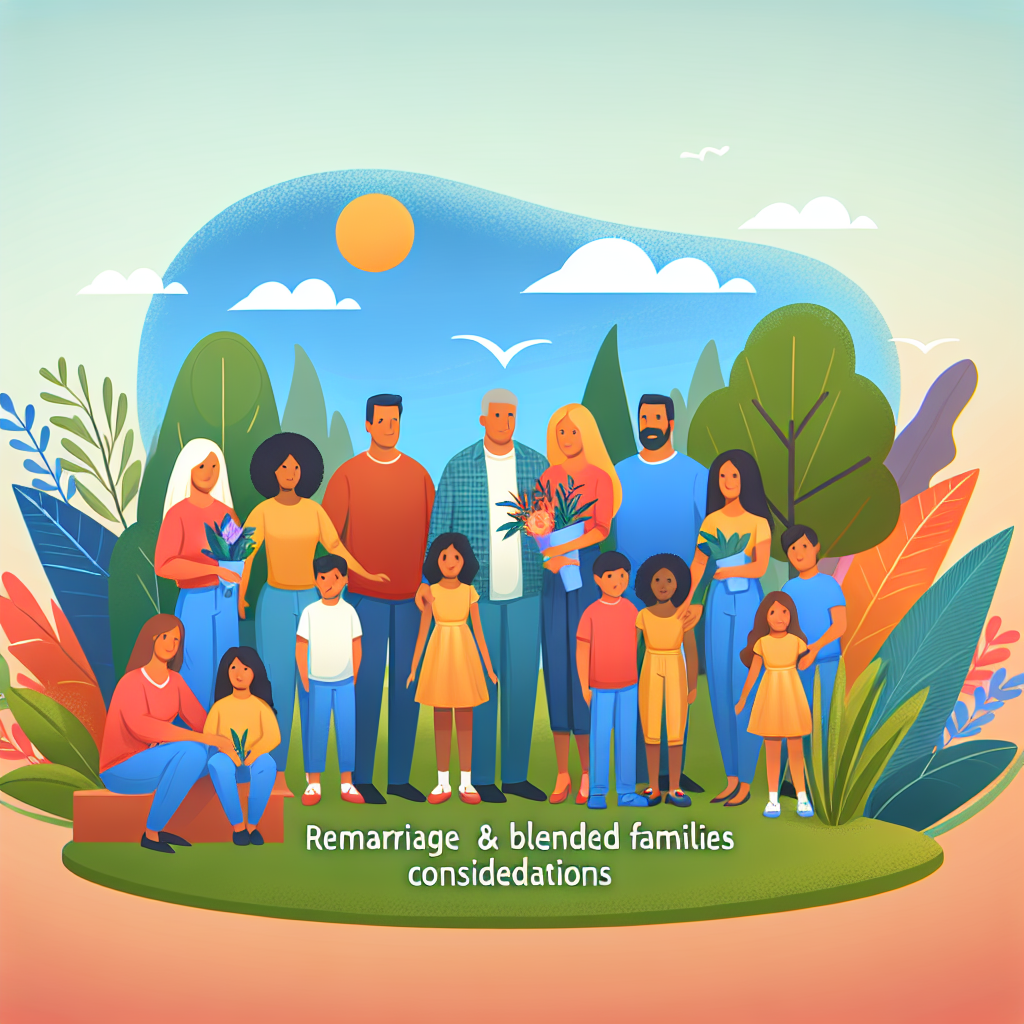
Navigating Blended Family Dynamics: Tips for Overcoming Remarriage Challenges
Introduction
Remarriage and blended families are becoming increasingly common in modern society. With divorce rates on the rise, it is not uncommon for individuals to enter into a second marriage and blend two families together. While blending families can bring new opportunities for love and growth, it also comes with its own unique set of considerations and challenges. In this article, we will explore the definition of a blended family, provide statistics on blended families, and discuss common challenges faced by these families. We will also offer tips and advice on how to navigate the complexities of managing step-parent and step-child relationships, successful co-parenting, dealing with different parenting styles, and handling ex-spouses. By understanding and addressing these issues, blended families can build a strong and happy unit.
Definition of a Blended Family
A blended family, also known as a stepfamily, is a family structure that includes at least one parent who has children from a previous relationship or marriage. This can occur through remarriage or cohabitation where children from both partners’ previous relationships come together to form a new family unit. Blended families can also include children from the current relationship, making it a mix of stepchildren and biological children.
Statistics on Blended Families
According to the Pew Research Center, 40% of marriages in the United States are remarriages for at least one partner. This means that many families in the US are blended families. Additionally, the number of children living with a stepparent has increased significantly in recent years, with about 15% of all children living in blended families as of 2015. Furthermore, about 65% of remarriages involve children from previous relationships, making the dynamics of blended families a common experience for many individuals and families today.
Common Challenges Faced by Blended Families
Blending two families together can bring about various challenges that can impact family dynamics, relationships, and overall well-being. Some of the most common challenges faced by blended families include:
- Adjusting to a new family structure: Blending families means creating a new family structure that may be different from what children are used to. This can be a significant adjustment for both parents and children.
- Managing relationships with stepchildren: Building relationships with stepchildren can be challenging, especially if they are resistant or resentful towards the new parent figure in their lives.
- Coordinating parenting between households: Blended families often involve children living in different households, which can make coordinating parenting practices and rules a challenge.
- Dealing with different parenting styles: When two families come together, there may be different parenting styles and beliefs that can cause conflicts and disagreements.
- Handling ex-spouses: In blended families, ex-spouses may still play a role in parenting, which can be a source of tension and conflict.
Communication Issues within Blended Families
Communication is crucial in any family, but it becomes even more critical in blended families. Often, children may feel caught in the middle of conflicting messages from different parents and households. Additionally, communication between children and new stepparents may be strained as they are still building trust and establishing their relationship. To address these issues, it is essential to establish open and honest communication within the family. This includes:
- Holding family meetings: Scheduling regular family meetings can provide a platform for open communication and problem-solving.
- Encouraging children to express their feelings: It is essential to create a safe space for children to express their feelings and concerns about the new family dynamics.
- Active listening: Parents and stepparents should actively listen to their children and show empathy and understanding towards their experiences and emotions.
- Working together as a team: Blended families require everyone to work together as a team, and communication is key to making this happen.
Managing Step-Parent and Step-Child Relationships
One of the most significant challenges in blended families is building relationships between step-parents and stepchildren. It is essential to remember that these relationships take time and effort to develop and cannot be forced. Some tips for managing step-parent and step-child relationships include:
- Establishing clear roles and boundaries: Both the parent and the stepparent should communicate their roles and boundaries in the family to avoid confusion and possible conflicts.
- Respecting each other’s relationships: Children may not see their stepparent as a parental figure, and that is okay. It is important to respect their relationship and give it time to grow.
- Being patient and understanding: Stepparents may not have the same level of connection and bond with their stepchildren as biological parents, and that is normal. It is essential to be patient and understanding as these relationships take time to develop.
- Creating opportunities for bonding: Plan activities or outings that can help build connections between step-parents and stepchildren, such as playing a game, cooking together, or attending a school event.
- Show appreciation and empathy: It is important to show appreciation and empathy towards each other’s experiences and feelings. This can help build trust and understanding in the relationship.
Tips for Successful Co-Parenting in Blended Families
In blended families, co-parenting refers to the joint effort of biological parents and stepparents in raising and caring for the children. It involves working together to make decisions, establish rules, and create a consistent parenting approach. Some tips for successful co-parenting in blended families include:
- Keep the best interest of the children in mind: The primary goal of co-parenting is to ensure the well-being and happiness of the children. Both parents should always keep this in mind when making decisions.
- Establish clear communication: Effective communication is key to successful co-parenting. Parents should be open and honest with each other about their expectations, concerns, and issues.
- Be consistent: Consistency is essential in parenting, especially in blended families. Parents should work together to establish consistent rules and consequences to avoid confusion and conflict.
- Respect each other’s parenting styles: Each parent may have their own way of parenting, and that is okay. It is essential to respect each other’s parenting styles and work together to find a middle ground that works for everyone.
- Be flexible: Blended families often involve complicated schedules and dynamics. It is important to be flexible and accommodating to each other’s needs and schedules.
Navigating Different Parenting Styles
In blended families, it is not uncommon for parents to have different parenting styles. This can be a source of tension and conflict, especially if not addressed early on. Some tips for navigating different parenting styles in blended families include:
- Communicate openly and respectfully: Parents should communicate with each other about their parenting styles, expectations, and concerns. It is important to listen to each other’s perspectives and find common ground.
- Focus on the present: It is essential to focus on the present and avoid bringing up past issues or conflicts. This can help create a fresh start for the new family unit.
- Seek outside support: In some cases, seeking outside support from a therapist or family counselor can help parents work through their differences and find a compromise.
- Be willing to compromise: In blended families, it is essential to be open to compromise and find a middle ground that works for everyone.
Dealing with Ex-Spouses in Blended Families
Ex-spouses can still play a role in blended families, especially if they have children together. However, this can also be a source of tension and conflict for the new family. Some tips for dealing with ex-spouses in blended families include:
- Communicate respectfully: It is important to communicate respectfully with your ex-spouse, especially in front of the children.
- Keep boundaries: It is essential to establish boundaries with your ex-spouse to avoid misunderstandings and conflicts.
- Focus on the children: It is important to keep the focus on the children and their well-being. Both parents should work together to make decisions that benefit the children.
- Seek outside support: If communication with your ex-spouse becomes difficult, it may be helpful to seek the assistance of a therapist or mediator to facilitate communication and problem-solving.
Building a Strong Blended Family Unit
Blending two families together through remarriage can bring about many challenges and considerations. However, by focusing on open communication, building relationships with stepchildren, and effective co-parenting, blended families can establish a strong and happy unit. It is important to remember that blending a family takes time and effort, and there will be ups and downs along the way. By being patient, understanding, and willing to work together, blended families can overcome challenges and build a loving and supportive family unit.
Retirement Assets and Elder Divorce

Retirement Division in Elder Divorce: Expert Tips for a Smooth Split
Introduction
This article explores the topic of retirement assets in elder divorce. As the population ages, more and more couples are facing the challenges of divorce in their later years, which can have significant implications for their retirement plans. In this article, we will discuss the definition and factors leading to elder divorce, as well as the legal considerations and impact on financial stability. We will also provide strategies for protecting retirement assets and address the emotional and social implications of retirement division. For couples with blended families, we will discuss how to navigate retirement division and provide resources for seniors going through elder divorce.
Definition of Elder Divorce
Elder divorce, also known as gray divorce, refers to the dissolution of marriage between couples over the age of 50. This trend has been on the rise in recent years, with the divorce rate for this age group doubling since the 1990s. While divorce at any age can be challenging, elder divorce presents unique considerations, particularly when it comes to retirement assets.
Factors Leading to Retirement Division in Elder Divorce
There are a variety of reasons that may lead to an elder divorce. Some of the most common factors include:
- Incompatibility: After many years of marriage, couples may realize they have grown apart and no longer have the same interests or goals.
- Infidelity: While infidelity can happen at any age, studies have shown that it is more common in older couples who may have grown tired of their routine or are dealing with the challenges of aging.
- Empty nest syndrome: Once their children have grown and moved out, some couples may find that they no longer have anything in common.
- Financial strain: As couples approach retirement, financial stress can become a major factor in their relationship. This can be compounded by issues such as unexpected health expenses.
Legal Considerations in Retirement Division
Retirement assets are typically considered marital property and are subject to division in a divorce. However, the specific laws and regulations governing retirement division can vary by state. In most cases, retirement assets will be divided equally between the spouses, but there may be exceptions depending on the length of the marriage and other factors.
Pension Plans
One of the most common types of retirement assets is a pension plan. These plans are typically provided by an employer and offer a guaranteed income during retirement. When it comes to divorce, pension plans are subject to division, and the non-employee spouse may be entitled to a portion of the benefits. This is known as a Qualified Domestic Relations Order (QDRO) and must be approved by the court.
Retirement Savings Accounts
Retirement savings accounts, such as 401(k)s and IRAs, are also subject to division in an elder divorce. These accounts may be divided through a QDRO or through a transfer known as a rollover, in which the funds are moved from one spouse’s account to the other’s.
Impact of Retirement Division on Financial Stability
Retirement division in an elder divorce can have a significant impact on the financial stability of both spouses. For many couples, retirement assets may represent their largest source of income in retirement. Dividing these assets can lead to a decrease in overall retirement income, which may require both parties to make adjustments to their retirement plans.
Furthermore, the timing of an elder divorce can also affect the financial stability of both spouses. If a divorce occurs close to retirement age, there may not be enough time for one or both parties to rebuild their retirement savings. This can lead to financial strain and potential difficulties in maintaining their desired lifestyle during retirement.
Strategies for Protecting Retirement Assets in Elder Divorce
There are several strategies couples can utilize to protect their retirement assets in the event of an elder divorce. These include:
- Pre-nuptial or post-nuptial agreements: These legal agreements can outline how retirement assets will be divided in the event of a divorce, providing a clear plan for both parties.
- Collaborative divorce: This approach involves both spouses working together to come to a mutually beneficial agreement on how to divide their assets.
- Delaying divorce: While not always possible, delaying divorce until after retirement can help both spouses maintain their retirement assets and income.
- Consider mediation: Mediation can be a less expensive and less adversarial option for dividing retirement assets in an elder divorce.
Emotional and Social Implications of Retirement Division
Aside from the financial considerations, retirement division in an elder divorce can also have emotional and social implications. For many couples, retirement is viewed as a time to enjoy their golden years together. The end of a marriage and potential loss of retirement assets can lead to feelings of grief, loneliness, and uncertainty about the future.
Retirement division can also have an impact on the social networks of both spouses. Couples may have built a shared social circle over the years, and divorce can lead to changes in these relationships. Additionally, for couples with blended families, retirement division can create tension and challenges in navigating these new family dynamics.
Navigating Retirement Division for Couples with Blended Families
Couples with blended families may face additional complexities in retirement division. Not only do they have to consider their own retirement assets, but also those of their current and former spouses. It is important for these couples to have open and honest discussions about their retirement plans and how they may be affected by a divorce.
They may also need to consider how to handle their retirement assets in a way that is fair for all parties involved. This may involve seeking the advice of financial and legal professionals to ensure that everyone’s interests are taken into consideration and potential conflicts are avoided.
Counseling and Support Resources for Seniors Going Through Elder Divorce
Elder divorce can be a difficult and emotional process, and it is important for seniors to have access to counseling and support resources. These may include support groups for divorced seniors, therapy, and financial counseling to help navigate the financial implications of a divorce.
Family and friends can also be a source of support during this challenging time. It is important for seniors to reach out and lean on their loved ones for emotional support and guidance.
Moving Forward After Retirement Division in Elder Divorce
Retirement division in an elder divorce can be a complex and emotionally trying process. It is important for couples to carefully consider their options and seek the advice of professionals to protect their retirement assets and financial stability. With open communication, support from loved ones, and the utilization of resources, couples can navigate this challenging chapter in their lives and move forward towards a fulfilling retirement.
Social Security and Pension Rights in Elder Divorce

Elder Divorce: Unlocking Social Security & Pension Rights
Introduction
Elder divorce is becoming increasingly common as the population ages and people are living longer. While divorce can be difficult at any age, it can have unique and complex implications for older individuals, particularly in regards to Social Security and pension benefits. In this article, we will explore the various factors and considerations surrounding Social Security and pension rights in elder divorce cases.
Understanding Elder Divorce
Elder divorce, also known as “gray divorce,” refers to the dissolution of a marriage when one or both spouses are over the age of 50. According to a study by the Pew Research Center, the divorce rate among adults 50 and older has doubled since the 1990s. This can be attributed to a variety of factors, including longer life expectancy, changing societal attitudes towards divorce, and financial independence of both spouses.
While divorce at any age can be emotionally and financially challenging, it can be particularly impactful for older individuals who may be nearing retirement or already in retirement. This is especially true when it comes to Social Security and pension benefits, which are often significant sources of income for retirees.
How Social Security is Affected by Elder Divorce
Social Security benefits are designed to provide a source of income for retired individuals. These benefits are based on the individual’s work history and are not typically affected by divorce. However, in the case of elder divorce, the division of assets and income can impact the amount of Social Security benefits received by each spouse.
One important factor to consider is the length of the marriage. In order for a spouse to be eligible for Social Security benefits based on their ex-spouse’s work record, the marriage must have lasted at least 10 years. This is known as the “10-year rule.” If the marriage did not meet this requirement, the ex-spouse would not be entitled to any Social Security benefits based on their former partner’s record.
In addition, if both spouses are eligible for Social Security benefits based on their own work history, they can choose to receive either their own benefits or up to 50% of their ex-spouse’s benefits, whichever is higher. This can be a significant consideration for individuals who may have earned significantly less during their working years.
Impact of Pension Rights in Elder Divorce Cases
Pension benefits are another important source of income for retirees, and they can also be impacted by elder divorce. A pension is a retirement plan that is typically provided by an employer, and it often includes a lifetime income stream for the employee and their spouse. In the case of divorce, the pension benefits may be subject to division between the spouses.
The division of pension benefits in a divorce case is typically addressed through a Qualified Domestic Relations Order (QDRO). This is a court order that directs the plan administrator to divide the pension benefits between the spouses according to the terms of the divorce settlement. It is important to note that not all retirement plans are subject to QDROs, so it is essential to consult with an attorney to determine the best course of action for dividing pension benefits in an elder divorce case.
Legal Considerations for Elder Divorce and Social Security
When it comes to elder divorce and Social Security, there are several important legal considerations to keep in mind. These include:
- Eligibility for spousal benefits: As mentioned earlier, if a marriage lasted at least 10 years, the ex-spouse may be eligible to receive Social Security benefits based on their former partner’s work record. This can be an important source of income for individuals who may have earned less during their working years.
- Income limitations: If both parties are receiving Social Security benefits, their combined income may be subject to taxation. This can impact the overall financial situation of both individuals and may need to be factored into the divorce settlement.
- Timing of benefits: Depending on the age of the individuals and their work history, it may be more beneficial for one spouse to claim Social Security benefits early while the other spouse waits to claim at a later age. This can have significant implications for the total amount of benefits received over time.
Tips for Protecting Pension Rights in Elder Divorce
Dividing pension benefits in an elder divorce case can be complex and may require the assistance of an attorney. However, there are some steps that individuals can take to protect their pension rights during the divorce process:
- Gather all necessary information: It is important to have a complete understanding of the pension plan, including the type of plan, vesting schedule, and estimated value of the benefits.
- Consider the tax implications: Depending on the type of pension plan, benefits may be subject to taxation. This should be factored into the overall division of assets and income in the divorce settlement.
- Explore a lump-sum payment: In some cases, it may be possible to receive a lump-sum payment of pension benefits instead of a lifetime income stream. This can be beneficial for individuals who may need a larger sum of money immediately for financial stability.
- Consult with an attorney: An experienced attorney can help navigate the complexities of dividing pension benefits in an elder divorce case and ensure that the rights of both parties are protected.
Exploring Alternative Options for Elder Divorce and Social Security
While divorce may be the best option for some couples, there are alternative options that should be considered before taking that step. These include legal separation, mediation, and collaborative divorce. These options can help couples come to a mutually beneficial agreement without the need for a lengthy and costly court battle.
In addition, couples may also want to explore the possibility of staying married but living separately. This can allow them to maintain eligibility for certain benefits, such as Social Security spousal benefits, while also providing the space and independence needed for a healthy relationship.
Important Factors to Consider Before Filing for Elder Divorce and Social Security
If you are considering filing for elder divorce, there are several important factors that should be carefully considered:
- Timing: As mentioned earlier, the age of both individuals and their work history can impact the timing of Social Security benefits. It is important to carefully evaluate the potential impact of divorce on these benefits before proceeding.
- Financial implications: Divorce can be costly, particularly for older individuals who may have fewer earning years ahead of them. It is essential to consider all financial implications, including the division of assets and potential loss of benefits, before filing for divorce.
- Emotional impact: Divorce can be emotionally challenging at any age, but it can be particularly difficult for older individuals who may have been married for decades. It is important to seek support and guidance from a therapist or counselor to help navigate the emotional impact of divorce.
Navigating the Complexities of Elder Divorce, Social Security, and Pension Rights
Elder divorce can be a complex and emotionally challenging process, particularly when it comes to Social Security and pension benefits. It is important to seek the guidance of an experienced attorney and financial advisor who can help navigate the complexities of the legal and financial aspects of divorce.
In addition, it is important to prioritize open and honest communication with your spouse to come to a mutually beneficial agreement. This can help reduce the emotional toll of the divorce and ensure that both parties are able to maintain financial stability during and after the process.
Ensuring Financial Security During and After Elder Divorce
Elder divorce can be a difficult and complex process, but it is possible to protect your financial security during and after the divorce. By understanding the implications of Social Security and pension benefits, seeking the guidance of legal and financial professionals, and prioritizing communication and compromise with your spouse, you can ensure a more stable financial future for yourself and your family.
Strategies for Asset Protection

Boost Your Wealth with Expert Asset Protection Strategies
Overview of Asset Protection Strategies
Asset protection refers to the legal strategies and tools used to safeguard an individual’s or business’s assets from potential risks or threats. These assets may include financial resources, real estate, personal possessions, intellectual property, and more. The goal of asset protection is to preserve and secure these valuable assets for future use or transfer to heirs, while also minimizing any potential liabilities or losses.
Understanding the Importance of Asset Protection
Asset protection is crucial for individuals and businesses alike, as it helps mitigate potential risks and threats that could jeopardize their financial stability and future plans. Without proper asset protection, individuals and businesses are vulnerable to various legal and financial liabilities, which could result in significant losses and even bankruptcy.
Asset protection also plays a vital role in estate planning, as it helps ensure the smooth transfer of assets to heirs and beneficiaries. It can also provide peace of mind to individuals and business owners, knowing that their assets are adequately protected and secured for their loved ones.
Common Threats to Asset Protection
There are several potential threats to an individual’s or business’s assets, including lawsuits, creditors, divorce, taxes, and fraud. These threats can arise unexpectedly and have significant financial implications if not adequately addressed. Therefore, it is essential to understand these threats and take proactive steps to protect assets from them.
Lawsuits
Lawsuits are a common threat to asset protection, as they can arise from various sources, such as accidents, professional liability, and contractual disputes. These lawsuits can result in significant financial losses, especially if the individual or business does not have sufficient insurance coverage or assets to cover the damages.
Creditors
Creditors are another potential threat to asset protection, as they can seek to collect what they are owed through various legal means, such as liens and judgments. This can be particularly problematic for individuals and businesses with significant debt or financial obligations.
Divorce
In the case of divorce, assets are subject to division between spouses, which can result in the depletion of assets and financial turmoil. Without proper asset protection measures in place, individuals may end up losing a significant portion of their assets during a divorce settlement.
Taxes
Taxes are a necessary part of life, but they can also pose a threat to asset protection. High taxes can significantly reduce an individual’s or business’s assets, leaving them with fewer resources to protect and invest in the future.
Fraud
Fraud is another potential threat to asset protection, as it can result in significant financial losses and damage to one’s reputation. Individuals and businesses can fall victim to various types of fraud, such as identity theft, investment scams, and fraudulent business practices.
Steps to Develop an Asset Protection Plan
Developing an effective asset protection plan involves a series of steps that individuals and businesses can follow to safeguard their assets. These steps include:
Assessing Risks and Vulnerabilities
The first step in developing an asset protection plan is to identify potential risks and vulnerabilities. This involves assessing one’s assets, financial situation, and potential threats. It is essential to take a comprehensive and honest look at one’s assets and liabilities to determine the level of protection needed.
Setting Goals and Objectives
Once the risks and vulnerabilities have been identified, the next step is to set specific goals and objectives for the asset protection plan. These goals and objectives should align with the individual’s or business’s long-term plans and financial goals.
Choosing the Right Tools and Techniques
There are various asset protection tools and techniques available that individuals and businesses can utilize to safeguard their assets. Some of these include trusts, insurance, business entities, and more. It is essential to choose the right tools and techniques that best fit one’s goals and objectives.
Implementing the Plan
Once the appropriate tools and techniques have been chosen, the next step is to implement the asset protection plan. This may involve creating trusts, setting up business entities, purchasing insurance, and more.
Regularly Reviewing and Updating the Plan
Asset protection is an ongoing process, and it is essential to regularly review and update the plan as needed. This is especially important when significant life events, such as marriage, divorce, or business changes, occur.
Asset Protection Tools and Techniques
There are several asset protection tools and techniques that individuals and businesses can utilize to safeguard their assets. These include:
Trusts
Trusts are a popular asset protection tool that allows individuals to transfer their assets into a trust, where they are managed by a trustee for the benefit of the trust’s beneficiaries. Trusts can provide protection from lawsuits, creditors, and other potential threats, as the assets are no longer owned by the individual directly.
Insurance
Insurance is another crucial asset protection tool that can protect individuals and businesses from potential liabilities and losses. Some common types of insurance used for asset protection include liability insurance, malpractice insurance, and long-term care insurance.
Business Entities
Business entities, such as corporations, LLCs, and partnerships, can also provide asset protection for individuals and businesses. By separating personal and business assets, individuals can protect their personal assets from potential business liabilities.
Offshore Trusts and Entities
For individuals with significant assets, offshore trusts and entities can provide an additional layer of protection. These entities are set up in offshore jurisdictions with favorable asset protection laws and can provide protection from potential legal threats.
Homestead Exemptions
Homestead exemptions are laws that protect an individual’s primary residence from being seized by creditors or other legal threats. These exemptions vary by state and can provide a significant level of protection for homeowners.
Utilizing Trusts for Asset Protection
Trusts are a popular tool for asset protection, as they provide several benefits for individuals and businesses. Some of these benefits include:
Protection from Creditors and Legal Threats
When assets are placed in a trust, they are no longer owned by the individual directly. This means that they are protected from potential creditors and legal threats, as they are under the management of a trustee.
Tax Benefits
Depending on the type of trust used, there may be potential tax benefits for individuals. For example, a revocable trust allows the creator to maintain control over the assets and avoid estate taxes.
Preservation of Assets for Heirs
By placing assets in a trust, individuals can ensure that their assets are preserved for their heirs and beneficiaries. This can be particularly beneficial for individuals with significant assets and complex family situations.
Incorporating Business Entities for Asset Protection
Incorporating business entities, such as LLCs and corporations, can provide significant asset protection for individuals and business owners. Some benefits of incorporating include:
Separation of Personal and Business Assets
By setting up a business entity, individuals can separate their personal and business assets. This means that personal assets are not at risk if the business faces lawsuits or other legal threats.
Limited Personal Liability
One of the primary benefits of incorporating is the limited personal liability it offers to business owners. This means that personal assets are generally protected from business liabilities and debts.
Tax Benefits
Incorporating can also provide tax benefits, such as reducing self-employment taxes and avoiding double taxation for corporations.
Importance of Regularly Reviewing and Updating Asset Protection Plan
Asset protection is an ongoing process, and it is essential to regularly review and update the plan as needed. This is particularly important when significant life events occur, such as marriage, divorce, or business changes.
Regularly reviewing and updating the asset protection plan ensures that it remains aligned with one’s goals and objectives and adapts to any changes in the individual’s or business’s financial situation. Failure to review and update the plan can leave one vulnerable to potential threats and liabilities.
Working with a Professional to Develop an Effective Asset Protection Strategy
Developing an effective asset protection strategy can be a complex and daunting task. Therefore, it is crucial to work with a professional, such as an attorney or financial advisor, to develop a comprehensive plan that meets one’s specific needs and goals.
A professional can help assess one’s risks and vulnerabilities, set appropriate goals and objectives, choose the right tools and techniques, and regularly review and update the plan as needed. They can also ensure that the plan complies with all relevant laws and regulations.
Protecting Your Assets for a Secure Future
In today’s uncertain world, asset protection is more important than ever. By understanding the potential threats to one’s assets and utilizing the right tools and techniques, individuals and businesses can safeguard their assets for a secure future.
It is essential to regularly review and update the asset protection plan, as well as work with a professional, to ensure that the plan remains effective and aligned with one’s goals and objectives. With proper asset protection in place, individuals and businesses can have peace of mind knowing that their assets are secure for themselves and their loved ones.