

Creating a Supportive Mediation Environment

Mastering Mediation: Effective Techniques for Conflict Resolution
Understanding the Importance of Mediation in Conflict Resolution
Mediation is a crucial tool in resolving conflicts and reaching mutually beneficial agreements. It involves a neutral third party, the mediator, who facilitates communication and negotiation between two or more parties in a dispute. Mediation is often preferred over litigation as it is less time-consuming, less expensive, and allows for a more collaborative and personalized resolution.
Identifying the Role of a Mediator in Resolving Disputes
The role of a mediator is to act as a facilitator, not a decision-maker. They are responsible for creating a safe and supportive environment for all parties to express their perspectives and concerns. A mediator should remain impartial and free from biases, actively listen to each party, and guide the discussion towards finding a mutually agreeable solution.
Creating a Positive and Comfortable Environment for Mediation
A supportive environment is essential for successful mediation. The physical space should be comfortable, private, and free from distractions. It is also crucial to establish ground rules and expectations for behavior and communication. This can include speaking respectfully, taking turns, and refraining from interrupting or personal attacks.
Active Listening Techniques for Effective Communication
Active listening is a crucial skill for mediators to create a supportive environment. It involves giving full attention to the speaker and seeking to understand their perspective without judgment. This can be achieved by maintaining eye contact, using non-verbal cues, summarizing and paraphrasing, and asking clarifying questions.
Building Rapport and Trust with Both Parties
Rapport and trust are essential components of a supportive mediation environment. As a mediator, it is crucial to establish a positive relationship with each party and build trust through open and transparent communication. This can involve acknowledging and validating their emotions, showing empathy, and avoiding taking sides.
Using Empathy to Acknowledge and Validate Emotions
Emotions play a significant role in conflicts, and a mediator must be skilled in handling them in a supportive manner. Empathy is the ability to understand and share the feelings of another person. By acknowledging and validating the emotions of each party, the mediator can create a safe space for them to express themselves and feel heard.
Managing Strong Emotions and Diffusing Tension
Conflicts can be emotionally charged, and it is the role of the mediator to manage strong emotions and diffuse tension. This can be achieved by using de-escalation techniques such as addressing emotions, reframing negative statements, and finding common ground. The mediator should also be aware of their own emotions and manage them professionally.
Collaborative Problem-Solving Strategies
A supportive mediation environment should encourage collaborative problem-solving rather than a win-lose mentality. The mediator should facilitate a discussion that focuses on finding a solution that meets the needs and interests of all parties. This can involve brainstorming, exploring different options, and finding common ground.
Encouraging Open Communication and Negotiation
Effective communication and negotiation are crucial in a supportive mediation environment. The mediator should encourage open and honest communication, allowing each party to express their needs and concerns. They should also facilitate negotiation, helping parties to find common ground and reach a mutually beneficial agreement.
Concluding Mediation with Win-Win Solutions and Follow-up Plans
The ultimate goal of mediation is to reach a win-win solution that satisfies the needs and interests of all parties involved. A supportive mediation environment should facilitate this outcome. The mediator should ensure that all parties are satisfied with the agreement and discuss follow-up plans for implementing and reviewing the agreement.
Dealing with Grief and Loss

Mastering Grief: Strategies & Support
Introduction to Grief and Loss
Grief and loss are universal experiences that we all go through at some point in our lives. Whether it’s through the death of a loved one, the end of a relationship, or a major life change, grief is a natural response to loss. It is often described as a rollercoaster of emotions, ranging from sadness and anger to numbness and confusion. In this article, we will explore what grief is and the stages of grief, as well as common coping strategies and seeking support to navigate this difficult journey.
What is Grief?
Grief is a complex emotional response to loss. It is a natural and necessary part of the healing process and can manifest in various ways. Some common emotions experienced during grief include sadness, anger, guilt, loneliness, and despair. It can also have physical symptoms such as fatigue, changes in appetite, and difficulty sleeping. The intensity and duration of grief can differ for each person and can be influenced by factors such as the relationship with the loss, support system, and individual coping mechanisms.
The Stages of Grief
While grief can manifest in different ways, there are commonly recognized stages that people may go through when processing their loss. These stages were first identified by psychiatrist Elisabeth Kübler-Ross in her book “On Death and Dying” and have since been adapted to apply to various types of loss.
Denial: In this stage, the person may struggle to accept the reality of their loss. They may feel shock, disbelief, and a sense of numbness.
Anger: As the reality of the loss sets in, the person may experience anger and frustration. This can be directed at themselves, others, or even the person they have lost.
Bargaining: In this stage, the person may try to make deals or promises with a higher power or themselves in an attempt to reverse the loss. This is often seen as a way of trying to regain control in a situation where they feel helpless.
Depression: As the person begins to accept the loss, they may experience deep sadness and despair. They may withdraw from others, lose interest in activities they once enjoyed, and feel a sense of hopelessness.
Acceptance: In the final stage, the person comes to terms with their loss and begins to adjust to life without the person or thing they have lost. This does not mean they are completely “over” the loss, but rather have found a way to live with it.
It’s important to note that these stages do not necessarily occur in a linear fashion and can vary in duration and intensity for each person. It’s also common for people to move back and forth between stages or experience multiple stages at once.
Common Coping Strategies for Grief
Grief can feel overwhelming and all-consuming, but there are healthy coping strategies that can help individuals process their emotions and move through the grieving process.
Talk it out: Sharing your feelings with trusted friends and family members can be a helpful way to process your emotions and feel supported. If you don’t feel comfortable talking to loved ones, consider seeking out a therapist or joining a support group.
Express yourself creatively: Many people find solace in creative outlets such as writing, art, or music. These activities can help you express your emotions and find a sense of release and catharsis.
Practice self-care: During times of grief, it’s important to take care of yourself both physically and emotionally. This can include getting enough rest, eating well, and engaging in activities that bring you joy.
Keep a routine: While it may be tempting to withdraw or isolate yourself, maintaining a routine can give you a sense of stability and normalcy during a difficult time.
Allow yourself to grieve: It’s important to give yourself permission to feel and process your emotions. Trying to suppress or ignore your grief can actually prolong the healing process.
Seeking Professional Support for Grief and Loss
While friends and family can be a valuable source of support during grief, sometimes it may be necessary to seek professional help. This is especially important if you feel overwhelmed, unable to function in daily life, or if your grief is impacting your mental health.
Therapy: A therapist can provide a safe and non-judgmental space for you to process your emotions and work through your grief. They can also offer coping strategies and support for any underlying mental health issues that may be exacerbated by your loss.
Support groups: Joining a support group with others who are also experiencing grief can provide a sense of understanding and validation. It can also offer practical tips and advice for navigating the grieving process.
Medication: In some cases, a doctor may prescribe medication to help manage the symptoms of grief, such as depression or anxiety. This should always be done under the supervision of a medical professional.
How to Support Someone Going Through Grief
If someone you care about is going through grief, it can be difficult to know how to support them. Here are some tips for helping a loved one who is grieving:
Listen: Sometimes the best thing you can do is simply listen. Let your loved one know that you are there for them and are willing to listen without judgment or advice.
Offer practical help: Grief can be all-consuming, and your loved one may not have the energy or ability to take care of daily tasks. Offer to help with errands, household chores, or meals.
Avoid clichés: While well-intentioned, phrases like “everything happens for a reason” or “they’re in a better place now” can minimize or invalidate someone’s feelings of grief. Instead, simply express your condolences and offer your support.
Remember important dates: Birthdays, anniversaries, and holidays can be particularly difficult for someone grieving. Let your loved one know that you are thinking of them and offer to spend time with them or help them commemorate the occasion in a meaningful way.
Understanding Complicated Grief
While most people are able to navigate the grieving process with time and support, some may experience complicated or prolonged grief. This is when grief persists for an extended period of time and interferes with daily functioning. Some signs of complicated grief may include intense and ongoing feelings of sadness, difficulty accepting the loss, and a sense of meaninglessness or purposelessness.
If you or someone you know is struggling with complicated grief, it’s important to seek professional help. A therapist can provide support and guidance in navigating through this challenging form of grief.
Grief and Loss in Different Cultures and Belief Systems
Grief is a universal experience, but the way it is expressed and managed can differ across cultures and belief systems. For example, some cultures may have specific rituals or customs surrounding death and grieving, while others may view death as a natural part of life. It’s important to respect and understand these differences when supporting someone from a different background or belief system.
Additionally, individuals may have different beliefs about what happens after death. Some may find comfort in a belief in an afterlife, while others may find solace in the idea that their loved one lives on through memories and legacy. It’s important to respect and validate these beliefs, as they can be a source of comfort and healing for someone experiencing grief.
The Impact of Grief on Mental Health
Grief can have a significant impact on mental health, especially if it is not properly addressed and managed. It can lead to an increased risk of developing mental health disorders such as depression, anxiety, and post-traumatic stress disorder (PTSD). It can also exacerbate existing mental health issues.
If you are struggling with your mental health as a result of grief, it’s important to seek professional help. A therapist can provide support and strategies for managing your emotions and improving your mental well-being.
Finding Meaning and Healing in the Grief Journey
While grief can feel all-consuming and overwhelming, it’s important to remember that the ultimate goal is not to “get over” the loss, but rather find a way to live with it. This can involve finding meaning and purpose in the loss, and using it as a catalyst for personal growth and healing.
Some ways to find meaning and healing in the grief journey may include:
Honor your loved one’s memory: Find ways to honor and remember your loved one, such as creating a memorial, participating in activities they enjoyed, or simply talking about them with others.
Find purpose in the loss: While it may seem counterintuitive, some people find a sense of purpose or meaning in their loss. This can involve using their experience to help others, advocating for causes related to the loss, or making changes in their own life as a result of the loss.
Take care of yourself: Grief can be emotionally and physically exhausting, so it’s important to continue to prioritize self-care and find ways to cope with your emotions in a healthy way.
Seek support: Support from friends, family, and professionals can be crucial in navigating the grief journey and finding healing. Don’t hesitate to reach out for help when needed.
Conclusion
Grief and loss are natural and necessary parts of the human experience. While it can be painful and difficult, it’s important to remember that there is no “right” way to grieve and that everyone’s journey will be different. By understanding the stages of grief, utilizing healthy coping strategies, and seeking support when needed, individuals can find meaning and healing in their grief journey.
Emotional Impact of Financial Disputes

The Emotional Toll of Financial Conflicts: Expert Insights
Introduction
Financial disputes can have a significant emotional impact on individuals and relationships. These conflicts arise when there are disagreements over money matters, such as spending habits, budgeting, and financial decisions. While these disputes may seem like a purely financial issue, they can also have a profound effect on people’s emotional well-being. In this article, we will explore the emotional toll of financial conflicts and provide strategies for coping with them.
Understanding the Impact of Financial Conflicts
Financial disputes can arise for various reasons, including differences in values and priorities, inadequate communication, and financial strain. When these conflicts occur, they can cause a range of negative emotions, including anger, frustration, anxiety, and stress. These emotions can lead to further problems, such as strained relationships and poor mental health.
The Emotional Toll on Individuals
Financial disputes can take a significant toll on individuals, both mentally and emotionally. The stress and anxiety caused by these conflicts can lead to sleep problems, difficulty concentrating, and physical health issues. People may also experience feelings of guilt, shame, and inadequacy if they believe they are responsible for the dispute. The emotional impact of financial disputes can also affect other areas of an individual’s life, such as work performance and social interactions.
Strains on Relationships
Financial conflicts can put a strain on relationships, whether they are between romantic partners, family members, or friends. Money is a sensitive and personal topic, and disagreements over it can lead to hurt feelings and resentment. These conflicts can also create a divide between individuals, causing them to avoid communication and intimacy. Over time, this strain can damage the relationship and lead to further conflicts.
Effects on Mental Health
The emotional impact of financial disputes can also have a significant effect on an individual’s mental health. Ongoing stress and anxiety from these conflicts can contribute to the development of mental health issues, such as depression and anxiety disorders. These conflicts can also trigger pre-existing mental health conditions, making it challenging to manage symptoms. Additionally, the financial strain caused by disputes can lead to financial insecurity, which can contribute to feelings of hopelessness and low self-esteem.
Coping Mechanisms for Dealing with Financial Conflicts
Dealing with financial conflicts can be emotionally challenging, but there are strategies that individuals can use to cope with the emotional toll. These may include:
- Recognizing and acknowledging emotions: The first step in coping with the emotional impact of financial disputes is to recognize and acknowledge your emotions. This can help you understand why you are feeling a certain way and identify any underlying issues that need to be addressed.
- Communicating effectively: Effective communication is essential in resolving financial disputes. It is crucial to remain calm and avoid attacking or blaming the other person. Instead, focus on expressing your thoughts and feelings in a respectful and non-confrontational manner.
- Practicing self-care: Taking care of oneself is crucial during times of emotional distress. This can include activities such as exercise, getting enough sleep, and practicing relaxation techniques like meditation or deep breathing.
- Seeking support: You don’t have to deal with the emotional impact of financial disputes alone. Seek support from trusted friends and family members, or consider joining a support group for individuals dealing with similar issues.
- Setting boundaries: It is important to set boundaries and stick to them when dealing with financial conflicts. This can help protect your emotional well-being and prevent further disputes.
Seeking Professional Help
In some cases, the emotional impact of financial disputes may be too overwhelming to manage alone. In these situations, seeking professional help can be beneficial. Financial therapists or counselors can provide guidance and support in managing the emotional toll of financial conflicts. They can also help individuals develop healthier communication and coping strategies.
Communicating Effectively to Resolve Conflicts
Effective communication is essential in resolving financial disputes and managing the emotional impact. Here are some tips for communicating effectively:
- Use “I” statements: Using “I” statements instead of blaming or accusatory language can help prevent the other person from becoming defensive and promote more productive communication.
- Listen actively: Active listening involves paying attention to what the other person is saying without interrupting or formulating a response. This can help you understand their perspective and find common ground.
- Take breaks if needed: If emotions are running high, it may be beneficial to take a break and come back to the conversation when both parties are calmer.
- Focus on finding a solution: Instead of getting caught up in the argument, try to focus on finding a solution that works for both parties.
Importance of Financial Planning and Management
One way to prevent or minimize financial disputes is through effective financial planning and management. This can include creating a budget, setting financial goals, and regularly reviewing and communicating about financial decisions. Having a clear plan in place can help reduce financial strain and minimize conflict.
Overcoming the Emotional Toll of Financial Conflicts
Financial disputes can have a significant emotional impact on individuals and relationships. However, by recognizing and acknowledging emotions, communicating effectively, seeking support, and practicing self-care, individuals can manage the emotional toll of these conflicts. By also focusing on effective financial planning and management, individuals can prevent or minimize future conflicts and promote healthier relationships.
Empowering Decisions in Emotional Contexts

Unlock Your Potential: Empowerment in Emotional Decision Making
The Power of Empowerment in Emotional Decision Making
In today’s fast-paced and highly demanding world, decision making can be a daunting task. With so much information and choices available, it can be overwhelming to make decisions, especially when emotions are involved. However, learning to make empowered decisions in emotional contexts can lead to a more fulfilling and satisfying life. In this article, we will explore the importance of empowerment in decision making, and how we can harness the power of emotions to make confident and empowered choices.
Understanding the Role of Emotions in Decision Making
Emotions play a significant role in our decision making process. They can influence our thoughts, behaviors, and ultimately, the choices we make. It is essential to understand that emotions are not inherently good or bad; they are simply a natural response to our experiences. Some emotions, such as fear and self-doubt, can hinder our ability to make empowered decisions, while others, such as joy and excitement, can propel us forward. By recognizing and understanding our emotions, we can use them to our advantage in decision making.
Recognizing Your Own Emotional Triggers
It is crucial to recognize our own emotional triggers when making decisions. These triggers are the events or situations that elicit a strong emotional response from us. They can be anything from past experiences to specific people or even certain words. By understanding our emotional triggers, we can be more aware of how they may influence our decision making and take steps to manage them. This self-awareness allows us to make more empowered choices instead of being controlled by our emotions.
Overcoming Fear and Self-Doubt in Decision Making
Fear and self-doubt are common emotions that can hinder our decision making. They can make us second-guess ourselves and prevent us from taking necessary risks. However, it is essential to remember that fear and self-doubt are just emotions, and they do not define us. To overcome these emotions, we must challenge our thoughts and beliefs. We can do this by asking ourselves why we feel fearful or doubtful and whether those thoughts are based on reality or our own insecurities. By addressing these emotions head on, we can make decisions that are based on our values and goals, rather than being controlled by fear and self-doubt.
Embracing Vulnerability and Authenticity in Decision Making
Vulnerability and authenticity are often seen as weaknesses. However, in reality, they can be our greatest strengths. Being vulnerable means being open and honest about our thoughts and feelings, even when it is uncomfortable. Authenticity means being true to ourselves and our values. By embracing vulnerability and authenticity in decision making, we can make choices that are aligned with who we are and what we want. This allows us to make empowered decisions that are in line with our true selves, rather than being influenced by external factors or societal expectations.
The Importance of Self-Compassion in Decision Making
Self-compassion is the practice of being kind and understanding towards ourselves, especially in difficult situations. It is crucial to cultivate self-compassion in decision making because it allows us to be more forgiving of ourselves when we make mistakes or face challenges. Making decisions can be stressful, and we may not always make the best choice. However, by practicing self-compassion, we can learn from our mistakes and move forward with more confidence and self-assurance.
Navigating the Influence of Others in Decision Making
When making decisions, it is common to seek the advice and opinions of others. While it can be helpful to get a different perspective, it is essential to remember that ultimately, the decision is ours to make. Others may have their own agendas or biases that can influence their advice. It is crucial to consider their input, but ultimately, we must make the decision that feels right for us. By being aware of the influence of others, we can make empowered choices that are in line with our own values and goals.
Letting Go of Perfectionism in Decision Making
Perfectionism is the belief that we must be flawless and make perfect decisions at all times. This mindset can be detrimental to our decision making as it can lead to overthinking and fear of making mistakes. It is essential to recognize that perfection is unattainable and that mistakes are a natural part of the learning process. By embracing imperfection, we can make decisions with more confidence and self-acceptance.
Setting Boundaries and Making Empowered Choices
Boundaries are essential in decision making as they allow us to protect our time, energy, and well-being. When we have clear boundaries, we can say no to things that do not align with our values and goals. This allows us to make choices that empower us and move us towards our desired outcomes. Setting boundaries also allows us to prioritize our needs and make decisions that are in our best interest, rather than always trying to please others.
The Impact of Empowered Decision Making on Your Life and Relationships
Making empowered decisions in emotional contexts can have a significant impact on our lives and relationships. When we are in control of our emotions and make decisions based on our values and goals, we can experience greater satisfaction and fulfillment. This can also improve our relationships as we are more authentic and assertive in our communication, leading to stronger and healthier connections with others.
Conclusion
By harnessing the power of emotions and practicing self-awareness, self-compassion, and authenticity, we can make empowered decisions in emotional contexts. It is crucial to recognize that decision making is not always easy, and it is natural to experience fear, doubt, and vulnerability. However, by understanding and managing these emotions, we can make choices that align with our true selves and lead to a more fulfilling life.
Fear and Insecurity in Divorce Decisions

Conquering Divorce Decision Anxiety: Overcoming Fear
Understanding the Complexity of Divorce Decision Anxiety
The decision to get divorced is often one of the most difficult and emotionally charged decisions a person can make. It can be filled with fear, doubt, and insecurity, making it a complex and overwhelming process. Divorce decision anxiety can arise from many factors, such as the fear of change, financial concerns, and the potential impact on children. Understanding the root causes of this anxiety can help individuals cope with their emotions and make the best decisions for their future.
The Impact of Fear on the Divorce Decision
Fear is a natural response to any major life change, and divorce is no exception. The fear of the unknown, the loss of security, and the potential for financial instability can all contribute to the fear surrounding divorce. This fear can be paralyzing and cause individuals to second-guess their decision or hesitate to move forward with the process.
Additionally, fear can be compounded by societal expectations and pressure, especially for those who come from cultures or backgrounds where divorce is stigmatized. This fear of judgment and social repercussions can add an extra layer of anxiety to the decision-making process.
Identifying the Root Causes of Fear in Divorce
It is important to identify the specific fears that are contributing to divorce decision anxiety. This can help individuals address and work through these fears in a more productive manner. Some common root causes of fear in divorce include:
- Fear of Change: Divorce marks the end of a significant chapter in one’s life and can bring about a lot of changes. This fear is often fueled by the uncertainty of the future and the fear of losing the familiar.
- Fear of Financial Implications: Divorce can have a significant impact on one’s finances, and this fear can be heightened if one is financially dependent on their spouse. The fear of financial instability and not being able to support oneself can be a major source of anxiety.
- Fear for Children: For parents, the fear of how divorce will affect their children is often a top concern. This can range from worries about custody battles to the emotional impact of the divorce on children.
- Fear of Being Alone: The prospect of being single and starting over can be daunting for many individuals. This fear can be especially strong for those who have been in a long-term marriage or have never lived alone before.
- Fear of Self-Doubt: The decision to get divorced can bring up a lot of self-doubt and questions about one’s own worth and ability to make good decisions. This can be particularly challenging for individuals who may have been in emotionally or verbally abusive relationships.
Coping Strategies for Overcoming Fear of Divorce
While it may not be possible to eliminate all fears and anxieties surrounding divorce, there are some coping strategies that can help individuals manage and overcome their fears.
- Seeking Support: Talking to a therapist, joining a divorce support group, or confiding in trusted friends and family can provide much-needed emotional support during this challenging time. It can also help individuals gain different perspectives and feel less alone in their experience.
- Practicing Mindfulness: Mindfulness techniques, such as deep breathing and meditation, can help individuals stay grounded and present in the moment. This can be particularly helpful in managing fears and anxieties about the future.
- Educating Yourself: One of the best ways to overcome fear is to gather information and educate yourself about the divorce process, legal rights, and options. This can help alleviate some of the unknowns and empower individuals to make informed decisions.
- Visualizing a Positive Outcome: Visualizing a positive outcome can help individuals focus on the potential for growth and new opportunities after divorce. This can provide a sense of hope and motivation to move forward.
- Creating a Plan: Developing a plan for the future, whether it’s a financial plan or a co-parenting plan, can help individuals feel more in control and less overwhelmed. It can also provide a roadmap for navigating the divorce process.
Seeking Professional Help for Divorce Decision Anxiety
In some cases, the fear and anxiety surrounding divorce may be too overwhelming to manage on one’s own. Seeking professional help from a therapist or counselor can provide a safe and supportive space to work through these emotions. Therapists can also provide tools and techniques to cope with anxiety and make the divorce process more manageable.
Additionally, seeking the help of a divorce attorney can help alleviate some of the fears surrounding the legal process. Attorneys can provide guidance and support in navigating the legal system, as well as advocating for their clients’ best interests.
Managing Emotions and Self-Care during the Divorce Process
The divorce process can be emotionally exhausting, and it is important to prioritize self-care during this time. This can include taking breaks from dealing with divorce-related matters, engaging in activities that bring joy and relaxation, and practicing self-compassion. It is also crucial to recognize and process emotions, even if they are difficult, rather than suppressing them.
Managing expectations during the divorce process is also key. It is important to acknowledge that it may be challenging and to give oneself grace in navigating this difficult time.
Building a Support System to Navigate Divorce Decision Anxiety
Having a strong support system can make a significant difference in managing fear and anxiety during divorce. This can include close friends and family, but also professionals such as therapists, attorneys, and financial advisors. Building a support system also means setting boundaries and seeking support when needed.
In addition, it can be helpful to connect with others who have gone through or are currently going through a divorce. This can provide a sense of community and understanding, as well as tips and advice from those who have been through a similar experience.
Legal Considerations for Overcoming Fear of Divorce
There are several legal considerations to keep in mind when dealing with divorce decision anxiety. It is essential to understand one’s legal rights and options, as well as potential consequences and outcomes of different decisions.
Some key legal considerations include property division, child custody and support, alimony, and tax implications. It may also be helpful to consult with a financial advisor to understand the financial implications of the divorce and plan for the future.
Moving Forward: Creating a Positive Post-Divorce Future
While divorce can be a challenging and emotionally taxing experience, it also marks the beginning of a new chapter in life. It can be an opportunity for personal growth and a chance to create a positive future. This may involve setting new goals, exploring new interests, or building new relationships.
It is important to give oneself time to heal and process emotions, but also to focus on the potential for a brighter future. This may involve seeking additional support, practicing self-care, and staying open to new opportunities.
Embracing Change and Growth after Divorce Decision Anxiety
Divorce decision anxiety can be overwhelming and challenging to overcome, but it can also be a catalyst for positive change and growth. Understanding the root causes of fear and anxiety, seeking support, and educating oneself about the process can all help individuals navigate this difficult time. By prioritizing self-care, building a strong support system, and staying open to new possibilities, it is possible to overcome fear and embrace a positive future after divorce.
Healing and Growth Post-Divorce

Moving On After Divorce: Expert Tips for Starting Fresh
The Impact of Divorce on One’s Life
Divorce is a major life event that can have a significant impact on one’s emotional, mental, and physical well-being. It marks the end of a marriage and can bring about a range of complex emotions, such as sadness, anger, fear, and confusion. The effects of divorce can be felt not only by the couple involved but also by their children, family members, and friends.
Some of the common impacts of divorce on one’s life include:
- Loss of companionship and support
- Changes in family dynamics and relationships
- Financial strain and instability
- Increased stress and anxiety
- Feelings of failure and shame
It is important to acknowledge and understand these impacts in order to effectively cope and heal from the end of a marriage.
Understanding the Emotional Stages of Divorce
Going through a divorce can feel like an emotional rollercoaster. It is a journey that is often filled with ups and downs. Understanding the emotional stages of divorce can help individuals make sense of their feelings and emotions and navigate the healing process.
The emotional stages of divorce are:
- Shock and denial
- Anger and resentment
- Depression and sadness
- Acceptance and growth
Individuals may not experience these stages in a linear fashion and may move back and forth between them. It is important to give yourself time and space to fully process your emotions and seek support from loved ones or a professional therapist if needed.
Coping Mechanisms for Dealing with the End of a Marriage
Dealing with the end of a marriage can be overwhelming and it is important to have healthy coping mechanisms to help manage the emotional and mental challenges. Some effective coping mechanisms include:
- Journaling to express thoughts and emotions
- Meditation and mindfulness practices
- Engaging in physical activities to release tension and boost mood
- Talking to a trusted friend or therapist
- Joining a divorce support group
It is also important to avoid unhealthy coping mechanisms, such as excessive alcohol or drug use, which can further exacerbate the negative emotions and impact one’s well-being.
Learning to Forgive and Let Go
Finding forgiveness and letting go of negative feelings towards an ex-spouse can be a difficult but crucial step in the healing process. Holding onto anger and resentment can hinder personal growth and prevent individuals from moving forward.
Forgiveness does not mean forgetting or condoning the actions of an ex-spouse, but rather it is a way to free oneself from the burden of negative emotions. It also allows individuals to move on with their lives and focus on their own well-being and happiness.
Taking Care of Yourself: Mind, Body, and Soul
During and after a divorce, it is important to prioritize self-care in order to maintain overall well-being. This includes taking care of one’s physical, mental, and emotional health.
Some self-care practices that can be helpful during this time include:
- Eating a balanced and nutritious diet
- Getting enough sleep
- Engaging in regular exercise or physical activity
- Practicing relaxation techniques, such as deep breathing or yoga
- Engaging in activities that bring joy and fulfillment, such as hobbies or spending time with loved ones
It is also important to set boundaries and take breaks from stressful or triggering situations, as well as seeking professional help if needed.
Navigating Co-Parenting Post-Divorce
For individuals with children, co-parenting after divorce can be a difficult and emotionally charged process. It is important to prioritize the well-being of the children and maintain a healthy co-parenting relationship.
Some tips for successful co-parenting post-divorce include:
- Communicate respectfully and effectively with your ex-spouse
- Put the needs of the children first
- Be consistent and maintain a routine for the children
- Respect each other’s parenting styles
- Seek professional help or mediation if necessary
While co-parenting may not be easy, it is important for the children to have a positive and stable relationship with both parents.
Redefining Your Identity and Moving Forward
After going through a divorce, individuals may struggle with their identity and sense of self. It is common to feel lost and unsure about the future.
Redefining your identity after divorce can involve exploring new passions and interests, setting new goals, and actively working towards personal growth and self-discovery. This may also include creating a new social circle and finding support from friends and loved ones.
Remember that your worth and identity are not defined by your marital status, and it is possible to find happiness and fulfillment after divorce.
Financial Considerations for Life After Divorce
Divorce can have a significant impact on one’s finances, and it is important to carefully consider and plan for the financial aspects of life after divorce.
Some important steps to take include:
- Assessing and dividing assets and debts fairly
- Creating a new budget and financial plan
- Updating legal documents, such as wills and insurance policies
- Seeking financial advice and support if needed
It is also important to keep in mind that financial stability may take time to achieve and it is okay to ask for help and support during this transition.
Creating a Support System for the Journey Ahead
Going through a divorce can be a lonely and isolating experience. It is important to build a support system of understanding and caring individuals to help you through this journey.
This support system can include friends, family, support groups, and professional therapists. It is important to surround yourself with people who will listen, offer support and advice, and validate your feelings.
Embracing the Future and Finding Happiness Again
While divorce can be a difficult and painful experience, it is also an opportunity for growth and change. Embracing the future means letting go of the past and finding happiness and fulfillment in the present and moving forward.
This can involve setting new goals, trying new things, and creating a life that reflects your true desires and values. Remember to be patient and kind to yourself as you embark on this new journey, and trust that healing and happiness are possible after divorce.
Managing Anger and Resentment in Mediation

Mastering Anger: The Role of Mediation
Introduction
In the field of conflict resolution, anger is often seen as a destructive force that can hinder effective communication and prevent parties from reaching a mutually beneficial resolution. However, in mediation, addressing and managing anger is crucial for a successful outcome. This blog article will explore the importance of managing anger and resentment in mediation and provide practical strategies for dealing with these emotions in order to reach a positive resolution.
Understanding Anger
Before delving into how to manage anger in mediation, it is important to understand what anger is and why it arises. Anger is a natural emotion that is typically triggered by a perceived threat or injustice. It can manifest in a variety of ways, from irritation and frustration to explosive rage. In mediation, anger can be triggered by a variety of factors, including past unresolved conflicts, feelings of betrayal or injustice, and a fear of not being heard or understood.
Types of Anger
There are two main types of anger: reactive and instrumental. Reactive anger is an immediate response to a triggering event and is often impulsive and intense. It is typically short-lived and fades once the triggering event is resolved. Instrumental anger, on the other hand, is driven by a specific goal or purpose and is often more calculated and long-lasting. In mediation, both types of anger may be present and need to be addressed in order to reach a resolution.
Common Causes of Anger in Mediation Situations
There are several common causes of anger in mediation situations:
- Feeling unheard or misunderstood
- Perceived injustices or biases
- Past unresolved conflicts
- Fear of losing control or power
- Unmet expectations
- Emotional triggers from past experiences
- Lack of effective communication
Impact of Anger in Mediation
Anger can have a significant impact on the mediation process, hindering progress and preventing parties from reaching a resolution. Some of the negative effects of anger in mediation include:
- Impaired communication: Anger can lead to reactive and defensive behavior, preventing parties from truly listening and understanding each other.
- Heightened emotions: When anger is present, emotions are often heightened and can cloud judgement and decision-making.
- Increased tension and conflict: Unresolved anger can escalate tensions and create a hostile environment, making it difficult to reach a resolution.
- Obstacles to reaching a resolution: If anger is not managed effectively, it can become a barrier to finding common ground and reaching a mutually beneficial solution.
Importance of Managing Anger in Mediation
Given the potential negative impact of anger in mediation, it is important to address and manage it effectively. Anger management plays a crucial role in conflict resolution, and specifically in the mediation process. Some of the key reasons to manage anger in mediation include:
- Improved communication: By managing anger, parties can better listen and understand each other, leading to more effective communication.
- Reduced tension and conflict: Effective anger management can diffuse hostility and tension, creating a more conducive environment for reaching a resolution.
- Increased likelihood of reaching a resolution: When anger is managed, parties can more easily find common ground and work towards a mutually beneficial solution.
- Preservation of relationships: In many mediation situations, parties have an ongoing relationship, whether it be personal or professional. Managing anger can help preserve these relationships and prevent further damage.
Techniques for Managing Anger in Mediation
There are several techniques that can be used to manage anger and resentment in the mediation process. Some of these include:
Deep Breathing Exercises
Breathing exercises can help calm the mind and body, reducing the physical and emotional symptoms of anger. One simple technique is to take slow, deep breaths in through the nose and out through the mouth. This can be done discreetly during a mediation session.
Active Listening
Active listening involves fully concentrating on what the other person is saying, rather than formulating a response. This can help decrease anger and encourage productive communication. To practice active listening, try to avoid interrupting, ask clarifying questions, and paraphrase what the other person has said.
Reframing Techniques
Reframing involves looking at a situation from a different perspective, which can help decrease anger and allow parties to find common ground. Some reframing techniques include using “I” statements, focusing on shared goals, and using positive language to reframe negative statements.
Role of the Mediator in Managing Anger
The mediator plays a crucial role in managing anger and creating a safe and productive environment for conflict resolution. Some ways in which a mediator can help manage anger include:
Creating a Safe and Calm Environment
The mediator can set the tone for the mediation session by creating a safe and calm environment. This can involve starting the session with a grounding exercise, such as a brief meditation, and setting ground rules for respectful communication.
Encouraging Open Communication
A mediator can also encourage parties to openly express their feelings and perspectives, without fear of judgement or retaliation. This can help parties feel heard and understood, and can decrease anger and defensiveness.
Empathetic Listening and Validation
One of the most important roles of a mediator is to listen empathetically and validate the feelings of each party. This can help diffuse anger and create a sense of understanding and connection between parties.
Strategies for Dealing with Anger in Mediation
In addition to techniques for managing anger, there are also strategies that can be used to effectively deal with anger in mediation. Some of these strategies include:
Identifying Triggers
Parties can benefit from identifying their anger triggers and discussing them with the mediator. This can help parties recognize and address their anger before it escalates.
Learning to Control Physical and Verbal Reactions
In addition to managing anger internally, parties can also learn to control their physical and verbal reactions in order to prevent a situation from becoming more heated. This can involve using body language to appear calm and composed, and using a calm and respectful tone of voice.
Using Effective Communication Techniques
Effective communication techniques, such as using “I” statements and active listening, can help parties express their feelings and perspectives in a productive and non-confrontational manner. This can help decrease anger and create a more conducive environment for reaching a resolution.
Addressing Anger in Different Mediation Situations
Anger can arise in a variety of mediation situations, and the strategies for managing it may vary depending on the context. Some common mediation situations where anger may need to be addressed include:
Family Conflicts
In family conflicts, emotions can run high and past wounds may resurface. Parties may benefit from using anger management techniques and focusing on the well-being of any children involved.
Business Disputes
In business disputes, parties may be more focused on the financial and legal implications of a resolution. The mediator may need to help parties control their anger and stay focused on finding a mutually beneficial solution.
Workplace Disagreements
In a workplace mediation, the mediator may need to help parties manage their emotions and preserve their professional relationship. This may involve addressing power dynamics and finding a resolution that satisfies both parties.
Overcoming Anger and Reaching an Agreement
In order to reach a successful resolution in mediation, parties need to move past their anger and work towards a mutually beneficial agreement. This can be a challenging process, but some important steps include:
Importance of Compromise and Understanding
In many mediation situations, both parties need to make compromises in order to reach an agreement. This requires understanding and acknowledging the other party’s perspective and needs.
Moving Towards a Mutually Beneficial Solution
Parties may need to shift their focus from winning or being right to finding a solution that benefits both sides. This can involve creative problem-solving and thinking outside of the box.
Resolving Anger and Moving Forward in the Mediation Process
Finally, in order to reach a successful resolution, parties need to effectively manage and resolve their anger. This may involve using the strategies and techniques discussed throughout this blog article, and seeking help from a professional if needed.
Conclusion
In conclusion, managing anger and resentment is a crucial aspect of the mediation process and can greatly impact the outcome of a conflict resolution. By understanding the causes and impact of anger, using effective techniques and strategies for managing it, and working with a skilled mediator, parties can overcome their anger and reach a positive resolution. It is important to remember that anger is a natural emotion and seeking help and support for managing it is a sign of strength and commitment to finding a resolution. With patience, empathy, and effective communication, parties can move past their anger and find a mutually beneficial solution.
Managing Expectations in Divorce Mediation
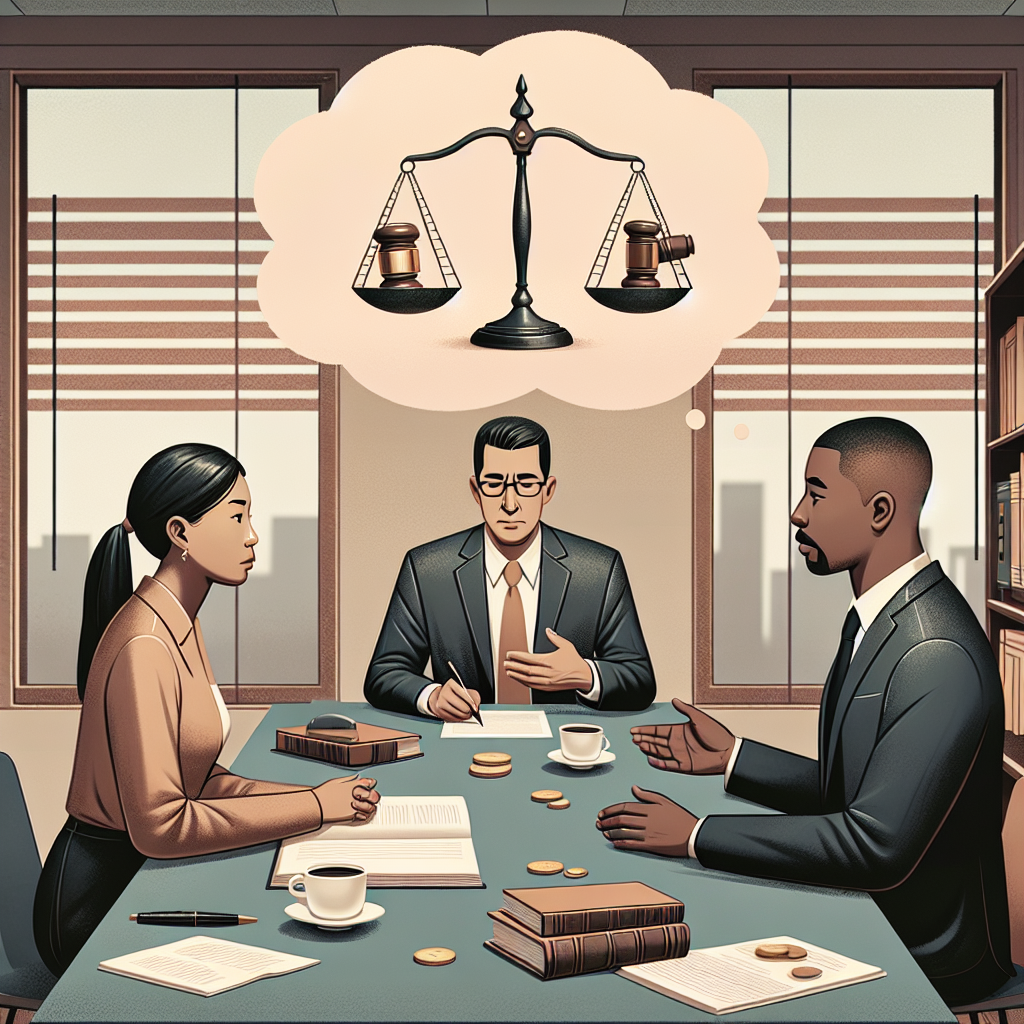
Maximizing Divorce Mediation Success: Managing Expectations
Understanding the Importance of Effective Divorce Mediation
The decision to end a marriage is never an easy one, and navigating the legal process of divorce can be overwhelming. This is why many couples turn to divorce mediation as a way to reach a mutually agreeable settlement without going to court. Mediation allows couples to have more control over the outcome of their divorce, and can often be a more cost-effective and less stressful option. However, for mediation to be successful, it is important to manage expectations and approach the process with a clear understanding of its purpose and potential outcomes.
The Role of Expectations in Divorce Mediation
Expectations play a crucial role in divorce mediation, as they can greatly impact the success of the process. It is important for both parties to have realistic expectations and a clear understanding of what mediation can and cannot achieve. Mediation is not a magic solution that will fix all issues and lead to a perfect agreement. It is a collaborative process where both parties must be willing to compromise and work together to find solutions.
Setting Realistic Goals and Objectives
When entering into divorce mediation, it is important to have a clear idea of what you want to achieve. However, it is also important to be realistic about what is achievable. This may involve accepting that some things may not go exactly as you hoped, but being open to finding alternative solutions. Having a list of clear goals and objectives can help guide the mediation process and keep discussions focused.
Open Communication in Mediation
Open communication is essential for successful mediation. In order for both parties to reach a mutually agreeable settlement, they must be willing to express their thoughts and concerns openly and honestly. This includes active listening, which involves actively paying attention to the other person’s perspective and seeking to understand their viewpoint. Effective communication can help address conflicts and reach compromises in a productive manner.
Managing Emotions in Divorce Mediation
The divorce process can bring up a wide range of emotions for both parties. It is important to acknowledge and manage these emotions in order to have a successful mediation. This may involve seeking support from a therapist or counselor to work through any unresolved feelings. Emotions can often cloud judgment and prevent rational decision-making, so it is important to address them before entering into mediation.
Utilizing Neutral Language and Tone
During mediation, it is important to use neutral language and tone in order to avoid escalating conflicts. This means avoiding accusatory or inflammatory language and instead focusing on expressing thoughts and concerns in a respectful and neutral manner. This can help keep discussions productive and prevent emotions from getting in the way.
Implementing Active Listening Techniques
As mentioned earlier, active listening is an important component of effective communication in mediation. This involves not only listening to what the other person is saying, but also seeking to understand their perspective and showing empathy. Active listening can help build trust and facilitate open communication, leading to more successful outcomes in mediation.
Finding Solutions through Compromise
In order to reach a settlement, both parties must be willing to compromise. This means being flexible and open to finding solutions that may not align with your initial expectations. Compromise requires a willingness to give and take, and to approach negotiations with a collaborative mindset. Ultimately, reaching a mutually agreeable settlement through compromise can lead to a more positive and amicable outcome for both parties.
Dealing with Difficult Situations and Conflict
Conflict is bound to arise during the mediation process, and it is important to have strategies in place for dealing with it effectively. This may involve taking a break from discussions if tensions are rising, or bringing in a mediator who can help facilitate productive communication. It is also important to be open to finding creative solutions and not getting stuck on one specific outcome.
Finalizing Agreements and Moving Forward
Once an agreement has been reached, it is important to finalize it in a legally binding document. This may involve seeking the assistance of a lawyer to ensure all necessary legal requirements are met. It is also important to have a plan for moving forward after the mediation process is complete. This may involve seeking support from friends, family, or professionals to help navigate the emotional aftermath of divorce.
Mediation in High-Conflict Divorces

Mediation for High-Conflict Divorces: Expert Solutions
Understanding High-Conflict Divorces
High-conflict divorces are often characterized by intense emotions and frequent conflicts between the two parties involved. These types of divorces can be particularly challenging and difficult to navigate, as both parties may have trouble communicating and reaching a mutually agreeable resolution.
In high-conflict divorces, there may be a history of contentious behavior, manipulation, and power imbalances between the two parties. These dynamics can make it even more challenging to come to a fair and balanced agreement.
However, it is important to note that high-conflict divorces do not have to be resolved through traditional litigation and courtroom battles. There are alternative methods, such as mediation, that can provide a more peaceful and efficient way to resolve a high-conflict divorce.
Exploring the Benefits of Mediation
Mediation is a process in which a neutral third party, called a mediator, helps facilitate communication and negotiation between the two parties in a divorce. This approach can offer numerous benefits in high-conflict divorces.
First, mediation can help reduce the stress and emotional turmoil often associated with high-conflict divorces. By providing a safe and neutral environment for communication, the mediator can help the two parties manage their emotions and focus on reaching a resolution that is in the best interests of both parties.
Additionally, mediation can be a more cost-effective option compared to traditional litigation. As it typically involves fewer court appearances and less legal paperwork, the overall cost of mediation can be significantly lower than a traditional divorce proceeding.
Furthermore, mediation can be a quicker way to resolve a high-conflict divorce. With open communication and a focus on finding common ground, the two parties can often reach an agreement faster through mediation than through the court system.
How Mediation Differs from Traditional Divorce Proceedings
One of the key differences between mediation and traditional divorce proceedings is the level of control and decision-making power given to the two parties involved.
In traditional divorce proceedings, a judge makes the final decisions on all aspects of the divorce, including property division, child custody, and support payments. This can often leave one or both parties feeling dissatisfied with the outcome.
In contrast, mediation allows the two parties to have more control and input in the decision-making process. With the help of a mediator, the two parties can work together to come up with mutually agreeable solutions that meet the needs and concerns of both parties.
The Role of a Mediator in High-Conflict Divorces
A mediator plays a crucial role in facilitating communication and negotiation in a high-conflict divorce. They are trained to remain neutral and unbiased, allowing them to help the two parties find common ground and reach a mutually beneficial agreement.
The mediator’s role is to listen to both parties’ concerns and help them communicate effectively with each other. They can also offer guidance and suggestions for potential solutions, but ultimately, the two parties are responsible for making the final decisions.
Managing Emotions in Mediation
In high-conflict divorces, emotions can often run high, making it difficult for the two parties to communicate effectively and reach a resolution. However, with the help of a mediator, the two parties can learn how to manage their emotions and focus on finding a fair and balanced agreement.
The mediator can provide tools and techniques to help the two parties communicate more effectively and express their emotions in a healthy way. They can also offer a safe and neutral space for both parties to express their concerns and find ways to address them together.
Establishing a Fair and Balanced Agreement
One of the primary goals of mediation in high-conflict divorces is to establish a fair and balanced agreement that meets the needs and concerns of both parties. This means taking into account factors such as property division, child custody, and support payments.
With the help of a mediator, the two parties can work together to come up with creative solutions that may not be possible in traditional litigation. This can help ensure that both parties are satisfied with the agreement and can move forward in a more positive and harmonious manner.
Addressing Parenting Issues through Mediation
In high-conflict divorces, one of the most challenging aspects is often co-parenting. However, mediation can also be a useful tool for addressing parenting issues and creating a co-parenting plan that works for both parties.
The mediator can facilitate open communication and help the two parties find common ground when it comes to parenting decisions. This can help reduce conflicts and provide a more stable and positive environment for any children involved in the divorce.
Protecting Children’s Well-Being During High-Conflict Divorces
One of the most important considerations in any divorce, but particularly in high-conflict divorces, is the well-being of any children involved. Mediation can help protect children’s emotional and mental well-being by providing a more peaceful and collaborative approach to resolving the divorce.
The mediator can help the two parties put aside their differences and focus on finding solutions that prioritize the children’s best interests. They can also provide resources and support for co-parenting and effectively communicating with each other in the future.
The Cost-Effectiveness of Mediation in High-Conflict Divorces
As mentioned earlier, mediation can be a more cost-effective option for resolving a high-conflict divorce compared to traditional litigation. This is because it typically involves fewer court appearances, less legal paperwork, and a shorter overall process.
Additionally, with the focus on open communication and finding common ground, the two parties may be able to come to an agreement more quickly, reducing the overall cost of the divorce. This can be particularly beneficial in high-conflict divorces, where legal fees can quickly add up.
Resources for Finding a Qualified Mediator for High-Conflict Divorces
If considering mediation for a high-conflict divorce, it is essential to find a qualified and experienced mediator to facilitate the process. There are many resources available for finding a mediator, including professional mediation organizations and online directories.
It is important to do thorough research and choose a mediator with experience in high-conflict divorces and a track record of successful outcomes. Additionally, seeking recommendations from trusted friends or family members who have gone through a similar process can also be helpful in finding a qualified mediator.
In Conclusion
Mediation can offer many benefits in high-conflict divorce resolution, including reduced stress, cost-effectiveness, and a more amicable environment for communication and negotiation. With the help of a qualified mediator, the two parties can work together to find fair and balanced solutions that prioritize the well-being of everyone involved, particularly any children.
Navigating Emotional Triggers in Mediation
Mastering Emotional Triggers in Mediation: Expert Tips
Understanding Emotional Triggers in Mediation
Mediation is a form of conflict resolution that involves a neutral third party helping to facilitate communication and negotiation between two or more parties. It is often used in legal, business, or personal disputes as an alternative to going to court. While mediation can be an effective way to resolve conflicts, it can also be an emotionally charged process. This is because conflicts often involve deeply personal and sensitive issues, and the presence of a neutral mediator can bring up strong emotions in both parties. It is important for mediators and participants to understand and navigate these emotional triggers in order to reach a successful resolution.
The Role of Emotions in Conflict Resolution
Emotions play a significant role in conflict resolution and can greatly impact the outcome of mediation. When emotions are not addressed and managed effectively, they can lead to misunderstandings, escalation of conflict, and ultimately hinder the mediation process. On the other hand, when emotions are acknowledged and addressed in a productive manner, they can help to facilitate understanding, empathy, and ultimately lead to a successful resolution.
Identifying and Acknowledging Emotions in Mediation
The first step in navigating emotional triggers in mediation is to identify and acknowledge emotions. This is important for both the mediator and the participants. The mediator should be aware of their own emotions and any biases they may have that could impact the process. They should also be attuned to the emotions of the participants and be able to recognize when strong emotions are present.
As for the participants, they should also be encouraged to identify and acknowledge their own emotions. This can be done through open and honest communication, active listening, and reflecting on their own feelings. It is important for all parties to understand that emotions are a natural part of conflict and that acknowledging them does not make one weak or vulnerable.
The Power of Empathy in Mediation
Empathy is a crucial component in navigating emotional triggers in mediation. It involves understanding and sharing the feelings of others and can greatly influence the outcome of the mediation process. When participants feel heard and understood, they are more likely to open up and be receptive to finding a resolution.
As a mediator, it is important to demonstrate empathy towards all parties, while remaining neutral and unbiased. This can be done through active listening, asking open-ended questions, and reflecting on the perspective of each participant.
Strategies for Managing Emotions in Mediation
There are several strategies that can be used to effectively manage emotions during mediation:
- Encourage open and honest communication: Creating a safe and supportive environment for participants to express their emotions can help to diffuse tension and facilitate understanding.
- Use positive language: The words we use can greatly impact the emotions of others. Using positive and non-confrontational language can help to keep the conversation productive and prevent further escalation of emotions.
- Promote a positive mindset: Encouraging participants to approach the mediation process with a positive mindset can help to reduce tension and facilitate a constructive discussion.
- Practice active listening: Active listening involves paying attention to what is being said without interrupting or judging. This can help to show empathy and understanding towards the emotions of others.
- Use emotional intelligence: Emotional intelligence involves being aware of our own emotions and the emotions of others. It can help us to manage our emotions and respond to the emotions of others in a productive manner.
Creating a Safe and Supportive Environment for Emotional Expression
In order for emotions to be effectively managed in mediation, it is important to create a safe and supportive environment for emotional expression. This can be achieved through:
- Establishing ground rules: Clear and agreed upon ground rules can help to create a sense of safety and structure for participants to express their emotions.
- Encouraging a respectful tone: Participants should be reminded to use a respectful and non-confrontational tone when expressing their emotions. This can help to prevent further escalation of conflict.
- Providing a neutral space: The physical space of the mediation should be neutral and free from distractions or external influences that could impact emotions.
- Allowing for breaks: Emotions can be overwhelming and it is important to allow for breaks during mediation to allow participants to gather their thoughts and emotions.
Using Emotional Triggers to Facilitate Resolution
While emotions can be a hindrance in mediation, they can also be a powerful tool in reaching a resolution. When emotional triggers are identified and addressed effectively, they can help to uncover underlying concerns and issues that are at the root of the conflict. By addressing these triggers, participants can gain a better understanding of each other’s perspectives, leading to a more productive and empathetic conversation.
The Importance of Communication in Addressing Emotional Triggers
Effective communication is key in addressing emotional triggers in mediation. It involves actively listening to each other’s perspectives, asking open-ended questions, and using positive and non-confrontational language. By communicating effectively, emotions can be managed and turned into a productive tool for reaching a resolution.
Mediation Techniques for Dealing with Strong Emotions
There are several mediation techniques that can be used to deal with strong emotions:
- Reframing: This technique involves restating what has been said in a more positive and non-confrontational way. It can help to diffuse tension and redirect the conversation to a more productive path.
- The “I” statement: Encouraging participants to use “I” statements can help to take ownership of their emotions and prevent blame or accusations towards the other party.
- Using a third party: In some cases, a mediator may bring in a neutral third party, such as a therapist or counselor, to help participants deal with strong emotions and facilitate a productive conversation.
- Visual aids: Visual aids, such as diagrams or charts, can help to clarify complex emotions and facilitate a better understanding between participants.
Overcoming Emotional Barriers to Achieve Successful Mediation
It is important for mediators and participants to recognize and address emotional barriers in order to achieve a successful resolution. These barriers can include:
- Fear: Fear can prevent participants from fully expressing their emotions, leading to a lack of understanding and empathy towards each other.
- Anger: Anger can be a powerful emotion that can easily escalate conflicts. It is important to address anger and find ways to manage it effectively in order to reach a resolution.
- Shame: Participants may feel a sense of shame or vulnerability in expressing their emotions. This can lead to a lack of trust and hinder the mediation process.
- Ego: Ego can also be a barrier to successful mediation. When participants are focused on winning or being “right,” it can be difficult to empathize with the emotions of others and reach a resolution.
By addressing these emotional barriers, participants can create a more open and understanding environment, leading to a successful resolution.
Conclusion
Navigating emotional triggers in mediation requires a combination of understanding, empathy, effective communication, and emotional intelligence. By identifying and acknowledging emotions, creating a safe and supportive environment for emotional expression, and using effective strategies and techniques, participants can manage their emotions and use them as a tool to reach a successful resolution. It is important for both mediators and participants to approach mediation with a positive and empathetic mindset in order to effectively navigate emotional triggers and achieve a satisfying outcome.