

Overcoming Communication Barriers

Effective Communication Strategies: Boost Your Skills
The Importance of Effective Communication Strategies
Effective communication is crucial in both personal and professional relationships. Whether it’s with friends, family, colleagues, or clients, the way we communicate greatly impacts the quality of our interactions and the success of our endeavors. Without effective communication, misunderstandings can arise, relationships can suffer, and productivity can decrease.
Having strong communication skills is essential for achieving our goals and building strong connections with others. It allows us to express ourselves clearly, understand others’ perspectives, and work collaboratively towards common objectives. In this article, we will explore the elements of effective communication and provide strategies for overcoming communication barriers to improve our interpersonal interactions.
Understanding the Elements of Effective Communication
Effective communication involves a combination of verbal and non-verbal elements. Verbal communication includes the words we use, while non-verbal communication encompasses our body language, tone of voice, and facial expressions. Both are equally important in conveying our message accurately and building rapport with others.
Moreover, effective communication requires active listening. This means being fully present and engaged in the conversation, paying attention to both the verbal and non-verbal cues of the speaker. It involves showing empathy and understanding, asking clarifying questions, and providing feedback to ensure that the message is received and understood correctly.
Identifying Your Target Audience for Effective Communication
One of the keys to effective communication is understanding who our audience is. Whether we are speaking to one person or a group, it’s important to consider their backgrounds, experiences, values, and communication styles. This will help us tailor our message in a way that is most likely to resonate with them and ensure that we are on the same page.
For example, if we are communicating with someone from a different culture, we may need to be more aware of our language and gestures to avoid misunderstandings. Similarly, if we are speaking with someone who has a different communication style, we may need to adapt our approach to ensure effective communication.
Tailoring Your Message to Your Audience
To effectively communicate with our target audience, we need to tailor our message accordingly. This means using language and examples that they can relate to, and presenting the information in a way that is easy to understand.
One way to do this is by using the appropriate tone and level of formality. For example, if we are speaking with a friend, we may use a more casual tone compared to a business meeting where a more professional tone is expected. Additionally, we can use storytelling and real-life examples to make our message more relatable and engaging.
It’s also important to consider the timing and context of our communication. For example, if we need to have a difficult conversation with someone, it may be better to choose a private and neutral location to avoid distractions and potential interruptions.
Utilizing Different Communication Channels
Effective communication involves using the most appropriate communication channel for the message we want to convey. In today’s digital age, we have various communication tools at our disposal, such as email, phone calls, video conferencing, and social media.
Each channel has its advantages and limitations, and we need to choose the one that best suits our purpose. For example, if we want to have a complex discussion, a face-to-face meeting may be more effective than an email. On the other hand, if we need to send a quick update, email or instant messaging may be more appropriate.
It’s also essential to consider the preferences of our audience and choose a channel that they are most comfortable with. For example, if we are communicating with someone who is not tech-savvy, a phone call or in-person meeting may be more suitable than sending them a text or email.
Active Listening Techniques for Better Communication
As mentioned earlier, active listening is a crucial element of effective communication. It involves not only hearing what the other person is saying but also understanding their perspective and responding appropriately. Here are some techniques for active listening:
- Pay attention and maintain eye contact with the speaker.
- Show empathy and understanding through verbal and non-verbal cues.
- Ask clarifying questions to ensure that you have understood the message correctly.
- Provide feedback to show that you are actively engaged in the conversation.
Practicing active listening can help us connect with others and build stronger relationships. It also shows that we value the other person’s thoughts and opinions, leading to more effective communication.
Non-Verbal Communication and Its Impact
Non-verbal communication plays a significant role in how our message is received and interpreted by others. It includes our body language, gestures, facial expressions, and tone of voice. In fact, studies have shown that non-verbal cues have a more significant impact on our communication than the actual words we use.
For instance, if we are saying “yes” but shaking our head, the other person may interpret this as a contradictory message. Similarly, crossing our arms can give the impression that we are closed off and not interested in the conversation. Therefore, it’s essential to be mindful of our non-verbal cues and ensure that they are in sync with our verbal communication.
Overcoming Communication Barriers
Communication barriers are anything that hinders the effective transmission of a message. They can be external, such as noise or technical difficulties, or internal, such as different communication styles or emotional barriers. Here are some strategies for overcoming communication barriers:
- Be aware of your own communication style and adjust it accordingly to suit the situation.
- Listen actively and practice empathy to understand the perspective of the other person.
- Be mindful of your non-verbal cues and ensure they are consistent with your message.
- Use simple and clear language to avoid misunderstandings.
- Ask for feedback to ensure that your message was received and understood correctly.
- Address any emotional barriers and try to approach the conversation with a calm and open mindset.
By being aware of potential communication barriers and actively working to overcome them, we can improve the effectiveness of our communication and build stronger connections with others.
Conflict Resolution through Effective Communication
Conflicts are a natural part of any relationship, and effective communication is crucial in resolving them. When conflicts arise, it’s essential to approach the situation calmly and communicate clearly and respectfully. Here are some tips for using effective communication in conflict resolution:
- Listen actively and try to understand the other person’s perspective.
- Express your thoughts and feelings calmly and without blame.
- Use “I” statements rather than “you” statements to avoid sounding accusatory.
- Focus on finding a solution rather than proving who is right.
- Take responsibility for your actions and apologize if necessary.
- Use active listening techniques to ensure that you are both on the same page.
By using effective communication, we can build understanding and find solutions that benefit both parties involved in the conflict.
The Role of Empathy in Effective Communication
Empathy is the ability to understand and share the feelings of others. It plays a crucial role in effective communication, as it allows us to connect with others on a deeper level and understand their perspectives.
By showing empathy, we can communicate more effectively because we are better able to understand the other person’s thoughts and emotions. It also helps us approach conversations with an open and non-judgmental mindset, leading to more productive and meaningful communication.
Conclusion
Effective communication is essential for building strong relationships and achieving our goals. By understanding the elements of effective communication, identifying our target audience, and tailoring our message accordingly, we can improve our communication skills and overcome any barriers that may be hindering our interactions. By practicing active listening, being mindful of our non-verbal cues, and using appropriate communication channels, we can enhance our communication and build better connections with others. Finally, we can foster understanding and resolve conflicts effectively by showing empathy and being open to different perspectives. With these strategies, we can become better communicators and build stronger relationships in our personal and professional lives.
Preparing Emotionally for Mediation

Emotional Preparation for Mediation: Strategies for Success
Understanding the Importance of Emotional Preparation for Mediation
In any conflict resolution process, emotions play a crucial role. Mediation, a popular form of alternative dispute resolution, is no exception. Emotions can run high during mediation, as parties involved are often dealing with personal and sensitive issues. As such, emotional preparation is a vital aspect of mediation that should not be overlooked. Proper emotional preparation can make all the difference in a successful mediation session.
Exploring the Role of Emotions in Mediation
Emotions can greatly impact the outcome of mediation. As a neutral third party, the mediator’s role is to help parties communicate effectively and reach a mutually acceptable resolution. However, when emotions are heightened, it can impede the mediation process and make it difficult to reach a resolution. Emotions can also cloud judgment, making it challenging for parties to see the other’s perspective and find common ground. It is essential to recognize and acknowledge the role of emotions in mediation to effectively manage them.
Identifying and Acknowledging Your Emotions
The first step in emotional preparation for mediation is to identify and acknowledge your emotions. Take some time to reflect on your feelings about the conflict, the other party, and the desired outcome. It is important to be honest with yourself and acknowledge any negative emotions, such as anger, fear, or resentment. Recognizing and accepting these emotions is a crucial step in managing them during the mediation process.
Techniques for Managing Your Emotions
Once you have identified and acknowledged your emotions, it is essential to have techniques in place to manage them during mediation. One effective technique is to focus on your breathing. Taking deep breaths can help calm your body and mind, allowing you to think more clearly and rationally. Another technique is to use positive self-talk. Remind yourself of your goal for the mediation and repeat positive affirmations to help you stay calm and focused.
Communicating Effectively with Emotional Intelligence
Effective communication is a crucial aspect of mediation, and emotional intelligence plays a significant role in this. Emotional intelligence refers to the ability to recognize and manage one’s own emotions, as well as the emotions of others. In mediation, it is important to communicate assertively, but also with empathy and understanding. Being aware of your emotions and their impact on others can help foster a more productive and collaborative communication process.
Navigating Triggers and Difficult Emotions during Mediation
During mediation, it is not uncommon for triggers and difficult emotions to arise. These can be anything from a specific word or phrase to a memory or past experience. Triggers can cause a strong emotional response and can make it challenging to stay calm and focused. It is important to be aware of your triggers and have strategies in place to manage them. This may include taking a break, using grounding techniques, or communicating your needs to the mediator.
Overcoming Barriers to Emotional Preparation
Despite your best efforts, there may be barriers that prevent you from fully preparing emotionally for mediation. These barriers may include a lack of trust in the other party, fear of vulnerability, or previous negative experiences with conflict resolution. It is essential to recognize and address these barriers to effectively manage your emotions during mediation. This may involve seeking support from a therapist or coach, practicing self-care, or discussing your concerns with the mediator.
Techniques for Building Empathy and Understanding
Empathy and understanding are essential components of successful mediation. They allow parties to see things from the other’s perspective and find common ground. To prepare emotionally for mediation, it is essential to work on building empathy and understanding. One way to do this is through active listening. This involves paying attention to what the other party is saying, acknowledging their feelings, and refraining from judgment. Another technique is to practice putting yourself in the other’s shoes and considering their needs and concerns.
The Power of Mindfulness in Mediation
Mindfulness, the practice of being present and aware of one’s thoughts and feelings, can be a powerful tool in emotional preparation for mediation. Through mindfulness, you can learn to recognize and manage your emotions in the moment. This can help you stay calm, focused, and open-minded during the mediation process. Mindfulness can also help you let go of negative thoughts and emotions that may be hindering the mediation process.
Harnessing Emotional Preparation for Successful Mediation
In conclusion, emotional preparation is a crucial aspect of mediation that should not be overlooked. By understanding the role of emotions in mediation, identifying and managing your emotions, and using techniques such as effective communication and mindfulness, you can prepare yourself for a successful mediation session. Remember to address any barriers that may be hindering your emotional preparation and seek support if needed. With emotional preparation, you can increase the chances of reaching a fair and mutually acceptable resolution, ultimately resolving the conflict at hand.
Recognizing and Addressing Power Imbalances
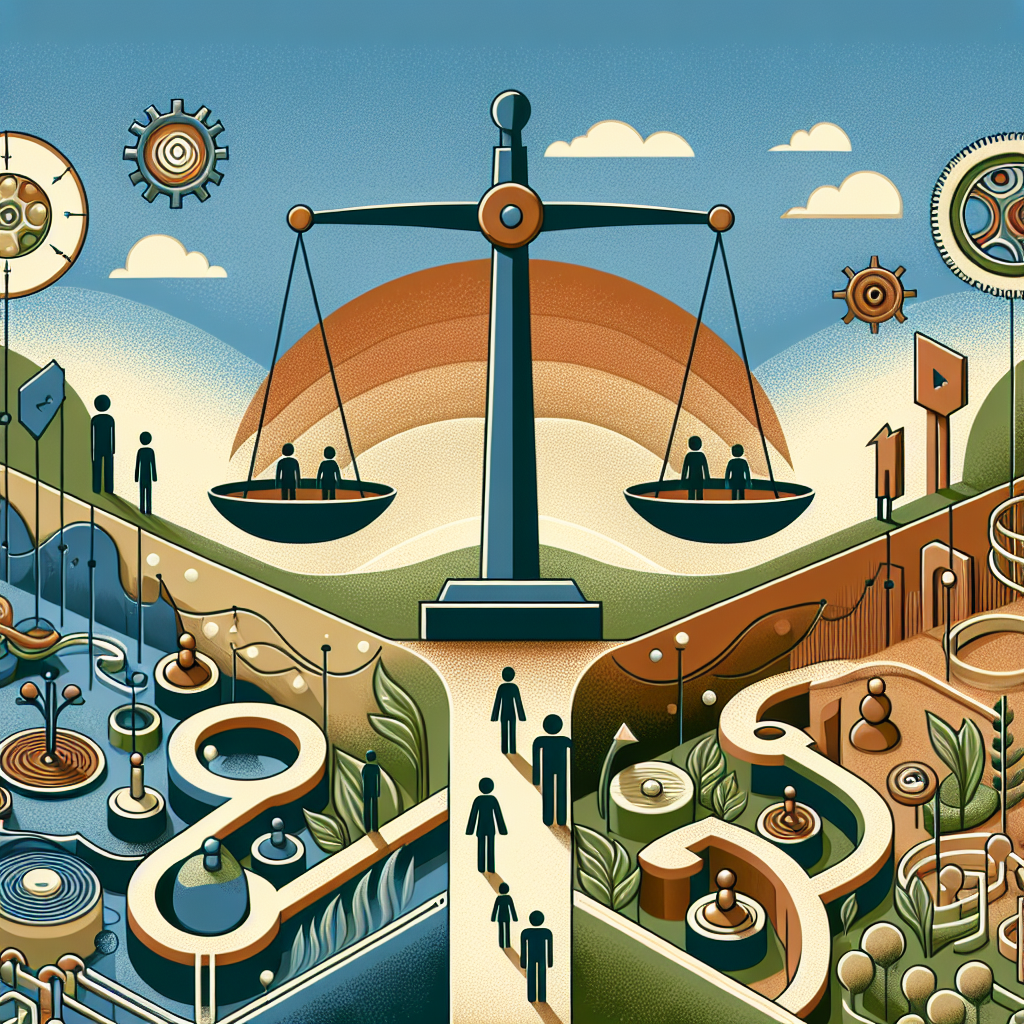
Mastering Power Dynamics: The Key to Success – SEO Specialist
Understanding Power Dynamics
Power dynamics refer to the ways in which power is distributed and exercised within a particular group or relationship. It encompasses the actions, behaviors, and attitudes of individuals that influence the balance of power and how it is used. Power dynamics can be seen in various settings, from personal relationships to the workplace and larger societal structures.
The Role of Power in Relationships
Power plays a significant role in relationships, whether it is between romantic partners, friends, or family members. In any relationship, there is a power dynamic at play, where one person may hold more power and influence than the other. This can be due to various factors such as gender, race, age, financial status, or societal norms.
Power imbalances in relationships can lead to unequal distribution of decision-making, communication, and resources. The individual with more power may have a louder voice, and their needs and wants may take precedence over the other person. This can create an unhealthy dynamic and lead to feelings of resentment, manipulation, and control.
How Power Shapes Interactions
Power greatly influences how individuals interact with one another. It can dictate the level of respect, authority, and influence a person holds in a particular situation. Those with more power may feel entitled to speak over others, make decisions without considering the opinions of others, and even use their power to manipulate or control those with less power.
On the other hand, individuals with less power may feel intimidated, silenced, and less likely to speak up for themselves. This can lead to feelings of powerlessness and can cause them to internalize their needs and wants, leading to a lack of assertiveness.
Identifying Power Imbalances
It is essential to recognize power imbalances in relationships and other settings to address them effectively. Some signs of power imbalances may include:
- One person making all decisions without consulting the other
- Unequal distribution of resources, such as money, time, or attention
- One person consistently dominating conversations and not allowing the other to speak
- Feeling intimidated or silenced by the other person
- One person using their power to control or manipulate the other
The Negative Impact of Power Misuse
When power is misused in relationships, it can have harmful effects on both parties involved. The individual with more power may become controlling and manipulative, using their power to get what they want at the expense of the other person’s well-being. This can create a toxic and unhealthy dynamic in the relationship.
On the other hand, the individual with less power may feel diminished and belittled, leading to feelings of low self-worth, anxiety, and depression. This can also create resentment and strain the relationship further.
Navigating Power Struggles
Power struggles are a common occurrence in relationships, and learning how to navigate them is crucial for maintaining a healthy dynamic. Some strategies for navigating power struggles include:
- Recognizing and acknowledging the power imbalance
- Communicating openly and honestly about feelings and needs
- Setting boundaries and asserting oneself
- Learning to compromise and find a balance of power
- Seeking outside support, such as therapy, to address underlying issues
Empowering vs. Disempowering Behaviors
Individuals in positions of power must be aware of their actions and how they affect those with less power. Empowering behaviors involve using one’s power to uplift and support others, while disempowering behaviors seek to maintain power and control over others.
Some examples of empowering behaviors include active listening, collaboration, and respecting boundaries. Disempowering behaviors, on the other hand, can include manipulation, coercion, and using fear or intimidation to get one’s way. Becoming more aware of these behaviors can help individuals in positions of power use their influence in a positive and constructive manner.
Breaking Free from Toxic Power Dynamics
Breaking free from toxic power dynamics can be a challenging and ongoing process. It requires both individuals in the relationship to be willing to address the power imbalance and work towards creating a more equitable and healthy dynamic.
It may also involve seeking outside support, such as counseling or therapy, to address underlying issues, communication skills, and unhealthy patterns. Learning to assert oneself and set boundaries is also crucial in breaking free from toxic power dynamics.
Cultivating Healthy Power Dynamics
Cultivating healthy power dynamics involves creating a balance of power in relationships and other settings. This means actively listening to and valuing the opinions and needs of others, respecting boundaries, and working together to make decisions.
In healthy power dynamics, power is shared and used to support and uplift each other, rather than control and manipulate. This can lead to more fulfilling and mutually beneficial relationships.
The Importance of Constantly Reevaluating Power Dynamics
Power dynamics are not static and can change over time, depending on various factors. It is essential to constantly reevaluate power dynamics in relationships, workplaces, and other settings to ensure they remain healthy and equitable.
This may involve regular check-ins, open communication, and addressing any emerging power imbalances. By continually reassessing and adjusting power dynamics, we can create more inclusive and mutually beneficial environments for all individuals involved.
Role of Emotional Support Animals in Mediation

Maximizing Comfort and Effectiveness: Emotional Support Animals in Mediation
Introduction
Mediation is a process often used to resolve disputes and conflicts between two or more parties. It involves the use of a neutral third party, known as a mediator, who assists the parties in reaching a mutually acceptable agreement. Mediation is a popular alternative to traditional litigation as it allows for more control and communication between the parties involved, resulting in a more efficient and satisfactory resolution. However, the process of mediation can be emotionally taxing and stressful, especially for individuals dealing with mental health issues. This is where the use of emotional support animals (ESAs) in mediation can play a valuable role.
The Role of Emotional Support Animals in Mediation
Emotional support animals are animals trained to provide comfort and emotional support to individuals struggling with mental health issues. They are different from service animals, which are trained to perform specific tasks for individuals with disabilities. While ESAs do not require any special training, they are still considered therapeutic companions for individuals with mental health concerns. The use of emotional support animals in mediation allows for a more comfortable and supportive environment, making the process easier for the parties involved.
Understanding the Needs of Parties in Mediation
In order to understand the role of emotional support animals in mediation, it is crucial to understand the needs of the parties involved. Mediation can often involve high levels of stress, anxiety, and emotional turmoil for both parties. This can be especially challenging for individuals dealing with mental health issues, such as anxiety, depression, or post-traumatic stress disorder (PTSD). The presence of an emotional support animal can provide a sense of comfort and calm for these individuals, allowing them to better participate in the mediation process.
The Benefits of Emotional Support Animals in Mediation
The use of emotional support animals in mediation can offer several benefits for both the parties involved and the overall mediation process. Some of these benefits include:
- Promoting emotional well-being: Emotional support animals are trained to provide comfort and emotional support to individuals struggling with mental health issues. Their presence can help alleviate feelings of anxiety, stress, and emotional turmoil, promoting a sense of emotional well-being for the parties involved in mediation.
- Facilitating communication: The presence of an emotional support animal can create a more relaxed and comfortable atmosphere, making it easier for parties to communicate and express their thoughts and concerns. This can help facilitate a more productive and constructive mediation process.
- Reducing tension and conflict: The use of emotional support animals can help reduce tension and conflict between the parties involved in mediation. The calming and comforting presence of an ESA can help defuse potentially volatile situations and promote a more peaceful and cooperative environment.
- Providing a sense of support: Mediation can be a daunting process, especially for individuals dealing with mental health issues. The presence of an emotional support animal can provide a sense of support and companionship, making the process less intimidating and overwhelming.
The Legal Considerations of Using Emotional Support Animals in Mediation
While the use of emotional support animals in mediation can offer several benefits, it is crucial to understand the legal considerations involved. The Americans with Disabilities Act (ADA) recognizes service animals as animals specifically trained to perform tasks for individuals with disabilities. However, ESAs are not considered service animals and therefore do not have the same legal protections. This means that the use of emotional support animals in mediation may not be guaranteed and may be subject to the discretion of the mediator and the other party involved.
It is important for individuals planning to use an emotional support animal in mediation to communicate with the mediator and the other party beforehand to ensure that their needs are understood and respected. It is also recommended to have proper documentation from a mental health professional stating the individual’s need for an ESA in mediation.
Selecting the Right Emotional Support Animal for Mediation
When it comes to emotional support animals in mediation, not all animals are created equal. It is crucial to select the right ESA for the specific needs of the individual. Some factors to consider when selecting an ESA for mediation include:
- Breed and size: It is important to consider the size and breed of the animal when selecting an ESA for mediation. Some mediation settings may not be suitable for large or more active animals, while smaller or calmer breeds may be more appropriate.
- Training and temperament: While emotional support animals do not require specialized training, it is still important to choose an animal with a calm and well-behaved temperament. This can help ensure that the animal does not cause any disruptions or distractions during the mediation process.
- Personal preference: Ultimately, the individual seeking emotional support should have the final say in selecting their ESA. It is important to choose an animal that the individual feels comfortable and connected with, as this bond can enhance the therapeutic benefits of the animal.
Preparing for the Use of Emotional Support Animals in Mediation
Before incorporating an emotional support animal into the mediation process, it is essential to prepare for their presence. This can include:
- Informing the mediator and the other party: As previously mentioned, it is important to communicate with the mediator and the other party beforehand to ensure that the use of an ESA is understood and agreed upon. This can help minimize any potential conflicts or misunderstandings.
- Ensuring proper documentation: As mentioned, having proper documentation from a mental health professional stating the individual’s need for an ESA in mediation is crucial. This can help legitimize the use of the animal and protect the individual’s rights.
- Making necessary accommodations: It is important to make any necessary accommodations for the emotional support animal, such as providing a designated area for the animal to rest or ensuring access to food and water. This can help ensure the animal’s well-being and comfort throughout the mediation process.
Managing Potential Challenges and Concerns
While the use of emotional support animals in mediation can offer numerous benefits, there may also be potential challenges and concerns that need to be addressed. These can include:
- Allergies and phobias: Some individuals involved in the mediation process may have allergies or phobias related to certain animals, which could cause disruptions or discomfort. It is essential to address these concerns beforehand and find alternative solutions if needed.
- Distractions and disruptions: While emotional support animals are trained to provide comfort and support, they may also cause distractions and disruptions during the mediation process. It is important to have a plan in place to address these issues and ensure that the mediation can continue effectively.
- Conflicting needs: In some cases, both parties involved in the mediation may have a need for an emotional support animal. This can potentially lead to conflicts and challenges that need to be addressed and resolved in a respectful and fair manner.
Incorporating Emotional Support Animals into the Mediation Process
The incorporation of emotional support animals into the mediation process should be done in a thoughtful and structured manner to ensure their effectiveness. Some ways to incorporate ESAs into mediation include:
- Introducing the animal: It is important to introduce the emotional support animal at the beginning of the mediation process. This can allow the parties to get familiar with the animal and establish a sense of comfort and trust.
- Using the animal as a calming tool: The presence of an emotional support animal can help calm and soothe the parties involved in mediation. The mediator can encourage the individuals to focus on the animal and use it as a grounding tool when tensions arise.
- Incorporating breaks for the animal: Just like humans, animals also need breaks and rest. It can be helpful to incorporate short breaks throughout the mediation process to allow the animal to rest and recharge.
- Using the animal as a communication tool: Emotions can often be difficult to express in words, especially during mediation. The presence of an emotional support animal can help individuals express their emotions in a non-verbal manner, making it easier to communicate and understand each other’s needs.
Maximizing the Comfort and Effectiveness of Mediation with Emotional Support Animals
To maximize the comfort and effectiveness of mediation with emotional support animals, it is important to have proper training and understanding of the use of ESAs in mediation. This can include:
- Training for mediators: Mediators should receive proper training and education on the use of emotional support animals in mediation. This can help them understand the benefits and potential challenges involved and effectively incorporate ESAs into the mediation process.
- Proper care for the animal: It is important to ensure that the emotional support animal’s well-being and safety are prioritized throughout the mediation process. This can include providing necessary breaks, providing a designated area for the animal to rest, and ensuring access to food and water.
- Ensuring a safe and supportive environment: It is crucial to create a safe and supportive environment for the emotional support animal and the parties involved. This can be achieved by addressing potential concerns and conflicts beforehand, as well as being respectful and understanding of the animal’s needs and behavior.
Conclusion
The use of emotional support animals in mediation can offer several benefits for individuals dealing with mental health issues and promote a more productive and effective mediation process. However, it is important to understand the legal considerations and potential challenges involved and ensure that proper training and preparations are made to incorporate ESAs into mediation successfully.
Self-Reflection and Personal Growth in Mediation

Mastering Personal Growth: Self-Reflection Techniques for Mediation
Introduction
Welcome to our guide on the power of self-reflection and personal growth in mediation. In this article, we will delve into the concept of self-reflection, its importance in mediation, and how it can be used as a powerful tool for personal growth. We will also explore various techniques for self-reflection in mediation and provide real-life examples to highlight its impact. So, let’s begin!
Definition of Self-Reflection
Self-reflection is the process of introspection and examination of one’s thoughts, feelings, and actions. It involves stepping back and looking at oneself objectively, without judgment or bias. It is a crucial aspect of self-awareness and personal development, as it allows individuals to gain a deeper understanding of themselves, their motivations, and their behaviors.
Importance of Self-Reflection in Mediation
In the context of mediation, self-reflection is essential for both mediators and parties involved in a dispute. For mediators, self-reflection enables them to be more self-aware and present during the mediation process. It allows them to recognize their biases and emotions, which may affect their ability to remain neutral and impartial. By being mindful of their own thoughts and feelings, mediators can better understand the dynamics of the mediation and make informed decisions to facilitate a resolution.
For parties involved in a dispute, self-reflection can help them understand their own needs, interests, and emotions. It allows them to gain clarity on what they want and why they want it, which can lead to more productive communication and negotiation during the mediation process. Self-reflection also enables parties to be more empathetic towards the other side and understand their perspectives, leading to better conflict resolution.
Techniques for Self-Reflection in Mediation
There are various techniques for self-reflection that can be incorporated into the mediation process. Here are some of the most effective ones:
- Mindful Meditation: Mindful meditation involves focusing on the present moment and being aware of one’s thoughts and feelings without judgment. It can be a powerful tool for self-reflection, as it allows individuals to observe their thoughts and emotions objectively. Mediators can encourage parties to practice mindful meditation before and during the mediation process to help them become more self-aware and focused.
- Journaling: Writing down one’s thoughts and feelings can be a powerful form of self-reflection. Mediators can provide parties with an opportunity to journal during the mediation process, allowing them to reflect on their experiences and emotions. This can help parties gain a deeper understanding of themselves and express their thoughts and feelings more effectively during the mediation.
- Empathy Exercises: Mediators can also facilitate empathy exercises to help parties step into each other’s shoes and understand their perspectives. This can be a powerful form of self-reflection, as it allows individuals to reflect on how their actions and words may be perceived by others. It can also help parties develop a more empathetic mindset, which can lead to a more collaborative and productive mediation process.
- Reflective Questions: Mediators can ask reflective questions to encourage parties to think more deeply about their thoughts, feelings, and motivations. These questions can help parties gain insights into their own behaviors and the behaviors of others. They can also facilitate self-discovery and personal growth, as individuals may uncover underlying issues or patterns that contribute to the conflict.
Benefits of Self-Reflection in Personal Growth
In addition to its role in mediation, self-reflection can also have numerous benefits for personal growth. Here are some of the ways in which self-reflection can contribute to one’s personal development:
- Increased Self-Awareness: By reflecting on one’s thoughts, feelings, and behaviors, individuals can become more self-aware and understand themselves better. This can lead to a deeper understanding of one’s strengths, weaknesses, and values, which can be useful for personal growth.
- Improved Emotional Intelligence: Self-reflection allows individuals to recognize and manage their emotions better. This can lead to increased emotional intelligence, which is essential for personal growth and success in various aspects of life.
- Enhanced Problem-Solving Skills: When individuals reflect on their thoughts and behaviors, they can identify patterns or behaviors that may be hindering their personal growth. This can help them develop effective strategies for problem-solving and personal development.
- Developing a Growth Mindset: By reflecting on their experiences and challenges, individuals can adopt a growth mindset, which is essential for personal growth. This mindset allows individuals to see failures and setbacks as opportunities for learning and improvement.
Role of Mediation in Personal Growth
Mediation can play a significant role in an individual’s personal growth journey. By facilitating self-reflection and promoting communication and understanding, mediation can help individuals gain insights into their behaviors and emotions. It can also provide a safe and supportive environment for parties to express themselves and work towards a mutually beneficial resolution. In addition, the skills and techniques learned in mediation, such as effective communication and problem-solving, can be applied in other areas of life, contributing to personal growth.
Combining Self-Reflection and Mediation for Maximum Impact
By combining self-reflection and mediation, individuals can harness the power of both approaches to achieve maximum impact. Self-reflection can help individuals prepare for mediation by gaining a deeper understanding of their own needs and emotions. During the mediation process, self-reflection techniques can be used to facilitate communication and understanding between parties. After the mediation, self-reflection can help individuals process their experiences and identify areas for personal growth and development.
Case Studies: Real-Life Examples of Self-Reflection and Personal Growth in Mediation
To further illustrate the power of self-reflection and personal growth in mediation, let’s look at some real-life examples:
- Case 1: A couple was going through a divorce and had been unable to reach an agreement on custody and financial matters. They decided to try mediation, and during the process, the mediator encouraged them to practice mindful meditation before each session. This allowed the couple to become more self-aware and recognize their emotions and underlying needs. As a result, they were able to communicate more effectively and reach a mutually beneficial resolution.
- Case 2: A workplace conflict had arisen between two employees, resulting in a breakdown of communication and productivity. The mediator facilitated empathy exercises, which allowed the employees to understand each other’s perspectives and reflect on their own behaviors. This led to a better understanding of the underlying issues and a collaborative effort to find a resolution. Both employees reported improved communication and a more positive workplace environment after the mediation process.
- Case 3: An individual was struggling with low self-esteem and was unable to communicate effectively in their personal relationships. They decided to seek mediation to resolve a family dispute, and during the process, the mediator asked reflective questions that encouraged the individual to explore their thoughts and emotions. As a result, the individual gained insights into their self-perception and communication patterns, leading to personal growth and improved relationships.
Tips for Incorporating Self-Reflection into Your Mediation Practice
If you are a mediator or planning to become one, here are some tips for incorporating self-reflection into your mediation practice:
- Practice Mindful Meditation: As a mediator, it is essential to be self-aware and present during the mediation process. Practicing mindful meditation can help you achieve this and better understand your biases and emotions.
- Encourage Parties to Reflect: Encourage parties to take breaks and reflect on their thoughts and feelings during the mediation process. This can help them gain clarity and communicate more effectively.
- Use Reflective Questions: Ask reflective questions to encourage parties to think more deeply about their behaviors and motivations. This can promote self-discovery and personal growth.
- Be Non-Judgmental: It is crucial to create a safe and non-judgmental environment for parties to reflect and express themselves. Avoid making assumptions or judgments and remain neutral and impartial.
The Power of Self-Reflection and Personal Growth in Mediation
In conclusion, self-reflection is a powerful tool for personal growth that can be incorporated into the mediation process. By promoting self-awareness, empathy, and effective communication, self-reflection can lead to a more productive and satisfying mediation experience for parties involved in a dispute. It can also contribute to an individual’s personal growth and development, making it a valuable skill for both mediators and individuals seeking conflict resolution.
Stress Management During Divorce

Emotional Support During Divorce: Essential Tips for Coping
The Importance of Emotional Support During Divorce
Divorce can be a highly stressful and emotionally challenging experience for anyone. The process of separating from a long-term partner and making significant changes to your life can bring forth a range of difficult emotions and feelings. It is crucial to recognize the impact that divorce can have on an individual’s mental and emotional well-being and to seek out adequate support during this time.
Understanding the Emotional Effect of Divorce
When going through a divorce, it is common to experience a range of emotions, including sadness, anger, fear, and anxiety. These emotions can be overwhelming and may lead to feelings of depression and hopelessness. Divorce also brings significant changes to one’s daily routine, living situation, and relationships, which can add to the emotional stress and instability.
It is essential to understand that these feelings are normal and valid and that it is okay to seek help and support to cope with them. Ignoring or suppressing these emotions can have detrimental effects on one’s mental and emotional well-being, making it essential to address and process them in a healthy manner.
Identifying the Need for Emotional Support
Recognizing the need for emotional support during a divorce is the first step towards seeking help. It is crucial to pay attention to your mental and emotional state and seek support if you find yourself experiencing any of the following:
- Intense and prolonged feelings of sadness, anger, or anxiety
- Constant irritability and mood swings
- Difficulty concentrating or making decisions
- Changes in appetite and sleep patterns
- Isolation and withdrawal from friends and family
If these feelings persist and significantly impact your daily life, it may be a sign that you need additional support to cope with the emotional strain of divorce.
Types of Emotional Support Available During Divorce
There are various types of emotional support available for individuals going through a divorce. It is essential to find the type of support that works best for you and meets your specific needs. Some of the most common types of support are:
- Family and friends
- Professional counseling
- Support groups
- Self-care and coping mechanisms
Each of these forms of support plays a vital role in helping individuals cope with the emotional challenges of divorce. It is essential to explore and utilize a combination of these options to find the most effective support system for you.
The Role of Family and Friends in Providing Emotional Support
Family and friends can be a crucial source of emotional support during a divorce. They can provide a listening ear, a shoulder to cry on, and a safe space to express your feelings. It is essential to be open and honest with your loved ones about your emotions and needs during this time.
However, it is also crucial to set boundaries and understand that your family and friends may have their own opinions and biases about your divorce. It is essential to communicate your boundaries and make it clear that you need their support and not judgment or interference in your decisions.
The Benefits of Professional Counseling during Divorce
Seeking professional counseling during a divorce can be incredibly beneficial. A licensed therapist or counselor can provide a safe and non-judgmental space for you to process your emotions and develop coping strategies. They can also help you navigate the complexities of divorce and its impact on your mental health.
Counselors can also provide valuable guidance and support in managing communication and conflict with your ex-partner, which can be challenging during the divorce process. They can also help you develop healthy coping mechanisms to manage stress and emotions in a more productive manner.
Finding Support Groups for Divorcees
Support groups can be a valuable resource for individuals going through a divorce. They provide a sense of community and understanding as you connect with others who are going through a similar experience. Support groups can also be a safe space to express your feelings and receive support and advice from others who have been through divorce.
There are various support groups available, including in-person and online options. It is essential to research and find a support group that aligns with your needs and values. You may also want to consider joining a support group specifically for individuals in your age group or with similar backgrounds.
Self-Care and Coping Mechanisms During Divorce
Self-care is crucial during a divorce to help manage stress and maintain one’s mental and emotional well-being. It is essential to prioritize self-care and make time for activities that bring you joy and relaxation. This can include exercise, spending time outdoors, engaging in hobbies, and practicing mindfulness and relaxation techniques.
It is also essential to develop healthy coping mechanisms to manage difficult emotions and situations that may arise during the divorce process. This can include journaling, talking to a trusted friend or family member, or seeking professional help when needed.
The Impact of Emotional Support on the Divorce Process
Having a strong support system during divorce can significantly impact the overall process. It can help individuals manage their emotions and make more informed decisions. It can also improve communication and conflict management with the ex-partner, leading to a more amicable and efficient divorce process.
Emotional support can also provide a sense of stability and security during a time of significant change, helping individuals feel more in control of their lives and better equipped to handle the challenges that come with divorce.
The Importance of Continued Support After Divorce is Finalized
The need for emotional support does not end once the divorce is finalized. In fact, it may be even more crucial during the post-divorce phase as individuals adjust to their new lives and navigate potential co-parenting and communication with the ex-partner.
Continued emotional support can also help individuals process any lingering emotions and heal from the pain of the divorce. It can also provide a sense of hope and optimism for the future, helping individuals move forward and rebuild their lives.
Conclusion
Divorce can be a stressful and emotionally challenging experience. However, with the right support system and coping strategies, individuals can effectively manage the emotional strain of divorce and come out stronger on the other side. It is crucial to recognize the need for emotional support and utilize the various resources available to help navigate this challenging life transition.
The Impact of Divorce on Mental Health
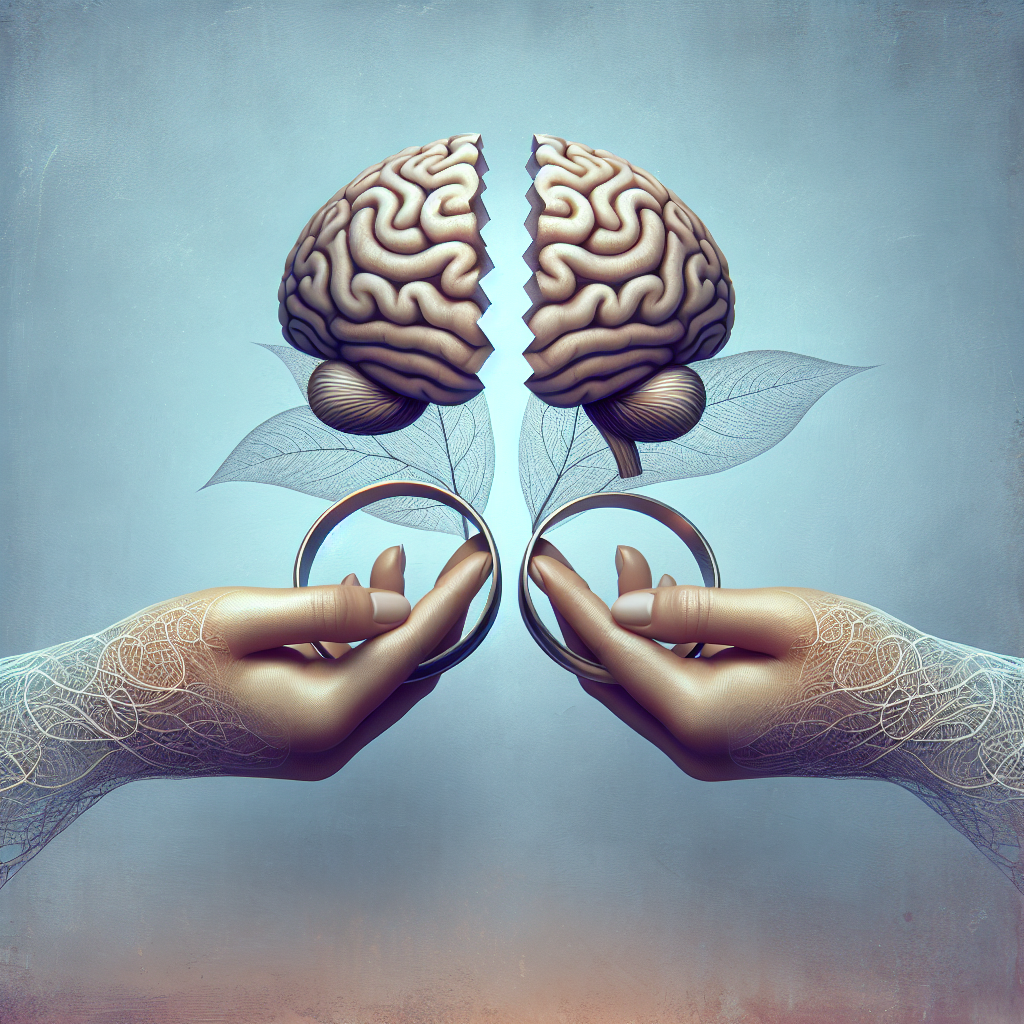
Divorce & Mental Health: Navigating the Impact
Introduction
Divorce is a complex and emotionally challenging process that can have a significant impact on one’s mental health. It involves the dissolution of a marriage and often brings about major life changes that can be overwhelming and stressful. The link between divorce and mental health has been widely studied, and it is important to understand the potential effects and ways to cope during and after the process.
Understanding the Link between Divorce and Mental Health
Divorce can lead to a range of emotional and psychological challenges, as it involves the loss of a significant relationship and the upheaval of one’s life. The sudden change in family dynamics and the uncertainty of the future can trigger various reactions and emotions, such as grief, anger, anxiety, and depression. These emotional responses can impact one’s mental health, leading to behavioral changes and affecting overall well-being.
Positive and Negative Effects of Divorce on Mental Health
While divorce can undoubtedly bring about negative effects on one’s mental health, it can also have positive outcomes in certain situations. For instance, for individuals experiencing a high-conflict marriage, divorce can be a relief and lead to a decrease in stress and anxiety levels. It can also provide an opportunity for personal growth and development.
However, divorce can also have detrimental effects on mental health, especially in cases where it is unexpected or unwanted. The feelings of abandonment, rejection, and failure can take a toll on one’s self-esteem and confidence. The prolonged stress and uncertainty during the divorce process can also lead to symptoms of depression and anxiety.
Coping Strategies for Mental Health During and After Divorce
Dealing with the emotional and psychological impact of divorce can be overwhelming, but there are strategies that can help individuals cope and maintain their mental well-being during and after the process. Some helpful coping mechanisms may include seeking support from friends and family, engaging in self-care activities, practicing mindfulness and relaxation techniques, and seeking professional help when needed.
Seeking Professional Help for Divorce-Related Mental Health Issues
Divorce can bring about complex emotions and challenges that may require professional help to navigate. Therapists and counselors can provide a safe and non-judgmental space for individuals to process their feelings and develop coping strategies. They can also help individuals identify and address any underlying mental health issues that may have been exacerbated by the divorce.
Co-Parenting and Its Impact on Mental Health After Divorce
For couples with children, co-parenting is a necessary aspect of post-divorce life. While co-parenting can have its challenges, it is crucial to prioritize the well-being of the children and maintain a positive co-parenting relationship for their sake. Support from a therapist or mediator may be beneficial for co-parents to navigate this new dynamic and manage any conflicts that may arise.
Navigating the Emotional Rollercoaster of Divorce: Tips and Advice
The divorce process can feel like an emotional rollercoaster, with highs and lows, and it is essential to find healthy ways to manage these emotions. Some tips and advice for navigating the emotional ups and downs of divorce may include setting boundaries, finding healthy outlets for emotions, and seeking support from loved ones and professionals.
Financial Impact of Divorce on Mental Health: How to Manage
The financial implications of divorce can also have a significant impact on one’s mental health. The loss of a partner’s income, financial stability, and the cost of the divorce process can add stress and anxiety to an already challenging situation. Seeking financial advice and creating a budget can help individuals manage the financial impact of divorce and reduce the stress it may cause.
Moving On: Rebuilding Mental Health and Finding Happiness After Divorce
Rebuilding mental health after divorce is a process that takes time and effort. It is essential to allow yourself to grieve the loss of the relationship and make space for healing. Engaging in self-care activities, setting goals, and finding a support system can help individuals move forward and find happiness after divorce.
Taking Care of Your Mental Health During and After Divorce
Divorce can be a challenging and emotionally draining experience, but it is essential to prioritize mental health during and after the process. Understanding the potential impact of divorce on mental health and implementing coping strategies and seeking support can help individuals navigate this difficult time and emerge stronger and more resilient.
The Impact of Divorce on Self-Esteem

Boosting Self-Esteem After Divorce: Expert Tips
Understanding the Impact of Divorce on Self-Esteem
Going through a divorce can be a difficult and emotionally taxing experience for anyone. In addition to the logistical and legal challenges, there are also many emotional and psychological effects that can arise, including a significant impact on one’s self-esteem.
Self-esteem is a person’s overall sense of self-worth, value, and confidence. It is shaped by various factors such as experiences, relationships, and self-perception. When a person goes through a divorce, these factors can be greatly affected, leading to changes in their self-esteem.
Identifying the Factors that Affect Self-Esteem during Divorce
There are many factors that can impact a person’s self-esteem during and after a divorce. One of the most significant factors is the breakdown of the relationship itself. Divorce can bring about feelings of rejection, failure, and shame, which can greatly affect a person’s self-worth.
Additionally, there may be changes in family dynamics and support systems, which can also impact an individual’s self-esteem. For example, losing the support and companionship of a spouse can leave a person feeling lonely and questioning their self-worth. There may also be changes in living arrangements, financial stability, and social status, which can contribute to feelings of insecurity and low self-esteem.
Furthermore, going through a divorce can also bring up unresolved issues and past traumas, which can negatively impact a person’s self-esteem. This can include past experiences of rejection, abandonment, or emotional abuse, which may resurface during the divorce process.
Coping Mechanisms for Boosting Self-Esteem during Divorce
While divorce can bring about many challenges to one’s self-esteem, there are also coping mechanisms that can help boost and maintain a healthy sense of self-worth during this difficult time. One of the most crucial coping strategies is to seek support from friends and family. Having a strong support system can provide a sense of love, belonging, and validation, which can help counteract the negative effects of divorce on self-esteem.
It is also essential to practice self-care during this time. This can include taking care of one’s physical and emotional well-being, such as exercising, eating well, and engaging in activities that bring joy and relaxation. Taking the time to care for oneself can help boost self-esteem and provide a sense of control and self-worth during a time of uncertainty.
The Power of Positive Thinking in Building Self-Esteem after Divorce
Positive thinking is a powerful tool in building and maintaining self-esteem after a divorce. Instead of dwelling on negative thoughts and feelings, it is essential to focus on the positives in life, such as personal strengths, achievements, and future goals. Practicing positive self-talk and affirmations can also help to boost self-esteem and improve self-perception.
It is also helpful to reframe thoughts and beliefs about oneself and the divorce. Instead of seeing it as a failure or personal rejection, try to view it as an opportunity for growth and a chance to create a new and fulfilling life.
The Role of Self-Care in Maintaining Self-Esteem during Divorce
As mentioned earlier, self-care is essential during and after a divorce. Taking care of oneself can help to maintain a sense of self-worth and provide a source of strength and resilience during this challenging time. Self-care can include physical activities, such as exercise and proper nutrition, but it also involves taking care of one’s emotional and mental well-being.
This can include seeking therapy or counseling, practicing mindfulness and relaxation techniques, and engaging in activities that bring joy and fulfillment. Self-care can also involve setting boundaries and prioritizing one’s needs, which can help to improve self-esteem and self-worth.
Strategies for Rebuilding Self-Esteem after Divorce
Rebuilding self-esteem after a divorce can be a gradual process, but there are strategies that can help. One of the most crucial steps is to let go of the past and focus on the present. It is important to acknowledge and process feelings of grief, anger, and hurt, but it is also essential to move forward and let go of the past to create a brighter future.
It can also be helpful to set new goals and create a vision for the future. This can provide a sense of purpose and direction, which can boost self-esteem and create a more positive outlook.
Seeking Support from Friends and Family during Divorce for a Healthy Self-Esteem
Friends and family can be a valuable source of support during a divorce. Talking to loved ones and seeking their understanding, love, and encouragement can greatly impact one’s self-esteem during this difficult time. It is important to surround oneself with positive and supportive individuals who can help to lift one’s spirits and provide a sense of belonging and acceptance.
Additionally, seeking support from a therapist or counselor can also be beneficial. A trained professional can provide valuable guidance and support in navigating the emotional challenges of divorce and rebuilding self-esteem.
Managing Negative Self-Talk and Self-Doubt during Divorce
Going through a divorce can bring about many negative thoughts and feelings, including self-doubt and negative self-talk. It is essential to learn to manage and cope with these thoughts in a healthy way. This can be done through techniques such as mindfulness, challenging negative thoughts, and practicing self-compassion.
It is important to remember that these negative thoughts and doubts are not a true reflection of oneself, but rather a result of the difficult and emotionally charged situation of divorce. Learning to recognize and manage these thoughts can help to improve self-esteem and promote a more positive self-image.
Forgiving Yourself and Your Ex-Spouse for a Stronger Self-Esteem
Forgiveness is a powerful tool in healing and rebuilding after a divorce. It is crucial to forgive oneself for any mistakes made during the marriage and the divorce process. Holding onto guilt and self-blame can greatly impact self-esteem and hinder the healing process.
Forgiveness towards one’s ex-spouse is also essential. Holding onto resentment and anger can prevent one from moving forward and creating a more positive self-image. Forgiveness does not mean forgetting or condoning past actions, but rather letting go of negative emotions and focusing on the present and future.
Moving Forward: Embracing Change and Embracing a Positive Self-Image after Divorce
Lastly, it is important to embrace change and embrace a positive self-image after a divorce. Instead of focusing on the past and the things that cannot be changed, it is essential to look towards the future and the possibilities it holds.
Embracing a positive self-image involves recognizing one’s strengths, accomplishments, and potential. It also means being kind and compassionate towards oneself, accepting imperfections, and focusing on personal growth and happiness.
In Conclusion
Divorce can have a significant impact on one’s self-esteem, but it is possible to navigate through this difficult time and emerge with a stronger sense of self-worth. By understanding the factors that can affect self-esteem during divorce and implementing coping strategies, such as seeking support, practicing self-care, and maintaining a positive mindset, one can rebuild and maintain a healthy self-esteem. It is also crucial to let go of the past, forgive oneself and one’s ex-spouse, and embrace change and a positive self-image. With time and self-care, it is possible to come out of a divorce with a renewed sense of self-worth and a brighter outlook for the future.
The Intersection of Emotions and Legal Decisions

Mastering Emotional Intelligence in Legal Decision-Making
Introduction
Emotional intelligence, or the ability to identify, understand, and manage emotions, has gained increasing attention in various fields such as business, education, and healthcare. However, its role in the legal field is often overlooked or underestimated. In this article, we will explore the intersection of emotions and legal decisions and examine how emotional intelligence can play a crucial role in legal decision-making.
Understanding Emotional Intelligence
Before delving into the specific context of legal decision-making, it is important to first understand what emotional intelligence is. According to psychologist and author Daniel Goleman, emotional intelligence is composed of five key components: self-awareness, self-regulation, motivation, empathy, and social skills.
Self-awareness refers to the ability to recognize and understand one’s own emotions, as well as the impact of these emotions on thoughts and behaviors. Self-regulation involves managing and controlling one’s emotions in a healthy and productive manner, rather than being controlled by them. Motivation, in this context, refers to the ability to harness emotions to achieve goals and maintain a positive attitude. Empathy is the ability to understand and share the emotions of others, while social skills involve effectively managing relationships and communicating with others.
The Role of Emotional Intelligence in Legal Decision-Making
In the legal field, decisions are often based on rational reasoning and logical analysis of facts. However, emotions can also play a significant role in the decision-making process. Research has shown that emotions can influence judgments and decision-making in various ways, such as by affecting perception, memory, and reasoning.
One study found that emotions can create a bias in legal decision-making, with individuals being more likely to make decisions that align with their emotional state at the time. For example, if a judge is in a negative emotional state, they may be more likely to rule against a defendant. This highlights the importance of emotional intelligence in the legal field, as individuals with high emotional intelligence are better able to manage their emotions and make decisions based on rational reasoning rather than emotional biases.
The Impact of Emotions on Legal Professionals
Legal professionals, including judges, lawyers, and jurors, are not immune to the influence of emotions on decision-making. In fact, the high-stress and emotionally charged nature of the legal profession can put individuals at a higher risk of being influenced by their emotions. This can lead to biased decision-making, which can have serious consequences for the individuals involved in legal cases.
For example, a lawyer who is feeling angry towards a defendant may be more likely to aggressively cross-examine them, potentially leading to a biased and unfair trial. Similarly, a judge who is feeling anxious or overwhelmed may struggle to make a fair and impartial decision. It is crucial for legal professionals to understand and manage their emotions in order to uphold justice and fairness in the legal system.
How Emotional Intelligence Can Improve Decision-Making in the Legal Field
Emotional intelligence can play a crucial role in improving decision-making in the legal field. By being self-aware and managing their emotions, legal professionals can make more objective and rational decisions. For example, a lawyer who is aware of their own biases and emotions can take steps to counteract them, such as seeking input from colleagues or taking breaks to reflect and regulate their emotions.
In addition, empathy and social skills can also positively impact legal decision-making. By understanding the emotions and perspectives of others, legal professionals can make more informed and empathetic decisions. This can lead to more positive outcomes for all parties involved in a legal case.
Strategies for Developing Emotional Intelligence in Legal Professionals
Just like any skill, emotional intelligence can be developed and improved through practice and effort. Legal professionals can take steps to develop their emotional intelligence and improve their decision-making skills. Some strategies that can be helpful in this process include:
- Self-reflection and self-awareness: Taking time to reflect on one’s own emotions, biases, and triggers can help legal professionals better understand and manage their emotions.
- Stress management techniques: The legal profession can be highly stressful, and managing stress is crucial for maintaining emotional balance. Strategies such as mindfulness, exercise, and self-care can help reduce stress levels.
- Active listening and empathy: Practicing active listening and empathy can help legal professionals better understand the emotions and perspectives of others, leading to more informed and empathetic decision-making.
- Seeking feedback and support: Asking for feedback from colleagues or seeking support from mentors or therapists can help legal professionals better understand their emotions and make positive changes.
Case Studies: Examining the Influence of Emotional Intelligence in Legal Cases
There have been numerous cases that highlight the impact of emotional intelligence in legal decision-making. One notable example is the case of People v. Gonzalez, in which a young man with a history of mental illness and substance abuse was charged with murder. Despite the severity of the crime, the judge in the case considered the defendant’s background and mental health issues and handed down a more lenient sentence, taking into account the emotional factors at play.
This case illustrates the importance of considering emotional factors in legal decisions and how emotional intelligence can lead to more fair and just outcomes.
The Ethical Implications of Emotional Intelligence in Legal Decision-Making
The use of emotional intelligence in legal decision-making also raises ethical considerations. Some may argue that emotions have no place in the legal system and decisions should be based solely on logic and evidence. However, as humans are inherently emotional beings, it is impossible to completely eliminate emotions from decision-making. Instead, it is important for legal professionals to understand and manage their emotions in an ethical and responsible manner.
Furthermore, the use of emotional intelligence can also bring into question issues of discrimination and fairness. For example, if a judge’s emotions lead them to make a biased decision, this can result in unfair treatment of certain individuals or groups. It is important for legal professionals to continuously reflect on their emotional biases and strive for impartiality in their decision-making.
Challenges and Solutions for Incorporating Emotional Intelligence into Legal Practices
The incorporation of emotional intelligence in legal practices may face some challenges, including resistance to change, time constraints, and the lack of emphasis on emotional intelligence in legal education programs. However, these challenges can be overcome through education, training, and a shift in mindset.
Legal professionals should be encouraged to continuously develop and improve their emotional intelligence skills. This can be achieved through workshops, training programs, and incorporating emotional intelligence into continuing education requirements. In addition, law schools can also play a crucial role by integrating emotional intelligence into their curriculum, preparing students to navigate the emotionally charged nature of the legal profession.
The Future of Emotional Intelligence in the Legal Industry
As the importance of emotional intelligence continues to be recognized in various fields, it is likely to have a greater impact on the legal industry in the future. With advancements in technology and artificial intelligence, legal professionals may be required to develop and utilize emotional intelligence skills in order to remain competitive and provide value to their clients.
Moreover, as society becomes more aware of the impact of emotional factors on decision-making, there may be a greater demand for legal professionals with high emotional intelligence. This can lead to a more fair and just legal system, with decisions being made based on rational reasoning and empathy rather than emotional biases.
Conclusion
In conclusion, emotions and legal decision-making are intricately connected, and emotional intelligence plays a crucial role in ensuring fair and just outcomes in the legal system. By understanding and managing their own emotions, legal professionals can make more objective and empathetic decisions, leading to a more ethical and effective legal system. It is imperative for the legal industry to recognize the significance of emotional intelligence and take steps to develop and incorporate it into legal practices.
The Psychological Stages of Divorce

The Psychology of Divorce: Navigating Emotional Phases
Understanding Divorce Psychology
Divorce is a challenging and emotionally taxing process that can have a significant impact on one’s mental health. It is not just the legal and logistical aspects of ending a marriage that make divorce difficult, but also the psychological effects that come along with it. Understanding the psychology behind divorce can help individuals better cope with the process and its aftermath.
The Impact of Divorce on Mental Health
Divorce is considered one of the most stressful life events, and it can take a toll on one’s mental and emotional well-being. The sudden loss of a life partner, combined with the uncertainty and changes that come with divorce, can lead to feelings of sadness, anger, fear, and anxiety. The impact of divorce on mental health can vary from person to person, but some common effects include depression, low self-esteem, and difficulty trusting others.
Coping Mechanisms During Divorce
Coping with the emotional rollercoaster of divorce can be overwhelming, but there are some effective strategies that individuals can use to manage their emotions and navigate the process. Some coping mechanisms commonly used during divorce include seeking support from friends and family, practicing self-care and self-compassion, and seeking professional counseling or therapy.
Navigating the Emotional Phases of Divorce
Like any major life transition, divorce can be broken down into distinct emotional phases. While not everyone will experience the same phases or in the same order, understanding the typical emotional stages of divorce can help individuals anticipate and prepare for the challenges that may arise.
The Initial Shock and Denial
The first stage of divorce is often characterized by shock and denial. In this phase, individuals may have a hard time accepting the reality of the situation and may struggle to come to terms with the end of their marriage. They may also experience a range of intense emotions, such as disbelief, confusion, and numbness.
Dealing with Anger and Blame
As the shock begins to wear off, individuals may enter a phase of anger and blame. This is a normal and natural response to the intense emotions that come with divorce. Individuals may feel angry at their ex-spouse, themselves, or even at the situation as a whole. It is important to find healthy ways to express and manage these feelings, such as through therapy or journaling.
Finding Acceptance and Forgiveness
The third emotional phase of divorce is often characterized by acceptance and forgiveness. This is when individuals begin to come to terms with the end of their marriage and start to let go of the past. It is also a time for self-reflection and forgiveness, both of oneself and of one’s ex-spouse. This phase can be challenging but is crucial for moving forward and healing.
Grief and Loss in Divorce
Divorce involves the loss of a significant relationship, and it is normal to grieve this loss. Grief can manifest in different ways, such as sadness, loneliness, or even physical symptoms. It is essential to allow oneself to fully experience and process these emotions, rather than trying to suppress them.
Moving On and Starting a New Chapter
As individuals work through their emotions and come to terms with their divorce, they can start to look towards the future and focus on moving on. This may involve letting go of the past, setting new goals, and finding new meaning and purpose in life. It is also an opportunity to learn from the experience and grow as a person.
Seeking Support and Healing After Divorce
Divorce can be a lonely and isolating experience, but it is important to remember that support is available. Whether it is from friends, family, or a professional therapist, seeking support and guidance can help individuals navigate the challenges of divorce and heal from its emotional impact.
Conclusion
Divorce is a complex and emotional process that can have a significant impact on one’s mental health. By understanding the psychology behind divorce and the emotional stages that individuals may experience, it is possible to find ways to cope and move on in a healthy and positive manner. Whether it is through self-care, counseling, or the support of loved ones, there is always hope for healing and finding happiness after divorce.