

Debt Responsibility and Credit Impact
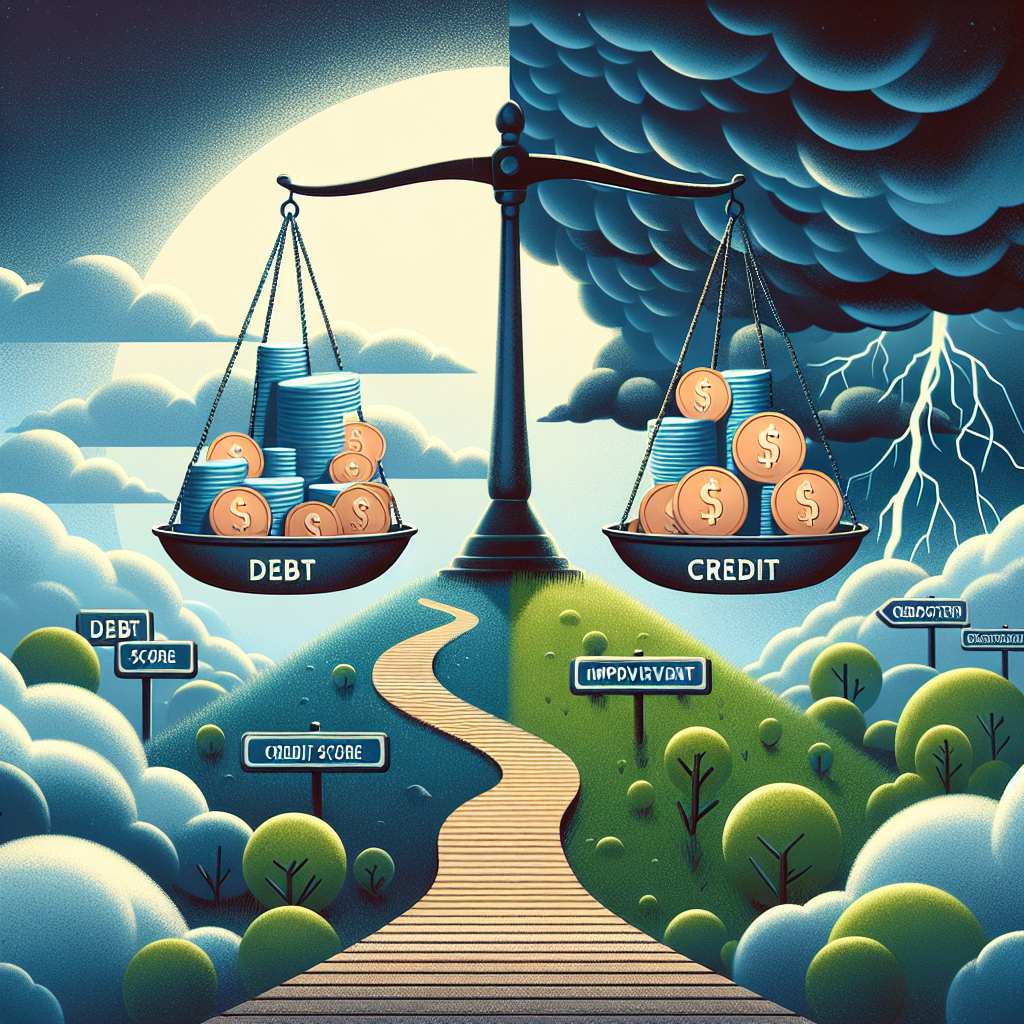
Mastering Debt: Strategies for Responsible Credit Impact
Understanding Credit Scores
Credit scores are numerical representations of an individual’s creditworthiness. These scores are used by lenders to determine the risk of lending money to a borrower. A higher credit score indicates a lower risk for lenders, while a lower credit score suggests a higher risk. Credit scores are typically calculated using information from a person’s credit report, which includes their credit history, payment history, credit utilization, and length of credit history.
Credit scores range from 300 to 850, with higher scores being more favorable. The most commonly used credit score models are FICO and VantageScore. Factors that can affect credit scores include late payments, high credit card balances, and a history of applying for credit frequently.
The Impact of Debt on Credit Scores
Debt plays a significant role in determining an individual’s credit score. The amount of debt a person has can affect their credit score in various ways, including their credit utilization ratio, payment history, and length of credit history.
Credit utilization is the amount of credit a person is using compared to their total available credit. It is recommended to keep credit utilization below 30%. High credit card balances and maxed-out credit cards can negatively impact credit scores, as it suggests a higher risk for lenders.
Payment history is another essential factor in credit scores. Late payments and missed payments can significantly lower credit scores, as it indicates a lack of responsibility in managing debt. On the other hand, consistently making on-time payments can have a positive impact on credit scores.
Finally, the length of credit history can also affect credit scores. The longer a person’s credit history, the more information there is for lenders to assess their creditworthiness. This is why it is generally recommended to keep credit accounts open, even if they are not actively being used.
Types of Debt and Their Impact on Credit Scores
Not all forms of debt have the same impact on credit scores. Generally, installment loans, such as car loans and mortgages, have a more positive impact on credit scores than revolving credit, such as credit cards and personal loans.
Revolving credit tends to have a more significant impact on credit scores because it is typically unsecured, meaning there is no collateral involved. This type of debt is also more susceptible to high balances, which can negatively affect credit utilization and credit scores.
On the other hand, installment loans have a fixed repayment schedule and are secured by collateral, making them less risky for lenders. As long as payments are made on time, installment loans can help improve credit scores.
The Importance of Managing Debt Responsibly
Managing debt responsibly is crucial for maintaining a good credit score and overall financial health. Irresponsible debt management can lead to a lower credit score, high interest rates, and difficulty in obtaining credit in the future.
One of the most critical aspects of responsible debt management is making on-time payments. Late or missed payments can significantly impact credit scores and make it challenging to obtain credit in the future. Additionally, carrying high balances on credit cards can lead to high interest charges and negatively affect credit scores.
It is also essential to avoid taking on more debt than can be comfortably managed. This can lead to missed payments, high balances, and a cycle of accumulating debt. Responsible debt management involves creating a realistic budget and sticking to it to ensure debt can be paid off in a timely manner.
Strategies for Reducing Debt
If you are struggling with debt, there are several strategies you can take to help reduce it and manage it more effectively. These include:
- Debt consolidation: Combining multiple debts into one loan with a lower interest rate can make it easier to manage and potentially save money on interest charges.
- Debt repayment plans: Working with creditors to create a repayment plan based on your current financial situation can help make debt more manageable.
- Debt settlement: Negotiating with creditors to settle a debt for less than the full amount can help reduce the overall amount owed, but it may also have a negative impact on credit scores.
Creating a Budget to Manage Debt
Creating a budget is an essential part of managing debt responsibly. A budget helps you understand your income and expenses and how much money can be allocated towards debt repayment each month.
When creating a budget, it is important to be realistic and include all expenses, including debt payments, groceries, rent or mortgage, utilities, and other necessary expenses. This can help identify areas where expenses can be reduced to free up more money for debt repayment.
It is also essential to stick to the budget and avoid accumulating more debt. This may require making sacrifices and changing spending habits, but it can lead to a more financially stable future.
Understanding Interest Rates and How They Affect Debt
Interest rates play a significant role in the cost of debt. The higher the interest rate, the more expensive the debt will be to repay. Understanding interest rates can help you make informed decisions about taking on debt and managing existing debt.
Interest rates are often determined by credit scores. Borrowers with higher credit scores are typically offered lower interest rates, as they are considered less of a risk for lenders. On the other hand, borrowers with lower credit scores may be offered higher interest rates to compensate for the increased risk.
It is essential to pay attention to interest rates when taking on new debt and consider options for reducing interest rates, such as consolidating debt or negotiating with creditors.
Credit Counseling and Debt Management Programs
If you are struggling with debt, you may benefit from seeking the help of a credit counseling agency or participating in a debt management program. These programs can offer guidance and assistance in managing debt more effectively.
Credit counseling agencies can help evaluate your financial situation and provide personalized advice on how to manage debt and improve credit scores. They may also offer budgeting assistance and provide educational resources.
Debt management programs may also be offered by credit counseling agencies. These programs involve making a single monthly payment to the agency, which is then distributed to your creditors. The agency may also negotiate with creditors on your behalf to reduce interest rates or waive fees.
The Role of Credit Utilization in Credit Scores
As mentioned earlier, credit utilization plays a significant role in determining credit scores. It is recommended to keep credit utilization below 30% to maintain a good credit score. But what exactly is credit utilization, and how is it calculated?
Credit utilization is the ratio of how much credit a person is using compared to their total available credit. For example, if you have a credit card with a $10,000 limit and have a balance of $3,000, your credit utilization ratio would be 30% ($3,000 / $10,000 = 0.3).
To improve credit scores, it is recommended to keep credit utilization below 30%. This can be achieved by paying down credit card balances or increasing credit limits.
Maintaining Good Credit and Managing Debt for the Future
Maintaining good credit and managing debt responsibly requires ongoing effort and responsibility. It is crucial to continue making on-time payments, keeping credit balances low, and avoiding taking on more debt than can be comfortably managed.
It is also essential to regularly check credit reports for accuracy and address any errors or discrepancies. This can help ensure credit scores are accurately calculated and reflect responsible credit management.
By understanding the various factors that can affect credit scores and implementing responsible debt management strategies, individuals can maintain good credit and set themselves up for a more financially stable future.
Emergency Funds and Financial Security

Secure Your Future: Emergency Savings and Financial Stability
The Importance of Emergency Savings for Financial Stability
Having emergency savings is crucial for achieving financial stability. It serves as a financial safety net, providing a buffer against unexpected expenses or income loss. With an emergency fund, you can avoid going into debt or draining your regular savings in times of financial crisis.
Understanding the Concept of Emergency Savings
Emergency savings, also known as a rainy day fund or financial contingency plan, is a designated amount of money set aside for unexpected expenses or income loss. These can include medical emergencies, car repairs, job loss, or any other unforeseen crisis that may affect your finances.
The main purpose of emergency savings is to provide a sense of financial security and stability. It allows you to have peace of mind knowing that you have the means to deal with unexpected expenses without derailing your financial goals.
How to Calculate the Right Amount for Your Emergency Fund
The amount you should have in your emergency fund depends on your individual circumstances. The general rule of thumb is to have enough to cover 3-6 months of living expenses. This includes rent/mortgage, utilities, groceries, and other essential bills. However, you may need more or less depending on factors such as your job stability, health, and dependents.
To calculate the right amount for your emergency fund, start by determining your monthly expenses. Then multiply that by the number of months you want to have in your emergency fund. For example, if your monthly expenses are $3,000 and you want to have 6 months’ worth of savings, your emergency fund goal would be $18,000.
Strategies for Building Your Emergency Savings
Building an emergency fund may seem like a daunting task, but with the right strategies, it can be achievable. Here are some tips to help you grow your emergency savings:
- Start small and be consistent – Even if you can only save a small amount each month, it’s better than nothing. Consistency is key in building your emergency fund, so make it a habit to save regularly.
- Set up automatic transfers – One way to ensure consistency is by setting up automatic transfers from your checking account to your emergency fund. This way, you won’t have to remember to transfer the money each month.
- Reduce unnecessary expenses – Take a look at your budget and see if there are any expenses you can cut back on or eliminate. This can free up more money to put towards your emergency savings.
- Use windfalls – If you receive a tax refund, bonus, or any unexpected money, consider putting it towards your emergency fund instead of spending it.
- Consider a side hustle – If you have the time and energy, a side hustle can be a great way to earn extra income to put towards your emergency fund.
The Role of Budgeting in Creating and Maintaining Emergency Savings
Budgeting is a crucial aspect of building and maintaining emergency savings. It allows you to track your income and expenses, identify areas where you can cut back, and make sure you’re putting enough money towards your emergency fund each month.
Here are some ways budgeting can help you create and maintain emergency savings:
- Identify areas to reduce expenses – By tracking your spending, you can see where your money is going and identify areas where you can cut back. This can free up more money to put towards your emergency fund.
- Plan for irregular expenses – Budgeting allows you to plan for irregular expenses such as car repairs or medical bills. By including these in your budget, you can avoid dipping into your emergency savings when they arise.
- Track your progress – Regularly reviewing your budget can help you track your progress towards your emergency fund goal. This can motivate you to stay on track and make adjustments if needed.
- Adjust for changes in income – If you experience a decrease in income, having a budget can help you make necessary adjustments to ensure you’re still putting money towards your emergency fund.
Maximizing Your Savings: Tips and Tricks
There are also some tips and tricks you can use to maximize your emergency savings and reach your goal faster:
- Shop around for better deals – You may be able to save money on things like insurance or phone bills by shopping around for better deals. This can free up more money to put towards your emergency fund.
- Take advantage of savings apps – There are various savings apps available that can help you save money automatically. Some apps round up your purchases and put the extra change into savings, while others save a percentage of each paycheck.
- Save your spare change – If you still use cash for some purchases, save your spare change and deposit it into your emergency fund regularly.
- Use cashback rewards – If you have a credit card that offers cashback rewards, use those rewards to deposit money into your emergency fund.
- Consider a high-yield savings account – Look for a high-yield savings account to earn more interest on your emergency savings. This can help your savings grow faster.
Common Mistakes to Avoid When Saving for Emergencies
While building an emergency fund is essential, there are some common mistakes you should avoid to ensure your savings are effective:
- Not having a designated emergency fund – It’s important to have a separate account specifically for your emergency savings. This will prevent you from accidentally dipping into your regular savings for non-emergency expenses.
- Not setting a specific goal – Having a specific goal in mind, such as 3-6 months’ worth of expenses, can help motivate you to save and track your progress.
- Using credit cards as an emergency fund – Relying on credit cards to cover unexpected expenses can lead to debt and high interest charges. It’s important to have cash savings for emergencies instead.
- Not adjusting for inflation – As the cost of living increases, so should your emergency fund goal. It’s important to periodically review and adjust your goal to account for inflation.
- Dipping into your emergency fund for non-emergencies – It’s important to only use your emergency savings for true emergencies. Otherwise, you risk depleting your fund and not having enough when a real emergency arises.
What to Do When You Need to Dip into Your Emergency Fund
Despite your best efforts, there may come a time when you need to use your emergency fund. It’s important to have a plan for when this happens to ensure you’re using your savings wisely.
Here are some steps to take when you need to dip into your emergency fund:
- Evaluate the situation – Before using your emergency fund, evaluate the situation to determine if it truly qualifies as an emergency. If it’s something you can budget for or pay for in other ways, avoid using your savings.
- Use only what you need – Try to only use the amount of money you need for the emergency. This will ensure your fund lasts longer and you have enough for future emergencies.
- Replenish your fund – As soon as possible, make a plan to replenish the money you used from your emergency fund. This will help you stay on track and prepare for future emergencies.
The Long-Term Benefits of Having Adequate Emergency Savings
Having adequate emergency savings not only provides short-term financial security but also has long-term benefits. Here are some of the positive impacts of having an emergency fund:
- Less stress and worry – Knowing you have money set aside for unexpected expenses can help reduce stress and worry about financial uncertainties.
- Improved financial stability – With emergency savings, you are less likely to go into debt or face financial struggles during a crisis. This can help you maintain a stable financial situation.
- Ability to handle emergencies without derailing financial goals – By having a designated emergency fund, you can handle unexpected expenses without having to sacrifice your regular savings or financial goals.
- Peace of mind – The biggest benefit of having adequate emergency savings is the peace of mind it provides. You can have confidence knowing you have a financial safety net in case of emergencies.
The Power of Being Financially Stable with Emergency Savings
In conclusion, emergency savings are a crucial part of achieving financial stability and peace of mind. By understanding the concept of emergency savings, setting a goal, and implementing strategies to build and maintain your savings, you can have the financial security to handle unexpected expenses and stay on track with your financial goals.
Remember, the key is to start small, be consistent, and make it a priority to regularly review and adjust your emergency fund goal. With proper planning and management, your emergency savings can serve as a powerful tool for your overall financial well-being.
Estate Planning and Wills Post-Divorce

Maximizing Your Estate: Post-Divorce Wills & Planning
Introduction
Estate planning can be a complex and daunting process for anyone, but it can become even more challenging after a divorce. Divorce can have a significant impact on your legal documents and plans for the future, including your will. Therefore, it is crucial to understand the importance of updating your estate plan after a divorce and the potential consequences of not doing so. In this article, we will discuss the key considerations and steps involved in post-divorce estate planning and how to protect your assets and ensure your wishes are carried out.
Understanding Post-Divorce Estate Planning
Estate planning is the process of making arrangements for the management and distribution of your assets after your death. This includes creating a will, appointing guardians for minor children, and setting up trusts for the benefit of beneficiaries. After a divorce, your marital status is changed, and your estate plan needs to be updated to reflect this change. This is because your ex-spouse may still be listed as a beneficiary in your will or other legal documents, and they may have access to your assets and make decisions on your behalf. Therefore, it is essential to review and update your estate plan to ensure that your wishes are carried out and your assets are protected.
Importance of Updating Wills After Divorce
One of the most critical aspects of post-divorce estate planning is updating your will. A will is a legal document that outlines how you want your assets to be distributed after your death and who will be responsible for managing your estate. In most cases, married couples name each other as beneficiaries in their wills. However, after a divorce, it is unlikely that you would want your ex-spouse to inherit your assets or make decisions on your behalf. Therefore, updating your will is crucial to ensuring that your assets are distributed according to your wishes.
What Happens if You Don’t Update Your Will after Divorce?
If you do not update your will after a divorce, your ex-spouse may still be entitled to inherit a portion of your assets. This is because your will is considered a legally binding document, and if your ex-spouse is named as a beneficiary, they will have a legal right to claim their share of your assets. This can lead to conflicts and disputes between your ex-spouse and your other beneficiaries, and your assets may be distributed in a way that you did not intend.
Moreover, if you have minor children, your ex-spouse may also have access to their inheritance if they are named as the guardian in your will. This can be concerning if you do not have a good relationship with your ex-spouse or if you do not want them to have control over your children’s inheritance. Updating your will can help ensure that your children’s inheritance is protected and managed by someone you trust.
How to Update Your Will After Divorce
The first step in updating your will after a divorce is to review the existing document and make note of any changes that need to be made. This may include removing your ex-spouse as a beneficiary, naming new beneficiaries, and appointing a new executor of your estate. You may also want to consider creating a new will altogether to start fresh.
Once you have made the necessary changes, you will need to sign and date the updated will in the presence of witnesses. This is to ensure that the will is legally valid. It is recommended to seek the assistance of a lawyer or estate planning professional when updating your will to ensure that all legal requirements are met.
Considerations for Beneficiary Designations
In addition to updating your will, you may also need to update your beneficiary designations on any accounts or policies that have named beneficiaries. This can include life insurance policies, retirement accounts, and investment accounts. If your ex-spouse is listed as a beneficiary on these accounts, they will still receive the proceeds in the event of your death, even if you have updated your will. Therefore, it is crucial to review and update these designations after a divorce.
It is also important to note that in some states, divorce automatically revokes any beneficiary designations that name the ex-spouse. However, this may not be the case in all states, so it is essential to review and update these designations yourself to ensure your wishes are carried out.
Protecting Children’s Inheritance in a Post-Divorce Estate Plan
As mentioned earlier, if you have minor children, it is crucial to update your estate plan to ensure their inheritance is protected. This can be done by setting up a trust for their benefit. A trust allows you to specify how and when your children will receive their inheritance. You can also appoint a trustee to manage the trust and make decisions on behalf of your children, rather than leaving this responsibility to your ex-spouse.
It is also recommended to include a clause in your will that addresses what will happen to your children’s inheritance if your ex-spouse passes away before they reach a certain age. This can provide additional protection for your children’s inheritance and ensure it is managed according to your wishes.
Potential Tax Implications of Post-Divorce Estate Planning
When updating your estate plan after a divorce, it is essential to consider the potential tax implications. In some cases, the division of assets in a divorce may result in a significant tax burden. Therefore, it is recommended to seek the advice of a tax professional when updating your estate plan to ensure you are not faced with unexpected taxes in the future.
Collaborating with Ex-Spouse for Estate Planning Purposes
In some cases, it may be necessary to collaborate with your ex-spouse for estate planning purposes, especially if you have children together. This can include discussing and agreeing on who will be responsible for managing your children’s inheritance or appointing a guardian for your children. While this may be challenging, it can help prevent conflicts and ensure your children’s best interests are taken into account.
Seeking Professional Legal Help for Post-Divorce Estate Planning
Updating your estate plan after a divorce can be a complex and overwhelming process. It is essential to seek the assistance of a lawyer or estate planning professional to ensure that all legal requirements are met and your wishes are reflected in your estate plan. They can also provide valuable advice on how to protect your assets and minimize potential tax implications.
Conclusion
In conclusion, post-divorce estate planning is a crucial step in ensuring your assets are protected and your wishes are carried out after your death. It is essential to review and update your will, beneficiary designations, and other legal documents to reflect your changed marital status. By following the considerations and steps outlined in this article, you can ensure that your estate plan is up to date and your assets are distributed according to your wishes.
Financial Autonomy and Independence Post-Divorce

Unlocking Financial Independence Post-Divorce
Introduction
Going through a divorce is undoubtedly a difficult and emotional experience. Aside from the emotional toll, divorce can also have a significant impact on your financial stability and independence. Suddenly, you may find yourself managing your finances on your own, without the support of a spouse or partner. This can be overwhelming and challenging, but it’s essential to take control of your finances and work towards achieving financial autonomy and independence post-divorce.
The Financial Impact of Divorce
Divorce can have a severe impact on your financial situation. It’s not just the division of assets and possible loss of income that can affect you; there are also legal fees, potential alimony and child support payments, and the need to create a new budget that reflects your changed circumstances.
According to a recent study by the Institute for Divorce Financial Analysts, the average cost of a divorce in the United States is $15,000 per person. This includes attorney fees, court costs, and other expenses. Add to that the emotional toll of the divorce process, and it’s no surprise that many individuals find themselves in a financially vulnerable situation after a divorce.
Steps to Assess Your Finances After Divorce
The first step towards achieving financial autonomy and independence after a divorce is to assess your current financial situation. This can be a daunting task, but it’s crucial to have a clear understanding of your financial standing to make informed decisions for the future.
Start by gathering all your financial documents, including bank statements, investment accounts, credit card statements, and tax returns. This will give you a complete picture of your assets, income, and debts. You should also make a list of any shared assets and financial commitments with your ex-spouse, such as joint accounts or loans.
Creating a Post-Divorce Budget
One of the most crucial steps towards financial autonomy and independence is creating a budget that reflects your new financial reality. This budget should include all your essential expenses, such as housing, utilities, food, transportation, and healthcare. It should also account for any debt payments and savings goals.
You may find that your expenses have increased after a divorce, as you may now be responsible for covering all your living costs. It’s essential to be realistic and conservative when creating your budget to avoid any financial strain in the future. Consider ways to reduce your expenses, such as downsizing your living arrangements or cutting back on non-essential items.
Managing Debt and Credit
Divorce can also leave individuals with significant amounts of debt, whether it’s joint debts or new ones taken on during the divorce process. It’s crucial to prioritize paying off debt and avoid taking on any new debt during this transition period.
Another crucial aspect of managing debt is maintaining a good credit score. Your credit score can impact your ability to get a loan or credit card, rent an apartment, or even get a job. If you have joint credit accounts with your ex-spouse, consider closing them or removing your name from them to avoid any potential negative impact on your credit score.
Rebuilding Your Savings
After a divorce, your financial priorities may have shifted, and it’s essential to reassess your savings goals. Building an emergency fund should be a priority, as unexpected expenses can arise at any time. Experts recommend having at least three to six months’ worth of living expenses saved in an emergency fund.
You may also need to reassess your long-term savings goals, such as retirement savings. With the division of assets, you may have received a portion of your ex-spouse’s retirement savings, but it’s crucial to consider how this will affect your overall retirement plan. Seek the advice of a financial professional to help you make informed decisions about your savings and investments.
Investing for the Future
Investing is a crucial aspect of achieving financial stability and independence. After a divorce, it’s essential to reassess your investment strategy and make any necessary changes based on your new financial situation.
Consider your risk tolerance and long-term financial goals when deciding how to invest your money. It’s also essential to diversify your investments to minimize risk. A financial advisor can help you develop an investment plan that aligns with your goals and risk profile.
Planning for Retirement as a Divorced Individual
Divorce can significantly impact your retirement plans, and it’s essential to reassess and make any necessary adjustments. If you were relying on your ex-spouse’s retirement savings or pension plan, you may need to adjust your retirement age or find alternative ways to fund your retirement.
It’s also crucial to consider your Social Security benefits. If you were married for ten years or more, you may be entitled to claim benefits based on your ex-spouse’s earnings record. Seek the advice of a financial professional to help you understand and make the most of your Social Security benefits as a divorced individual.
Navigating Child Support and Alimony
If you have children, navigating child support and alimony can significantly impact your financial autonomy and independence. If you are the custodial parent, you may be entitled to child support from your ex-spouse to help cover the expenses of raising your children.
Alimony, also known as spousal support, is another factor that can affect your financial stability post-divorce. If you are receiving alimony, it’s essential to consider how long these payments will last and how they will affect your income. If you are paying alimony, it’s crucial to budget for these payments and ensure you can continue to meet your financial obligations.
Seeking Professional Financial Guidance for Divorce Recovery
Going through a divorce is a significant life transition that can have a significant impact on your financial stability and independence. Seeking professional financial guidance can help you navigate these changes and make informed decisions for your future.
A financial advisor can help you assess your current financial situation, create a budget, manage debt and credit, rebuild savings, and plan for retirement. They can also provide guidance on navigating child support and alimony payments. Working with a financial professional can give you peace of mind and help you achieve your financial goals post-divorce.
Conclusion
Achieving financial autonomy and independence after a divorce may seem like a daunting task, but it’s possible with the right strategies and guidance. It’s crucial to assess your current financial situation, create a budget, manage debt and credit, rebuild savings, and plan for your future. Seeking the help of a financial professional can provide you with the support and guidance you need to achieve financial stability and independence during this challenging time.
Financial Disclosure and Transparency

Maximizing Financial Accountability and Transparency: An SEO Guide
Introduction
Financial disclosure and transparency are critical elements in any business or organization. They refer to the process of making financial information accessible and understandable to stakeholders, including shareholders, investors, and the general public. In today’s business landscape, where corporate scandals and financial fraud are all too common, promoting accountability and transparency in financial reporting has become more important than ever.
Understanding Financial Accountability and Transparency
Financial accountability and transparency go hand in hand. While accountability refers to the responsibility of individuals or organizations to provide an accurate and honest account of their financial activities, transparency involves making this information available to stakeholders in a clear and accessible manner.
Financial accountability and transparency are key components of good corporate governance, which is the system of rules, practices, and processes by which a company is directed and controlled. In recent years, there has been a growing emphasis on the importance of corporate governance in promoting sustainable and ethical business practices. One of the key pillars of effective corporate governance is financial accountability and transparency.
The Importance of Financial Accountability and Transparency in Business
There are several reasons why financial accountability and transparency are crucial for businesses and organizations:
Building trust and credibility: When a company is open and transparent about its financial activities, it helps to build trust and credibility with stakeholders. This is especially important for investors and shareholders who want to ensure that their money is being used wisely and ethically.
Attracting investors: In today’s competitive business environment, companies need to stand out to attract investors. By promoting financial accountability and transparency, a company can demonstrate its commitment to ethical and responsible business practices, making it more attractive to potential investors.
Ensuring compliance: Many industries and countries have regulations and laws in place that require businesses to be financially accountable and transparent. By adhering to these regulations, companies can avoid legal repercussions and maintain their reputation.
Making informed decisions: Financial accountability and transparency also benefit stakeholders by providing them with the information they need to make informed decisions. This includes decisions related to investment, partnerships, and employment.
How to Promote Financial Accountability and Transparency within Your Organization
Now that we understand the importance of financial accountability and transparency, the question is, how can businesses and organizations promote these values within their operations? Here are some key steps to consider:
Set clear policies and procedures: The first step is to establish clear and comprehensive policies and procedures for financial accountability and transparency within your organization. These should outline the responsibilities of each party involved in financial reporting and provide guidelines for ensuring accuracy and transparency.
Implement internal controls: Internal controls are processes and procedures within an organization that are designed to prevent and detect errors, fraud, and other financial irregularities. By implementing internal controls, companies can ensure that their financial activities are accurate and transparent.
Assign roles and responsibilities: It’s essential to clearly define and assign roles and responsibilities related to financial accountability and transparency within your organization. This ensures that everyone understands their responsibilities and can be held accountable for their actions.
Encourage a culture of transparency: Organizations should strive to create a culture of transparency, where open communication and honesty are valued. This can be achieved by fostering a positive work environment and promoting transparency in all aspects of business operations.
Utilizing Technology for Improved Financial Accountability and Transparency
Advancements in technology have made it easier than ever for companies to promote financial accountability and transparency. Here are some ways businesses can utilize technology for this purpose:
Adopting accounting software: Accounting software can help businesses track and manage their financial activities more efficiently, reducing the risk of errors and increasing transparency. These tools also often have built-in features for generating financial reports that can be easily shared with stakeholders.
Implementing secure data storage: With the rise of cyber threats, it’s crucial for companies to ensure the security of their financial data. Implementing secure data storage systems, such as cloud-based solutions, can help protect sensitive financial information from unauthorized access and maintain transparency.
Utilizing blockchain technology: Blockchain technology provides a secure and transparent way to record financial transactions. By implementing blockchain solutions, companies can add an extra layer of trust and transparency in their financial activities.
Automating financial reporting: Manual financial reporting processes can be time-consuming and prone to errors. By automating these processes, companies can save time and resources while ensuring accuracy and transparency in their reporting.
Implementing Effective Reporting and Monitoring Systems for Financial Accountability and Transparency
Reporting and monitoring systems are crucial for promoting financial accountability and transparency within an organization. These systems help track and analyze financial data, identify potential issues, and ensure compliance with regulations. Here are some key components of effective reporting and monitoring systems:
Regular financial reporting: Regular financial reporting is essential for keeping stakeholders informed about a company’s financial activities. This includes producing financial statements, such as balance sheets, income statements, and cash flow statements, on a regular basis.
Transparent financial statements: Financial statements should be transparent and easy to understand for non-financial stakeholders. This means using clear and concise language and avoiding technical jargon or complex financial terms.
Internal and external audits: Auditing is an essential part of monitoring and ensuring financial accountability and transparency. Internal audits should be conducted regularly to identify and address any issues, while external audits provide an independent verification of a company’s financial statements.
Utilizing key performance indicators (KPIs): KPIs are measurable metrics that help track progress towards specific goals. By identifying and monitoring financial KPIs, companies can ensure they are on track to achieving their financial objectives and identify any potential issues early on.
Training and Educating Staff on Financial Accountability and Transparency
Employees play a crucial role in promoting financial accountability and transparency within an organization. Therefore, it’s essential to provide them with the necessary training and education on these topics. Here are some ways to achieve this:
Include financial accountability and transparency in employee training programs: When onboarding new employees, make sure to include information on financial accountability and transparency in their training. This helps to ensure that all staff members understand their role in promoting these values.
Provide ongoing education and updates: Financial regulations and laws are constantly evolving, and it’s crucial for employees to stay up-to-date on any changes that may impact their work. Providing ongoing education and updates on financial accountability and transparency can help to ensure compliance and maintain transparency within the organization.
Lead by example: Management and leadership should set an example for promoting financial accountability and transparency. By providing open and honest communication and adhering to best practices, they can inspire their employees to do the same.
Transparency in Financial Reporting: Guidelines and Best Practices
Financial reporting is a key aspect of financial accountability and transparency. Here are some guidelines and best practices for promoting transparency in financial reporting:
Include all necessary information: Financial reports should include all the necessary information for stakeholders to gain a comprehensive understanding of the company’s financial activities. This includes both positive and negative information, as well as any potential risks and uncertainties.
Be consistent: Consistency is crucial in financial reporting to avoid confusion and ensure accuracy. Companies should follow the same reporting format and use consistent terminology in all their financial reports.
Avoid errors and misrepresentations: Financial reports should be free from errors and misrepresentations. Companies should have internal controls in place to ensure the accuracy of their financial data and avoid any intentional or unintentional misrepresentations.
Disclose any conflicts of interest: Companies should disclose any potential conflicts of interest in their financial reports to ensure transparency. This includes any related party transactions or potential biases in the reporting process.
Provide context: Financial reports should not be viewed in isolation, but rather in the context of the company’s overall financial performance. This includes providing information on any significant events or changes that may have impacted the financial results.
The Role of Auditing in Ensuring Financial Accountability and Transparency
Auditing plays a crucial role in promoting financial accountability and transparency. Here are some key ways auditing contributes to this:
Verifying the accuracy of financial statements: External audits provide an independent verification of a company’s financial statements, ensuring they are accurate and free from misrepresentations.
Identifying and addressing issues: Both internal and external audits help to identify any potential issues or weaknesses in a company’s financial reporting processes. This allows companies to address these issues and improve their financial accountability and transparency.
Ensuring compliance with regulations: Audits are also essential for ensuring compliance with regulations and laws related to financial accountability and transparency. This is especially important for publicly-traded companies, as they are subject to strict disclosure requirements.
The Benefits of Prioritizing Financial Accountability and Transparency in Business
Promoting financial accountability and transparency may require time, effort, and resources, but the benefits far outweigh the costs. Some key benefits of prioritizing financial accountability and transparency in business include:
Building trust and credibility: As mentioned earlier, promoting financial accountability and transparency helps to build trust and credibility with stakeholders. This can lead to stronger relationships with investors, customers, and other key stakeholders.
Improved decision-making: By providing stakeholders with accurate and transparent financial information, companies can help them make better-informed decisions. This can lead to more profitable investments and partnerships and a stronger overall financial position for the company.
Reduced risk of fraud and financial irregularities: By implementing robust internal controls and undergoing regular audits, companies can reduce the risk of fraud and other financial irregularities. This protects the company’s reputation and helps to maintain the trust of its stakeholders.
Compliance with regulations: Prioritizing financial accountability and transparency means adhering to regulations and laws related to financial reporting. This helps companies avoid costly legal repercussions and maintain their reputation.
Conclusion
Financial accountability and transparency are essential for promoting good corporate governance, building trust with stakeholders, and making informed decisions. By following best practices, utilizing technology, and implementing effective reporting and monitoring systems, businesses can promote these values and reap the many benefits they offer. As the saying goes, honesty is the best policy, and this is especially true when it comes to financial accountability and transparency in business.
Financial Mediation for Elderly Couples

Effective Financial Mediation for Senior Couples
The Importance of Financial Mediation for Senior Couples
As couples enter their golden years, they face a unique set of financial challenges. With retirement looming and potential health concerns, managing finances can become more complicated and stressful. For senior couples, it’s essential to have a plan in place to navigate these challenges and maintain financial stability. This is where financial mediation can play a crucial role.
Financial mediation is a voluntary and confidential process where a neutral third party helps couples in conflict to reach a mutually beneficial agreement. It can be a useful tool for senior couples facing financial disputes or concerns. In this article, we will explore the importance of financial mediation for elderly couples and how it can help preserve relationships, ensure financial stability, and plan for retirement.
Understanding the Unique Financial Challenges of Senior Couples
As individuals age, their financial priorities and needs often change. For senior couples, these changes can be particularly significant as they prepare for retirement and may face potential health concerns. Some of the unique financial challenges that senior couples may face include:
- Uncertainty about retirement income and planning
- Managing health care costs and potential long-term care expenses
- Inheritance and estate planning concerns
- Balancing individual and joint assets and income
- Potential conflict between adult children and their parents over financial matters
These challenges can cause significant stress and tension within a relationship, leading to disputes and potentially damaging consequences. Elderly couples may also face difficulties in communicating and making financial decisions together, which can further complicate matters. Seeking professional mediation services can be an effective way to navigate these challenges and find solutions that work for both parties.
The Benefits of Seeking Professional Mediation Services
Senior couples can benefit from seeking professional mediation services to help them resolve financial disputes and make important decisions. Some of the key benefits of financial mediation for elderly couples include:
- Neutral and non-adversarial environment: Mediation provides a neutral ground for couples to discuss their financial concerns and reach a mutually beneficial agreement. This can be particularly helpful for elderly couples who may struggle with communication or have strained relationships with their adult children.
- Cost-effective: Mediation is typically more cost-effective than going through the court system to resolve financial disputes. It can save both parties time, money, and emotional stress.
- Voluntary and confidential: Unlike going to court, mediation is a voluntary and confidential process. This allows couples to maintain their privacy and have more control over the outcome.
- Promotes compromise and collaboration: In mediation, both parties are encouraged to work together and find solutions that work for everyone involved. This can help preserve relationships and avoid the potentially damaging consequences of a court battle.
- Customized solutions: Mediation allows for more flexibility in finding solutions that are tailored to the unique needs and concerns of each couple. This can be particularly beneficial for senior couples who may have complex financial situations.
Overall, seeking professional mediation services can be a valuable tool for elderly couples to navigate financial challenges and reach agreements that work for both parties.
Exploring the Role of a Financial Mediator in Senior Couple Disputes
A financial mediator plays a crucial role in helping senior couples resolve disputes and make decisions about their finances. They act as a neutral third party and facilitate communication and compromise between the two parties. Some of the key responsibilities of a financial mediator for senior couples include:
- Creating a safe and neutral environment for discussions
- Actively listening to each party’s concerns and needs
- Identifying and addressing underlying issues that may be causing conflict
- Helping couples explore different options and find mutually beneficial solutions
- Providing guidance and support throughout the mediation process
- Ensuring that all agreements reached are fair and in line with legal requirements
A financial mediator can also offer financial counseling and education to help senior couples make informed decisions and plan for their financial future. They can provide valuable insights and expertise on financial matters and help couples understand the potential consequences of their decisions.
Key Factors to Consider When Choosing a Financial Mediator
When looking for a financial mediator for senior couple disputes, it’s essential to consider a few key factors to ensure you find the right fit for your needs. Some of the important factors to consider include:
- Experience and expertise: It’s crucial to choose a mediator with extensive experience in working with senior couples and handling financial disputes. They should also have a strong understanding of financial matters and relevant legal requirements.
- Availability and accessibility: Make sure to choose a mediator who is available and accessible to both parties. They should also be willing to work with any special needs or accommodations that may be required for elderly couples.
- Communication style: It’s essential to choose a mediator whose communication style works well with both parties. They should be able to listen actively and communicate clearly and effectively.
- Cost: While mediation is generally more cost-effective than going to court, it’s essential to consider the cost of the mediator’s services. Make sure to discuss and agree on the fees upfront.
Overall, choosing the right financial mediator is essential for the success of the mediation process. Take the time to research and compare different options to find the best fit for your needs.
Common Financial Disputes Faced by Senior Couples and How Mediation Can Help
Senior couples may face a variety of financial disputes, and mediation can be an effective way to resolve them. Some of the common financial disputes faced by elderly couples include:
- Differences in spending and saving habits
- Managing debt and credit cards
- Disagreements over retirement planning and income sources
- Inheritances and estate planning concerns
- Decisions about long-term care and medical expenses
- Dividing assets and property in divorce or separation
In each of these cases, mediation can help couples work through their differences and find mutually acceptable solutions. Mediators can help couples explore different options, address underlying issues, and make informed decisions about their financial future.
The Importance of Communication and Compromise in Successful Financial Mediation
Effective communication and compromise are essential for successful financial mediation for senior couples. Elderly couples may face challenges in communicating and making decisions together, but a financial mediator can help facilitate these discussions in a neutral and productive environment.
Mediation also encourages both parties to work together and find mutually beneficial solutions. This can be especially important for elderly couples who may have a long history and complex financial situations. By fostering open communication and promoting compromise, mediation can help preserve relationships and avoid the potentially damaging consequences of a court battle.
How Financial Mediation Can Help Preserve Relationships in Senior Couples
Maintaining strong relationships with loved ones is essential for seniors, and financial mediation can play a crucial role in preserving these relationships. By providing a safe and neutral space for communication, mediation can help couples address and resolve financial disputes in a way that maintains respect and understanding between both parties.
In contrast, going through the court system for financial disputes can often lead to increased tension and animosity. This can be particularly damaging for elderly couples who may have a long history together and want to maintain a positive relationship with their spouse or family members.
The Role of Legal Documents in Senior Couple Financial Mediation
While mediation can help resolve financial disputes and reach agreements, it’s also essential to have the necessary legal documents in place to ensure that these agreements are enforceable. Some of the legal documents that may be involved in senior couple financial mediation include:
- Wills, trusts, and estate planning documents
- Pre-nuptial and post-nuptial agreements
- Power of attorney and health care directives
- Divorce or separation agreements
- Financial agreements related to long-term care or medical expenses
A financial mediator can help ensure that all necessary legal documents are in place and that any agreements reached are in line with legal requirements and enforceable.
Why Senior Couples Should Consider Financial Mediation as a Viable Option
Financial mediation can be a valuable tool for senior couples who are facing financial disputes or challenges. It provides a neutral and non-adversarial environment for couples to work through their differences and reach mutually acceptable agreements. Mediation can help preserve relationships, ensure financial stability, and plan for retirement. If you or your loved ones are facing financial concerns or disputes, consider seeking professional mediation services to help find peaceful and lasting solutions.
Financial Planning Post-Divorce

Maximizing Finances After Divorce: Expert Tips
Overview of Post-Divorce Financial Planning
Going through a divorce can be emotionally and financially taxing. It marks the end of a significant chapter in your life and brings about a lot of changes. One of the crucial aspects to address after divorce is your financial stability. This is where post-divorce financial planning comes into play. It involves evaluating your financial situation, creating a budget, and making long-term financial plans to achieve financial independence.
Importance of Post-Divorce Financial Planning
Post-divorce financial planning is essential for several reasons. Firstly, it helps you understand your current financial standing and identify areas that need improvement. It also allows you to make informed decisions and set realistic financial goals for the future. Additionally, proper financial planning can help you avoid financial struggles and achieve financial stability, which is crucial after a major life change like divorce.
Common Financial Challenges Post-Divorce
After going through a divorce, many individuals face various financial challenges. These may include a sudden decrease in household income, division of assets and debts, and changes in financial agreements such as child support and alimony. Other challenges may include managing expenses on a single income and having to adjust to a new financial situation. These challenges can be overwhelming, but with proper financial planning, they can be managed effectively.
Steps to Take for Post-Divorce Financial Planning
1. Gather all financial documents: The first step in post-divorce financial planning is to gather all your financial documents, such as bank statements, tax returns, and insurance policies. These will give you a clear picture of your current financial situation.
2. Evaluate your income and expenses: Next, assess your income and expenses. This will help you understand your spending habits and identify areas where you can cut back on expenses. It is also crucial to review any changes in your income post-divorce.
3. Create a budget: Based on your evaluation of income and expenses, create a budget that reflects your current financial situation. This budget should be realistic and take into account any changes in your income and expenses after divorce.
4. Establish an emergency fund: An emergency fund is crucial in case of unexpected expenses or if your income decreases. Aim to save three to six months’ worth of expenses in an emergency fund.
5. Prioritize and manage debt: If you have any outstanding debts, prioritize paying them off to avoid high-interest rates. Additionally, create a plan to manage your debt effectively.
6. Review and update financial agreements: After divorce, it is essential to review and update any financial agreements such as child support and alimony. Ensure that these agreements reflect your current financial situation and are in line with your budget.
7. Set long-term financial goals: It is crucial to have long-term financial goals to work towards after a divorce. These goals can include saving for retirement, purchasing a new home, or paying for your children’s education. Create a plan to achieve these goals, taking into account your budget and current financial situation.
How to Create a Post-Divorce Budget
Creating a budget after divorce is crucial to managing your finances effectively. Here are some steps to follow when creating a post-divorce budget:
1. Start by listing all your sources of income, including your salary, alimony, child support, and any other income.
2. Next, list all your fixed expenses, such as rent or mortgage payments, utility bills, insurance premiums, and debt payments.
3. List your variable expenses, such as groceries, entertainment, and clothing. Be realistic and only include necessary expenses in your budget.
4. Once you have listed all your income and expenses, subtract your expenses from your income. The remaining amount is what you have available for savings or other expenses.
5. Review your budget regularly and make adjustments as needed. If your income or expenses change, update your budget accordingly.
Managing Debt After Divorce
Divorce can leave individuals with significant amounts of debt. Here are some tips for managing debt after a divorce:
1. Prioritize paying off high-interest debt: Start by paying off debts with high-interest rates to save money in the long run.
2. Consider consolidating debt: If you have multiple debts with different interest rates, consider consolidating them into one loan with a lower interest rate. This can make it easier to manage and pay off your debt.
3. Communicate with creditors: If you are struggling to make payments, communicate with your creditors and explain your situation. They may be able to offer you a temporary reduction in payments or a payment plan.
4. Avoid taking on new debt: After a divorce, it is important to avoid taking on new debt, unless absolutely necessary. Stick to your budget and prioritize paying off existing debt.
Protecting Your Assets During and After Divorce
During a divorce, it is important to protect your assets to ensure that you are financially secure. Here are some ways to protect your assets during and after divorce:
1. Understand your state’s laws: Each state has different laws regarding the division of assets during a divorce. Be sure to understand your state’s laws and how they may affect the division of your assets.
2. Get a prenuptial agreement: If you are considering marriage, a prenuptial agreement can help protect your assets in case of a divorce. This agreement outlines how assets and debts will be divided in the event of a divorce.
3. Keep documentation: Keep records of all your assets, including bank statements, property titles, and investment portfolios. These documents can help protect your assets during a divorce.
4. Consult with a financial advisor: A financial advisor can provide advice on how to protect your assets during a divorce and help you make informed decisions.
Impact of Child Support and Alimony on Financial Planning
Child support and alimony can have a significant impact on post-divorce financial planning. It is important to understand the implications of these financial agreements on your financial stability. Here are some things to consider:
1. Child support and alimony payments should be included in your budget: These payments are a fixed expense and should be included in your budget to ensure that you can afford them.
2. Be aware of changes in income: If you are receiving child support or alimony, be prepared for potential changes in your income if your ex-spouse’s financial situation changes.
3. Plan for the future: Child support and alimony are typically temporary and will eventually end. It is important to plan for the future and budget accordingly.
Importance of Updating Your Estate Plan After Divorce
After a divorce, it is crucial to update your estate plan to reflect your current wishes and financial situation. This includes updating your will, beneficiary designations, and any trust agreements you may have. Failure to update your estate plan can result in your assets going to your ex-spouse instead of your intended beneficiaries.
Seeking Professional Help with Post-Divorce Financial Planning
Divorce can be a complex and emotionally draining experience. Seeking professional help with post-divorce financial planning can provide you with the guidance and support you need to manage your finances effectively. A financial advisor or planner can help you evaluate your financial situation, create a budget, and make long-term financial plans to achieve financial stability and independence.
In conclusion, post-divorce financial planning is crucial for achieving financial stability and independence after a divorce. It involves evaluating your current financial situation, creating a budget, and making long-term financial plans. By following the steps outlined in this article and seeking professional help, you can effectively manage your finances and achieve your financial goals after divorce.
Handling Joint Debts in Divorce

Managing Divorce Debt: Tips for Co-Parenting and Consolidating
Introduction
A divorce can be a difficult and emotional process, and it becomes even more complicated when shared debts are involved. Managing joint debts during or after a divorce is important for both parties to ensure financial stability and protect credit scores. Co-parenting can also have an impact on debt management, making communication and teamwork essential. In this article, we will discuss the importance of managing debt during a divorce, understanding divorce debt, communication strategies, co-parenting strategies, debt consolidation, exploring debt consolidation options, working with a debt management company, co-parenting tips for managing debt, and the long-term effects of divorce debt.
Understanding Divorce Debt
Divorce debt includes any shared debt that was acquired during the marriage. This can include credit card debt, mortgages, car loans, and other forms of debt. It is important to note that even if a debt is in one spouse’s name, it may still be considered a joint debt if it was incurred during the marriage.
There are a few common types of debt that are often accrued during a divorce:
- Legal Fees: The cost of hiring a lawyer and going through the divorce process can add up quickly.
- Alimony and Child Support: In many cases, one spouse may be required to make payments to the other for support or child support.
- Division of Assets: If assets such as a house or car are being divided, there may be associated debts that need to be addressed.
- Credit Card Debt: Shared credit card debt can be a major source of concern during a divorce.
Divorce debt can also have a significant impact on credit scores. If shared debts are not managed properly, it can result in missed payments, which can lower credit scores for both parties.
Importance of Communication
Communication is key when it comes to managing joint debts during a divorce. It is important to establish open communication with your ex-spouse in order to properly address and handle shared debts.
One important aspect of communication is discussing debt responsibilities. This includes determining who is responsible for paying off each shared debt. It is important to have a clear understanding of who is responsible for which debts to avoid any misunderstandings or disputes in the future.
Setting joint financial goals can also be helpful in managing joint debts during a divorce. This can include creating a budget and setting priorities for which debts to pay off first.
Co-Parenting Strategies for Debt Management
In addition to communication, there are several co-parenting strategies that can help with managing joint debts during and after a divorce.
One option is co-signing a loan. This can be helpful if one spouse needs to take out a loan but has a lower credit score. However, it is important to carefully consider the potential risks and responsibilities involved with co-signing a loan.
Creating a joint budget can also be beneficial for managing shared debts. This involves both parties working together to determine a budget for necessary expenses and setting aside money for debt payments.
When it comes to responsibility for paying off joint debt, it is important for both parties to fulfill their agreed-upon responsibilities. This can involve making payments on time and informing each other of any changes or issues that may arise.
Consolidating Debt
Debt consolidation involves taking out a new loan to pay off existing debts. This can be a helpful option for managing joint debts during a divorce, as it can simplify the payment process and potentially lower interest rates.
There are several factors to consider when deciding whether or not debt consolidation is the right option for a co-parenting situation:
- Benefits: Debt consolidation can make it easier to manage and track payments, potentially lower interest rates, and improve credit scores.
- Drawbacks: There may be fees and costs associated with debt consolidation, and it may not always be the best financial decision in the long run.
- Co-Parenting Considerations: Both parties must be on the same page and agree to the terms of debt consolidation. It is important to have open communication and be transparent about any potential risks or benefits.
Exploring Debt Consolidation Options
There are several options for debt consolidation, including personal loans, credit card balance transfers, and home equity loans.
Personal loans: A personal loan can be used to pay off multiple debts, and typically has a fixed interest rate. It may also have a longer repayment period than other forms of debt consolidation.
Credit card balance transfers: This involves transferring multiple credit card balances onto one card with a lower interest rate. While this can be helpful for managing debt, it is important to watch out for balance transfer fees.
Home equity loans: If you own a home, you may be able to take out a loan against the equity in your home to pay off debts. This can potentially result in lower interest rates, but it is important to carefully consider the risks involved.
Working with a Debt Management Company
In some cases, it may be beneficial to work with a debt management company to help manage joint debts during a divorce. These companies offer services such as debt consolidation, negotiation with creditors, and financial counseling.
One potential benefit for co-parenting situations is that a debt management company can handle negotiations and communication with creditors, taking some of the stress and burden off of both parties and allowing them to focus on other aspects of the divorce.
However, it is important to carefully consider the fees and costs associated with working with a debt management company, as well as their reputation and track record.
Co-Parenting Tips for Managing Debt
Co-parenting can be challenging, especially when it comes to managing joint debts during a divorce. Here are some tips to help navigate this process:
- Setting boundaries: It is important to establish clear boundaries and expectations when it comes to debt management. This can include discussing who is responsible for paying off which debts and setting a budget for necessary expenses.
- Avoiding financial manipulation: In some cases, one party may try to manipulate the other financially, either by refusing to pay their share of debts or by using joint assets for their own personal gain. It is important to watch out for this type of behavior and address it as necessary.
- Teaching children about financial responsibility: It is important to involve children in discussions about finances and teach them about financial responsibility. This can help set them up for success in the future and prevent any potential financial issues from arising.
Long-Term Effects of Divorce Debt
Divorce debt can have a significant impact on future financial decisions. It is important to stay current with payments and work towards rebuilding credit after a divorce.
One potential long-term effect of divorce debt is the impact on future loans or credit applications. If one spouse has a significantly lower credit score due to missed payments or other issues related to shared debts, it may be more difficult to secure loans or credit in the future.
Staying current with payments and rebuilding credit after a divorce can help mitigate these long-term effects.
Conclusion
In conclusion, managing joint debts during a divorce is important for the financial stability of both parties and can also affect co-parenting dynamics. It is crucial to establish open communication and work together to set financial goals and responsibilities. Debt consolidation may be a helpful option, but it is important to carefully consider all factors before making a decision. Working with a debt management company can also be beneficial, but it is important to do thorough research and consider all costs involved. With teamwork and communication, it is possible to successfully navigate joint debts during and after a divorce.
Discovering Hidden Assets: Financial Investigation’s Secret Weapon

Discovering Hidden Assets: Financial Investigation’s Secret Weapon
Introduction
Welcome to our guide on hidden assets and financial investigation. In this comprehensive resource, we will explore the world of financial investigation and the importance of uncovering hidden assets. Whether you are a private individual, a business owner, or a legal professional, understanding financial investigation and its role in uncovering hidden wealth can be crucial in protecting your assets and rights.
Understanding Financial Investigation
Financial investigation is the process of tracking financial transactions and analyzing financial records to uncover any discrepancies, illegal activities, or hidden assets. It involves gathering and analyzing financial documents, such as bank statements, tax returns, and investment records, to identify any fraudulent or illegal activities. This process is often used in cases of financial fraud, embezzlement, money laundering, and other financial crimes.
What are Hidden Assets?
Hidden assets are assets that are intentionally concealed by an individual or organization to avoid detection or to manipulate financial records. These assets can include cash, property, investments, and other valuable items that are not disclosed in financial statements or tax returns. Hidden assets can also include assets that are transferred to relatives or associates in an attempt to hide them.
The Importance of Uncovering Hidden Assets
Uncovering hidden assets is crucial for several reasons:
- Protecting assets: In cases of divorce or business partnerships, individuals may try to conceal assets to keep them from being divided or shared. By uncovering hidden assets, individuals can protect their rightful share of the assets.
- Recovering stolen assets: In cases of financial fraud or embezzlement, uncovering hidden assets can aid in recovering stolen funds and holding the responsible parties accountable.
- Litigation support: In legal proceedings, uncovering hidden assets can provide crucial evidence and support for a case.
- Tax compliance: Hidden assets can also lead to tax evasion, so uncovering them can ensure compliance and prevent potential legal consequences.
Maximizing Asset Discovery with Financial Investigation
Financial investigation is a powerful tool in uncovering hidden assets and maximizing asset discovery. It involves a thorough examination of financial records and transactions to identify any discrepancies or inconsistencies that may indicate the presence of hidden assets. In addition, financial investigation can also involve interviewing individuals and conducting surveillance to gather more evidence.
Strategies for Uncovering Hidden Assets
There are various strategies and techniques that can be used in financial investigation to uncover hidden assets. These include:
- Bank account analysis: Reviewing bank statements and transaction records can reveal any hidden accounts or transfers of funds.
- Asset tracing: This involves following the flow of funds and transactions to identify any hidden assets or potential money laundering activities.
- Forensic accounting: This involves analyzing financial records and transactions to identify any discrepancies or irregularities that may indicate hidden assets.
- Interviews and surveillance: These methods can gather additional evidence and information about the individual’s financial activities and assets.
The Power of Financial Investigation in Uncovering Hidden Wealth
Financial investigation is a powerful tool in uncovering hidden wealth, as it can provide concrete evidence of the existence of hidden assets. In some cases, individuals may try to hide assets through complex financial structures or offshore accounts, but a thorough financial investigation can uncover these tactics and reveal the true extent of an individual’s wealth.
Navigating the Complex World of Hidden Assets and Financial Investigation
Navigating the world of hidden assets and financial investigation can be complex and overwhelming. It requires a deep understanding of financial systems, accounting principles, and legal regulations. In addition, conducting a financial investigation also requires access to specialized tools and resources, such as financial databases and forensic software.
Unlocking Hidden Assets: The Key to Successful Financial Investigation
The key to successful financial investigation and uncovering hidden assets is to have a team of experienced and knowledgeable professionals on your side. These could include financial investigators, forensic accountants, and lawyers who specialize in financial crimes. With their expertise and resources, they can navigate the complexities of uncovering hidden assets and gather the necessary evidence to support your case.
The Art of Finding Hidden Assets: A Guide to Financial Investigation
In conclusion, financial investigation is a crucial component in uncovering hidden assets and protecting one’s financial interests. By understanding the techniques and strategies involved, individuals can maximize asset discovery and achieve successful outcomes in legal proceedings and financial disputes. Remember, when it comes to uncovering hidden assets, knowledge and expertise are key. So, don’t hesitate to seek out professional help to navigate this complex and important process.
Impact of Divorce on Credit Score

Divorce & Credit Score: The Surprising Impact
Introduction
In today’s society, divorce is a common occurrence. According to the American Psychological Association, about 40 to 50 percent of married couples in the United States end up getting divorced. And while divorce can have a significant emotional impact on individuals and families, it can also have a major impact on their financial well-being. One area that is often affected by divorce is credit score. In this article, we will explore the impact of divorce on credit score and discuss how individuals can protect and rebuild their credit during and after the divorce process.
Understanding How Divorce Impacts Credit Score
First and foremost, it’s important to understand how credit score is calculated and what factors can impact it. Credit score is a numerical representation of an individual’s creditworthiness, or their ability to repay debts. It is calculated based on various factors, including credit history, credit utilization, payment history, and types of credit used.
When a couple gets divorced, their finances become separate, and this can have an impact on their individual credit scores. If one or both parties in the marriage had a good credit score, the divorce can potentially lower it due to changes in financial stability and credit utilization. On the other hand, if one party had a poor credit score, the divorce could potentially improve it.
Additionally, if the couple had joint accounts, the divorce could also have an impact on those accounts and their credit score. Let’s explore this further.
Joint Accounts and Divorce
Joint accounts are a common financial arrangement for married couples. These can include joint credit cards, mortgages, and bank accounts. When a couple gets divorced, these joint accounts become a major concern, as they can affect both parties’ credit scores.
If the joint accounts were opened and managed responsibly, they can have a positive impact on both parties’ credit scores. However, if the accounts have delinquencies or missed payments, they can significantly lower the credit scores of both parties. Additionally, these accounts can also become a point of contention during the divorce process, adding more stress and complexity to an already difficult situation.
It’s important for individuals going through a divorce to understand their rights and responsibilities when it comes to joint accounts. This includes understanding the terms of the account agreements and determining who is responsible for making payments. In some cases, it may be necessary to close joint accounts during the divorce process to protect both parties’ credit scores.
Separating Finances During Divorce
One of the most crucial steps in managing credit score during divorce is separating finances. This includes closing joint accounts, opening individual accounts, and transferring ownership of assets. It’s essential to do this as soon as possible to minimize potential damage to credit score.
When closing joint accounts, it’s crucial to make sure that they are closed properly. This means paying off any remaining balances, confirming the closure with the creditor, and getting written confirmation that the account is closed. Failure to do so could result in missed payments or delinquencies, which can have a significant negative impact on credit score.
Opening individual accounts is also important, especially for individuals who may not have had a credit history before the divorce. This can help establish a credit history and build a strong credit score. However, it’s important to use credit responsibly and avoid racking up debt.
Transferring ownership of assets, such as a home or car, can also have an impact on credit score. If the asset is transferred to one party, the other party should make sure to remove their name from the account to avoid any potential liability or negative impact on credit score.
The Importance of Closing Joint Accounts
As mentioned earlier, closing joint accounts is a crucial step in protecting credit score during divorce. But why is it so important?
When a joint account is open, both parties are responsible for managing and making payments. If one party fails to make a payment or makes a late payment, it can negatively impact both parties’ credit scores. Additionally, if the account has a high credit utilization ratio, it can also lower both parties’ credit scores. Therefore, closing joint accounts can help prevent any negative impact on credit score and avoid potential disputes during the divorce process.
It’s also important to note that closing joint accounts may not be possible in all situations. For example, if the account has a high balance or is in collections, it may be challenging to close it before the divorce is finalized. In these cases, it’s crucial to work with the creditor and come up with a plan to manage the account responsibly until it can be closed.
Divorce Settlements and Credit Score
A divorce settlement is a legal agreement that outlines the division of assets and responsibilities between the parties involved in a divorce. This includes financial responsibilities, such as debts and credit accounts. It’s essential to carefully consider and negotiate the terms of a divorce settlement, as it can have a significant impact on credit score.
For example, if one party is responsible for paying off a joint credit card as part of the divorce settlement, but fails to do so, it can negatively impact the other party’s credit score. Therefore, it’s important to make sure that the terms of the divorce settlement are clear and that both parties understand their responsibilities and obligations.
It’s also important to note that divorce settlements do not override existing agreements with creditors. If a joint account is not closed or transferred to one party’s name, the creditor can still hold both parties responsible for the account, regardless of the terms of the divorce settlement. This is why it’s essential to close or transfer joint accounts as soon as possible during the divorce process.
Protecting Your Credit During Divorce Proceedings
Divorce proceedings can be lengthy and complex, and it’s easy for individuals to overlook their credit score during this time. However, it’s crucial to protect credit score during the divorce process to avoid any long-term negative effects.
One way to protect credit score during divorce proceedings is to keep track of credit reports. This can help individuals identify any changes or discrepancies and take action to resolve them. It’s also important to continue making payments on time and avoid taking on any new debt during this time.
It’s also essential to communicate with creditors and inform them of the divorce. This can help avoid any confusion and ensure that both parties are aware of their responsibilities regarding joint accounts.
Rebuilding Credit After Divorce
After a divorce, individuals may find that their credit score has been negatively impacted. This can make it challenging to obtain credit or loans in the future. However, there are steps that individuals can take to rebuild their credit after a divorce.
First, it’s important to continue making payments on time and managing credit responsibly. This can help improve credit score over time. Individuals can also consider opening a secured credit card, which requires a deposit and can help establish a credit history for those with limited credit.
It’s also important to regularly monitor credit reports and dispute any errors or discrepancies. If there are any negative marks on the credit report that are a result of the divorce, individuals can include a statement explaining the circumstances to provide context for creditors who may be reviewing the credit report.
Seeking Professional Help for Credit Score After Divorce
Managing credit score during and after a divorce can be complex and overwhelming. Therefore, it’s essential to seek professional help if needed. Financial advisors and credit counselors can provide guidance and support in managing finances and rebuilding credit after a divorce.
Additionally, individuals can consider working with a credit repair company to help improve their credit score. These companies can help identify and dispute any errors on credit reports and provide guidance on improving credit score.
Final Thoughts on Divorce and Credit Score
Divorce can have a significant impact on many aspects of an individual’s life, including their credit score. It’s essential to understand the potential consequences of divorce on credit score and take steps to protect it during the divorce process. By separating finances, closing joint accounts, and managing credit responsibly, individuals can minimize any negative effects on their credit score and work towards rebuilding it after a divorce.