

The Psychological Impact of Divorce on Children

Divorce and Children’s Mental Health: Expert Insights
The Impact of Divorce on Children’s Mental Health
Divorce is a difficult and life-changing event for any family, but it can have a significant impact on children’s mental health. The dissolution of a marriage can cause a range of emotions for children, including confusion, anger, sadness, and fear. These emotions can have lasting effects on their mental well-being if not properly addressed and managed.
Understanding the Effects of Divorce on Children’s Mental Health
It’s important to understand that every child will react differently to divorce. Some may handle it better than others, while some may struggle with it for years. However, research has shown that children from divorced families are more likely to experience a range of mental health issues, such as depression, anxiety, behavioral problems, and low self-esteem.
There are several factors that can contribute to the negative effects of divorce on children’s mental health. These include:
- Parental Conflict: Divorce is often accompanied by high levels of conflict between parents. This conflict can be damaging to children, as it can create a hostile and unstable home environment.
- Loss of Family Structure: Divorce means that children have to adjust to a new family structure, which can be challenging for them. This loss of stability and predictability can cause feelings of anxiety and uncertainty.
- Change in Routine: The changes that come with divorce, such as moving to a new home or changing schools, can disrupt a child’s routine and sense of normalcy. This can be particularly difficult for children who thrive on structure and routine.
- Lack of Communication: Children may feel left out of the decision-making process during a divorce, which can lead to feelings of powerlessness and insecurity.
Identifying Signs of Distress in Children of Divorce
It’s important for parents to pay attention to their children’s behavior and emotions during and after a divorce. While some changes in behavior are expected, there are certain signs that may indicate that a child is struggling to cope with the divorce. These signs include:
- Withdrawal: Children may become withdrawn and isolated, avoiding social interactions and activities they used to enjoy.
- Acting out: Some children may display aggressive or defiant behavior as a way to express their anger and frustration.
- Changes in appetite or sleep patterns: Divorce can disrupt a child’s routine, leading to changes in their eating and sleeping habits.
- Physical symptoms: Children may experience headaches, stomachaches, or other physical symptoms due to the stress and anxiety caused by divorce.
- Academic decline: Divorce can be a major distraction for children, causing them to struggle academically.
If you notice any of these signs in your child, it’s important to address them and seek help if needed.
Promoting Healthy Coping Strategies for Children of Divorce
As parents, it’s our responsibility to support our children and help them develop healthy coping strategies to navigate the challenges of divorce. Here are some ways you can help your child cope with the emotional toll of divorce:
- Encourage open communication: It’s crucial to create an open and safe space for your child to express their feelings and concerns. Let them know that you are there to listen and support them.
- Validate their feelings: Children may experience a range of emotions during and after a divorce. It’s important to validate their feelings and let them know that it’s okay to feel sad, angry, or confused.
- Provide reassurance: Children may worry about the future and how their life will change after a divorce. Reassure them that they are loved and that you will work together to make the transition as smooth as possible.
- Help them maintain a routine: While divorce can disrupt a child’s routine, try to maintain a sense of consistency and predictability in their day-to-day life. This can provide a sense of stability and security for your child.
- Encourage healthy outlets: Help your child find healthy ways to express their emotions, such as through art, writing, or physical activity.
Addressing Emotional Needs of Children During and After Divorce
Children of divorce need extra support and attention during this challenging time. It’s crucial to be aware of their emotional needs and make an effort to address them. This may include:
- Reassuring them that the divorce is not their fault: Children often blame themselves for their parents’ divorce. It’s essential to remind them that it is not their fault and that the decision to divorce was made by the adults in the family.
- Helping them adjust to the changes: Divorce means that children have to adjust to a new living arrangement, a new school, and potentially a new community. Be patient and understanding as your child navigates these changes.
- Keeping lines of communication open: Encourage your child to talk about their feelings and concerns. Be honest and open with them about the divorce and its impact on the family.
- Providing love and support: Children may feel a sense of loss and abandonment during a divorce. It’s important to reassure them of your love and support, and to spend quality time with them.
Collaborating with Co-parents to Support Children’s Mental Health
Divorce doesn’t just affect the nuclear family; it also has an impact on co-parenting relationships. However, it’s crucial for parents to put their differences aside and work together to support their children’s mental health. Here are some ways to collaborate with your co-parent:
- Communicate effectively: It’s important to communicate openly and effectively with your co-parent about your child’s needs and well-being.
- Be consistent with rules and routines: Children benefit from consistency, so try to maintain similar rules and routines in both households.
- Support each other’s relationship with the child: Encourage your child to have a healthy relationship with their other parent and avoid speaking negatively about them in front of your child.
- Attend important events together: If possible, try to attend important events together, such as school performances or parent-teacher conferences. This shows your child that you both support and care about their education and well-being.
Seeking Professional Help for Children of Divorce
If you notice that your child is struggling to cope with the emotional toll of divorce, it may be helpful to seek professional help. Therapy can provide a safe and supportive environment for children to process their feelings and develop healthy coping strategies.
Children may also benefit from support groups or group therapy with other children of divorce. These groups can provide a sense of community and help children realize that they are not alone in their experiences.
Navigating Blended Families and its Impact on Children’s Mental Health
For children of divorce, the transition to a blended family can be challenging. Not only do they have to adjust to living with a new parent and possibly new siblings, but they may also feel like they are being replaced or forgotten by their biological parents.
It’s essential to take things slow and give children time to adjust to the new dynamics of a blended family. Encourage open communication and allow your child to express their feelings and concerns. It’s also crucial for biological parents to make an effort to maintain a strong relationship with their child, even after remarriage.
Coping with Grief and Loss: Helping Children Cope with Divorce
Divorce can be a significant loss for children, and they may experience feelings of grief and sadness as they adjust to their new family dynamics. It’s essential to acknowledge their feelings of loss and help them cope with the grieving process. This may include:
- Allowing them to express their feelings: Encourage your child to talk about their feelings of grief and loss. Listen to them without judgment and validate their emotions.
- Helping them find healthy ways to cope: Children may need guidance in finding healthy outlets for their feelings, such as journaling, drawing, or talking to a therapist.
- Being patient and understanding: Grieving is a process, and it takes time. Be patient with your child and provide them with the support and understanding they need.
The Importance of Providing Stability and Consistency for Children of Divorce
During and after a divorce, it’s crucial to provide stability and consistency for children. This can help them feel safe and secure during a time of great change. Some ways you can provide stability and consistency include:
- Maintaining a routine: As mentioned earlier, try to maintain a consistent routine for your child to provide a sense of normalcy.
- Keeping promises: Children of divorce may already feel a sense of loss and abandonment, so it’s essential to keep your promises and follow through on your commitments.
- Being consistent with discipline: It’s important to have consistent rules and consequences in both households to avoid confusion and conflict for children.
- Staying involved in your child’s life: Divorce can cause parents to become distant from their children, but it’s crucial to stay involved and show your child that you are still there for them.
Conclusion
Divorce can have a significant impact on children’s mental health, but it’s important to remember that every child is different and will react to divorce in their own way. As parents, it’s our responsibility to provide our children with the support and guidance they need to process their feelings and adjust to the changes in their family dynamic. By understanding the effects of divorce on children’s mental health and taking proactive steps to address their emotional needs, we can help our children cope with this challenging life event and promote their long-term well-being.
The Voice of the Child in Mediation

Empowering Children: The Role of Child-Centered Mediation
Introduction
Welcome to our guide on the voice of the child in mediation. Mediation is a common and effective way to resolve conflicts in families, particularly those involving divorce or custody issues. However, the traditional mediation process often overlooks the most important voice in the family – that of the child. In recent years, there has been a growing recognition of the need to involve children in the mediation process in order to achieve fair and sustainable outcomes. In this guide, we will explore the concept of the voice of the child in mediation and its importance in family conflict resolution. We will also discuss the benefits of child-centered mediation and provide practical strategies for incorporating the child’s perspective in the mediation process. Finally, we will address the challenges and solutions in implementing child-centered mediation and discuss the legal and ethical considerations that must be taken into account. Let’s dive in.
Understanding the Voice of the Child in Mediation
The “voice of the child” refers to the child’s perspective, wishes, and feelings in matters that directly affect them. In the context of mediation, it is the child’s right to be heard and have their views taken into consideration in the decision-making process. It is important to note that the voice of the child does not mean that the child has the final say in the outcome of the mediation, but rather that their input is considered and given weight in the decision-making process.
The United Nations Convention on the Rights of the Child (UNCRC) recognizes the importance of the voice of the child in Article 12, stating that children have the right to express their views freely in all matters affecting them, and their views should be given due weight in accordance with their age and maturity. This means that children have the right to participate in decisions that impact their lives, and this includes decisions made in the context of family mediation.
The Importance of Child-Centered Mediation
Child-centered mediation is a process that prioritizes the needs and interests of the child in resolving family conflicts. It recognizes that children are directly affected by the decisions made in mediation, and therefore, their input is crucial in determining what is in their best interests. By involving the child in the mediation process, it allows their voice to be heard, and their needs to be taken into consideration, leading to more sustainable and child-focused solutions.
Child-centered mediation also promotes a more positive and cooperative co-parenting relationship between parents. When children feel that their voice is being heard and their needs are being considered, it can lead to a sense of empowerment and improved self-esteem. This, in turn, can result in a more positive relationship between the child and their parents, reducing conflict and promoting better communication and cooperation.
How Child-Centered Mediation Differs from Traditional Mediation
Traditional mediation typically follows a problem-solving approach, with the goal of reaching a resolution that is satisfactory to all parties involved. However, in this approach, the child’s voice may be overlooked or undervalued. Child-centered mediation, on the other hand, places the child’s needs and interests at the center of the process, with the goal of achieving a resolution that is in the child’s best interests.
In traditional mediation, the mediator primarily communicates with the parents, and the child’s input is indirectly incorporated into the decision-making process. In contrast, child-centered mediation involves the child directly in the process, allowing them to express their thoughts, feelings, and preferences. This can be done through various methods, such as child interviews, child-inclusive mediation sessions, or having a child advocate present during mediation.
Benefits of Child-Centered Mediation for Families
There are several benefits of incorporating the voice of the child in mediation for families, including:
- Promotes the best interests of the child: By involving the child in the process, the mediator can better understand the child’s needs and interests, leading to a resolution that is in the child’s best interests.
- Reduces conflict: When children feel that their voice is being heard and their needs are being considered, it can lead to a more positive and cooperative co-parenting relationship, reducing conflict and tension between parents.
- Improves parent-child relationship: Child-centered mediation can also improve the parent-child relationship, as children feel that their parents are listening to and considering their thoughts and feelings.
- Empowers the child: Allowing the child to have a say in the mediation process can give them a sense of empowerment and increase their self-confidence, as they feel that their input is valued and important.
- More sustainable solutions: By incorporating the child’s perspective, solutions reached in child-centered mediation are more likely to be sustainable and long-lasting, as they take into account the child’s needs and interests.
Incorporating the Child’s Voice in Mediation
There are various ways in which the child’s voice can be incorporated into the mediation process, including child interviews, child-inclusive mediation sessions, and having a child advocate present during mediation.
Child Interviews: A child interview is a one-on-one meeting between the mediator and the child, where the child is given the opportunity to express their thoughts, feelings, and preferences about the issues being mediated. The child’s input is then relayed to the parents and other parties involved in the mediation. This approach works best for older children and teenagers who are able to articulate their thoughts and opinions.
Child-Inclusive Mediation Sessions: In this approach, the child is present during the mediation sessions and is given the opportunity to express their views directly to the mediator and the parents. The mediator acts as a facilitator, ensuring that the child’s voice is heard and respected. This approach may work best for younger children or in situations where both parents are willing to listen to the child’s input in a non-confrontational manner.
Child Advocate: A child advocate is a neutral third-party, often a mental health professional or an attorney, who is trained in child development and family dynamics. The advocate can provide valuable information to the mediator and help ensure that the child’s rights and best interests are being considered during mediation. They may also assist the child in expressing their views and preferences in a safe and supportive environment.
Strategies for Effective Child-Centered Mediation
Incorporating the child’s voice in mediation requires a thoughtful and sensitive approach. Here are some strategies to help ensure that the child’s input is effectively incorporated into the mediation process:
- Understand the child’s perspective: It is essential for the mediator to understand the child’s perspective and take into account their age and maturity level. This can be achieved through child interviews or consulting with a child advocate.
- Ensure the child’s safety: It is crucial to ensure that the child feels safe and comfortable expressing their views. This may involve meeting in a neutral and child-friendly environment or having a child advocate present.
- Use child-friendly language: When discussing complex issues, it is important to use age-appropriate and child-friendly language so that the child can understand and participate in the discussion.
- Encourage active listening: It is important for all parties involved in the mediation to actively listen to the child’s input and consider their perspective. This can help foster a more cooperative and child-focused approach.
- Be flexible: Each child and family is different, and therefore, the mediation process should be tailored to meet the specific needs of the child and family. This may involve using different strategies or approaches to incorporate the child’s voice effectively.
Challenges and Solutions in Implementing Child-Centered Mediation
Incorporating the child’s voice in mediation can present some challenges, such as:
- Resistance from parents: Some parents may be resistant to involving their child in the mediation process, fearing that it may harm the child or influence their perspective. This can be addressed by discussing the importance of the child’s input in reaching a fair and sustainable resolution.
- Difficulty in understanding the child’s perspective: It may be challenging for the mediator to understand the child’s perspective, particularly in complex situations. This can be addressed by consulting with a child advocate or using child-friendly language and techniques to facilitate communication.
- Conflict between the child’s wishes and best interests: The child’s wishes may not always align with their best interests, particularly in high-conflict situations. In these cases, the mediator may need to work with the child and their parents to find a compromise that takes into account both the child’s input and what is in their best interests.
Legal and Ethical Considerations for Child-Centered Mediation
When incorporating the child’s voice in mediation, it is important to consider the legal and ethical implications. This may include:
- Age and maturity level: The mediator should consider the child’s age and maturity level when deciding how to involve them in the mediation process. It may not be appropriate to have a young child present during mediation sessions, and instead, child interviews or a child advocate may be a better option.
- Confidentiality: It is essential to respect the confidentiality of the child’s input and ensure that their privacy is protected. This may involve obtaining consent from the child and their parents before sharing any information with other parties involved in the mediation.
- Conflict of interest: The mediator should ensure that there is no conflict of interest when involving a child advocate in the mediation process. They should be neutral and impartial, focusing on the child’s best interests.
- Ensuring the child’s safety: The mediator should take all necessary steps to ensure the child’s safety and well-being during the mediation process, particularly in cases of domestic violence or high-conflict situations.
The Future of Child-Centered Mediation
Incorporating the voice of the child in mediation is essential in achieving fair and sustainable outcomes for families. It promotes the best interests of the child, reduces conflict, and improves parent-child relationships. As the concept of the voice of the child becomes more widely recognized and accepted, we can expect to see an increase in child-centered mediation practices, leading to improved outcomes for children and families. By following the strategies and considerations outlined in this guide, mediators can effectively incorporate the child’s voice in the mediation process and help families reach positive and lasting resolutions.
Therapy and Counseling Resources for Children

Building Stronger Minds: Child Therapy Resources
Introduction
Welcome to our comprehensive guide to therapy and counseling resources for children. As a parent or caregiver, it can be overwhelming and concerning when your child is facing mental health challenges. It’s important to know that you are not alone and that there are various therapy and counseling options available to support your child. In this guide, we will discuss the importance of child therapy, the benefits it can provide, common issues addressed in child therapy, different types of child therapy, how to find the right therapist for your child, the role of play in child therapy, parental involvement in therapy, and additional resources for child therapy. We hope this guide will serve as a valuable resource for parents and caregivers seeking support for their child’s mental health and well-being.
Understanding Child Therapy
Child therapy, also known as child counseling, is a form of mental health treatment specifically designed to support children and their families. It involves a collaborative and therapeutic relationship between the child, their therapist, and their family to address emotional, behavioral, and social challenges. Child therapy typically involves a tailored approach to meet the individual needs of each child, as they may have different experiences and responses to therapy. The goal of child therapy is to help children develop healthy coping mechanisms, improve their emotional regulation, and enhance their overall well-being.
Benefits of Child Therapy
The benefits of child therapy are numerous and can have a positive impact on a child’s overall well-being. Some of the key benefits of child therapy include:
- Addressing mental health challenges: Child therapy can help children cope with a wide range of mental health challenges, such as anxiety, depression, trauma, ADHD, and behavioral disorders. Through therapy, children can learn effective ways to manage their symptoms and improve their overall functioning.
- Enhancing social and emotional skills: Child therapy can also help children develop and improve their social and emotional skills. This can include learning how to communicate effectively, build healthy relationships, and regulate their emotions.
- Improving academic performance: Children struggling with mental health challenges may also struggle academically. Therapy can provide them with the tools and support they need to improve their academic performance and succeed in school.
- Building resilience: Through therapy, children can learn how to cope with challenges and develop resilience. This can be particularly beneficial for children who have experienced trauma or other difficult life events.
- Promoting self-awareness and self-esteem: Child therapy can help children develop a better understanding of themselves and their emotions, which can lead to improved self-esteem and confidence.
Common Issues Addressed in Child Therapy
Child therapy can address a wide range of issues that children may experience. Some of the most common issues addressed in child therapy include:
- Anxiety and stress: Children may experience anxiety and stress due to various factors, including school, family issues, or changes in their environment. Child therapy can help them learn how to manage these feelings and develop healthy coping mechanisms.
- Depression: Children may also experience depression, which can manifest in various ways, such as changes in behavior, appetite, or mood. Therapy can help children process their feelings and develop strategies to manage their symptoms.
- Behavioral issues: Behavioral issues can include acting out, aggression, or oppositional behavior. Child therapy can help children understand and regulate their behavior through techniques such as behavioral therapy.
- ADHD: Children with ADHD may struggle with impulsivity, hyperactivity, and inattention. Therapy can help them learn how to manage their symptoms and improve their overall functioning.
- Trauma: Children who have experienced trauma, such as abuse, neglect, or a significant life event, may benefit from trauma-informed therapy. This type of therapy can help children process their experiences and develop healthy coping mechanisms.
- Family issues: Therapy can also address family issues, such as divorce, conflict, or communication problems. Family counseling can help improve relationships and create a more supportive and healthy family dynamic.
Types of Child Therapy
There are various types of therapy that may be used to support children’s mental health. Some of the most common types of child therapy include:
- Play therapy: This type of therapy involves the use of play to help children communicate and express their emotions. Play therapy can be particularly helpful for younger children who may not have the verbal skills to express themselves.
- Cognitive-behavioral therapy (CBT): CBT focuses on identifying and challenging negative thoughts and behaviors and replacing them with more positive and adaptive ones. It can help children develop skills to manage their emotions and behavior.
- Behavioral therapy: Behavioral therapy focuses on changing behaviors through reinforcement and rewards. It can be helpful for addressing specific behavioral issues, such as aggression or oppositional behavior.
- Trauma-informed therapy: This type of therapy is specifically designed for children who have experienced trauma. It focuses on creating a safe and supportive environment for children to process their experiences and develop coping strategies.
- Family therapy: Family therapy involves the entire family and focuses on improving communication, resolving conflicts, and strengthening relationships. It can be helpful for addressing family issues and supporting the child’s overall well-being.
Finding the Right Child Therapist
Finding the right child therapist is crucial for the success of therapy. Here are some tips for finding the right therapist for your child:
- Research and ask for recommendations: Start by researching therapists in your area who specialize in child therapy. You can also ask for recommendations from your child’s pediatrician, school counselor, or trusted friends and family members.
- Check credentials: It’s essential to make sure the therapist is licensed and has experience working with children. You can verify their credentials through your state’s licensing board.
- Schedule a consultation: Many therapists offer a free consultation to discuss your child’s needs and determine if they are a good fit. Use this opportunity to ask questions and get a sense of the therapist’s approach and style.
- Consider your child’s personality and needs: It’s important to find a therapist who your child feels comfortable with and who can address their specific needs. Take into consideration your child’s personality, interests, and any specific challenges they may be facing.
- Trust your instincts: Ultimately, it’s essential to trust your instincts when choosing a therapist for your child. If you don’t feel comfortable or feel like the therapist is not a good fit, it’s okay to keep looking for someone else.
Incorporating Play in Child Therapy
Play is a natural and essential part of a child’s development. It can also be a powerful tool in child therapy. Play therapy involves using various play activities, such as art, games, storytelling, and role-playing, to help children express themselves and work through their thoughts and feelings. Through play, children can communicate and process their experiences in a safe and non-threatening way. Play therapy can also help children develop problem-solving skills, creativity, and emotional regulation. It is often used in conjunction with other types of therapy to support a child’s overall mental health and well-being.
Parental Involvement in Child Therapy
Parental involvement is crucial for the success of child therapy. As a parent or caregiver, you play an essential role in supporting your child’s mental health and well-being. Some ways you can be involved in your child’s therapy include:
- Attend therapy sessions: If appropriate, you may be asked to attend therapy sessions with your child. This can help you better understand your child’s challenges and learn how to support them outside of therapy.
- Communicate with the therapist: It’s important to maintain open communication with your child’s therapist. This can include sharing any changes or progress you notice in your child, as well as any concerns or questions you may have.
- Implement strategies at home: Your child’s therapist may provide you with strategies or activities to practice at home to reinforce what your child is learning in therapy. It’s essential to follow through and be consistent with these strategies.
- Take care of your own mental health: Supporting a child with mental health challenges can be challenging and emotionally taxing. It’s essential to take care of your own mental health and seek support when needed.
Additional Resources for Child Therapy
In addition to therapy, there are various resources available to support children’s mental health and well-being. Some of these resources include:
- Books and educational materials: There are many books and educational materials available for children and parents to learn about mental health and coping strategies. These resources can be found at your local library, bookstore, or online.
- Support groups: There are also support groups specifically for children and their families. These groups can provide a safe and supportive space for children to connect with others facing similar challenges.
- Online resources: There are many online resources, such as websites, blogs, and podcasts, that provide information and support for children’s mental health. However, it’s important to ensure that the resources are from reputable sources.
The Importance of Child Therapy for Mental Health
Child therapy can have a significant impact on a child’s mental health and well-being. It can provide them with valuable tools and support to manage their emotions, cope with challenges, and strengthen their relationships. As a parent or caregiver, it’s crucial to prioritize your child’s mental health and seek support when needed. We hope this guide has provided you with valuable information and resources to support your child’s mental health and well-being.
Understanding the Impact of Divorce on Children

Divorce & Children: Impact on Development and Trauma
Divorce and Children
Divorce is a difficult and emotionally charged process for all involved, especially when children are involved. The impact of divorce on children has been extensively studied and the findings show that it can have a profound effect on their well-being and development. It is important for parents, family members, and professionals to understand the potential impacts of divorce on children and to provide support and resources to help them cope with this significant life change.
Effects of Divorce on Children
The effects of divorce on children can vary depending on a number of factors, including the child’s age, temperament, and the level of conflict between parents. However, research has consistently shown that children of divorced parents may experience a range of emotional, behavioral, and academic difficulties.
Emotionally, children may feel a sense of loss, grief, and confusion about the changes in their family dynamic. They may also experience feelings of guilt, blaming themselves for their parents’ divorce. This can lead to low self-esteem and other psychological issues.
Behaviorally, children may exhibit acting out behaviors, such as aggression, disobedience, or withdrawal from social activities. They may also have difficulty adjusting to new routines and boundaries, especially if co-parenting arrangements involve frequent transitions between households.
Academically, children of divorced parents may struggle with concentration, motivation, and attendance at school. They may also experience a decline in academic performance and have a higher risk of dropping out of school.
Divorce Impact on Children
The impact of divorce on children can be long-lasting and can affect their overall well-being in various ways. Some studies have shown that children of divorced parents may have a higher risk of developing mental health issues, such as depression, anxiety, and substance abuse.
The impact of divorce on children may also extend into their adult lives. Children of divorced parents may have difficulty forming healthy relationships and may be more likely to experience divorce themselves. They may also have a higher risk of financial instability and other challenges in adulthood.
Children and Divorce
Children of divorced parents may also struggle with feelings of loyalty and divided loyalties. They may feel torn between their parents and may feel pressured to take sides. This can be especially difficult when there is ongoing conflict between parents, and can lead to feelings of stress and emotional distress for the child.
In addition, children of divorced parents may experience a loss of stability and security. Divorce often involves major changes, such as moving to a new home, changing schools, and adjusting to a new family dynamic. These changes can be overwhelming for children and can leave them feeling uncertain and anxious about their future.
Divorce and Child Development
Divorce can also have a significant impact on a child’s development. The stress and emotional turmoil that children experience during and after a divorce can disrupt their normal developmental processes. This can affect their cognitive, social, and emotional development, and may lead to long-term issues if not addressed.
For example, young children may struggle to understand and cope with the changes in their family, which can affect their emotional regulation and social skills. Older children and adolescents may have difficulty managing their emotions and may turn to unhealthy coping mechanisms, such as substance abuse, to deal with their feelings.
Divorce and Childhood Trauma
For some children, divorce can be a traumatic experience. Witnessing parental conflict and upheaval in the family can have a profound impact on a child’s sense of safety and security. Children may also experience trauma if there is physical or emotional abuse in the family, which can be exacerbated during a divorce.
Childhood trauma can have serious and long-lasting effects on a child’s well-being and may require professional support and intervention. It is important for parents and caregivers to be aware of the signs of trauma in children and to seek help if needed.
Understanding the Impact of Divorce on Children
It is crucial for parents, family members, and professionals to have a thorough understanding of the potential impacts of divorce on children. This includes understanding the emotional, behavioral, and developmental effects, as well as the potential for trauma.
In addition, it is important to recognize that every child is unique and may respond to divorce in different ways. Factors such as age, temperament, and the level of support and communication from parents can all influence a child’s experience of divorce.
Understanding the impact of divorce on children can also help parents and caregivers to anticipate potential challenges and to provide the necessary support and resources to help children cope with the changes in their family.
Coping Strategies for Children of Divorce
Children of divorced parents may benefit from learning coping strategies to manage the emotional and behavioral challenges they may face. These strategies may include:
- Expressing feelings through art, writing, or talking with a trusted adult
- Building a support system of friends, family, and professionals
- Participating in extracurricular activities to help build self-esteem and social skills
- Developing a routine and consistent schedule
- Practicing healthy self-care habits, such as exercise and mindfulness
- Seeking therapy or counseling to work through difficult emotions and develop coping skills
It is important for parents and caregivers to encourage and support children in finding healthy and effective coping strategies that work for them.
Importance of Communication and Support for Children of Divorce
Effective communication and support are crucial for children of divorced parents. This includes open and honest communication between parents, as well as providing a safe and supportive environment for children to express their feelings and concerns.
Parents should strive to maintain a positive and respectful co-parenting relationship, focusing on the well-being of their children. This can help to reduce conflict and stress for children and provide a sense of stability and security.
In addition, children may benefit from having a support system outside of their immediate family. This can include extended family members, friends, teachers, and other professionals who can provide guidance and support during this difficult time.
Navigating Co-Parenting After Divorce for the Well-Being of Children
Co-parenting after divorce can be challenging, but it is essential for the well-being of children. Parents should work together to establish a co-parenting plan that prioritizes the needs of their children and promotes a positive and healthy relationship between the child and both parents.
This may involve setting clear boundaries and expectations, communicating effectively and respectfully, and making decisions together that are in the best interest of the child. Parents may also benefit from seeking the guidance of a therapist or mediator to navigate co-parenting issues and promote a cooperative and supportive co-parenting relationship.
In Conclusion
In summary, divorce can have a significant impact on children, affecting their emotional well-being, behavior, and development. It is important for parents, family members, and professionals to understand the potential impacts of divorce on children and to provide the necessary support and resources to help them cope with this major life change. Effective communication, support, and coping strategies can help children navigate the challenges of divorce and promote their overall well-being.
Asset Division in Different Jurisdictions

Navigating Asset Division Laws in Various Jurisdictions
Introduction
Asset division is an important aspect of any legal process that involves the division of property and assets between parties. This can include divorce settlements, inheritance, or other types of legal disputes. However, the laws and regulations surrounding asset division can vary greatly depending on the jurisdiction. In this article, we will provide an overview of asset division laws in different jurisdictions, including the United States, Canada, the United Kingdom, Australia, and India.
Overview of Asset Division Laws
Before we dive into the specific laws in different jurisdictions, it is important to understand the general concepts and principles of asset division. In most cases, asset division is based on the concept of property distribution, which refers to the process of dividing assets and debts between parties according to the applicable laws and regulations.
In some jurisdictions, there may be a distinction between community property and equitable distribution. Community property refers to assets and debts that are considered jointly owned by both parties in a marriage or domestic partnership. In these jurisdictions, assets and debts acquired during the marriage are typically split equally between the parties, regardless of who acquired them.
On the other hand, equitable distribution is based on the principle of fairness and may take into account various factors such as the length of the marriage, each party’s contribution to the marriage, and the future needs of each party. This means that assets and debts may not be split equally, but rather in a manner that is deemed fair and just by the court.
Understanding Community Property vs. Equitable Distribution
As mentioned earlier, the distinction between community property and equitable distribution is important to understand when it comes to asset division. This distinction can vary greatly between jurisdictions, so it is important to consult with a legal professional in your specific jurisdiction for more detailed information.
In community property states, such as California and Texas in the United States, all assets and debts acquired during the marriage are considered community property and are typically split equally between the parties. This includes income, real estate, investments, and other assets.
On the other hand, in jurisdictions that follow equitable distribution, such as New York and Florida, assets and debts may be divided in a manner that is deemed fair and just by the court. This may take into account factors such as each party’s income, contributions to the marriage, and future needs.
Asset Division Laws in the United States
The United States is a federal system, which means that each state has its own laws and regulations when it comes to asset division. However, most states follow the principles of equitable distribution, while some states follow community property laws.
In community property states, assets and debts acquired during the marriage are typically split equally between the parties, while in equitable distribution states, assets and debts may be divided in a manner that is deemed fair and just by the court.
It is also important to note that prenuptial agreements, or prenups, can greatly affect asset division in the event of a divorce. These agreements are legally binding contracts that outline how assets and debts will be divided in the event of a divorce, and they can override state laws and regulations.
Asset Division Laws in Canada
Canada is a federal system, with ten provinces and three territories. Each province and territory has its own laws and regulations regarding asset division, but they are all based on the principle of equitable distribution.
In Canada, marital property is typically divided equally between the parties, including real estate, investments, and pensions. However, there may be exceptions for assets that were acquired before the marriage or through inheritance.
Asset Division Laws in the United Kingdom
In the United Kingdom, asset division is based on the principle of equitable distribution, taking into account factors such as the length of the marriage, each party’s contribution, and the future needs of each party.
In England and Wales, the court may consider a variety of assets and debts, including real estate, investments, and pensions. However, prenuptial agreements are not legally binding in the UK, although they may hold some weight in the court’s decision-making process.
Asset Division Laws in Australia
Australia has a similar system to the United Kingdom, with asset division based on the principle of equitable distribution. However, there is a greater emphasis on the contributions of each party to the marriage, and the court may take into account factors such as the age and health of each party.
In Australia, assets and debts acquired during the marriage are typically divided equally, although there may be exceptions for assets that were acquired before the marriage or through inheritance.
Asset Division Laws in India
In India, asset division laws vary greatly based on religion and personal laws. Hindu and Christian marriages are governed by the Hindu Marriage Act and the Indian Christian Marriage Act, respectively, which both follow the principle of equitable distribution.
On the other hand, Muslim marriages are governed by the Muslim Personal Law, which follows the principle of community property. In this case, assets and debts acquired during the marriage are typically split equally between the parties.
Common Challenges in Asset Division
Although asset division laws and regulations may vary between jurisdictions, there are some common challenges that individuals may face when going through the asset division process.
One of the biggest challenges is determining the value of assets, especially if they are complex or difficult to value. This can include businesses, investments, and even art collections. It is important to work with a financial professional or appraiser to accurately determine the value of these assets.
Another common challenge is dealing with assets that were acquired before the marriage or through inheritance. These are often considered separate property and may not be subject to division, but this can vary between jurisdictions. It is important to consult with a legal professional to understand how these assets may be treated in your specific jurisdiction.
Importance of Understanding Asset Division Laws in Various Jurisdictions
In conclusion, asset division is an important aspect of any legal process that involves the division of property and assets between parties. However, the laws and regulations surrounding asset division can vary greatly between jurisdictions, which is why it is important to understand the specific laws and regulations in your jurisdiction.
By understanding the concepts and principles of asset division, as well as the specific laws in your jurisdiction, you can better navigate the asset division process and ensure a fair and just distribution of assets and debts. If you are going through a divorce or other legal process that involves asset division, it is important to consult with a legal professional for guidance and advice specific to your situation.
Building a Global Mediation Network

Unlock Global Solutions: International Mediation Network
Introduction
Welcome to our guide on building a global mediation network. The field of conflict resolution is rapidly expanding, and with the rise of global connectivity and international business, the need for cross-cultural mediation is more critical than ever. In this guide, we will explore what a global mediation network is, the benefits of joining one, and how to build and manage a successful network. We will also discuss the key role of a mediator in an international mediation network and the importance of cultural competency. Finally, we will provide tips and case studies to help you navigate the complexities of global mediation and achieve success in building and managing your own mediation network.
What is a Global Mediation Network?
A global mediation network is a group of individuals or organizations from different countries that work together to provide mediation services on a global scale. These networks bring together mediators from different backgrounds, cultures, and legal systems to resolve conflicts that arise between parties from different countries. They often provide online mediation services, making it easier and more efficient for parties to reach a resolution without the need for expensive and time-consuming travel.
Benefits of Joining a Global Mediation Network
There are several benefits to joining a global mediation network, both for mediators and clients:
- Expanded reach: By joining a global mediation network, you have access to a wider pool of mediators and potential clients from different countries and cultures.
- Increased credibility: Being a part of a reputable global mediation network can enhance your credibility and reputation as a mediator.
- Cross-cultural experience: By working with mediators from different backgrounds, you gain valuable cross-cultural experience and skills, making you a more well-rounded and effective mediator.
- Cost-effective: Online mediation services offered by global mediation networks can save clients time and money by eliminating the need for travel and reducing overall costs.
- Efficient process: Global mediation networks often have established procedures and processes in place, making the mediation process more efficient and streamlined.
How to Choose the Right Global Mediation Network
When choosing a global mediation network to join, it is essential to consider the following factors:
- Reputation and credibility: Look for networks with a good reputation and established credibility in the field of global mediation.
- Membership requirements: Some networks may have specific requirements for membership, such as years of experience, training, or certification. Make sure you meet these requirements before applying.
- Network size and diversity: A larger and more diverse network can provide more opportunities for collaboration and cross-cultural experience.
- Membership fees and benefits: Consider the cost of membership and the benefits it offers, such as training opportunities, marketing support, and access to a client database.
- Online platform: Make sure the network has a user-friendly and secure online platform for conducting mediations.
The Role of a Mediator in a Global Mediation Network
The mediator plays a crucial role in a global mediation network. Their responsibilities include:
- Facilitating communication: The mediator acts as a neutral third party and facilitates communication between the conflicting parties.
- Managing emotions: Conflicts can be emotionally charged, and the mediator must remain calm and help parties manage their emotions to reach a resolution.
- Understanding cultural differences: In a global mediation, the mediator must be aware of and sensitive to cultural differences that may impact the conflict and the resolution process.
- Ensuring fairness: The mediator must ensure that the process is fair and that both parties have an equal opportunity to express their concerns and come to a mutually acceptable resolution.
- Documenting agreements: Once a resolution is reached, the mediator must document the agreement and ensure that both parties understand and agree to the terms.
The Importance of Cultural Competency in Global Mediation
Cultural competency is the ability to understand, respect, and effectively communicate with individuals from different cultures. In global mediation, cultural competency is critical for the following reasons:
- Effective communication: To facilitate successful communication between parties, the mediator must be aware of cultural differences and adapt their communication style accordingly.
- Building trust: Understanding and respecting cultural differences can help build trust between parties and the mediator, making it easier to reach a resolution.
- Avoiding misunderstandings: Cultural differences can lead to misunderstandings and misinterpretations, which could hinder the resolution process. A culturally competent mediator can help prevent these issues.
- Maintaining neutrality: A mediator must remain neutral and unbiased in the resolution process. Understanding cultural differences can help them avoid any unintentional biases.
Tips for Successful Global Mediation
Here are some tips to help you navigate the complexities of global mediation and achieve success:
- Do your research: Before engaging in a global mediation, it is essential to research the cultural and legal backgrounds of the parties involved to gain a better understanding of their perspectives and potential challenges.
- Be aware of language barriers: Language barriers can be a significant hurdle in global mediation. Make sure to have a plan in place to manage these barriers, such as using a professional interpreter.
- Practice active listening: Active listening is crucial in mediation, and it becomes even more critical in global mediation, where cultural differences may impact communication. Make sure to listen actively and ask clarifying questions to ensure understanding.
- Be patient: Resolving conflicts on a global scale can take time. Be patient and allow parties to express their concerns and work towards a resolution at their own pace.
- Stay neutral: A mediator must remain neutral and not take sides. It is essential to avoid any biases and maintain a neutral stance throughout the resolution process.
Case Studies: Real-Life Examples of Successful Global Mediation
Here are some real-life examples of successful global mediation:
1. Google vs. European Commission
In 2017, Google and the European Commission were involved in a long-standing antitrust dispute over Google’s practices regarding its online shopping service. The European Commission had imposed a massive fine on Google for violating antitrust laws. Instead of going through lengthy litigation, both parties opted for mediation, which resulted in a mutual resolution and the withdrawal of the fine.
2. Reebok vs. Adidas
In 2012, Reebok and Adidas, two athletic apparel giants, were involved in a trademark dispute over the use of the word “rebound” in their products. The companies agreed to settle the dispute through mediation, which led to a mutually beneficial resolution without lengthy and costly litigation.
3. United Kingdom vs. Ecuador
In 2012, the United Kingdom and Ecuador were involved in a diplomatic conflict over the asylum request of Julian Assange, the founder of WikiLeaks, who was seeking refuge in Ecuador’s embassy in London. After months of failed negotiations, both parties agreed to mediate the dispute, resulting in a resolution that allowed Assange to leave the embassy and seek asylum in Ecuador.
The Future of Global Mediation Networks
The future of global mediation networks looks promising as the field of conflict resolution continues to expand. With the rise of international business and cross-cultural conflicts, the need for global mediation services will only continue to grow. As more organizations and individuals recognize the benefits of joining a global mediation network, we can expect to see an increase in the number of networks and collaborations between existing networks.
Conclusion
Joining a global mediation network can benefit both mediators and clients, providing access to a wider pool of experts, enhanced credibility, and cost-effective and efficient resolution processes. To build and manage a successful network, it is essential to carefully choose the right network, and understand the key role of a mediator and the importance of cultural competency. By following the tips and learning from real-life examples of successful global mediation, you can navigate the complexities of cross-cultural conflicts and achieve success in building and managing your own global mediation network.
Child Support and Alimony Across Borders
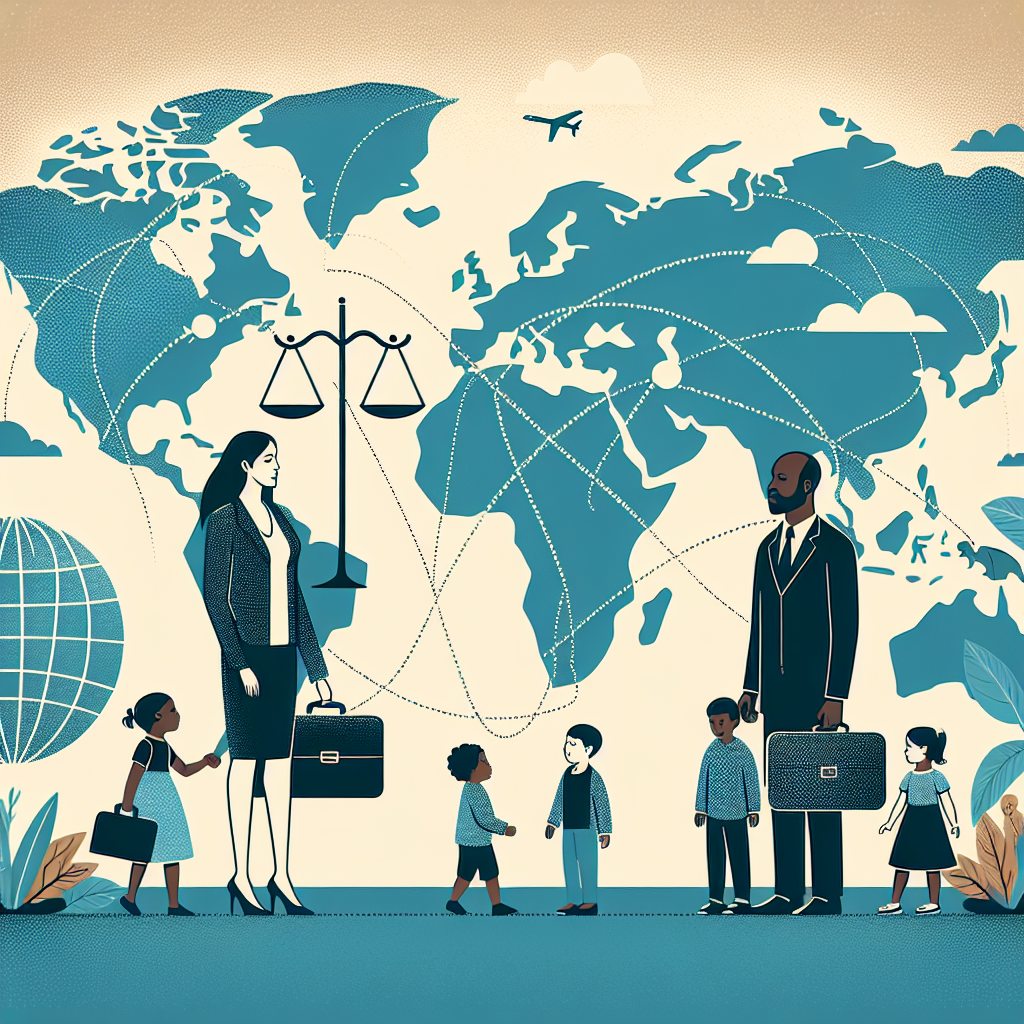
Understanding International Child Support and Alimony Laws
Overview of International Child Support and Alimony Laws
International child support and alimony laws govern the financial responsibilities of parents towards their children and former spouses when they live in different countries or states. These laws aim to ensure that adequate financial support is provided to children and ex-spouses, regardless of where they reside. However, navigating the legal intricacies of child support and alimony across borders can be a complex and challenging process. Understanding the key aspects of these laws, their enforcement and potential challenges is crucial for those involved in cross-border custody and divorce cases.
Importance of Understanding International Laws
In today’s interconnected world, marriages and relationships between people from different countries or who reside in different countries are becoming increasingly common. However, when these relationships end, the legal implications can be complicated, particularly when children are involved. Understanding international child support and alimony laws is essential for protecting the financial rights and interests of both the custodial and non-custodial parent as well as the children.
Factors that Determine Child Support and Alimony Payments
The determination of child support and alimony payments in cross-border situations is primarily based on the laws of the country or state where the child or the recipient of alimony resides. However, other factors, such as the income and financial capabilities of the non-custodial parent, may also be taken into account. In some cases, the laws may also consider the standard of living of the custodial parent and the child, as well as any special needs of the child.
Jurisdiction and Enforcement of International Child Support and Alimony Orders
One of the most significant challenges in cross-border child support and alimony cases is determining the jurisdiction of the court that has the authority to make decisions regarding these matters. International laws, such as the Hague Convention on the International Recovery of Child Support and Other Forms of Family Maintenance, provide a framework for determining jurisdiction and enforcing child support and alimony orders across borders.
Key Differences in Child Support and Alimony Laws Across Countries
Child support and alimony laws can vary significantly from one country to another. For example, some countries may only consider the income of the non-custodial parent when determining child support payments, while others may also take into account the income of the custodial parent. Similarly, the duration and amount of alimony payments may also differ across countries.
Common Challenges Faced in International Child Support and Alimony Cases
One of the most common challenges in cross-border child support and alimony cases is the enforcement of court orders. If the non-custodial parent fails to comply with the court-mandated support payments, it can be challenging to enforce the order, particularly if they reside in a different country with different laws. Other challenges can include navigating the complex legal procedures and language barriers, obtaining necessary financial information from the non-custodial parent, and establishing the jurisdiction of the court.
International Treaties and Agreements for Child Support and Alimony
Several international treaties and agreements have been established to address the challenges of cross-border child support and alimony cases. These include the Hague Convention on the International Recovery of Child Support and Other Forms of Family Maintenance, the United Nations Convention on the Rights of the Child, and the European Convention on Recognition and Enforcement of Decisions Concerning Custody of Children and on Restoration of Custody of Children.
Legal Resources for International Child Support and Alimony Cases
For those involved in cross-border child support and alimony cases, it is essential to seek out legal resources from experienced family law attorneys who have knowledge and expertise in international laws and treaties. These attorneys can provide guidance and representation in navigating the complex legal processes and enforcing court orders. Additionally, international organizations and government agencies may also offer support and resources for international child support and alimony cases.
Impact of Technology on International Child Support and Alimony Laws
The advancement of technology has had a significant impact on international child support and alimony laws. With the increasing use of digital communication and online payment systems, it has become easier to track and enforce court-ordered support payments across borders. Technology has also made it possible for parents to communicate and make arrangements for child support and alimony payments more efficiently, reducing the need for traditional legal processes.
Future Outlook and Potential Changes in International Laws for Child Support and Alimony
As the world becomes more interconnected, there is a growing need for international laws and agreements to address the challenges and complexities of cross-border child support and alimony cases. It is likely that there will be an increase in the use of technology and online platforms to handle these cases, making it easier to establish jurisdiction, track payments, and enforce court orders. There may also be efforts to harmonize child support and alimony laws across countries to provide more consistency and fairness in these matters.
Conflict of Laws in International Divorce

Navigating International Divorce Laws: A Guide
Introduction
International divorce cases can be complex and challenging, as they involve navigating different legal systems, cultural differences, and potentially conflicting laws. The rise of globalization has led to an increase in cross-border marriages and subsequent divorces, making international divorce a relevant and pressing issue for many individuals. In this article, we will explore the various legal considerations and challenges involved in international divorce cases and provide insight on how to navigate them effectively.
Understanding International Divorce Laws
The first step in understanding international divorce is to familiarize oneself with the different laws and regulations that may apply. When a couple is married in one country but resides in another, they may be subject to the laws of both countries. This is known as the principle of “conflict of laws” or “private international law.” Each country has its own set of laws governing marriage and divorce, and these laws may differ significantly from one another.
For example, some countries have strict requirements for divorce, such as a mandatory waiting period or proof of fault, while others may allow for no-fault divorces. Additionally, laws regarding the division of assets and child custody may also vary greatly between countries.
The Impact of Country of Residence on Divorce Proceedings
One of the most significant factors in an international divorce case is the country of residence. This determines which country’s laws and courts will have jurisdiction over the divorce proceedings. Generally, the country where the couple resides at the time of divorce will have jurisdiction, but there are exceptions to this rule.
For example, if a couple is married in one country but resides in another, the laws of the country where they were married may still apply. In some cases, the jurisdiction may be determined by the first country where either spouse files for divorce. Additionally, some countries may have a concept known as “forum shopping,” where a spouse may choose to file for divorce in a country with more favorable laws and outcomes for their case.
Navigating Different Legal Systems in International Divorce
Dealing with different legal systems can be one of the most challenging aspects of an international divorce. Each country has its own legal procedures, language, and cultural norms, which can make it difficult to understand and navigate the process effectively.
In some cases, it may be necessary to hire lawyers in both countries to ensure that all legal aspects are covered. It is essential to work with lawyers who are experienced in international divorce cases and have a thorough understanding of the laws and procedures in both countries.
The Role of International Treaties and Agreements in Divorce Cases
There are various international treaties and agreements in place that aim to provide a framework for handling international divorce cases. One of the most well-known is the Hague Convention on the Recognition of Divorces and Legal Separations. This convention seeks to establish rules for recognizing and enforcing foreign divorces and legal separations.
However, not all countries are signatories to these agreements, which can complicate matters further. It is essential to research and understand the relevant treaties and agreements that may apply to your case and consult with legal experts to ensure compliance.
Complexities of Child Custody in International Divorce
Child custody is often one of the most contentious issues in any divorce case, and when it involves international borders, the complexities increase significantly. In some cases, one parent may try to take the child to another country, potentially violating custody agreements or laws. In these situations, it is crucial to seek legal assistance immediately to prevent any further complications.
Additionally, determining which country’s laws will apply to child custody can be challenging. As with divorce proceedings, the country of residence will generally have jurisdiction over child custody. However, there are exceptions to this rule, and it may be necessary to seek legal advice to determine the best course of action for your case.
Financial Considerations and Division of Assets in International Divorce
Another significant aspect of an international divorce is the division of assets. Each country has its own laws and procedures for dividing marital assets, and these laws may differ significantly from one another. It is essential to consult with legal experts in both countries to understand the laws and any potential tax implications of dividing assets in an international divorce.
In some cases, it may be necessary to obtain a financial expert to help determine the value of assets, especially when they are located in different countries. It is also essential to consider any differences in the cost of living between the two countries and how that may affect the division of assets.
Unique Challenges Faced by Expats in International Divorce
Expats or individuals living abroad may face additional challenges in an international divorce. They may not have a strong support system in their country of residence, and language and cultural barriers can make it challenging to navigate the legal system effectively. Additionally, expats may have to deal with the complexities of immigration laws and potential consequences for their visa status.
It is crucial for expats to seek legal advice from experienced international divorce lawyers who can help them navigate these unique challenges and protect their rights and interests.
Importance of Legal Representation in International Divorce
Given the complexities and potential challenges involved in an international divorce, it is crucial to have legal representation. Experienced international divorce lawyers can provide guidance and assistance throughout the process, ensuring that all legal requirements are met, and your rights and interests are protected.
Working with a lawyer who is knowledgeable in international divorce laws and has experience in handling cross-border cases can make all the difference in achieving a favorable outcome.
Finding the Best Solution for Your International Divorce Case
International divorce cases can be complex and challenging, but with the right knowledge and legal representation, it is possible to navigate them successfully. It is essential to understand the laws and regulations that apply to your case and seek advice from experienced lawyers to find the best solution for your situation.
By considering all the legal aspects, cultural differences, and potential challenges, you can ensure that your international divorce is handled effectively, and your rights and interests are protected.
Cross-Cultural Negotiation Techniques

Master International Negotiation Strategies: Expert Tips & Techniques
Introduction to International Negotiation Strategies
Cross-cultural negotiation refers to the process of negotiating with individuals or groups from different cultural backgrounds. In today’s globalized world, cross-cultural negotiation has become increasingly common as businesses and organizations work with partners, clients, and suppliers from diverse cultural backgrounds.
Effective cross-cultural negotiation requires an understanding of cultural differences, effective communication strategies, and the ability to navigate potential conflicts. This article will explore key strategies for successful cross-cultural negotiation, including cultural sensitivity, communication styles, and adapting to different legal environments.
Understanding Cultural Differences in Negotiation
One of the most important factors to consider in cross-cultural negotiation is the impact of cultural differences. Culture influences our values, beliefs, and behaviors, which can greatly impact the negotiation process. Therefore, it is essential to have a basic understanding of the cultural norms and practices of the individuals or groups you are negotiating with.
For example, in some cultures, direct and assertive communication is valued, while in others, indirect and diplomatic communication is preferred. In some cultures, time is viewed as flexible and negotiable, while in others, punctuality is highly valued. Different attitudes towards risk-taking, hierarchy, and individualism also vary across cultures and can impact negotiation strategies.
To effectively navigate these cultural differences, it is important to do your research and educate yourself on the cultural norms of the individuals or groups you are negotiating with. This can help you avoid misunderstandings and misinterpretations, and show respect and cultural sensitivity.
Importance of Effective Communication in Cross-Cultural Negotiations
Communication is a crucial aspect of any negotiation, and even more so in cross-cultural negotiations. Effective communication requires the ability to understand and adapt to different communication styles and preferences.
To ensure effective communication in cross-cultural negotiations, it is important to be aware of verbal and nonverbal cues. Verbal cues include language differences, accents, and tone. Nonverbal cues include body language, gestures, and facial expressions. It is essential to be sensitive to these cues and adapt your communication accordingly to better understand and be understood by the other party.
In addition, actively listening and asking clarifying questions can help avoid misunderstandings and show respect for the other party’s perspective. It is also important to be patient and avoid making assumptions about the other party’s communication style based on their cultural background.
Establishing Trust and Building Relationships in International Negotiations
Trust and relationship-building are crucial elements in any negotiation, and even more so in cross-cultural negotiations. Building trust takes time and effort, but it is essential for successful negotiations, as it creates a foundation of mutual respect and understanding.
In many cultures, building a personal relationship is an important first step in establishing trust. This may involve socializing outside of the negotiation setting, sharing meals, or engaging in small talk to get to know the other party on a personal level. In some cultures, it may also be important to establish a hierarchy and show respect to those in positions of authority.
It is also vital to be aware of potential cultural differences in the negotiation process, such as differences in decision-making styles or the use of silence. Being patient, respectful, and open-minded can help build trust and foster a positive relationship with the other party.
Utilizing Power Dynamics in Negotiation: Strategies for Success
Power dynamics play a significant role in cross-cultural negotiations. Power can come from various sources, such as expertise, status, or economic resources. Understanding power dynamics is crucial for effectively negotiating in cross-cultural situations.
In some cultures, power and hierarchy are highly valued, and it may be necessary to show deference and respect to those in positions of authority. In other cultures, power may be more equally distributed, and a collaborative approach may be more effective.
To navigate power dynamics, it is essential to be aware of your own sources of power and how they may be perceived by the other party. It is also crucial to be respectful and avoid using power in a coercive or aggressive way, as this can damage the negotiation process and harm the relationship with the other party.
Addressing Conflict and Finding Common Ground in International Negotiations
Conflicts are a normal part of any negotiation, and even more so in cross-cultural negotiations. When dealing with individuals from different cultural backgrounds, conflicts can arise due to differences in communication styles, values, and beliefs.
To effectively address conflict in cross-cultural negotiations, it is essential to remain calm, respectful, and open-minded. Avoiding blame and adopting a problem-solving mindset can help find common ground and reach a mutually beneficial agreement.
In some cultures, direct confrontation and assertiveness may be viewed negatively, so it is important to be aware of potential cultural differences in conflict resolution styles. In addition, using an intermediary or a neutral third party can be helpful in resolving conflicts and finding a compromise.
Overcoming Language Barriers in International Negotiations
Language barriers can pose significant challenges in cross-cultural negotiations. Misinterpretations and misunderstandings can easily arise when negotiating with individuals who speak different languages. Therefore, it is crucial to have a plan in place to overcome language barriers.
One option is to hire a professional interpreter who is familiar with both the language and culture of the individuals you are negotiating with. This can help avoid misunderstandings and ensure effective communication. In addition, using visual aids, such as charts or diagrams, can also aid in understanding and overcome language barriers.
It is also essential to be patient and avoid using jargon or complex language that may not be easily understood by the other party. Simplifying language and using clear, concise statements can help facilitate effective communication.
Negotiating in Different Legal Environments: Considerations for Success
When negotiating in cross-cultural situations, it is essential to be aware of the legal environment and differences in laws and regulations. Legal systems, such as common law or civil law, can greatly impact the negotiation process and outcomes.
Before entering into negotiations, it is crucial to research and understand the legal system of the country or region you are negotiating in. This can help avoid misunderstandings and ensure compliance with local laws. Hiring a legal advisor or consultant who is familiar with the legal system can also be helpful in navigating potential legal issues in negotiations.
Adapting Negotiation Styles to Different Cultures: Case Studies and Examples
One of the most effective strategies for successful cross-cultural negotiations is the ability to adapt your negotiation style to different cultures. This may involve being more direct or indirect in communication, using different decision-making styles, or adjusting to cultural differences in power dynamics.
Case studies and examples of successful cross-cultural negotiations can provide valuable insights and guidance for adapting to different cultures. Learning from real-world experiences and understanding the strategies and approaches that were successful can help improve your cross-cultural negotiation skills.
Key Takeaways for Successful International Negotiations
Cross-cultural negotiation requires a combination of cultural sensitivity, effective communication, relationship-building, and adaptability. By understanding and respecting cultural differences, actively listening and communicating effectively, and being aware of power dynamics and legal environments, you can increase your chances of success in cross-cultural negotiations.
Remember to be patient, open-minded, and willing to adapt to different cultures and ways of doing business. By continuously learning and improving your cross-cultural negotiation skills, you can build strong relationships and achieve successful outcomes in international negotiations.
Cultural Norms and Their Impact on Mediation

The Impact of Cultural Norms on Mediation: An SEO Specialist Perspective
Introduction
Cultural norms play a significant role in shaping our beliefs, values, and behaviors. These norms are ingrained in our societies and influence how we interact with others, make decisions, and resolve conflicts. Mediation, on the other hand, is a process of resolving disputes between two or more parties through the help of a neutral third party. In recent years, the importance of cultural norms in mediation has gained attention as the world becomes increasingly diverse and interconnected. In this article, we will explore the relationship between cultural norms and mediation, the impact of cultural norms on mediation outcomes, the role of cultural sensitivity in successful mediation, and strategies for effectively navigating cultural barriers in mediation.
Defining Cultural Norms
Cultural norms, also known as social norms or mores, are the shared and accepted standards of behavior and beliefs held by a particular group or society. These norms are often implicit and learned through socialization, and they govern how individuals should behave in various social situations. They can include values, customs, traditions, rituals, and expectations for communication, dress, and gender roles. Cultural norms can vary greatly between different regions, countries, and ethnic groups, and they play a significant role in shaping our identities and influencing our behaviors.
Understanding Mediation
Mediation is a voluntary and confidential process of dispute resolution, where a neutral third party assists parties in reaching a mutually acceptable agreement. Mediators do not decide the outcome of the dispute, but rather facilitate communication, identify underlying issues, and help parties explore possible solutions. Mediation can be used to resolve a wide range of conflicts, including commercial disputes, family conflicts, workplace issues, and community disputes. It is a flexible and often more cost-effective alternative to traditional litigation, and it promotes cooperation and mutual understanding between parties.
The Relationship Between Cultural Norms and Mediation
Cultural norms and mediation are closely intertwined, as our cultural backgrounds greatly influence our perceptions, communication styles, and approaches to conflict resolution. Our cultural norms shape our understanding of what is acceptable and appropriate behavior, as well as our beliefs about power, hierarchy, and authority. When individuals from different cultural backgrounds engage in mediation, they bring their unique set of cultural norms and expectations to the process, which can impact the dynamics and outcomes of the mediation.
For example, in some cultures, it is customary for individuals to avoid direct confrontation and to value harmonious relationships. In such cases, parties may be more hesitant to express their needs and concerns openly in a mediation setting, as they may fear causing conflict or damaging the relationship. On the other hand, in cultures that prioritize direct communication and assertiveness, parties may approach mediation more aggressively, making it difficult for the mediator to facilitate productive communication and reach a mutually acceptable agreement.
In addition, cultural norms can also influence the ways in which individuals approach conflict resolution. Some cultures may value compromise and cooperation, while others may prioritize competition and assertiveness. These cultural differences in conflict resolution styles can lead to misunderstandings and challenges in mediation, as parties may have different expectations and approaches to the process. Therefore, it is essential for mediators to understand the influence of cultural norms on conflict resolution and adapt their techniques accordingly.
Impact of Cultural Norms on Mediation Outcomes
The influence of cultural norms on mediation outcomes can be significant. In some cases, cultural norms can hinder effective communication and understanding between parties, leading to a breakdown in the mediation process. For example, cultural norms around gender roles and power dynamics may create imbalances in communication and decision-making. If one party holds more power or is perceived to have more authority based on their cultural background, it can be challenging to reach a fair and mutually acceptable agreement.
Cultural norms can also impact the willingness of parties to engage in mediation and their expectations for the outcomes. For instance, in cultures where individual autonomy is highly valued, parties may be more resistant to reaching a compromise or may feel pressure to preserve their individual interests at the expense of the collective good. On the other hand, in cultures that prioritize community harmony and loyalty, parties may be more inclined to prioritize the relationship with the other party over their individual needs, making it difficult to reach a mutually acceptable outcome.
Moreover, cultural norms can also affect the perception of fairness and justice in mediation outcomes. In some cultures, the perception of fairness is based on equal distribution, while in others, it is based on the preservation of social harmony. These different understandings of fairness can create challenges in mediation, as parties may have different interpretations of what constitutes a fair resolution.
The Role of Cultural Sensitivity in Successful Mediation
Cultural sensitivity, also known as cultural competence, refers to the ability to understand, appreciate, and effectively navigate cultural differences. In mediation, cultural sensitivity is crucial for promoting effective communication, building trust, and reaching mutually acceptable agreements. Mediators who are culturally sensitive are aware of their own cultural biases and are skilled in recognizing and addressing cultural barriers that may arise in the mediation process.
Some essential skills for mediators to develop cultural sensitivity include active listening, empathy, and cultural self-awareness. Active listening involves paying attention to both verbal and nonverbal cues, asking clarifying questions, and summarizing to ensure mutual understanding. Empathy allows mediators to put themselves in the shoes of the parties and understand their perspectives and feelings. Cultural self-awareness involves recognizing one’s own cultural biases and understanding how they may influence the mediation process.
Overcoming Cultural Barriers in Mediation
Mediation can be an effective way to overcome cultural barriers and promote understanding and collaboration between parties. One way to overcome cultural barriers in mediation is to incorporate cultural awareness and sensitivity into the process. Mediators can use techniques such as cultural mapping, which involves identifying and discussing cultural norms and values that may impact the mediation process. This allows parties to better understand each other’s cultural backgrounds and perceptions and find common ground for resolution.
Another way to overcome cultural barriers is to employ cultural brokers or interpreters who can help parties communicate and understand each other’s perspectives. Cultural brokers are individuals who are familiar with both cultures involved in the mediation and can help bridge cultural gaps and facilitate effective communication. Interpreters, on the other hand, can help parties understand each other’s language and expressions, promoting better communication and understanding.
It is also essential for mediators to be flexible and willing to adapt to different cultural norms and expectations. This may involve adjusting the mediation process or techniques to better suit the cultural backgrounds of the parties. For example, in cultures where oral communication is more valued than written communication, mediators may need to rely more on verbal communication and storytelling rather than written documents or agreements.
Cultural Competence in Mediation: Importance and Strategies
Cultural competence is crucial in promoting successful mediation outcomes. It allows mediators to navigate cultural differences and potential conflicts effectively and promote mutual understanding and respect between parties. Some strategies for developing cultural competence in mediation include ongoing training and education on cultural differences and conflict resolution, seeking feedback from parties about their cultural needs and expectations, and reflecting on one’s own cultural biases and how they may impact the mediation process.
Additionally, mediators can also develop partnerships with organizations or individuals from different cultural backgrounds to gain a deeper understanding of their norms and values. This can enhance their ability to mediate effectively in culturally diverse settings. It is also essential to continuously evaluate and reflect on the effectiveness of mediation techniques and adapt them to better suit diverse cultural backgrounds.
Cultural Norms and Mediation in Different Regions and Countries
Cultural norms and mediation may vary significantly between different regions and countries. For example, in collectivist cultures, such as many Asian and African cultures, mediation may prioritize preserving relationships and promoting harmony over individual needs. On the other hand, in individualistic cultures, such as the United States and Western Europe, mediation may focus more on individual rights and interests.
In some cultures, mediation may be seen as a sign of weakness or loss of face, and parties may be more inclined to engage in litigation instead. In other cultures, mediation may be the preferred method of dispute resolution, and parties may be more open to compromise and collaboration. Understanding these cultural differences is crucial for mediators to adapt their techniques and approaches and promote successful outcomes.
Promoting Effective Mediation Through Cultural Understanding
In today’s globalized and diverse world, cultural norms play a significant role in shaping our identities, behaviors, and perceptions. In mediation, cultural norms can impact communication, conflict resolution styles, and the perception of fairness, making it essential for mediators to develop cultural sensitivity and competence. By understanding and navigating cultural differences, mediators can promote effective communication, build trust, and reach mutually acceptable agreements between parties. With the growing importance of mediation in resolving conflicts, it is crucial to integrate cultural awareness and sensitivity into the mediation process to promote successful outcomes and promote cross-cultural understanding and cooperation.