

Emotional Dynamics in Long-term Divorces

Build Emotional Resilience for Long-term Divorce
Understanding Emotional Resilience in Long-term Divorce
When going through a divorce, the emotional toll can be immense. But what about when the process becomes drawn out and prolonged? In cases of long-term divorce, where the process can stretch on for months or even years, the emotional dynamics can be even more complex. It’s important to understand the unique challenges and impact of a long-term divorce on emotional resilience.
The Impact of Divorce on Emotional Resilience
Divorce is often described as one of the most stressful and emotionally taxing experiences a person can go through. It involves the end of a relationship, a significant change in family dynamics, and a potential upheaval of one’s life. When this process becomes extended over a long period of time, the emotional toll can be even greater. The constant stress, uncertainty, and conflict can wear down a person’s emotional resilience.
Additionally, the prolonged nature of a long-term divorce can mean that the emotional impact is ongoing. Unlike a shorter divorce process, where there may be a sense of closure once the proceedings are finalized, a long-term divorce can feel never-ending. This can lead to a sense of frustration, hopelessness, and anxiety, which can take a toll on emotional well-being.
How to Develop Emotional Resilience During a Long-term Divorce
The good news is that emotional resilience is a skill that can be cultivated and developed. While it may be challenging during a long-term divorce, there are ways to build and maintain emotional resilience.
One key aspect of developing emotional resilience is understanding and acknowledging your emotions. It’s important to recognize and accept the difficult emotions that may arise during a long-term divorce, such as anger, sadness, and fear. By acknowledging these emotions, you can better understand and address them.
Another important aspect is finding healthy coping strategies to manage these emotions. This can include practices such as mindfulness, exercise, therapy, or journaling. These coping mechanisms can help you process your emotions and find a sense of calm during a tumultuous time.
Coping Strategies for Emotional Resilience During a Long-term Divorce
In addition to finding healthy coping strategies, there are other specific techniques that can help build and maintain emotional resilience during a long-term divorce.
One effective strategy is to focus on the present moment. It’s easy to get caught up in worrying about the future or dwelling on the past during a long-term divorce. However, by focusing on the present and what you can control in the moment, you can reduce stress and find a sense of peace.
Another useful coping strategy is to practice self-compassion. Divorce can often lead to feelings of shame, guilt, and self-blame. However, by showing yourself compassion and treating yourself with kindness, you can alleviate these negative emotions and build your emotional resilience.
Building a Support System for Emotional Resilience in Long-term Divorce
Having a strong support system is crucial for maintaining emotional resilience during a long-term divorce. This can include friends, family, therapists, or support groups. Having people to talk to and lean on can provide a sense of comfort and understanding during a challenging time.
It’s also important to communicate your needs to your support system. Let them know what you need from them, whether it’s a listening ear, a shoulder to cry on, or someone to help with practical tasks. By being open and honest about your needs, you can strengthen your support system and make it more effective in helping you through the emotional dynamics of a long-term divorce.
The Role of Self-Care in Maintaining Emotional Resilience During a Long-term Divorce
Self-care is a crucial aspect of maintaining emotional resilience during a long-term divorce. It involves taking care of your physical, emotional, and mental well-being. This can include practices such as getting enough sleep, eating well, and taking breaks from stressors.
It’s also important to find activities that bring you joy and help you relax. This can be different for everyone, whether it’s reading, listening to music, or spending time outdoors. By prioritizing self-care, you can recharge and replenish your emotional reserves, making it easier to navigate the challenges of a long-term divorce.
Overcoming Challenges to Emotional Resilience in Long-term Divorce
While developing and maintaining emotional resilience during a long-term divorce is important, it’s not always easy. There may be challenges that arise, such as communication breakdown or unresolved conflict.
In these situations, it can be helpful to seek professional support. A therapist can provide a safe and neutral space to work through these challenges and find healthy ways to cope. They can also offer guidance on how to improve communication and manage conflict in a more constructive way.
Navigating Co-parenting and Emotional Resilience in Long-term Divorce
For those with children, co-parenting during a long-term divorce can add another layer of complexity to the emotional dynamics. It’s important to prioritize the well-being and needs of your children while also taking care of yourself.
Communication and cooperation with your co-parent are key in maintaining emotional resilience during this process. It may be helpful to establish clear boundaries and guidelines for co-parenting and have regular check-ins to ensure that everyone is on the same page.
Healing and Moving Forward: Emotional Resilience in the Aftermath of a Long-term Divorce
Eventually, the long-term divorce process will come to an end. However, the emotional effects may still linger. It’s important to give yourself time and space to process and heal after a long-term divorce.
This may involve seeking closure or forgiveness, whether it’s through therapy or journaling. It’s also important to focus on self-care and rebuilding your life as you move forward. This can be a challenging and emotional journey, but with the skills and support you have built, you can find strength and resilience to face whatever comes your way.
Finding Strength and Resilience in the Face of a Long-term Divorce
In the midst of a long-term divorce, it can be easy to feel overwhelmed and emotionally drained. But by understanding and acknowledging the unique challenges and impact of a long-term divorce on emotional resilience, building a strong support system, and prioritizing self-care, you can navigate this difficult process with more strength and resilience. It’s important to remember that while a long-term divorce may feel like an endless journey, there is always a light at the end of the tunnel and you are capable of finding the resilience to move forward.
Financial Entanglements in Long-term Marriages

Divorce & Financial Entanglements: Navigating Assets in Long-term Marriages
Understanding Long-term Marriages and Divorce
Long-term marriages, also known as “marriages of long duration,” are those that have lasted for 10 years or more. They are often viewed as the epitome of a successful and stable relationship, with couples building a life together and weathering various ups and downs over the years. However, even in the strongest of marriages, there may come a time when the relationship comes to an end.
Divorce is a reality for many couples, and it can be a difficult and emotionally taxing experience. In addition to the emotional toll, there are also many practical considerations to be addressed, especially when it comes to finances. Untangling the financial aspects of a long-term marriage can be a complex and challenging process, often requiring the help of legal and financial professionals.
The Impact of Financial Entanglements on Divorce
One of the most significant factors in the financial aspect of divorce is the level of financial entanglement between the spouses. Financial entanglements refer to the ways in which a couple’s finances are intertwined, including joint assets, shared expenses, and economic ties.
When a couple has been married for a long time, it is common for them to have a high level of financial entanglement. This can make the process of dividing assets and debts much more complicated. It is not just a matter of splitting the assets down the middle; there are many considerations to take into account, such as the contributions of each spouse, the value of assets, and the tax implications of dividing them.
Identifying and Valuing Marital Assets
Marital assets refer to any property or assets acquired during the marriage. These can include real estate, investments, retirement accounts, and personal property. In a long-term marriage, the longer the duration of the marriage, the more likely it is that there will be a significant number of assets to be divided.
Identifying and valuing marital assets is a crucial step in the divorce process. This involves disclosing all assets and their values to the court and the other spouse. In some cases, assets may need to be appraised by a professional to determine their fair market value. This step is essential to ensure that assets are divided fairly and equitably.
Dividing Marital Assets in a Fair and Equitable Manner
In a long-term marriage, both spouses have likely made significant contributions to the accumulation of assets. As such, it is essential to divide these assets in a way that is fair and equitable for both parties. This does not necessarily mean a 50/50 split of all assets but rather a division that takes into account the contributions of each spouse and their individual financial needs.
The division of assets can be done through negotiation between the spouses, with the assistance of their lawyers and financial advisors, or it can be decided by a judge if the couple cannot come to an agreement. In either case, it is crucial to consider all assets, including those with sentimental value, to ensure a fair outcome.
Dealing with Joint Debts and Liabilities
In addition to assets, long-term marriages often involve joint debts and liabilities that must also be addressed in a divorce. These may include mortgages, car loans, credit card debt, and other types of loans. Like assets, joint debts must be divided fairly and equitably between the spouses.
In some cases, it may be necessary for one spouse to take on responsibility for a particular debt, while in others, the debt may need to be split between the two parties. It is important to consider the impact of these debts on each spouse’s financial situation and their ability to make payments after the divorce is finalized.
Negotiating Settlements and Agreements
Divorce settlements and agreements involve more than just the division of assets and debts. They also address other important financial issues, such as spousal support (alimony), child support, and custody arrangements for any minor children.
In a long-term marriage, spousal support may be a significant consideration, particularly if one spouse has been out of the workforce for an extended period or has a lower earning capacity. Child support may also be a factor, especially if the couple has children who are still minors. These factors must be carefully considered and negotiated to ensure that all parties are financially supported after the divorce.
Tax Implications of Dividing Assets and Debts
When dividing assets and debts in a long-term marriage, it is essential to understand the tax implications of these decisions. Some assets, such as retirement accounts, may have significant tax consequences when divided, and it is crucial to consider these implications during the negotiation process.
Additionally, changes in tax filing status and deductions may also have an impact on each spouse’s financial situation. It is essential to work with a tax professional to understand the potential tax implications of all decisions made during the divorce process.
Protecting Your Financial Future After Divorce
Divorce can have a significant impact on one’s financial stability, especially in a long-term marriage where there may be complex financial entanglements. As such, it is crucial to take steps to protect your financial future after the divorce is finalized.
This may include updating estate planning documents, such as wills and trusts, to reflect the end of the marriage. It may also involve creating a new budget and financial plan to adjust to your new financial situation. It is also essential to review and update any insurance policies, including health, life, and disability insurance, to ensure adequate coverage.
The Role of a Financial Advisor in Divorce
Navigating the financial aspects of a long-term marriage and divorce can be complex and overwhelming. As such, it is highly recommended to seek the assistance of a financial advisor who specializes in divorce. These professionals can provide valuable guidance and expertise in identifying, valuing, and dividing assets, as well as creating a financial plan for the future.
A financial advisor can also work with your lawyer and tax professional to ensure that all financial considerations are taken into account and that you are making informed decisions throughout the process.
Moving Forward: Tips for Managing Finances after a Long-term Marriage Ends
After a long-term marriage ends, it is essential to take steps to manage your finances effectively and plan for your future financial stability. Some tips to consider include:
– Create a new budget and financial plan that reflects your new income and expenses.
– Update your estate planning documents, insurance policies, and other financial accounts to reflect the end of the marriage.
– Seek professional financial advice to help you make informed decisions.
– Protect your credit by monitoring your credit report and closing any joint accounts with your ex-spouse.
Conclusion
Financial entanglements in long-term marriages can create complex and challenging situations during a divorce. It is crucial to carefully consider all assets and debts and work with professionals to negotiate a fair and equitable division. By taking steps to protect your financial future and seeking the assistance of a financial advisor, you can navigate the financial aspects of a long-term marriage and divorce with confidence and ensure a secure financial future for yourself.
Future Planning and Financial Security

Secure Your Retirement: Long-Term Financial Planning Tips
The Importance of Long-term Financial Planning
Financial planning is crucial for securing a stable and secure future. It involves setting goals, creating a budget, understanding investment options, and preparing for potential challenges. However, it is not just about short-term financial goals; it also involves long-term planning to ensure financial stability and security in retirement.
Setting Goals for Retirement Planning
Retirement planning is a key part of long-term financial planning. It involves setting clear goals for how much money you will need in retirement and how you will achieve that. This includes considering factors such as lifestyle, healthcare costs, and potential changes in income during retirement. It is essential to start setting these goals early and regularly reassess and adjust them as needed.
Understanding Retirement Savings Options
When it comes to retirement planning, there are several savings options available, including 401(k)s, IRAs, and pension plans. Each of these options has its own benefits and considerations, such as contribution limits, tax advantages, and withdrawal rules. It is crucial to understand these options and choose the ones that align with your retirement goals and risk tolerance.
Planning for Potential Healthcare Costs in Retirement
As individuals age, healthcare costs tend to increase, making it essential to plan for these potential expenses in retirement. This could include considering long-term care insurance or utilizing a health savings account (HSA) to cover medical expenses. It is also crucial to stay up-to-date on Medicare and Medicaid benefits and understand how they can help with healthcare costs in retirement.
Creating a Budget for Retirement
Having a budget is critical in retirement as it helps determine how much money you will need and where it will come from. A budget should include all necessary expenses, such as housing, healthcare, and food, as well as discretionary spending, such as travel and leisure. It is essential to create a realistic budget and stick to it to ensure financial stability in retirement.
Balancing Risk and Reward in Investments
Investing is a crucial aspect of long-term financial planning, but it is essential to balance risk and reward. While higher-risk investments may offer the potential for higher returns, they also come with more significant risk. It is crucial to diversify investments and consider factors such as the timeline for retirement and risk tolerance when making investment decisions.
Considering Tax Implications in Retirement Planning
Taxes can have a significant impact on retirement planning, as they can affect retirement income and the overall value of investments. It is essential to consider the tax implications of different retirement savings options and investment strategies. Utilizing tax-advantaged accounts and understanding tax laws and regulations can help minimize taxes in retirement.
Preparing for Unexpected Life Events
Life is full of unexpected events, which is why it is crucial to consider potential challenges and plan for them in long-term financial planning. This could include having an emergency fund, having proper insurance coverage, and having a plan for potential loss of income. These preparations can help ensure financial stability and security in the face of unexpected life events.
Reassessing and Adjusting Plans as Retirement Approaches
As retirement approaches, it is essential to regularly reassess and adjust financial plans to ensure they align with retirement goals. This could include making any necessary changes to investments or budgeting strategies. It is also crucial to keep track of retirement savings and make any necessary adjustments to ensure the desired retirement income.
Ensuring Financial Security in Retirement
Ultimately, the goal of long-term financial planning is to ensure financial security in retirement. This means having enough income to cover expenses, maintain a desired lifestyle, and have a financial cushion for unexpected events. It is essential to regularly revisit and adjust financial plans to ensure they are on track to provide financial stability in retirement.
Impact of Marriage Duration on Mediation Process
Unlocking the Secrets of Marriage Duration Through Mediation
Introduction
Mediation is a common practice in marriage counseling, aimed at resolving conflicts and promoting healthier communication between partners. However, the success of mediation can also be influenced by the duration of a marriage. In this article, we will discuss the impact of marriage duration on the mediation process and its outcomes.
The Importance of Marriage Duration for Mediation Success
The length of a marriage can play a significant role in the success of mediation. This is because longer marriages tend to have a more complex history and a deeper emotional connection between partners, making it more challenging to navigate conflicts and reach a resolution. On the other hand, shorter marriages may have less baggage and fewer underlying issues, making it easier to address and resolve conflicts through mediation.
Understanding the Role of Mediation in Marriage Counseling
Mediation is a form of conflict resolution that involves a neutral third party (the mediator) to help couples communicate and find mutually beneficial solutions to their problems. Unlike traditional counseling, mediation focuses on finding practical solutions and promoting healthy communication rather than delving into the emotional aspects of the relationship.
Factors Influencing the Duration of Marriage
Several factors can influence the duration of a marriage, including the age at which the couple got married, their cultural background, and their personal beliefs and values. Additionally, external factors such as financial stability, job security, and family dynamics can also impact the longevity of a marriage.
The Effects of Shorter Marriages on Mediation Outcomes
Shorter marriages, typically less than 5 years, may have a higher success rate in mediation. This is because the couples are still in the early stages of their relationship and may have fewer underlying issues to address. Additionally, they may be more open to compromise and willing to work through their conflicts to maintain the relationship.
Strategies for Successful Mediation in Longer Marriages
For longer marriages, it may be more challenging to navigate conflicts and reach a resolution through mediation. However, there are several strategies that can improve the success rate of mediation in longer marriages:
- Patience and Understanding: Longer marriages may have a more complex history, and it is essential for the mediator to be patient and understanding of both partners’ perspectives. This can help create a safe and non-judgmental environment for effective communication.
- Addressing Underlying Issues: In longer marriages, there may be underlying issues that have been unresolved for years. It is crucial for the mediator to identify and address these issues to promote a more successful mediation process.
- Encouraging Open Communication: Effective communication is crucial in any relationship, and it is especially important in longer marriages. The mediator should encourage both partners to openly express their thoughts and feelings without fear of judgment.
- Setting Realistic Expectations: Couples in longer marriages may have built-up expectations and resentments that can impact the mediation process. It is essential for the mediator to set realistic expectations and manage them effectively to prevent further conflicts.
The Role of Communication in Marriage Duration and Mediation
As mentioned earlier, effective communication is vital in any relationship, and it becomes even more crucial in longer marriages. Poor communication can lead to misunderstandings, resentment, and unresolved conflicts, which can ultimately lead to the breakdown of the relationship. Mediation can help improve communication between partners by providing a safe and structured environment to express thoughts and feelings.
Overcoming Challenges in Mediation for Longer Marriages
Mediation in longer marriages can be challenging due to the accumulated baggage and complex relationship dynamics. However, by addressing these challenges, the mediation process can still be successful. Some of the common challenges in mediation for longer marriages include:
- Unresolved Conflicts: As mentioned earlier, longer marriages may have unresolved conflicts that have been building up for years. It is essential to address these conflicts and find practical solutions to prevent them from resurfacing in the future.
- Power Imbalances: In some relationships, one partner may have more control and influence, leading to a power imbalance. This can make it difficult for the other partner to express themselves or make decisions during mediation. The mediator should be aware of such imbalances and work towards creating a more equal and comfortable environment for both partners.
- Emotional Baggage: After years of being in a relationship, partners may have accumulated emotional baggage, such as past traumas, insecurities, and resentments. It is essential to address these emotions and find ways to manage them effectively during mediation.
The Impact of Children on Marriage Duration and Mediation
Children can have a significant impact on the duration of a marriage and the mediation process. For couples with children, their well-being and happiness may become a priority, leading to a longer-lasting marriage. However, children can also be a source of conflict and stress in a marriage, making it more challenging to resolve conflicts through mediation.
In mediation, the well-being and best interests of children should be a top priority. The mediator should encourage both parents to communicate effectively and work towards co-parenting in a healthy and mutually beneficial way.
Promoting a Healthy and Long-Lasting Marriage through Mediation
In conclusion, the duration of a marriage can impact the success of mediation. Longer marriages may have more underlying issues and emotional baggage, making it more challenging to navigate conflicts and reach a resolution. However, by understanding the challenges and implementing effective strategies, mediation can still be a successful tool in promoting healthy communication and resolving conflicts in longer marriages.
Inheritance and Asset Protection
Secure Your Legacy: Estate Planning & Wealth Preservation
Introduction
Welcome to our guide on inheritance and asset protection. In today’s world, it’s crucial to plan and protect your assets and inheritance for the benefit of your loved ones and the preservation of your wealth. In this guide, we will discuss the key strategies and considerations for effective inheritance planning and asset protection. Whether you are a business owner, high net worth individual, or simply looking to secure your assets for future generations, this guide will provide valuable insights and tips to help you take control of your inheritance and assets.
Understanding Estate Planning
Estate planning is the process of arranging for the transfer of your assets and inheritance to your beneficiaries after your passing. It involves creating a plan that ensures your wishes are carried out and your loved ones are provided for in the event of your death. Estate planning also includes making arrangements for your medical and financial decisions in case you become incapacitated. This process is crucial for anyone who wants to leave a legacy and ensure their assets are distributed according to their wishes.
Importance of Wealth Preservation
Wealth preservation is a key aspect of inheritance planning. It involves protecting your assets from potential threats, such as taxes, lawsuits, and creditors. By preserving your wealth, you can ensure that your loved ones receive their inheritance intact and are not burdened with unnecessary financial obligations. Wealth preservation is also important for maintaining financial stability and securing your legacy for future generations.
Key Strategies for Inheritance Planning
Effective inheritance planning requires careful consideration and strategic decision-making. Some key strategies to keep in mind include:
- Creating a will: A will is a legal document that outlines your wishes for the distribution of your assets after your death. It is a crucial part of inheritance planning and ensures that your assets are distributed according to your wishes.
- Naming beneficiaries: Many assets, such as retirement accounts and life insurance policies, allow you to name beneficiaries. This ensures that these assets are distributed directly to your chosen beneficiaries without going through the probate process.
- Establishing trusts: Trusts are a popular estate planning tool for protecting and managing assets. They can help reduce estate taxes, avoid probate, and provide more control over how your assets are distributed.
- Gifting assets: Gifting assets during your lifetime can help reduce the size of your estate and minimize estate taxes. It is important to consider the potential tax implications and seek professional advice before making any significant gifts.
- Considering life insurance: Life insurance can be a valuable tool for providing financial security for your loved ones after your passing. It can also be used to cover any estate taxes or debts that may arise.
Protecting Assets through Estate Planning
One of the primary goals of estate planning is to protect your assets from potential threats. Some key ways to protect your assets include:
- Reducing estate taxes: Estate taxes can significantly deplete your assets and reduce the value of your inheritance. By minimizing your estate taxes through proper planning, you can protect your assets for your beneficiaries.
- Utilizing trusts: As mentioned earlier, trusts can be a powerful tool for asset protection. By placing your assets in a trust, you can protect them from potential creditors and lawsuits.
- Titling property correctly: How your property is titled can significantly impact its protection. For example, jointly owned property with rights of survivorship will automatically transfer to the surviving owner, avoiding the probate process.
- Considering insurance: Insurance, such as liability insurance, can provide an extra layer of protection for your assets in case of a lawsuit or other unforeseen events.
Inheritance Tax Planning: What You Need to Know
Inheritance tax, also known as estate tax, is a tax imposed on the transfer of assets after someone’s death. It is important to understand the inheritance tax laws in your state and how they may affect your assets and inheritance. Some key things to keep in mind include:
- Exemption limits: Most states have an exemption limit, which means that only estates above a certain value are subject to inheritance tax.
- State-specific laws: Inheritance tax laws vary by state, so it is important to consult with a professional to understand the laws in your state and how they may impact your assets.
- Gift tax: In addition to inheritance tax, there is also a gift tax that may apply to significant gifts made during your lifetime. It is important to consider the potential tax implications before making any large gifts.
Utilizing Trusts for Asset Protection
Trusts offer a flexible and effective way to protect your assets and manage their distribution. There are various types of trusts, each with its own purpose and benefits. Some common types of trusts include:
- Revocable living trust: This type of trust allows you to retain control over your assets during your lifetime and specify how they should be distributed after your passing.
- Irrevocable trust: In contrast to a revocable trust, an irrevocable trust cannot be changed or revoked once established. This type of trust can offer more protection for your assets and may have tax benefits.
- Spendthrift trust: A spendthrift trust is designed to protect your assets from creditors and lawsuits. It allows for controlled distributions to your beneficiaries, protecting the assets from being depleted quickly.
- Charitable trust: A charitable trust allows you to donate your assets to a charitable organization while also providing tax benefits for you and your beneficiaries.
Estate Planning for Business Owners
If you are a business owner, it is essential to consider how your business will be managed and your assets distributed after your passing. Some key things to keep in mind include:
- Succession planning: Succession planning involves creating a plan for the transfer of your business to a successor. It can help ensure the continuity of your business and protect its value.
- Buy-sell agreement: A buy-sell agreement is a legal contract between co-owners that outlines how the business will be transferred in the event of one owner’s death or incapacitation.
- Key person insurance: Key person insurance can provide financial protection for your business in case of the death or disability of a key employee or partner.
Tips for Successful Wealth Preservation
Here are some additional tips to help you effectively preserve your wealth and secure your inheritance:
- Start early: The earlier you start estate planning, the more options and flexibility you will have in protecting your assets.
- Review and update regularly: It is essential to review your estate plan regularly and make updates as needed to ensure it reflects your current wishes and circumstances.
- Consult with professionals: Estate planning can be complex, so it is important to seek the advice and guidance of professionals, such as an estate planning attorney or financial advisor.
- Communicate with your loved ones: It is crucial to communicate your estate plan and wishes with your loved ones to avoid potential conflicts and ensure they understand your intentions.
Taking Control of Your Inheritance and Assets
In conclusion, effective inheritance planning and asset protection require careful consideration and strategic decision-making. By understanding the key strategies and working with professionals, you can take control of your inheritance and assets, ensuring they are protected and distributed according to your wishes. By preserving your wealth, you can leave a lasting legacy for your loved ones and secure their financial future.
International Considerations in Asset Division

Maximizing Profits: International Asset Division Strategies
Overview of International Asset Division
The process of dividing assets in an international setting can be complex and challenging. It involves navigating different legal systems, tax implications, and cross-border agreements. Whether it is a divorce, business merger or other transaction, international asset division requires careful consideration and planning to ensure a fair and smooth distribution of assets.
The Importance of International Asset Division in Today’s Global Economy
In today’s global economy, businesses and individuals are increasingly involved in cross-border transactions and marriages. This has led to a rise in the need for international asset division. It is crucial to understand the importance of properly dividing assets in an international setting to protect one’s interests and ensure a fair distribution.
Understanding the Different Types of Assets in International Division
When it comes to international asset division, it is essential to understand the different types of assets that may be involved. These can include physical assets such as real estate, financial assets such as bank accounts and investments, and intellectual property such as patents and trademarks. It is crucial to properly identify and value these assets to ensure a fair distribution.
Factors to Consider when Dividing International Assets
Dividing assets in an international setting requires careful consideration of various factors. Some of these factors include the location of assets, the applicable laws in each jurisdiction, and the tax implications of the division. It is essential to work with legal professionals who have experience in international asset division to ensure all relevant factors are taken into account.
Common Challenges in International Asset Division and How to Overcome Them
International asset division can present several challenges, including language barriers, cultural differences, and conflicting laws and regulations. To overcome these challenges, it is crucial to work with experienced legal professionals who have a deep understanding of international laws and cultural sensitivities. It is also helpful to have open and transparent communication with all parties involved to reach an amicable agreement.
The Role of Legal Professionals in International Asset Division
Legal professionals play a vital role in international asset division. They can provide guidance and support in navigating the complexities of different legal systems and tax laws. They can also assist in the valuation of assets and ensuring fair distribution. It is essential to work with legal professionals who have experience in international asset division and a deep understanding of cross-border transactions.
Tax Implications of International Asset Division
One of the essential considerations in international asset division is the tax implications. Dividing assets in multiple jurisdictions can have significant tax consequences, and it is crucial to understand these implications before reaching an agreement. Working with tax advisors and legal professionals can help mitigate these tax consequences and ensure a fair distribution of assets.
Strategies for Negotiating International Asset Division
Negotiating international asset division requires careful planning and strategy. It is essential to have a clear understanding of all assets involved and their value. It is also crucial to communicate openly and transparently with all parties involved and work towards a mutually beneficial agreement. In some cases, mediation or arbitration may be necessary to resolve any disputes.
Protecting Your Assets in International Division: Tips and Best Practices
When it comes to international asset division, it is essential to take steps to protect your assets. Some tips and best practices to consider include conducting due diligence on all parties involved, having a clear understanding of the laws and regulations in each jurisdiction, and ensuring proper documentation is in place. It is also helpful to have a prenuptial or postnuptial agreement in place to protect assets in the event of a divorce.
Navigating International Asset Division with Confidence
In conclusion, international asset division can be a complex and challenging process. It is crucial to work with experienced legal professionals who have a deep understanding of international laws and regulations. By considering the various factors and challenges involved and implementing the right strategies, individuals and businesses can navigate international asset division with confidence and ensure a fair distribution of assets.
Legal Nuances in Long-term vs. Short-term Marriages
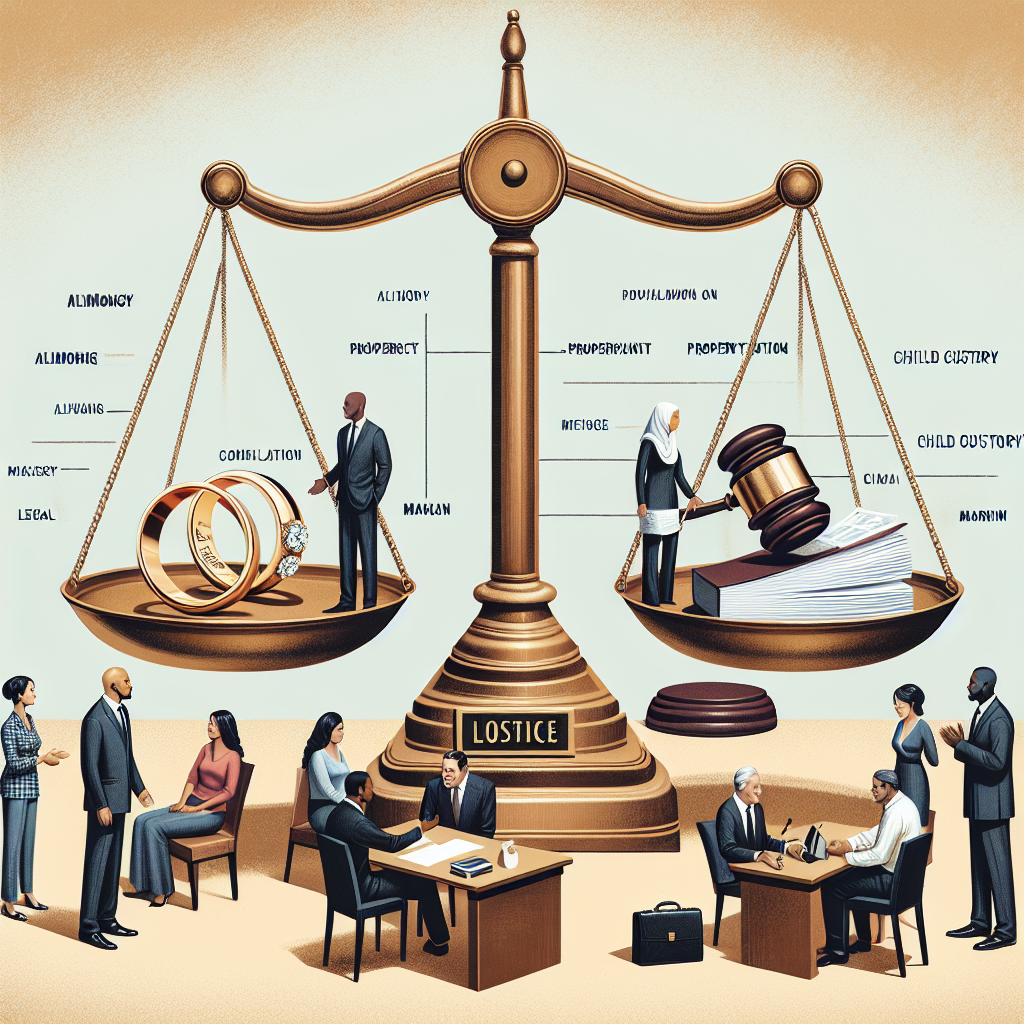
Legal Implications of Marriage Duration
Introduction
Marriage is not just a union of two individuals, but also a legal contract with important implications. One of the key factors that can impact the legal rights and responsibilities in a marriage is its duration. In this article, we will explore the nuances of marriage duration in the eyes of the law and how it can affect various aspects of a marriage, including property division, alimony, and child custody.
Understanding Marriage Duration
Firstly, it is important to define what is considered a valid marriage duration. In most jurisdictions, a marriage is considered valid if it lasts for a certain period of time, typically ranging from 1-5 years. Anything less than this may not be recognized as a valid marriage and may not have legal consequences. However, it is important to note that this varies from state to state and country to country.
There are also different types of marriage durations, such as short-term, long-term, and intermediate-term. Short-term marriages are those that last for a relatively short period of time, usually less than 5 years. Long-term marriages, on the other hand, are those that have lasted for a significantly longer period of time, typically 10 years or more. Intermediate-term marriages fall somewhere in between these two categories, usually lasting between 5-10 years.
Legal Implications of Marriage Duration
Marriage duration can have significant legal implications for both parties involved. It can affect the rights and responsibilities of each spouse during the marriage and in the event of a divorce or separation.
One such implication is the right to make decisions on behalf of the spouse. In a long-term marriage, where the spouses have built a life together, there may be an assumption that each spouse has the authority to make decisions on behalf of the other. This may not be the case in short-term marriages, where the level of trust and shared responsibility may not be as strongly established.
Another important aspect to consider is the financial implications of marriage duration. In the event of a divorce or separation, the length of the marriage can affect how assets are divided between the spouses and the potential financial support that may be awarded.
Marriage Duration and Property Division
When it comes to property division, the duration of the marriage can play a significant role in determining who gets what. In most states, community property laws dictate that any assets acquired during the marriage will be divided equally between the spouses in the event of a divorce. However, in short-term marriages, the division of assets may be less equal, as there may not have been enough time for one spouse to contribute significantly to the acquisition of assets.
In addition, the duration of the marriage may also affect how separate property is treated. Separate property is typically assets that were acquired by one spouse before the marriage or through inheritance or gift during the marriage. In a long-term marriage, these assets may be considered community property and be subject to division, whereas in a short-term marriage, they may be more likely to remain with the spouse who originally owned them.
Alimony and Marriage Duration
Alimony, also known as spousal support, is often a contentious issue in divorce proceedings. It is financial support paid by one spouse to the other, typically in cases where one spouse has significantly higher income or assets than the other. The duration of the marriage can play a significant role in determining the amount and duration of alimony payments.
In long-term marriages, where one spouse has been financially dependent on the other for a significant period of time, the court may award permanent alimony, which is ongoing financial support until the recipient spouse remarries or either spouse passes away. In short-term marriages, however, alimony may only be awarded for a limited time to allow the financially dependent spouse to become self-sufficient.
Marriage Duration and Child Custody
The duration of a marriage can also be a factor in child custody proceedings. In most cases, the longer a marriage has lasted, the more likely the court is to award joint or shared custody of any children from the marriage. This is because a longer marriage may indicate a stronger and more stable relationship between the parents, which may be in the best interest of the child.
However, in short-term marriages, where there may not have been enough time to establish a strong co-parenting relationship, one parent may be awarded primary custody with the other parent having visitation rights.
Implications of Short-Term vs. Long-Term Marriage
The legal implications of short-term and long-term marriages can be quite different. In short-term marriages, the focus may be more on dividing assets acquired during the marriage and providing temporary support to the financially dependent spouse. In long-term marriages, there may be a greater emphasis on providing ongoing support and maintaining a certain standard of living for the spouse who was financially dependent during the marriage.
Additionally, the duration of the marriage can also affect other legal matters, such as health insurance coverage, retirement benefits, and tax considerations.
The Role of Prenuptial Agreements
Prenuptial agreements, or prenups, are legal contracts between two prospective spouses that outline how assets and other important matters will be handled in the event of a divorce. They can be particularly useful in addressing potential legal implications of marriage duration.
For example, a prenup may outline how assets will be divided in the event of a short-term marriage, or it may specify the terms for alimony payments based on the length of the marriage. Including specific clauses related to marriage duration in a prenup can help protect the rights and interests of both spouses in case the marriage ends.
Factors That Can Affect Marriage Duration
While marriage duration is an important consideration in the eyes of the law, there are external factors that can also impact the length of a marriage. These may include career and financial stability, communication and compatibility between spouses, and external stressors such as health issues or family problems.
In order to maintain a healthy and successful marriage, it is important for couples to prioritize communication and compromise and to seek support when needed.
Conclusion
In conclusion, marriage duration can have significant legal implications for both parties involved. It can affect various aspects of a marriage, including property division, alimony, and child custody. Understanding these nuances and seeking legal advice when needed can help protect the rights and interests of both spouses in the event of a divorce or separation.
It is important to keep in mind that the laws and regulations related to marriage duration may vary from state to state and country to country, so it is always best to consult with a legal professional for guidance specific to your situation.
Lifestyle Adjustments Post-Divorce

Rebuilding After Divorce: Expert SEO Tips
Introduction
Going through a divorce can be one of the most challenging and life-altering events a person can experience. It can bring about a range of emotions, from anger and sadness to relief and uncertainty. And while the end of a marriage can be difficult, it also presents an opportunity for growth and a new beginning.
Understanding the Impact of Divorce on Your Life
The first step in adjusting to life after divorce is to understand the impact it can have on your life. Divorce not only changes your marital status, but it can also bring about changes in your living situation, finances, social circle, and even your sense of identity.
It’s important to acknowledge and process these changes in order to move forward. Take the time to reflect on how your life has changed and what aspects of your life may need to be adjusted. This can help you begin to create a plan for moving forward.
Taking Time to Heal and Reflect
Divorce can bring about a rollercoaster of emotions, from grief to anger to relief. It’s essential to give yourself time to heal and process these emotions. This may involve seeking support from a therapist or counselor, joining a support group, or finding healthy outlets for your emotions, such as journaling or exercise.
It’s also important to take time to reflect on the relationship and what led to its end. This can help you gain closure and understand the lessons learned from the experience. However, avoid getting stuck in negative thoughts or blame. Instead, focus on your personal growth and the potential for a brighter future.
Learning to Let Go and Forgive
Letting go of the past and forgiving yourself and your ex-spouse is crucial for moving on after divorce. This can be a difficult and ongoing process, but it’s essential for your emotional well-being. Holding onto anger and resentment will only hinder your ability to move forward and find peace.
Remember that forgiveness does not mean forgetting or excusing the pain caused. It simply means releasing the emotional burden and choosing not to hold onto bitterness and negativity. Practice self-compassion and extend forgiveness to yourself as well. This can help you start the healing process and move towards a more positive mindset.
Creating a Support System
Divorce can be isolating, and it’s essential to have a support system during this challenging time. Reach out to family and friends for emotional support, and consider joining a support group or seeking professional help.
Having a support system can provide a safe space to express your feelings, receive guidance and advice, and share experiences with others who can relate to your situation. It can also help you build new connections and find a sense of belonging in your new post-divorce life.
Financial Recovery and Stability
Divorce can have a significant impact on your financial stability. It’s crucial to evaluate your finances and make necessary adjustments to adapt to your new financial situation. This may involve creating a budget, finding new sources of income, or seeking financial counseling.
It’s also essential to review any joint assets and debts with your ex-spouse and determine a fair and equitable division. Seek legal and financial advice if necessary to ensure that your financial rights are protected.
Rebuilding Your Identity and Self-Esteem
Going through a divorce can cause a shift in your sense of identity, especially if you were married for a long time. It’s important to take time to rediscover who you are as an individual and what makes you happy.
Focus on self-care and engaging in activities that bring you joy and fulfillment. This can help boost your self-esteem and confidence, which may have been impacted by the divorce. Surround yourself with positive influences and work on creating a strong sense of self-worth and identity.
Navigating Co-Parenting and Custody Arrangements
If you have children, co-parenting and navigating custody arrangements can be one of the most challenging aspects of adjusting to life after divorce. It’s essential to put your children’s best interests first and communicate with your ex-spouse in a respectful manner.
Establish clear boundaries and guidelines for co-parenting and try to maintain consistency and stability for your children. This may involve creating a co-parenting plan, attending co-parenting counseling, or seeking legal guidance. Remember to prioritize your children’s well-being and work towards developing a cooperative co-parenting relationship.
Finding Closure and Moving Forward
As you progress through the divorce process and begin to adjust to your new lifestyle, it’s essential to find closure and move forward. This may involve taking the necessary legal steps to finalize the divorce or seeking closure through therapy or self-reflection.
Focus on your personal growth and the potential for a brighter future. Let go of the past and embrace the journey ahead. Remember that healing and moving on is a process, and it’s okay to take your time.
Embracing a New Beginning
Adjusting to life after divorce is a journey that will inevitably have its ups and downs. However, it’s also an opportunity to create a new beginning and shape your life in a way that is fulfilling and true to yourself.
Embrace the changes and take the time to rediscover who you are and what you want out of life. Be open to new experiences and relationships, and don’t be afraid to step out of your comfort zone. Remember that you have the strength and resilience to overcome this challenging time and create a fulfilling and happy life after divorce.
Long-term Marriage: Dealing with Joint Investments

Mastering Marital Finances: Long-term Strategies for Couples
Overview of Marital Financial Planning
Marriage is not only a union of two hearts but also a merging of two financial lives. When two individuals decide to spend their lives together, they also become responsible for each other’s financial well-being. This is why it is crucial to have a solid financial plan in place for a long-term marriage.
Understanding Your Financial Goals as a Couple
The first step in successful marital financial planning is understanding and aligning your financial goals as a couple. This involves open and honest discussions about your individual financial backgrounds, values, and priorities. It is essential to have a clear understanding of each other’s financial habits and attitudes to form a strong foundation for joint financial decision-making.
Creating a Joint Budget and Savings Plan
Once you have a shared understanding of your financial goals, it is time to create a joint budget and savings plan. This involves setting a realistic monthly budget for expenses and savings, taking into account both of your incomes and expenses. It is crucial to track your spending and make adjustments as needed to stay within your budget. Having a savings plan in place is also important for long-term financial stability and achieving your shared goals.
The Importance of Communication in Financial Planning
Communication is key in successfully managing joint finances in a long-term marriage. It is essential to have open and honest conversations about money regularly. This includes discussing major purchases, changes in income or expenses, and any financial concerns or conflicts. Effective communication can help avoid misunderstandings and build trust in handling financial matters together.
Managing and Eliminating Debt Together
Debt can be a significant source of stress in any marriage. It is essential to address and manage any existing debt together as a team. This may involve creating a debt repayment plan and making joint decisions on how to prioritize paying off different debts. It is crucial to be transparent and supportive of each other in this process and avoid taking on additional debt without consulting your partner.
Investing as a Couple: Strategies and Considerations
Investing as a couple can be a powerful tool for building long-term wealth and achieving your financial goals. However, it is essential to have a shared investment strategy and to consider each other’s risk tolerance and investment preferences. It is also crucial to regularly review and adjust your investments as needed and to have open communication about any changes in your investment plan.
Insurance and Estate Planning for Couples
Insurance and estate planning are vital aspects of long-term financial planning in marriage. It is crucial to review and update your insurance coverage to ensure that both partners are adequately protected in case of any unforeseen circumstances. Estate planning involves designating beneficiaries and creating a plan for managing joint assets in case of death or incapacity. It is essential to have these plans in place to protect your financial future and the future of your loved ones.
Building Emergency Funds and Long-term Savings as a Team
Another important aspect of financial planning in a long-term marriage is building emergency funds and long-term savings as a team. Emergency funds can provide a safety net in case of unexpected expenses or job loss, while long-term savings can help you achieve your shared financial goals such as buying a home, starting a business, or retiring comfortably. It is crucial to work together to establish savings goals and consistently contribute to these funds.
Navigating Financial Challenges and Conflicts in Marriage
Even with a solid financial plan in place, challenges and conflicts may arise in a long-term marriage. It is essential to approach these issues with open communication, understanding, and compromise. Seeking professional help through marriage counseling or financial counseling can also be beneficial in managing and resolving financial conflicts and improving overall communication and trust within the marriage.
Maintaining Financial Harmony in the Long Run: Tips and Advice
To maintain financial harmony in a long-term marriage, it is important to regularly review and adjust your financial plan as needed, communicate openly and honestly about money, and support and trust each other in financial decisions. It is also crucial to set aside time to discuss and plan for your financial future together, celebrate your successes, and work together to overcome any challenges that may arise.
Mediating Prenuptial Agreements

Mediating Prenups: Expert Tips for a Smooth Agreement
Introduction
Prenuptial agreements have become increasingly common in modern marriages, as couples seek to protect their assets and finances before tying the knot. However, the process of negotiating and creating a prenuptial agreement can often be daunting and contentious, leading to potential strain on the relationship. This is where mediation comes in, offering a more peaceful and collaborative approach to creating a prenuptial agreement. In this article, we will explore the role of mediation in prenuptial agreements, as well as the benefits, steps, and common concerns involved in the process.
Understanding Prenuptial Agreements
Before delving into the specifics of mediation for prenuptial agreements, it is important to understand what a prenuptial agreement is and what it entails. A prenuptial agreement, also known as a prenup, is a contract signed by two individuals before getting married. This agreement outlines how assets, finances, and other responsibilities will be divided in the event of a divorce or separation. Prenuptial agreements can also include clauses for other matters, such as spousal support and property rights.
The Role of a Mediator in Prenuptial Agreements
A mediator is a neutral third party who helps facilitate a discussion between two individuals to reach a mutually acceptable agreement. In the context of prenuptial agreements, a mediator helps the couple navigate the potentially sensitive and emotional process of creating a prenuptial agreement. The mediator acts as a guide and helps both parties communicate effectively and come to a fair and reasonable agreement.
Benefits of Mediating Prenuptial Agreements
There are several benefits to mediating prenuptial agreements as opposed to traditional methods of negotiation. These include:
- Reduced Conflict: Prenuptial agreements can often be a source of conflict between couples. However, with a mediator, the process can be more collaborative and less adversarial.
- Cost-Effective: Mediation is generally less expensive than hiring lawyers for traditional negotiation methods.
- More Efficient: Mediation typically takes less time than traditional negotiation methods, as the mediator helps keep discussions on track and focused.
- Improved Communication: A mediator helps facilitate effective communication between the couple, which can improve the overall relationship and understanding between them.
Steps to Mediating a Prenuptial Agreement
While the exact process of mediating a prenuptial agreement may vary, the following are some general steps that are typically involved:
- Initial Consultation: The couple meets with the mediator to discuss their goals and concerns and to determine if mediation is the best approach for them.
- Gathering Information: Both parties provide financial and other relevant information to the mediator, who helps them understand their assets and potential areas of conflict.
- Identifying Issues: The mediator helps the couple identify and prioritize the issues that need to be addressed in the prenuptial agreement.
- Negotiation: The couple, with the guidance of the mediator, engages in a negotiation process to reach an agreement that meets both parties’ needs.
- Creating the Agreement: Once an agreement is reached, the mediator will draft a written document outlining the terms and conditions of the prenuptial agreement.
- Review and Signing: The couple reviews the agreement and, if satisfied, signs it in the presence of their respective lawyers.
Addressing Common Concerns in Prenuptial Agreements
One of the main reasons couples may choose to mediate their prenuptial agreement is to address common concerns that may arise. These can include:
- Preserving Harmony in the Relationship: By mediating the prenuptial agreement, the couple can work together to create a mutually acceptable agreement without damaging the relationship.
- Protecting Assets and Finances: A prenuptial agreement can provide assurance to both parties that their assets and finances will be protected in the event of a divorce or separation.
- Ensuring Fairness: Mediation allows for open and honest communication, ensuring that both parties have a voice in the process and that the final agreement is fair to both.
- Clarifying Responsibilities: A prenuptial agreement can also outline each party’s responsibilities during the marriage, providing a clear understanding of expectations.
The Importance of Communication in Prenuptial Agreements
Communication is key in any relationship, and this is especially true when it comes to creating a prenuptial agreement. A mediator can help facilitate effective communication between the couple, ensuring that both parties are heard and understood. This can help to prevent misunderstandings and conflicts that can arise from miscommunication.
The Pros and Cons of Including Lifestyle Clauses in Prenuptial Agreements
Lifestyle clauses, also known as “love contracts,” are becoming increasingly popular in prenuptial agreements. These clauses outline expectations and consequences for certain behaviors in a marriage, such as infidelity or weight gain. The pros and cons of including lifestyle clauses in prenuptial agreements should be carefully considered before including them. Pros can include:
- Setting Clear Expectations: Lifestyle clauses can help establish expectations and boundaries in the marriage, potentially reducing conflict and misunderstandings.
- Providing a Sense of Security: These clauses can provide assurance to both parties that their partner is committed to the marriage and its values.
- Encouraging Communication: By discussing and agreeing on lifestyle clauses, the couple is forced to communicate about potentially sensitive and difficult topics.
However, there are also potential cons to including lifestyle clauses in prenuptial agreements, such as:
- Creating Imbalance: Lifestyle clauses can create a power imbalance in the relationship, with one party having more control over the other.
- Legal Complications: Some lifestyle clauses may not hold up in court, creating confusion and potential legal battles if the marriage ends in divorce.
- Potential for Resentment: If one party feels pressured or coerced into agreeing to a lifestyle clause, it can lead to resentment and strain on the relationship.
How to Create a Fair and Enforceable Prenuptial Agreement
To ensure that a prenuptial agreement is fair and legally binding, it is important to follow certain guidelines:
- Full Disclosure: Both parties should fully disclose their assets, liabilities, and financial information to avoid any potential issues of fraud or misrepresentation.
- Avoid Coercion: Both parties should enter into the agreement willingly and without any coercion or pressure from the other party.
- Legal Counsel: It is recommended that both parties have their own legal representation to ensure that their best interests are represented in the agreement.
- Compliance with State Laws: Prenuptial agreements must comply with state laws to be considered valid and enforceable.
The Impact of Mediated Prenuptial Agreements on Relationships and Marriages
In summary, mediating prenuptial agreements can provide a collaborative and efficient approach to creating a fair and enforceable agreement. By addressing common concerns, clarifying expectations, and promoting effective communication, mediated prenuptial agreements can potentially benefit the relationship and improve overall marital satisfaction. However, it is important to carefully consider the pros and cons of including lifestyle clauses and to ensure that the agreement is fair and legally binding to protect both parties’ interests.