

Survivor Benefit Plan (SBP) and Divorce
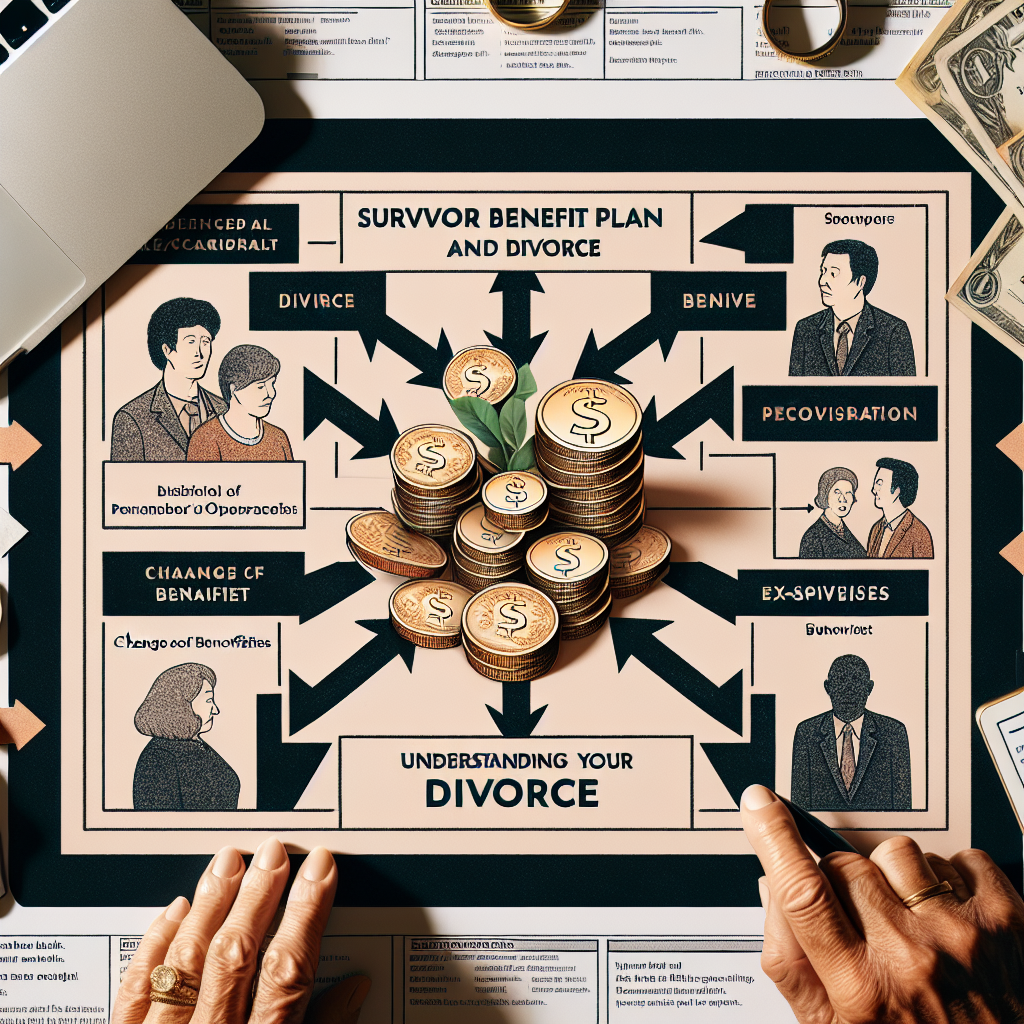
Maximizing SBP Benefits in Divorce
Introduction
Welcome to our guide on navigating the intersection of the Survivor Benefit Plan (SBP) and divorce. The SBP is an important benefit for military members and their families, providing financial support to surviving family members in the event of the member’s death. However, divorce can complicate and impact SBP benefits for both the military member and their spouse. In this guide, we will discuss the impact of divorce on SBP benefits, eligibility for SBP benefits in divorce settlements, rules and limitations related to SBP and divorce, and options for former spouses of SBP participants. We will also address considerations for SBP and alimony in divorce settlements and answer common questions about SBP and divorce. Let’s dive in.
Understanding the Survivor Benefit Plan (SBP)
The Survivor Benefit Plan (SBP) is a military retirement benefit that provides a monthly annuity to surviving family members in the event of a military member’s death. It is designed to provide a source of income for the member’s spouse and/or children after the member’s death, ensuring their financial security. The SBP is an important benefit, as it can provide a steady stream of income for a spouse and children who may be left without the member’s military pension.
Impact of Divorce on SBP Benefits
Divorce can have a significant impact on SBP benefits for both the military member and their spouse. The main impact is related to the division of assets and benefits in a divorce settlement. Military pensions, including SBP benefits, are considered marital property and are subject to division in a divorce. This means that the non-military spouse may be entitled to a portion of the member’s SBP benefits in a divorce settlement.
Additionally, if the military member was already receiving SBP benefits for a former spouse, the divorce may impact the amount of benefits the former spouse receives. In some cases, the former spouse may lose their eligibility for SBP benefits altogether.
Eligibility for SBP Benefits in Divorce Settlements
In order for a former spouse to be eligible for SBP benefits in a divorce settlement, they must meet certain requirements. These requirements include:
- The couple must have been married for at least 10 years while the member was on active duty
- The divorce must be finalized before the member’s military retirement
- The court must award the former spouse a portion of the member’s military retirement pay
If these requirements are met, the former spouse is eligible for a portion of the member’s SBP benefits in a divorce settlement.
SBP Divorce Rules and Limitations
The SBP has specific rules and limitations related to divorce and how it impacts benefits. These rules and limitations include:
- Retired servicemembers must notify DFAS (Defense Finance and Accounting Service) within one year of a divorce becoming final. Failure to do so can result in the former spouse losing their eligibility for SBP benefits.
- If a former spouse remarries before the age of 55, they lose their eligibility for SBP benefits. However, if the remarriage is later ended by death or divorce, they may be able to regain eligibility.
- The former spouse’s portion of SBP benefits cannot exceed 55% of the member’s retired pay.
- If the retired member dies before the former spouse, the former spouse will lose their eligibility for SBP benefits.
- Benefits for a former spouse can be suspended or terminated if they cohabit with another person and hold themselves out as married.
It’s important to consult with a lawyer and understand these rules and limitations when navigating SBP and divorce.
Calculating SBP Benefits in a Divorce Settlement
The calculation of SBP benefits in a divorce settlement can be complex. The former spouse’s portion of SBP benefits is typically calculated using the retired member’s base amount of retired pay, which is the total amount of retired pay before deductions for SBP premiums or other benefits. This amount is then multiplied by the former spouse’s share of the member’s retirement pay.
For example, if the member’s base amount of retired pay is $2,000 and the former spouse is awarded 50% of their retirement pay, the former spouse’s portion of SBP benefits would be $1,000 per month. However, it’s important to note that the former spouse’s portion of SBP benefits cannot exceed 55% of the member’s retired pay.
Options for Former Spouses of SBP Participants
Former spouses of SBP participants have several options when it comes to SBP benefits in a divorce settlement:
- Full SBP Coverage: The former spouse can choose to continue full SBP coverage, meaning they will receive a portion of the member’s retirement pay for the rest of their life.
- Reduced SBP Coverage: The former spouse can choose to receive a reduced amount of SBP coverage, which will decrease the member’s retirement pay in order to provide benefits for the former spouse.
- Former Spouse SBP Annuity: The former spouse can choose to receive a lump sum payment of the SBP annuity, which will end their eligibility for future SBP benefits.
- Former Spouse SBP Annuity Refund: The former spouse can choose to receive a lump sum refund of the SBP annuity premiums paid by the member, which will also end their eligibility for future SBP benefits.
It’s important for former spouses to carefully consider their options and consult with a lawyer before making a decision.
Considerations for SBP and Alimony in Divorce
When navigating the intersection of SBP and divorce, it’s important to consider the impact of alimony on SBP benefits. Alimony is a court-ordered payment from one spouse to the other for support after a divorce. If a former spouse is receiving alimony, it can impact their eligibility for SBP benefits. This is because alimony is considered income and can affect the former spouse’s need for SBP benefits. It’s important to consult with a lawyer and consider the potential impact of alimony on SBP benefits in a divorce settlement.
Common Questions About SBP and Divorce
Here are some common questions and answers related to SBP and divorce:
Q: Can a former spouse be removed as a beneficiary from SBP benefits after a divorce?
A: Yes, a military member can change their SBP beneficiary at any time. In the event of a divorce, it’s important for the member to update their beneficiary designation to reflect their current wishes.
Q: If a military member dies before their divorce is finalized, is the former spouse still eligible for SBP benefits?
A: Yes, as long as the requirements for eligibility are met (10 years of marriage, award of a portion of retirement pay in a divorce settlement).
Q: Are SBP benefits considered community property in a divorce?
A: Yes, SBP benefits are considered marital property and are subject to division in a divorce settlement.
Navigating SBP Benefits in a Divorce Settlement
Divorce can have a significant impact on SBP benefits for both the military member and their former spouse. It’s important to understand the rules and limitations related to SBP and divorce, as well as the options available for former spouses in a divorce settlement. Consultation with a lawyer and careful consideration of all options is key when navigating the complexities of SBP and divorce to ensure the financial security of all parties involved.
The Role of Military Lawyers in Divorce Mediation

Military Divorce Mediation Lawyers: Serving Couples Efficiently
Overview of Divorce Mediation for Military Couples
Divorce is a difficult and emotional process for any couple, but it can be especially challenging for military couples. In addition to the typical issues that arise in a divorce, such as division of assets and child custody, military couples have the added complexity of navigating military-specific laws and benefits. This is where the role of military lawyers in divorce mediation becomes crucial.
The Benefits of Divorce Mediation for Military Couples
Divorce mediation is an alternative to the traditional litigation process where a neutral third party, the mediator, helps the couple negotiate and reach a mutually satisfactory settlement. This process can offer several benefits for military couples, including:
- Cost-effectiveness: Divorce mediation is often less expensive than going through a long and drawn-out court process.
- Less adversarial: Mediation promotes a collaborative approach to resolving issues, reducing conflict and hostility between the parties.
- Maintains privacy: Unlike court proceedings, mediation is confidential, which can be especially important for military families who value their privacy.
- Control over the outcome: The couple, with the guidance of the mediator, can come to a mutually agreeable settlement rather than having a judge make decisions for them.
Understanding the Unique Challenges for Military Couples
Military couples face unique challenges when it comes to divorce. One of the biggest challenges is the frequent relocations that are a part of military life. This can make it difficult to determine the appropriate jurisdiction for a divorce and can impact the division of assets and child custody.
In addition, military couples may also have to navigate issues related to deployment and the disruption it can cause in the family dynamic. This can be especially challenging when it comes to making decisions about child custody and visitation.
Finding the Right Divorce Mediation Lawyer for Military Couples
When it comes to finding a divorce mediation lawyer for military couples, it’s important to choose someone who is experienced and knowledgeable in both military family law and the mediation process.
Many military installations have legal assistance offices that offer free or low-cost legal services to military members and their families. These offices may have lawyers on staff who are trained in mediation and can provide assistance in navigating the unique challenges faced by military couples.
It’s also important to choose a lawyer who is licensed to practice in the state where you are seeking a divorce. This is important because state laws vary, and you want to ensure that your lawyer has a thorough understanding of the laws that will apply to your case.
The Role of Military-Specific Laws in Divorce Mediation
There are several military-specific laws that can impact the divorce mediation process for military couples. These include the Servicemembers Civil Relief Act (SCRA), the Uniformed Services Former Spouses’ Protection Act (USFSPA), and the Military Child Custody Jurisdiction and Enforcement Act (UCCJEA).
The SCRA provides legal protections for active-duty military members, including a stay of court proceedings while they are on military duty. This can impact the timeline and process of a divorce for military couples.
The USFSPA allows state courts to divide military retirement pay as marital property in a divorce. This can be a significant issue for military couples, as retirement pay is often a large part of their overall financial picture.
The UCCJEA helps to determine which state has jurisdiction over child custody matters in cases involving military families. This can be complicated for military couples who may have children born in different states or who have moved frequently due to military assignments.
Navigating the Division of Military Benefits in Divorce Mediation
The division of military benefits, including retirement pay and medical benefits, is a complex and often contentious issue in divorce mediation for military couples.
Under the USFSPA, state courts can divide military retirement pay as marital property, but this division is not automatic. It’s important for military couples to work with their lawyers to determine the best approach for dividing these benefits, taking into account factors such as length of marriage and the impact of military service on the couple’s overall financial situation.
In addition, the USFSPA allows former spouses to receive a portion of military medical benefits if certain conditions are met. This can be an important consideration for military families who rely on these benefits for their healthcare needs.
Addressing Child Custody and Support in Divorce Mediation for Military Couples
Child custody and support are often the most emotionally charged issues in any divorce, and this is especially true for military couples. Deployments, frequent relocations, and the potential for future relocations can all impact decisions about child custody and support.
In addition to state laws, military families also have to consider the provisions of the UCCJEA, which help to determine which state has jurisdiction over child custody matters and how child support will be calculated.
It’s important for military couples to work with a lawyer who has experience in both family law and military law to ensure that the best interests of the children are being considered while also taking into account the unique challenges faced by military families.
The Importance of Confidentiality in Divorce Mediation for Military Couples
Confidentiality is a key aspect of the divorce mediation process, and this can be especially important for military couples who value their privacy.
In mediation, all discussions, negotiations, and agreements are confidential. This means that the details of your divorce settlement will not become part of a public record, unlike court proceedings. This can be especially important for military families who may have security clearance concerns.
Confidentiality also promotes a more open and honest discussion between the parties and can help to reduce conflict and reach a mutually satisfactory agreement.
Common Misconceptions About Divorce Mediation for Military Couples
There are several common misconceptions about divorce mediation for military couples. Some of the most common include:
- Mediation is only for amicable divorces: While it’s true that mediation can be more effective in cases where the parties are willing to work together, it can also be beneficial in high-conflict divorces where the couple needs help in finding common ground.
- Mediation is only for couples with children: While child custody and support are often key issues in mediation, it can also be helpful for military couples who have no children and need to address issues related to division of assets and benefits.
- Mediation is not legally binding: In fact, any agreement reached in mediation must be approved by a judge to become legally binding.
The Importance of Seeking Professional Help for Divorce Mediation for Military Couples
Divorce is a complex and emotionally charged process for any couple, but it can be especially challenging for military couples. That’s why it’s important to seek the help of a qualified and experienced lawyer who has a thorough understanding of both family law and military law.
By working with a lawyer who specializes in divorce mediation for military couples, you can ensure that your legal rights and unique challenges are taken into account and that you can reach a mutually satisfactory settlement that is in the best interests of everyone involved.
Transitional Assistance for Military Families

Supporting Military Families: Essential Resources
Introduction
Welcome to our informational guide on transitional assistance for military families. As a military family, you may face various challenges and changes as you navigate through the military lifestyle. Whether it’s relocating for a new assignment, returning from deployment, or transitioning back to civilian life, these transitions can be overwhelming and stressful. However, there are many resources and support available to help you and your family during these times. In this guide, we will discuss the challenges faced by military families, the importance of support, available government and non-governmental support programs, and ways to show support for military families. We hope this guide will serve as a helpful resource for you and your family.
Understanding the Military Family
Military families are a unique and diverse group of individuals who share a common bond of serving their country. They are made up of active duty service members, veterans, and their dependents. Military families may have to move frequently, deal with deployments and separations, and face financial challenges. They also have to adapt to the military culture and lifestyle, which can be different from civilian life. Understanding the dynamics of a military family is crucial in providing support and resources that cater to their specific needs.
Challenges Faced by Military Families
Military families face a variety of challenges, including frequent moves, deployments, and financial struggles. Moving to a new location can disrupt their routine, and children may have to change schools and make new friends. Deployments and separations can be emotionally and mentally taxing, especially for spouses and children who are left behind. These families also face financial challenges, as military salaries may not always cover the cost of living, especially in high-cost areas. They may also have difficulty finding and maintaining employment due to frequent moves.
Importance of Support for Military Families
The support of family and friends is essential for any individual, but it is especially crucial for military families. Having a support system can help families cope with the challenges they face. It can provide emotional support, help with childcare, and offer a sense of community and belonging. Support can also help families during times of transition, such as deployments or moving to a new location. It is vital for military families to know that they are not alone and that there are people who care and want to help.
Government Support for Military Families
The government offers various programs and benefits to support military families. These programs include financial assistance, housing assistance, educational resources, job training, healthcare benefits, and mental health services.
Financial Assistance
The government provides financial assistance through programs such as the Family Subsistence Supplemental Allowance (FSSA) and the Basic Allowance for Housing (BAH). The FSSA provides additional financial support for low-income families who are struggling to meet their basic needs. The BAH helps cover the cost of housing for service members and their families.
Housing Assistance
The Department of Defense offers various housing options for military families, including on-base housing, privatized housing, and off-base housing. These options may vary depending on the location and availability. Military families can also receive housing assistance through the Housing Choice Voucher Program (HCVP), which provides financial assistance for off-base housing.
Educational Resources
The government offers educational resources for military families, including the Military Spouse Career Advancement Accounts (MyCAA) program, which provides financial assistance for military spouses’ education and training. Military children can also receive educational benefits through the Post-9/11 GI Bill, which covers educational expenses such as tuition and books.
Job Training
The government provides job training programs for military families to help them develop skills and find employment. These programs include the Department of Defense Military Spouse Employment Partnership (MSEP) and the Department of Labor’s Military Spouse Employment Program (MSEP), which connect military spouses with employment opportunities.
Healthcare Benefits
Military families have access to healthcare benefits through TRICARE, the military’s healthcare program. TRICARE offers various plans for active duty service members, retirees, and their families. These plans may include coverage for medical, dental, and vision care.
Mental Health Services
The Department of Defense offers mental health services for military families through the Military and Family Life Counseling (MFLC) program. This program provides free and confidential counseling for military families to help them cope with the challenges of military life.
Non-Governmental Support for Military Families
There are also many non-governmental organizations that offer support and resources for military families. These organizations include military support organizations, such as the USO and the American Legion, which provide a wide range of services and programs for military families. There are also charities and non-profits, such as the Gary Sinise Foundation and the Fisher House Foundation, which offer financial assistance, housing, and other resources for military families.
Impact of Support on Military Families
The support provided by the government and non-governmental organizations has a significant impact on military families. It helps alleviate financial burdens, provides resources to overcome challenges, and offers a sense of community and belonging. Support also plays a crucial role in improving the mental health and well-being of military families, helping them cope with the stress of military life.
Ways to Show Support for Military Families
There are many ways to show support for military families, including volunteering, donating to military support organizations, and offering assistance to military families in your community. You can also show support by being understanding and empathetic towards military families’ challenges and offering a helping hand when needed.
Resources for Military Families
There are numerous resources available for military families, including government and non-governmental organizations. Some helpful resources include Military OneSource, a 24/7 resource for military families, the Military Family Life Counselor, and the National Military Family Association, which offers a variety of services and support for military families.
Conclusion
Transitional assistance for military families is crucial in helping them navigate the challenges they face during times of transition. The government and non-governmental organizations offer various programs and resources to support military families, but it is also essential for communities to show their support and offer a helping hand. We hope this guide has provided valuable information and resources for military families, and we want to thank all military families for their service and sacrifice.
Understanding Military Benefits in Divorce

Unpacking Military Divorce Benefits: A Guide for Spouses
Introduction
In the United States, military service members and their spouses are entitled to a range of benefits that are designed to support their physical, emotional, and financial well-being. However, when a military couple goes through a divorce, these benefits can become a source of contention and confusion. It is important for both parties to understand their rights and responsibilities when it comes to military divorce benefits.
What is a military divorce?
A military divorce is a legal process that ends a marriage between a current or former member of the military and their spouse. This type of divorce is governed by both state and federal laws, and it may have unique considerations due to the nature of military service.
Understanding the Uniformed Services Former Spouses’ Protection Act (USFSPA)
The Uniformed Services Former Spouses’ Protection Act (USFSPA) is a federal law that was enacted in 1982 to address the division of military benefits in divorce cases.
One of the primary purposes of the USFSPA is to protect the rights of former spouses of military members by ensuring that they receive a fair and equitable portion of the military member’s benefits. This includes retirement pay, healthcare benefits, and survivor benefits.
It is important to note that the USFSPA does not automatically entitle former spouses to a portion of these benefits; it simply provides a framework for how they may be divided in a divorce.
Benefits available to former spouses of military members
There are several types of benefits that may be available to former spouses of military members in the event of a divorce. These benefits vary depending on the length of the marriage, the length of military service, and other factors.
Healthcare benefits
Former spouses of military members may be eligible to continue receiving healthcare benefits through the military’s Tricare program after a divorce. This is known as the Continued Health Care Benefit Program (CHCBP) and can provide coverage for up to 36 months after the divorce is finalized.
Military retirement benefits
The most significant benefit that may be available to former spouses in a military divorce is a portion of the military member’s retirement pay. The USFSPA allows state courts to divide military retirement pay as part of a divorce settlement.
It is important to note that this division is not automatic and must be included in the divorce settlement agreement. Additionally, the court must have jurisdiction over the military member in order to divide their retirement pay.
Survivor Benefit Plan (SBP)
The Survivor Benefit Plan (SBP) is a form of life insurance that is available to military members. It provides a monthly annuity to designated survivors in the event of the military member’s death. This annuity is a percentage of the military member’s retirement pay.
In a divorce, the court may order the military member to elect the former spouse as the designated survivor for the SBP, which would provide them with a source of income after the military member’s death.
How military retirement pay is divided in a divorce
Dividing military retirement pay in a divorce can be a complex process, as it is subject to both state and federal laws. The USFSPA provides a formula for determining the division of this pay, known as the “marital share.”
The marital share is calculated based on the length of the marriage during the military member’s service, also known as the “creditable service.” The formula is as follows:
Marital Share = 50% x (creditable service / total service) x retirement pay
For example, if a couple was married for 10 years during the military member’s 20 years of service, the marital share would be 25% (50% x 10/20) of the military member’s retirement pay.
It is important to note that this is just one method for calculating the division of military retirement pay, and the specific rules may vary by state.
Survivor Benefit Plan (SBP)
The Survivor Benefit Plan (SBP) is a critical aspect of military divorce, as it can provide financial security for former spouses in the event of the military member’s death. However, in order for a former spouse to receive SBP benefits, the following conditions must be met:
- The former spouse must be designated as the SBP beneficiary in the divorce settlement agreement.
- The military member must elect the former spouse as the designated survivor for the SBP.
- The election must be made within one year of the divorce becoming final.
If these conditions are not met, the former spouse will not receive SBP benefits. It is important for both parties to carefully consider the implications of the SBP and ensure that it is properly addressed in the divorce settlement.
Impact of state laws on military divorce benefits
State laws can play a significant role in the division of military benefits in a divorce. Each state has its own laws and regulations regarding property division, spousal support, and other issues that may impact the division of military benefits.
For example, some states may consider military retirement pay to be community property, while others may not. It is important for couples to understand the laws of the state in which they are filing for divorce in order to properly address military benefits in the settlement.
Disability benefits and divorce
Military members may also receive disability benefits from the Department of Veterans Affairs (VA) due to injuries or illnesses that were incurred during their service. These benefits are usually not subject to division in a divorce, as they are considered separate property.
However, if the military member waived a portion of their retirement pay in order to receive disability benefits, the waived portion may be considered divisible in the divorce.
Common misconceptions about military divorce benefits
There are a number of misconceptions surrounding military divorce benefits, which can lead to confusion and misunderstandings. Some common misconceptions include:
- Former spouses are automatically entitled to a portion of military benefits in a divorce.
- The USFSPA guarantees a former spouse’s entitlement to military benefits.
- Dividing military retirement pay is a simple and straightforward process.
It is important for individuals going through a military divorce to seek accurate information and guidance from a legal professional, rather than relying on these misconceptions.
Conclusion
Military divorce benefits can be complex and confusing, but it is essential for both parties to understand their rights and responsibilities when it comes to dividing these benefits. The USFSPA provides a framework for addressing military benefits in divorce, but state laws and individual circumstances may also play a role. By understanding the rules and regulations surrounding military divorce benefits, couples can ensure a fair and equitable division of benefits and avoid common misconceptions.
Utilizing Military Support Services in Mediation

Boosting Mediation Success: Military Support Services
Introduction
Military support services play a crucial role in promoting conflict resolution and peace within the armed forces community. With the unique challenges and demands faced by military personnel and their families, it is essential to have specialized support services that cater to their specific needs. In this article, we will explore the various aspects of utilizing military support services in mediation, including available resources, benefits, and best practices for effective utilization.
Understanding Military Support Services for Mediation
Military support services for mediation refer to the range of resources, programs, and initiatives designed to assist military personnel and their families in resolving conflicts and disputes through a collaborative and non-adversarial approach. These services are available for active duty personnel, veterans, and their families, and are typically offered through government agencies, non-governmental organizations, and private institutions.
The Importance of Military Support Services for Mediation
The unique nature of military life, including deployments, frequent moves, and exposure to trauma, can greatly impact the mental health and well-being of military personnel and their families. As a result, disputes and conflicts may arise within the military community, which can have a significant impact on individuals, relationships, and overall morale.
Utilizing military support services in mediation is crucial in addressing these conflicts in a timely and effective manner. By providing specialized support and resources, these services can help military personnel and their families navigate the complexities of military life and promote healthy conflict resolution.
Available Military Support Services for Mediation
There are various military support services available for mediation, including:
- Military Family Life Counselors (MFLC): These licensed mental health professionals provide confidential counseling and support to military families, including mediation services to resolve conflicts and improve communication.
- Family Advocacy Program (FAP): FAP offers support and resources to military families in addressing issues related to domestic violence, child abuse, and neglect. They also provide mediation services to help resolve conflicts within the family unit.
- Judge Advocate General (JAG) Corps: The JAG Corps provides legal assistance and mediation services to military personnel and their families, including assistance with child custody and divorce proceedings.
- Military OneSource: Military OneSource offers a range of resources, including non-medical counseling and mediation services for military members and their families.
- Veteran Support Organizations: Many veteran support organizations, such as the Veterans of Foreign Wars (VFW) and the American Legion, offer mediation services for veteran-related conflicts.
How Military Support Services for Mediation Work
The process of utilizing military support services for mediation may vary depending on the specific service and organization. Generally, the first step is to contact the relevant support service, either through a hotline, website, or referral from a military unit or commander.
Once a request for mediation is made, a trained mediator will be assigned to facilitate the process. The mediator will meet with all parties involved in the conflict to identify the issues, clarify concerns, and explore potential solutions. The goal of the mediator is to help the parties reach a mutually beneficial agreement and improve communication for future conflicts.
In addition to traditional mediation, some military support services may also offer alternative dispute resolution methods, such as arbitration and collaborative law, to help resolve conflicts.
Benefits of Military Support Services for Mediation
The use of military support services in mediation offers several benefits, including:
- Specialized Support: Military support services are designed specifically for the unique needs and challenges faced by military personnel and their families. This specialized support can greatly assist in resolving conflicts and promoting healthy communication within the armed forces community.
- Confidentiality: All mediation services are confidential, allowing military members and their families to discuss sensitive issues without fear of judgment or repercussion.
- Cost-Free: Most military support services for mediation are provided at no cost to the individual, making it easily accessible for all military personnel and their families.
- Non-Adversarial Approach: Mediation offers a collaborative approach to conflict resolution, unlike traditional legal processes, which can be adversarial and costly. This approach allows for a more positive and mutually beneficial outcome.
Common Challenges in Military Mediation and How Support Services Can Help
There are several challenges that may arise in military mediation, including:
- Power Imbalances: In military structures, there can be a significant power imbalance between superiors and subordinates, which can impact the mediation process. Trained mediators can help level the playing field and ensure fair communication and decision-making.
- Mental Health Issues: Military personnel and their families may face mental health challenges, such as post-traumatic stress disorder (PTSD) or depression, which can affect their ability to effectively participate in mediation. Military support services can provide mental health support alongside mediation services to address these issues.
- Complex Procedures: The military has its own unique procedures and structures, which can be overwhelming and confusing for those not familiar with them. Military support services can assist in navigating these complexities and ensuring proper procedures are followed.
The Role of Military Support Services in Promoting Conflict Resolution and Peace
The use of military support services in mediation plays a crucial role in promoting conflict resolution and peace within the armed forces community. By providing specialized support, resources, and alternative dispute resolution methods, these services can help address conflicts in a timely and effective manner, improving overall morale and promoting a culture of collaboration and communication.
Best Practices for Utilizing Military Support Services for Mediation
To make the most out of military support services in mediation, it is essential to follow these best practices:
- Seek Support Early: As soon as a conflict arises, it is essential to seek support from military support services. Early intervention can prevent conflicts from escalating and increase the chances of a successful mediation outcome.
- Be Open and Honest: The success of mediation relies on open and honest communication. It is crucial to be truthful and upfront about your concerns and needs during the mediation process.
- Be Willing to Compromise: Mediation involves a give-and-take approach. It is essential to be willing to compromise and find mutually beneficial solutions for all parties involved.
- Follow Through with Agreements: Once an agreement is reached, it is crucial to follow through with it. Failure to do so can undermine the mediation process and lead to future conflicts.
The Impact of Military Support Services on Successful Mediation Efforts
Military support services play a vital role in promoting successful mediation efforts within the armed forces community. By providing specialized support, resources, and alternative dispute-resolution methods, these services can greatly assist in resolving conflicts and promoting peace within the military. It is crucial for military personnel and their families to be aware of these services and utilize them when needed to address conflicts effectively and maintain a healthy and supportive military community.
Celebrity Divorce Mediation

Streamline Your Celebrity Divorce with Mediation Services
Introduction
Welcome to our guide on Celebrity Divorce Mediation. In the world of high-profile divorces, traditional methods of divorce may not always be the best option. That’s where celebrity divorce mediation comes in. This unique form of conflict resolution is specifically tailored to meet the needs of high-profile couples and can provide numerous benefits over traditional divorce proceedings.
What is Celebrity Divorce Mediation?
Celebrity divorce mediation is a form of conflict resolution that focuses on helping high-profile couples navigate the process of divorce. It involves working with a trained mediator, who acts as a neutral third party, to facilitate communication and reach agreements on various issues related to the divorce.
This process differs from traditional divorce proceedings, which often involve each party hiring their own lawyer and aggressively advocating for their own interests. In celebrity divorce mediation, both parties work together with the mediator to find mutually beneficial solutions for their divorce.
The Benefits of Celebrity Divorce Mediation
There are numerous benefits to choosing celebrity divorce mediation over traditional divorce proceedings. These include:
- Less confrontational: Celebrity divorce mediation focuses on collaboration and finding solutions that work for both parties, rather than pitting them against one another in a courtroom setting. This can reduce conflict and stress during an already difficult time.
- More cost-effective: With traditional divorce proceedings, each party typically hires their own lawyer, which can be expensive. Celebrity divorce mediation involves working with one mediator, which can be a more cost-effective option.
- Quicker resolution: Mediation can often be completed more quickly than traditional divorce proceedings, as both parties are actively involved in finding solutions.
- Confidentiality: Celebrity divorce mediation is a private process, meaning that details of the divorce are not made public.
- Control over the outcome: In traditional divorce, a judge makes the final decision on the terms of the divorce. In mediation, both parties have a say in the outcome and are more likely to adhere to the agreements reached.
Why Celebrity Divorce Mediation is Different from Traditional Divorce
The main difference between celebrity divorce mediation and traditional divorce is the approach to conflict resolution. In traditional divorce, the focus is often on winning and protecting one’s own interests. This can lead to a more adversarial and confrontational process.
In celebrity divorce mediation, the focus is on finding solutions that work for both parties. This requires a willingness to communicate and compromise, which can lead to a more amicable resolution.
Additionally, in traditional divorce, each party typically has their own lawyer, while in mediation, both parties work with one mediator. This can create a more collaborative and cooperative environment, rather than being pitted against each other by lawyers.
The Role of a Celebrity Divorce Mediator
A celebrity divorce mediator is a trained professional who acts as a neutral third party to help high-profile couples reach agreements on various issues related to their divorce. The mediator does not make decisions for the couple, but rather facilitates communication and guides the process towards finding mutually beneficial solutions.
The mediator’s role is to create a safe and respectful environment for both parties to discuss their needs and concerns. They also help to identify common ground and encourage compromise in order to reach agreements.
It is important for a celebrity divorce mediator to have experience working with high-profile couples and understand the unique challenges and considerations that come with a high-profile divorce. They should also have a thorough understanding of family law and conflict resolution techniques.
The Importance of Confidentiality in Celebrity Divorce Mediation
One of the key benefits of celebrity divorce mediation is the confidentiality it provides. Unlike traditional divorce proceedings, which take place in a courtroom and are open to the public, mediation is a private process.
This means that details of the divorce, such as financial information and personal matters, are not made public. This can be especially important for high-profile couples who value their privacy and do not want details of their divorce to become fodder for the media.
The confidentiality provided by celebrity divorce mediation can also help to maintain a couple’s reputation and minimize damage to their personal and professional lives. This can be particularly important for celebrities whose public image is crucial to their career.
Common Issues in Celebrity Divorces and How Mediation Can Help
There are several unique challenges and issues that often arise in high-profile divorces. These can include:
- Asset division: High-profile couples often have significant assets, including real estate, investments, and business ventures. Dividing these assets can be complex and contentious, but mediation can help both parties reach a fair and mutually beneficial agreement.
- Child custody and support: When children are involved, determining custody and support arrangements can be a sensitive and emotional issue. Mediation can help parents work together to develop a plan that prioritizes the best interests of the children.
- Privacy concerns: As mentioned, high-profile couples often value their privacy and may be concerned about protecting their personal information during the divorce process. Mediation can help to ensure that sensitive information remains confidential.
- Managing media attention: Celebrity divorces often attract significant media attention, which can add an extra layer of stress and complexity to the process. A mediator can help couples navigate this aspect of their divorce and minimize the impact on their personal and professional lives.
Success Stories of Celebrity Divorce Mediation
There have been many successful celebrity divorces that have been resolved through mediation. One notable example is the divorce of actress Gwyneth Paltrow and musician Chris Martin. The couple famously announced their “conscious uncoupling” and worked together with a mediator to reach a settlement that prioritized their children and maintained their amicable relationship.
Another example is the divorce of actors Ben Affleck and Jennifer Garner, who also chose to use mediation to settle their divorce. The couple was able to reach a confidential settlement without having to go through a public and potentially damaging court battle.
These success stories demonstrate the effectiveness of celebrity divorce mediation in helping high-profile couples reach amicable and private resolutions to their marriages.
How to Choose the Right Celebrity Divorce Mediation Service
If you and your spouse are considering celebrity divorce mediation, it is important to choose the right service for your needs. Some factors to consider when choosing a mediation service include:
- Experience: Look for a mediator who has experience working with high-profile couples and understands the unique challenges and considerations involved in a celebrity divorce.
- Training and qualifications: Choose a mediator who has completed accredited training programs and has relevant qualifications in family law and conflict resolution.
- Privacy and confidentiality policies: Make sure the mediation service has clear policies in place to protect the confidentiality of your divorce proceedings.
- Cost: While celebrity divorce mediation can often be more cost-effective than traditional divorce, it is still important to consider the cost of the mediation service and ensure it fits within your budget.
Why Celebrity Divorce Mediation is the Best Option for High-Profile Couples
In conclusion, celebrity divorce mediation offers numerous benefits for high-profile couples going through a divorce. It is a less confrontational, more cost-effective, and quicker process than traditional divorce proceedings. It also provides the important benefit of confidentiality, which can help to protect a couple’s reputation and personal life.
With the help of a trained and experienced mediator, high-profile couples can work together to find solutions that meet their individual needs and priorities, rather than being pitted against each other in a courtroom setting. If you and your spouse are considering divorce, consider choosing celebrity divorce mediation as the best option for your unique situation.
Cross-Cultural Divorce Mediation

Unlocking Harmony: Cross-Cultural Divorce Mediation Services
Overview of Cross-Cultural Divorce Mediation Services
Cross-cultural divorce mediation is a specialized form of mediation that helps couples from different cultural backgrounds navigate the process of divorce. With an increasingly globalized and diverse society, cross-cultural marriages and divorces are becoming more common. However, these marriages often face unique challenges, such as differences in language, customs, and values. This can make it difficult for couples to communicate and reach a mutually agreeable settlement during the divorce process.
Benefits of Using Mediation Services for Cross-Cultural Divorces
There are numerous benefits to utilizing mediation services for cross-cultural divorces. One of the main benefits is the ability to have a neutral third party facilitate communication and decision-making between the couple. This can help overcome cultural barriers and misunderstandings, allowing for more effective communication and problem-solving. Mediation also allows for a more collaborative and less adversarial approach to divorce, reducing conflict and promoting a more amicable resolution. Furthermore, mediation can be more cost-effective and time-efficient compared to traditional litigation.
Common Challenges Faced in Cross-Cultural Divorces
Cross-cultural divorces often face unique challenges due to cultural differences between the spouses. Some common challenges include language barriers, differences in communication styles, and conflicting expectations and values regarding marriage and divorce. These challenges can result in misunderstandings, misinterpretations, and difficulties in reaching agreements.
Understanding Cultural Differences in Divorce Mediation
In order to effectively navigate cross-cultural divorce mediation, it is crucial to have a deep understanding of the cultural differences between the parties involved. This includes being aware of cultural norms, values, and expectations surrounding marriage, divorce, and family dynamics. Without this understanding, it can be easy to make assumptions or misinterpret communication during the mediation process.
Key Factors to Consider When Choosing a Cross-Cultural Mediator
When choosing a mediator for a cross-cultural divorce, there are several key factors to consider. The most important factor is cultural competence, which refers to the mediator’s understanding and awareness of different cultures and their ability to navigate and manage cultural differences effectively. It is also essential for the mediator to have experience and training in both mediation techniques and cross-cultural communication. Additionally, it can be beneficial to choose a mediator who is familiar with the specific cultures involved in the divorce.
Importance of Maintaining Cultural Sensitivity in Mediation
Cultural sensitivity is crucial in cross-cultural divorce mediation. It refers to the ability to understand and respect the cultural beliefs, values, and customs of each party involved. Mediators must be aware of their own cultural biases and strive to maintain a non-judgmental and neutral approach to the mediation process. This can help create a safe and comfortable environment for both parties to express their needs and concerns.
Techniques for Successful Cross-Cultural Mediation
There are several techniques that can help facilitate successful cross-cultural mediation. One technique is active listening, where the mediator listens attentively to each party and reflects back their understanding to ensure clarity. This can help overcome language barriers and ensure that both parties feel heard and understood. Another technique is the use of a neutral interpreter, if needed, to help with language translation and cultural interpretation. Additionally, mediators can utilize culturally appropriate communication techniques and strategies to help bridge cultural differences and improve understanding between the parties.
How Technology is Changing the Landscape of Cross-Cultural Divorce Mediation
The use of technology, such as virtual mediation platforms, is changing the landscape of cross-cultural divorce mediation. It has made it easier for couples from different geographic locations to access mediation services and work through their divorce remotely. This can be especially beneficial for cross-cultural divorces where one or both parties may live in a different country or have limited access to in-person mediation services.
Case Studies: Examples of Successful Cross-Cultural Mediation
There have been many successful cases of cross-cultural mediation, where parties from different cultural backgrounds were able to reach a fair and mutually agreeable settlement. One noteworthy example is a cross-cultural divorce between an American and a Japanese couple. With the help of a mediator who was familiar with both cultures, the couple was able to navigate their differences and reach a resolution that was acceptable to both parties.
The Future of Cross-Cultural Divorce Mediation Services
The future of cross-cultural divorce mediation services is promising as our society becomes increasingly diverse and globalized. It is essential for mediators to continue to develop their cultural competence and adapt to the changing landscape of cross-cultural marriages and divorces. By utilizing culturally sensitive techniques and technology, we can promote more effective communication, reduce conflict, and help couples from different cultures navigate the divorce process with greater understanding and respect for one another.
Divorce Mediation for Couples with Joint Ventures

Boost Business Partnerships with Collaborative Divorce Mediation
Introduction
Divorce can be a challenging and emotional process for any couple, but it can be even more complex when you and your spouse own joint ventures together. The thought of dissolving not only your marriage but also your business partnership can be overwhelming and stressful. However, there is a solution that can help alleviate some of the difficulties of a divorce for couples with joint ventures: collaborative divorce mediation.
What is Collaborative Divorce Mediation?
Collaborative divorce mediation is a process in which a neutral third party, known as a mediator, helps a couple navigate through the divorce process and reach a mutually agreeable settlement. Unlike traditional divorce proceedings, which often involve adversarial lawyers and court hearings, collaborative divorce mediation focuses on open communication, cooperation, and finding solutions that work for both parties.
In the case of couples with joint ventures, collaborative divorce mediation can be a valuable tool in dividing assets, settling financial disputes, and maintaining a productive business relationship post-divorce.
Benefits of Collaborative Divorce Mediation for Business Partners
There are several benefits to choosing collaborative divorce mediation for couples who own joint ventures. Some of these include:
- Less Stressful Process: Collaborative divorce mediation focuses on open communication and finding mutually agreeable solutions, which can greatly reduce the stress and emotional toll of the divorce process.
- More Control Over the Outcome: Unlike traditional divorce proceedings where a judge ultimately makes the final decisions, collaborative divorce mediation allows the couple to have more control over the outcome of their divorce. This can be especially beneficial for business partners who have a vested interest in the division of assets and the future of their business ventures.
- Cost Savings: Collaborative divorce mediation can be more cost-effective than traditional divorce proceedings since it typically involves fewer court hearings, lawyer fees, and other expenses.
- Better Post-Divorce Relationship: By working together to find solutions, couples who use collaborative divorce mediation are more likely to maintain a positive post-divorce relationship. This can be particularly beneficial for business partners who will need to continue working together after the divorce.
The Role of a Mediator in Collaborative Divorce for Business Partners
The mediator plays a crucial role in the collaborative divorce mediation process for couples with joint ventures. Their main role is to facilitate communication and help the couple reach a mutually agreeable settlement. Some of the key responsibilities of a mediator include:
- Establishing ground rules and guidelines for the mediation process
- Acting as a neutral third party and not taking sides in any disputes
- Facilitating open and productive communication between the couple
- Helping the couple identify their goals and find solutions that work for both parties
- Providing information and guidance on legal and financial issues related to the divorce
How to Choose the Right Mediator for Your Collaborative Divorce
Choosing the right mediator for your collaborative divorce is essential to the success of the process. Here are some factors to consider when selecting a mediator:
- Experience: Look for a mediator with experience in handling divorce cases involving joint ventures or other business partnerships.
- Training and Credentials: Make sure the mediator has proper training and credentials in mediation and has a good reputation in the field.
- Communication Style: It is important to choose a mediator whose communication style works well with both you and your spouse. This can help facilitate open and productive communication during the mediation process.
- Cost: Collaborative divorce mediation can vary in cost depending on the mediator’s experience and location. Make sure to discuss fees and payment options with potential mediators before making a decision.
Step-by-Step Process of Collaborative Divorce Mediation for Business Partners
While the exact process may vary depending on the mediator and the specific needs of each couple, here is a general overview of what to expect during collaborative divorce mediation for couples with joint ventures:
- Introductory Meeting: The first step is for the couple and the mediator to have an introductory meeting to discuss the mediation process and establish ground rules and expectations.
- Information Gathering: The mediator will gather information from both parties, including financial documents and any other relevant information related to the joint ventures.
- Identifying Goals and Interests: The mediator will work with the couple to identify their goals and interests in the divorce settlement, as well as any concerns or potential conflicts that may arise.
- Brainstorming and Negotiating: The couple will work together to brainstorm solutions and negotiate a settlement that works for both parties. The mediator will facilitate this process and provide guidance and information as needed.
- Reaching an Agreement: Once a settlement is reached, the mediator will put together a written agreement for both parties to review and sign.
- Finalizing the Divorce: The couple will then take the signed agreement to their lawyers to review and file with the court to finalize the divorce.
How Collaborative Divorce Mediation Can Save Your Business
Divorce can be a major disruption to your personal and professional life, but collaborative divorce mediation can help save your business by:
- Minimizing Disruptions: By working together to find solutions, collaborative divorce mediation can help minimize the disruptions to your business that may occur during the divorce process.
- Preserving Business Relationships: By maintaining open communication and finding mutually agreeable solutions, collaborative divorce mediation can help preserve the business relationships between you and your former spouse.
- Protecting Your Assets: The collaborative divorce process allows for more control over the division of assets, ensuring that your business assets are protected and fairly divided.
- Minimizing Legal Costs: Since collaborative divorce mediation can be more cost-effective than traditional divorce proceedings, it can help save your business from incurring excessive legal fees.
Common Misconceptions About Collaborative Divorce Mediation for Business Partners
There are several misconceptions about collaborative divorce mediation for couples with joint ventures. Some of the most common include:
- It’s Only for Amicable Divorces: Collaborative divorce mediation can be beneficial for any couple, regardless of the level of conflict in their relationship.
- Lawyers are Not Involved: While lawyers may not be present during the mediation sessions, it is still important for each party to have their own lawyer who can review the final agreement.
- It’s Only for Small Businesses: Collaborative divorce mediation can be effective for businesses of any size, from small startups to large corporations.
- It Will Take Too Long: In many cases, collaborative divorce mediation can be a quicker process than traditional divorce proceedings, depending on the complexity of the issues involved.
Success Stories of Business Partners Who Used Collaborative Divorce Mediation
Collaborative divorce mediation has helped many couples successfully navigate through a divorce while maintaining their business partnerships. Here are a few examples of success stories:
- Kate and David’s Story: Kate and David co-owned a successful tech startup and filed for divorce after 10 years of marriage. With the help of a mediator, they were able to divide their assets and reach a settlement that allowed them to continue working together as business partners. Today, their business is thriving, and they maintain a positive post-divorce relationship.
- Nicole and Ryan’s Story: Nicole and Ryan owned a small retail business together and decided to divorce after 5 years of marriage. Through collaborative divorce mediation, they were able to divide their assets and come to an agreement that gave each of them a fair share of the business. They continue to co-own and run the business together, and their relationship has improved since the divorce.
Why Collaborative Divorce Mediation is the Best Option for Business Partners
Divorce is never easy, but for couples with joint ventures, it can be even more complicated and stressful. Collaborative divorce mediation offers a more amicable and efficient alternative to traditional divorce proceedings, allowing couples to maintain their business partnerships and move forward in a positive way. If you are considering a divorce and have joint ventures with your spouse, collaborative divorce mediation may be the best option for you.
Divorce Mediation for Entrepreneurs and Business Owners

Boost Your Business with Divorce Mediation Services
Introduction
Welcome to our guide on business divorce mediation for entrepreneurs and business owners. Divorce can be a difficult and emotional process, but it can be even more complex when it involves a business partnership. That’s where business divorce mediation comes in to help. In this guide, we will discuss what business divorce mediation is and how it can benefit entrepreneurs and business owners. We will also cover the role of a business divorce mediator, the steps in the mediation process, common issues in business divorce, and how to choose the right mediator for your situation.
What is Business Divorce Mediation?
Business divorce mediation is a form of alternative dispute resolution that helps business partners who are going through a divorce to resolve their conflicts in a peaceful and cooperative manner. It involves the assistance of a neutral third-party mediator who helps facilitate negotiations between the parties to reach a mutually beneficial agreement. This process differs from traditional divorce litigation, which can be lengthy, costly, and adversarial. Mediation allows entrepreneurs and business owners to retain control over the outcome of their divorce and helps to preserve their business relationship.
Benefits of Using Business Divorce Mediation Services
There are numerous benefits to using business divorce mediation services for entrepreneurs and business owners. These include:
- Control over the outcome: Unlike divorce litigation, where a judge makes the final decision, mediation allows parties to have control over the outcome of their divorce. This is particularly beneficial for entrepreneurs and business owners who have a vested interest in the future of their business.
- Cost-effective: Mediation is often a more cost-effective option compared to traditional divorce litigation. It eliminates the need for costly court appearances and allows parties to split the cost of the mediator’s fees.
- Faster resolution: Mediation can be completed in a shorter amount of time compared to traditional litigation, which can take months or even years to resolve. This is particularly important for entrepreneurs and business owners who want to focus on their business instead of being consumed by a lengthy divorce process.
- Preservation of business relationships: Mediation allows parties to preserve their business relationship, which is essential for the continued success of their company. This can be particularly important for small businesses where the partners may have a close personal relationship.
- Confidentiality: Mediation is a confidential process, which means that discussions and negotiations are not made public. This can be beneficial for entrepreneurs and business owners who want to keep their personal and business matters private.
How Business Divorce Mediation Can Save Your Company
Divorce can have a significant impact on a business, both financially and operationally. Business divorce mediation can help save your company in the following ways:
- Protecting business assets: In traditional divorce litigation, a judge may order the dissolution of a business or the sale of business assets. In mediation, parties have more control over the outcome, and they can work together to find a solution that protects the business and its assets.
- Minimizing disruption to business operations: Divorce litigation can be a lengthy and disruptive process, which can have a negative impact on a business’s operations. Mediation allows parties to resolve their conflicts more quickly and can minimize the disruption to business operations.
- Maintaining employee morale: Divorce can be a stressful and uncertain time for business owners and employees. By using mediation, parties can work together to find a solution that minimizes the impact on their employees and helps maintain morale within the company.
- Preserving customer relationships: Divorce can also have a significant impact on customer relationships. By using mediation, parties can find a solution that helps preserve these relationships and maintains the company’s reputation.
The Role of a Business Divorce Mediator
A business divorce mediator is a neutral third-party who helps facilitate negotiations between parties going through a divorce. The mediator’s role is to guide the parties towards a mutually beneficial agreement. They do not make decisions or offer legal advice, but rather help parties communicate effectively and find common ground. A mediator should have experience in both divorce and business matters, as well as specialized training in mediation techniques.
Steps in the Business Divorce Mediation Process
The business divorce mediation process typically follows these steps:
- Introduction: The mediator will introduce themselves and explain their role in the mediation process. They will also discuss the rules and guidelines for the mediation, such as confidentiality and the importance of respectful communication.
- Opening statements: Each party will have the opportunity to make an opening statement, where they can share their perspective on the issues and their desired outcome.
- Exploration of issues: The mediator will guide parties in discussing the issues they need to resolve in their divorce, such as the division of assets, spousal support, and child custody. They will also help parties identify any common ground or areas of agreement.
- Negotiation: Parties will engage in negotiations with the assistance of the mediator. The mediator will help parties communicate effectively and work towards finding a mutually beneficial agreement.
- Closure: Once parties have reached an agreement, the mediator will help draft a written agreement that outlines the terms of their divorce. Parties can review and make amendments to the agreement before it is signed.
Common Issues in Business Divorce and How Mediation Can Help
There are several common issues that arise in business divorce, which can be effectively resolved through mediation:
- Division of assets: In a business divorce, parties must decide how to divide business assets. This can be complex, as the business may be the primary source of income for both parties. Mediation allows parties to work together to find a fair and equitable solution that protects the interests of both parties.
- Valuation of the business: Determining the value of a business can be a contentious issue in divorce. In mediation, parties can choose to work with a neutral business valuation expert to determine the value of their business. This can help parties reach a fair and accurate agreement.
- Spousal support: In some cases, one spouse may have contributed to the success of the business through their work or financial contributions. Mediation can help parties determine how to fairly compensate the non-owning spouse for their contributions.
- Child custody: If parties have children, they will need to determine a custody and visitation arrangement. Mediation allows parties to work together to find a solution that is in the best interests of their children and takes into account their unique family situation.
- Business succession planning: In cases where one spouse intends to continue the business after the divorce, mediation can help parties develop a business succession plan that outlines the roles and responsibilities of each party and ensures a smooth transition.
Choosing the Right Business Divorce Mediator
Choosing the right business divorce mediator is crucial for a successful mediation process. Here are some factors to consider when selecting a mediator:
- Experience and training: Look for a mediator who has experience in both divorce and business matters, and who has received specialized training in mediation techniques.
- Neutrality: A mediator should be a neutral third-party and not have any bias towards either party. They should be able to maintain their objectivity throughout the mediation process.
- Communication skills: A good mediator should have excellent communication skills and be able to facilitate effective communication between parties. They should also be a good listener and able to understand parties’ perspectives.
- Reputation and references: Do some research on potential mediators and ask for references from their previous clients. A good mediator should have a positive reputation and be able to provide references upon request.
Success Stories of Businesses Using Mediation for Divorce
There are many success stories of businesses that have used mediation for divorce. Here are a few examples:
- Case study 1: A husband and wife owned a small business together and decided to divorce. They were able to use mediation to reach an agreement on the division of their assets and the terms of their divorce. As a result, they were able to maintain their business partnership and continue running their company successfully.
- Case study 2: A husband and wife owned a business together, but the wife wanted to leave the company to start her own venture. Through mediation, they were able to come to an agreement on the division of assets and create a business succession plan that allowed the husband to continue running the business while the wife pursued her own business interests.
- Case study 3: A husband and wife owned a business together and decided to divorce. They were able to use mediation to reach an agreement on the division of their assets and the terms of their divorce, which preserved their business and allowed them to remain friends and business partners.
Why You Should Consider Business Divorce Mediation Services
Divorce can be a challenging and emotional process, especially for entrepreneurs and business owners. However, business divorce mediation offers a more cooperative and efficient way to resolve conflicts and reach a mutually beneficial agreement. By using mediation, parties can retain control over the outcome of their divorce, protect their business and assets, and maintain their business relationship. If you are going through a divorce as an entrepreneur or business owner, we highly recommend considering the services of a business divorce mediator to help you navigate this challenging time.
Divorce Mediation for LGBTQ Couples

Same-Sex Divorce Mediation: A Quick and Simple Solution
Overview of Same-Sex Divorce Mediation
Divorce can be a difficult and emotional process, and this is especially true for same-sex couples. With the legalization of same-sex marriage in many countries, there has been an increase in same-sex couples seeking divorce. However, the divorce process for LGBTQ+ couples can present unique challenges and considerations.
This is where same-sex divorce mediation can be a valuable alternative to traditional litigation. Mediation offers a more collaborative and amicable approach to divorce, allowing couples to come to a mutually agreeable resolution without the need for a court battle.
Understanding Same-Sex Divorce Laws
Same-sex couples face specific legal issues in divorce, including the division of assets, child custody, and spousal support. These issues can be further complicated by the fact that laws and regulations surrounding same-sex marriage and divorce can vary by state or country.
Therefore, it is essential for same-sex couples seeking divorce to have a thorough understanding of their rights and legal responsibilities. A qualified mediator can guide couples through the legal aspects of their divorce and ensure that their rights are protected throughout the process.
Benefits of Choosing Mediation for Same-Sex Divorce
There are numerous benefits to choosing mediation for same-sex divorce, including:
- Lower costs compared to traditional litigation
- Greater control over the outcome of the divorce
- Less adversarial and more cooperative approach
- Confidentiality and privacy
- Less stress and emotional burden
Mediation also allows same-sex couples to address specific issues that may not be adequately addressed in court, such as co-parenting agreements for non-biological children or the division of assets acquired before same-sex marriage was legalized.
Role of Mediation in Protecting LGBTQ+ Rights
Mediation plays a crucial role in protecting the rights of LGBTQ+ individuals during the divorce process. Mediators are trained to be sensitive to the unique needs and concerns of LGBTQ+ couples and can help ensure that their rights are respected and upheld throughout the proceedings.
Furthermore, mediation allows for open and honest communication between both parties, promoting a more fair and equitable resolution that takes into account the needs and concerns of both individuals.
How to Find a LGBTQ+ Friendly Mediator
When seeking a mediator for a same-sex divorce, it is essential to find someone who is knowledgeable and experienced in working with LGBTQ+ couples. Here are a few ways to find a LGBTQ+ friendly mediator:
- Ask for recommendations from friends or LGBTQ+ support groups
- Research mediators who have experience with same-sex divorce
- Look for mediators who are members of LGBTQ+ organizations or have completed LGBTQ+ sensitivity training
It is also essential to schedule consultations with potential mediators to ensure that they are a good fit for your specific needs and concerns.
The Mediation Process for Same-Sex Divorce
The mediation process for same-sex divorce typically follows these steps:
- Initial consultation: Both parties meet with the mediator to discuss the process and determine if mediation is the right approach for their situation.
- Information gathering: The mediator collects information and documents from both parties to better understand their unique situation.
- Joint sessions: The mediator facilitates discussions between both parties to identify and address issues of concern.
- Individual sessions: The mediator may meet with each party individually to discuss any specific concerns or needs.
- Reaching an agreement: Once all issues have been discussed and resolved, the mediator helps the couple come to a mutually agreeable settlement.
- Final agreement: The mediator drafts a final agreement to be reviewed and signed by both parties.
The length of the mediation process can vary depending on the complexity of the issues and the willingness of both parties to negotiate and reach an agreement.
Common Challenges in Same-Sex Divorce Mediation
While mediation can be a successful approach for same-sex divorce, there are some common challenges that may arise during the process:
- Power imbalances: One party may have more decision-making power or financial resources, making it challenging to negotiate a fair agreement.
- Unresolved emotional issues: Divorce can be emotionally charged, and unresolved feelings may impede progress in mediation.
- Communication barriers: Same-sex couples may have difficulty communicating due to past hurts or lack of effective communication skills.
A skilled mediator can help navigate these challenges and ensure that both parties are heard and their needs are addressed in the final agreement.
Tips for Communicating Effectively During Mediation
Effective communication is crucial for a successful mediation process. Here are some tips for communicating effectively during same-sex divorce mediation:
- Listen actively and try to understand the other person’s perspective
- Speak calmly and respectfully
- Avoid making assumptions or judgments
- Be honest and open about your needs and concerns
- Use “I” statements to express your feelings
- Stay focused on the present and avoid bringing up past issues
It can also be helpful to establish ground rules for communication at the beginning of the mediation process to ensure that both parties feel safe and respected.
Legal Considerations in Same-Sex Divorce Mediation
While mediation is a more collaborative and amicable approach to divorce, there are still legal considerations that must be addressed. These may include:
- Division of assets and debts
- Child custody and visitation rights
- Child support and spousal support
- Health insurance coverage
- Tax implications
A mediator can help couples understand their legal rights and responsibilities and work towards a fair and equitable resolution.
Navigating Same-Sex Divorce with Mediation
Same-sex divorce can present unique challenges and considerations, but mediation offers a more cooperative and respectful approach to navigating this process. By finding a qualified and LGBTQ+ friendly mediator, couples can work towards a mutually agreeable resolution that protects their rights and respects their identity and relationship. With effective communication and a commitment to finding a fair solution, same-sex couples can successfully navigate their divorce with mediation.