

Mediator Self-Care in High-Conflict Situations

Boost Your Well-Being with Conflict Resolution Self-Care
Introduction
Mediation is a valuable tool for resolving conflicts in a peaceful and effective manner. However, being a mediator in high-conflict situations can be emotionally and mentally taxing. It is crucial for mediators to prioritize their own well-being and practice self-care in order to effectively navigate these challenging situations. In this guide, we will explore the role of self-care in conflict resolution and provide practical strategies for mediators to take care of themselves while managing high-conflict situations.
Understanding Conflict Resolution
Conflict resolution is the process of managing and resolving conflicts between individuals or groups. As a mediator, your role is to facilitate communication and negotiation between parties to reach a mutually beneficial resolution. However, conflicts can be emotionally charged and complex, making it challenging for mediators to maintain their own well-being while assisting others in conflict resolution.
The Importance of Self-Care in Conflict Resolution
Self-care is essential for mediators to effectively manage high-conflict situations. When you neglect your own well-being, it can lead to burnout, compassion fatigue, and even compromise the quality of your work. By prioritizing self-care, you are not only taking care of yourself, but also improving your ability to help others in conflict resolution.
Identifying Your Triggers and Emotions in Conflict
In order to effectively practice self-care, it is important for mediators to be aware of their own triggers and emotions in conflict situations. This could include personal triggers, such as past experiences or biases, as well as triggers that may arise from the conflict itself. By identifying these triggers, you can take proactive measures to manage them and prevent them from negatively impacting your well-being.
Practicing Mindfulness and Reflection in Conflict Situations
Mindfulness is the practice of being present and aware of your thoughts, feelings, and surroundings. In high-conflict situations, it can be easy to get caught up in the intensity and lose sight of your own well-being. By regularly practicing mindfulness, you can stay grounded and better manage your emotions and reactions. Additionally, reflecting on your experiences after a conflict resolution session can help you identify any areas for improvement and make necessary adjustments for future situations.
Setting Boundaries and Communicating Effectively in Conflict
It is important for mediators to set boundaries and communicate effectively in high-conflict situations. This could involve setting limits on the amount of time or energy you dedicate to a particular conflict, as well as clearly communicating your role and responsibilities as a mediator. By setting boundaries and communicating effectively, you can protect your well-being and prevent the conflict from becoming overwhelming.
The Role of Self-Compassion in Conflict Resolution
In high-conflict situations, it is easy to become critical of yourself and your actions. However, practicing self-compassion is crucial for maintaining your well-being as a mediator. Try to be kind and understanding to yourself, especially when facing challenges or mistakes. Remember that you are only human, and it is okay to make mistakes. By practicing self-compassion, you can improve your resilience and ability to cope with the demands of mediating in high-conflict situations.
Balancing Empathy and Self-Protection in Conflict
As a mediator, empathy is a valuable tool for understanding the perspectives and emotions of all parties involved in a conflict. However, it is also important to balance empathy with self-protection. This means recognizing and respecting your own boundaries and well-being, while still showing empathy towards others. By finding this balance, you can effectively manage the emotional demands of mediating in high-conflict situations.
Strategies for Managing Stress and Anxiety in Conflict
Mediating in high-conflict situations can be stressful and anxiety-inducing. It is important to have coping strategies in place to manage these emotions. This could include deep breathing exercises, taking breaks when needed, or engaging in activities outside of work that help you de-stress. Find what works for you and make self-care a priority.
Cultivating Forgiveness and Moving Forward After Conflict
In some situations, conflicts may not be fully resolved, and parties may not reach a mutually beneficial solution. It is important for mediators to practice forgiveness and let go of any disappointments or negative emotions. This can help prevent these feelings from carrying over into future conflicts and impacting your well-being. Remember to focus on the progress and positive outcomes that were achieved, rather than dwelling on the conflict that could not be fully resolved.
In conclusion, self-care is a crucial aspect of conflict resolution for mediators, especially in high-conflict situations. By understanding your own triggers and emotions, practicing mindfulness and reflection, setting boundaries, and balancing empathy and self-protection, you can effectively manage your well-being while helping others in conflict resolution.
Negotiation Tactics in High-Conflict Divorces

Mastering Divorce Negotiations: Key Strategies
Understanding the Importance of Negotiation in Divorce
Divorce is a difficult and emotionally charged process, and negotiating with your soon-to-be ex-spouse can often add an additional layer of stress and conflict. However, negotiation is a crucial aspect of any divorce proceedings, as it allows both parties to come to a mutually agreeable resolution without needing to go through costly and time-consuming court proceedings.
Effective negotiation can help save time, money, and emotional energy, as well as allow for a more amicable and cooperative post-divorce relationship. In this section, we will discuss the importance of negotiation in divorce and how it can benefit both parties in reaching a fair and satisfactory outcome.
Identifying Your Priorities and Goals
Before entering into any negotiation, it is crucial to have a clear understanding of your priorities and goals. This is especially important in divorce negotiations, where emotions can often cloud judgment and lead to irrational or harmful decision-making.
Take the time to sit down and make a list of what is most important to you in the divorce settlement. This could include custody of children, division of assets, spousal support, or any other key factors that you want to address. Understanding your priorities will help you stay focused and make informed decisions throughout the negotiation process.
Preparing for Negotiations: Gathering Information and Documentation
Preparation is key when it comes to successful negotiation, particularly in high-conflict divorce cases. It is essential to have all the necessary information and documentation to support your claims and negotiate effectively.
Start by gathering all relevant financial documents, including tax returns, bank statements, and investment portfolios. This will help you have a clear understanding of your joint assets and liabilities and ensure that nothing is overlooked during the negotiation process.
You may also want to consider consulting with a financial advisor or attorney to help you understand the financial implications of different settlement options and advise you on the best course of action.
Choosing the Right Negotiation Approach for Your Situation
Not all divorce negotiations are the same, and different methods may be more suitable for different situations. It is essential to choose the right approach for your circumstances to increase the chances of a successful outcome.
One of the most common negotiation approaches in divorce is mediation, where a neutral third party facilitates discussions between the two parties to reach a mutually acceptable agreement. This approach can be beneficial in high-conflict divorces, as it allows for open communication and can help reduce tension between the parties.
Collaborative divorce is another popular method, where each party has their own legal counsel, and all negotiations take place in a collaborative and cooperative environment. This approach can be particularly useful in cases where children are involved, as it promotes a cooperative co-parenting relationship.
If all else fails, the final option is to go through the traditional court proceedings. However, this can be a lengthy and expensive process, and it is often recommended as a last resort.
Utilizing Effective Communication Techniques in Negotiations
Effective communication is the key to successful negotiation, particularly in high-conflict divorces. It is essential to approach negotiations with a calm and rational mindset and to avoid becoming emotional or combative.
Active listening is a crucial aspect of effective communication. This means paying attention to what the other party is saying and trying to understand their perspective before responding. It is also helpful to use “I” statements instead of “you” statements, as this can help avoid placing blame and promoting a more cooperative environment.
It can also be beneficial to take breaks during negotiations when emotions run high, and to bring a neutral third party, such as a mediator or therapist, to help facilitate discussions and keep things on track.
Negotiating with Emotions: Strategies for Keeping a Level Head
Divorce is an emotionally charged process, and it can be challenging to keep emotions in check during negotiations. However, letting emotions take over can often lead to impulsive or harmful decision-making that may not have a positive outcome in the long run.
Here are some strategies to help you keep a level head during negotiations:
- Take breaks when needed to calm down and refocus.
- Stick to the facts and avoid making assumptions or accusations.
- Try to understand the other party’s perspective and empathize with their feelings.
- Remind yourself of your priorities and goals to stay focused on the bigger picture.
- Bring a support system, such as a friend or family member, to provide emotional support and keep you grounded.
Exploring Creative Solutions and Compromises
In divorce negotiations, it is essential to be open to exploring creative solutions and compromises. This can help both parties reach a mutually beneficial agreement and avoid going through lengthy court proceedings.
Being willing to compromise on certain aspects of the settlement can also help build trust and goodwill between the parties, which can lead to a more cooperative post-divorce relationship.
It may also be helpful to look at the bigger picture and consider the long-term implications of different settlement options. What may seem like a minor compromise now may have a significant impact on your life in the future.
Navigating Challenges and Roadblocks in Negotiations
Even with the best preparation and intentions, negotiations can still hit roadblocks and challenges. It is crucial to handle these situations calmly and effectively to avoid derailing the entire negotiation process.
If negotiations come to a standstill, consider taking a break and revisiting the discussion at a later time. It may also be helpful to bring in a neutral third party, such as a mediator, to help facilitate discussions and find a resolution.
Remember to stay focused on your priorities and goals, and try to approach challenges with a problem-solving mindset rather than an adversarial one.
Finalizing Agreements and Ensuring Fairness
Once a settlement has been reached, it is crucial to finalize the agreement and ensure that it is fair and equitable for both parties. This may involve consulting with a lawyer to review the agreement and ensure that your rights and interests are protected.
If there are any concerns or disputes, it may be necessary to engage in further negotiation or seek the advice of a mediator or lawyer to find a resolution.
Seeking Professional Guidance and Support during Negotiations
Divorce can be a complicated and emotionally draining process, and it is crucial to seek professional guidance and support during negotiations. A lawyer can provide legal advice and protect your rights and interests, while a therapist or mediator can provide emotional support and help facilitate discussions with your ex-spouse.
It is also helpful to have a support system of trusted friends and family members to lean on and provide emotional support during this challenging time.
In conclusion, effective negotiation is a crucial aspect of any divorce proceedings, particularly in high-conflict situations. By understanding your priorities and goals, preparing appropriately, and utilizing effective communication techniques, you can increase the likelihood of reaching a fair and satisfactory agreement.
Role of Mediators in High-Conflict Divorces
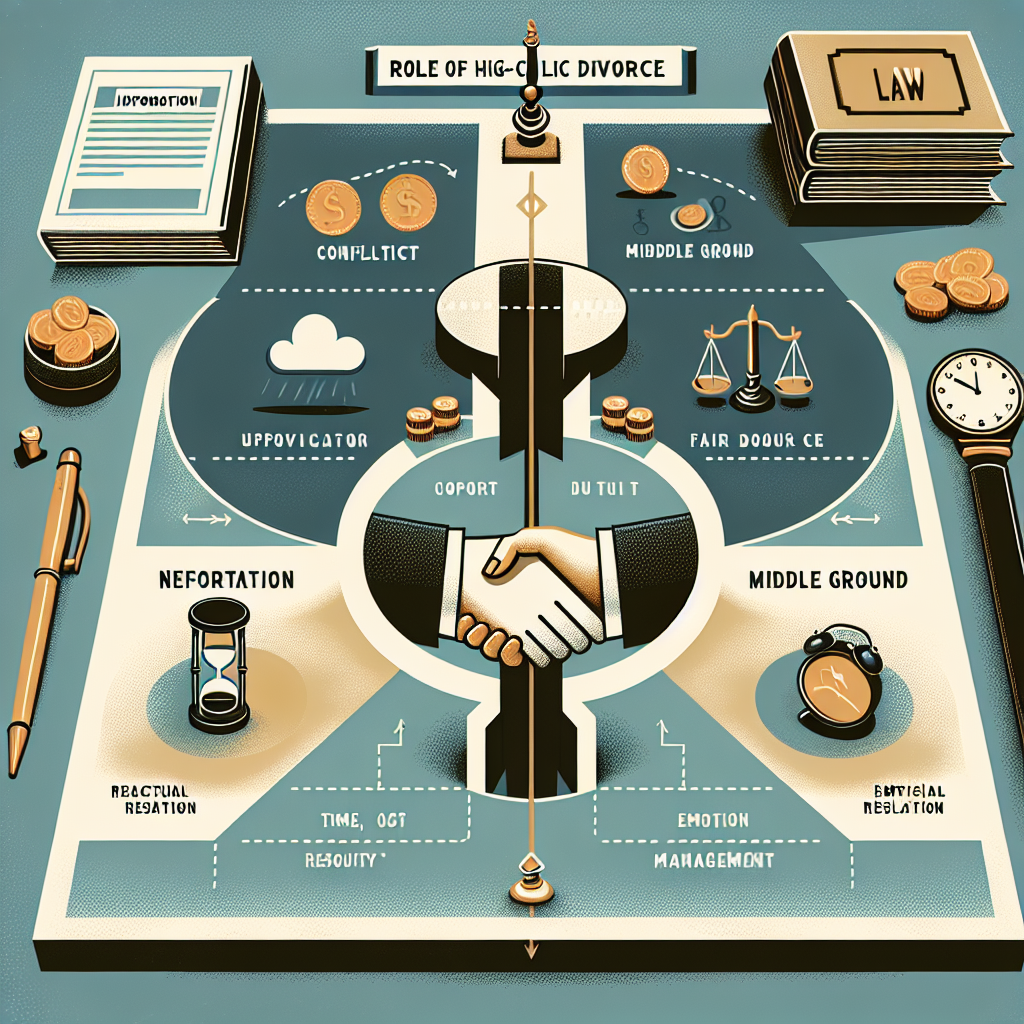
Expert High Conflict Divorce Mediators – Get the Best Results!
Introduction
The process of divorce can be emotionally and financially draining for any couple, but the challenges are amplified in high-conflict divorces. These types of divorces are characterized by intense disputes and disagreements between the separating parties, making it difficult to reach a mutual agreement on important matters such as child custody and property division. However, there is a viable solution that can help mitigate the negative effects of a high-conflict divorce – mediation.
Understanding High Conflict Divorce
High conflict divorce is a term used to describe a highly contentious and hostile divorce process. It involves high levels of anger, resentment, and animosity between the separating spouses, often leading to prolonged court battles. In these types of divorces, the couple is unable to reach a resolution on their own, and the conflict escalates, causing significant stress, emotional turmoil, and financial strain.
The Role of a Divorce Mediator
A divorce mediator is a neutral third party who assists separating couples in resolving their disputes and reaching a mutually acceptable settlement. They act as a facilitator, helping the parties to communicate effectively and find common ground. The mediator does not make decisions on behalf of the couple but guides them towards reaching their own agreements.
Qualities to Look for in a High Conflict Divorce Mediator
Not all mediators are equipped to handle high-conflict divorces. Therefore, it is crucial to choose a mediator who has the right qualifications and experience. Some qualities to look for in a high conflict divorce mediator include:
- Strong communication skills
- Impartiality and neutrality
- Empathy and understanding
- Conflict resolution and negotiation skills
- Knowledge of family law and divorce processes
- Ability to handle high emotions and difficult personalities
Benefits of Hiring a High Conflict Divorce Mediator
There are several benefits to hiring a high conflict divorce mediator, including:
- Cost-effectiveness: Mediation is often less expensive than going to court, as it eliminates the need for costly legal representation and lengthy court proceedings.
- Time-saving: Mediation can help resolve disputes and reach a settlement more quickly than going through the court system.
- Confidentiality: Mediation is a private process, unlike court proceedings, which are open to the public.
- Control over the outcome: Mediation allows the couple to make their own decisions, rather than having a judge make decisions for them.
- Less adversarial: Mediation promotes cooperation and collaboration between the parties, rather than pitting them against each other in a courtroom.
Steps Involved in High Conflict Divorce Mediation
The mediation process for high-conflict divorces typically involves the following steps:
- Initial consultation: The couple meets with the mediator to discuss the issues they need to resolve and to determine if mediation is a suitable option for them.
- Information gathering: Each party provides the mediator with relevant information, such as financial documents and custody schedules.
- Identifying issues: The mediator helps the couple identify the key issues that need to be addressed in the mediation process.
- Exploring options: The mediator facilitates discussions between the parties to explore different options for resolving their disputes.
- Negotiation: The parties work together, with the guidance of the mediator, to negotiate a mutually acceptable settlement.
- Drafting a separation agreement: Once an agreement is reached, the mediator helps draft a separation agreement that outlines the terms and conditions of the settlement.
- Finalizing the divorce: The parties take the separation agreement to a lawyer for review and then file it with the court to finalize the divorce.
Techniques Used by High Conflict Divorce Mediators
Mediators use various techniques to help manage conflicts in high-conflict divorces, including:
- Active listening: Mediators listen attentively to each party’s concerns and perspectives to gain a better understanding of the underlying issues.
- Reframing: Mediators reframe the parties’ statements to help them see things from a different perspective, promoting empathy and understanding.
- Empowerment: Mediators empower the parties by giving them control over the negotiation process and encouraging them to find their own solutions.
- Reality testing: Mediators help the parties assess the practicality and feasibility of their proposed solutions.
- Shuttle diplomacy: In cases where direct communication between the parties is difficult, the mediator may act as a messenger, relaying information between the parties.
- Co-mediation: In high-conflict divorces, having two mediators can be beneficial, as they can work together to manage the conflict and keep the negotiation process on track.
Common Challenges in High Conflict Divorce Mediation
High-conflict divorce mediation is not without its challenges. Some common challenges that mediators may face include:
- Resistance to compromise: In high-conflict divorces, the parties may be unwilling to compromise, making it challenging to reach a settlement.
- Power imbalances: One party may hold more power over the other, making it difficult to negotiate on an equal footing.
- High emotions: The intense emotions involved in high-conflict divorces can make it challenging for the parties to communicate effectively and make rational decisions.
- Legal complexities: High-conflict divorces often involve complex legal issues that require specialized knowledge and expertise.
- Non-cooperation: In some cases, one party may be uncooperative or unwilling to participate in the mediation process, making it difficult to reach a resolution.
Success Stories of High Conflict Divorce Mediation
While high-conflict divorces can be challenging, mediation has proven to be a successful method for resolving disputes and reaching a fair settlement. Here are some real-life success stories of high conflict divorce mediation:
- A couple with two young children had been engaged in a bitter custody battle for over a year. Through mediation, they were able to come to an agreement on a shared custody arrangement that worked for both of them and their children.
- A high-income couple with significant assets and businesses to divide were able to reach a settlement through mediation, avoiding a lengthy and costly court battle.
- A divorcing couple with a history of domestic violence and high levels of anger and conflict were able to use mediation to come to an agreement on child custody and support, without having to go through the court system.
Why High Conflict Divorce Mediation is a Viable Option
In high-conflict divorces, mediation offers a viable alternative to the traditional court process. It is a cost-effective, timely, and less adversarial method of resolving disputes and reaching a fair settlement. With the help of a skilled mediator, couples can work together to find solutions that meet their unique needs and circumstances, rather than relying on a judge to make decisions for them. Mediation also promotes better communication between the parties, which can lead to a more amicable co-parenting relationship in the future. So, if you find yourself in a high-conflict divorce, consider the many benefits of mediation and the potential for a successful outcome.
Technology Use in High-Conflict Divorce Mediation

Technology in Divorce Mediation: Streamlining the Process
Understanding Divorce Mediation
Divorce mediation is a process where a neutral third party helps a divorcing couple reach a mutually acceptable agreement on issues such as child custody, division of assets, and spousal support. This process is often seen as a less adversarial and more cost-effective alternative to traditional divorce litigation. However, in high-conflict divorces, where emotions are heightened and communication is difficult, even mediation can be a challenging process.
The Role of Technology in Modern Divorce Mediation
In recent years, technology has played a significant role in modern divorce mediation. With the advancement of digital tools and the use of virtual communication platforms, it has become easier for couples to navigate the mediation process. Technology has also made it possible for mediators to facilitate the process remotely, making it more accessible for couples in different locations or those who prefer online communication.
Benefits of Utilizing Technology in Divorce Mediation
The use of technology in divorce mediation has many benefits, especially in high-conflict cases. Some of the key advantages include:
- Easier communication: Technology allows for more efficient and direct communication between the parties involved in the mediation process. It eliminates the need for face-to-face meetings, which can be emotionally taxing and difficult for high-conflict couples.
- Cost-effective: By eliminating the need for in-person meetings and reducing the number of hours spent in mediation, technology can significantly reduce the overall cost of the process.
- Convenience: With the use of technology, couples can participate in mediation sessions from the comfort of their own homes, making it more convenient and less intimidating.
- Document sharing and storage: Technology allows for easy and secure sharing and storage of important documents, such as financial records and parenting plans, making them easily accessible to both parties and the mediator.
- Reduced conflict: In high-conflict divorces, the use of technology can help reduce conflict by providing a structured and more objective medium for communication.
Commonly Used Technology in Divorce Mediation
There are various digital tools and platforms that are commonly used in divorce mediation. These include:
- Virtual mediation platforms: These are online platforms specifically designed for virtual mediation sessions. They provide features such as video conferencing, document sharing, and messaging, making it possible for the mediator and parties to conduct the mediation process remotely.
- Online dispute resolution (ODR) platforms: ODR platforms are designed to facilitate the resolution of disputes through online communication and negotiation. They provide a structured process for parties to communicate and reach an agreement.
- Communication tools: There are various communication tools, such as email, messaging apps, and video conferencing, that can be used during the mediation process to facilitate communication between the parties and the mediator.
- Document sharing and storage tools: These tools allow for secure sharing and storage of important documents, making it easy for both parties and the mediator to access and review them.
- Co-parenting apps: In cases where children are involved, co-parenting apps can be helpful in facilitating communication and coordination between co-parents, thus reducing conflict.
How Technology Streamlines the Mediation Process
The use of technology in divorce mediation can streamline the process in several ways:
- Efficient communication: Technology allows for direct and efficient communication between the parties and the mediator, eliminating the need for lengthy and emotionally charged face-to-face meetings.
- Easy access to information: With digital document sharing and storage, parties can easily access and review important information, such as financial records and custody agreements.
- Real-time updates: Unlike traditional mediation, where updates may take days or weeks to reach both parties, technology allows for real-time updates, ensuring that everyone is on the same page.
- Structured process: ODR platforms and co-parenting apps provide a structured process for parties to follow, making it easier for them to communicate and reach an agreement.
- Reduced conflict: By providing a more objective platform for communication, technology can help reduce conflict between high-conflict couples, making it easier for them to reach a resolution.
Ensuring Security and Privacy in Technology-Based Mediation
One concern that may arise with the use of technology in divorce mediation is the issue of security and privacy. It is essential to ensure that all platforms and tools used for mediation are secure and that the information shared is kept confidential. Some ways to ensure security and privacy in technology-based mediation include:
- Using secure platforms: It is crucial to use reputable and secure platforms for virtual mediation, document sharing, and communication.
- Implementing security measures: Mediators and parties should take steps to secure their devices and accounts, such as using strong passwords and enabling two-factor authentication.
- Obtaining consent: All parties involved should consent to the use of technology in mediation, and their privacy should be respected.
- Encrypting documents: Any documents shared during the mediation process should be encrypted to prevent unauthorized access.
- Using confidentiality agreements: Parties can sign confidentiality agreements to ensure the privacy of any information shared during mediation.
The Impact of Technology on Communication in Divorce Mediation
Communication plays a vital role in divorce mediation, and the use of technology can have a significant impact on this aspect of the process. Some of the ways technology can affect communication in divorce mediation include:
- Reduced face-to-face communication: With the use of virtual mediation and communication platforms, there is less need for face-to-face meetings, which can be challenging for high-conflict couples.
- Elimination of nonverbal cues: In virtual mediation, nonverbal cues such as body language and tone of voice may not be as easy to interpret, which could affect communication and understanding.
- Increase in written communication: With the use of messaging and email, there is a shift towards more written communication, which could be interpreted differently than verbal communication.
- Structured communication: ODR platforms and co-parenting apps provide a structured and organized way for parties to communicate, reducing the chances of miscommunication and misunderstandings.
- Reduction of emotional communication: In high-conflict divorces, emotions can often get in the way of effective communication. Technology can provide a more objective medium for communication, reducing the impact of emotions.
Overcoming Challenges with Technology in Divorce Mediation
While technology has many benefits in divorce mediation, there are also challenges that may arise. Some of the common challenges and ways to overcome them include:
- Technical difficulties: Technical issues, such as poor internet connection, can disrupt the mediation process. Having a backup plan in place, such as having phone numbers as a backup for virtual meetings, can help overcome these challenges.
- Resistance to change: Some parties may be resistant to using technology in mediation, especially in cases where they are not tech-savvy. Providing resources and support and taking the time to explain the benefits of technology can help overcome this challenge.
- Security concerns: As mentioned earlier, security and privacy can be a concern when using technology in mediation. By taking the necessary precautions and ensuring all parties consent to the use of technology, these concerns can be addressed.
- Difficulty with virtual communication: Some parties may have difficulty communicating effectively through virtual platforms. Adequate preparation and setting ground rules for communication can help overcome this challenge.
- Lack of human interaction: In virtual mediation, there is less human interaction, which could affect the dynamics of the process. Mediators should be aware of this and make an effort to establish a connection with the parties involved.
Future Possibilities for Technology in Divorce Mediation
The use of technology in divorce mediation is continuously evolving. With the increasing development of digital tools and platforms, there are many possibilities for the future of technology in divorce mediation. Some of these possibilities include:
- Artificial intelligence (AI) in decision-making: AI technology can analyze data and provide insights to help parties reach fair and objective decisions during mediation.
- Virtual reality (VR) for communication: VR technology can create a more immersive and realistic communication experience, making it easier for parties to express themselves and understand each other.
- Blockchain for secure document sharing: Blockchain technology can provide a secure and transparent way for parties to share and access documents during mediation.
- Use of chatbots: Chatbots can be used to provide support and resources to parties during the mediation process, reducing the mediator’s workload.
- Integration of digital tools: In the future, we may see the integration of various digital tools and platforms to provide a comprehensive and streamlined mediation experience.
Making the Most of Technology in Divorce Mediation – Best Practices
To ensure the most effective use of technology in divorce mediation, some best practices to keep in mind include:
- Choose the right platform: It is essential to choose a platform or tool that meets the specific needs of your case and is secure and user-friendly.
- Provide resources and support: Parties should have access to resources and support to help them navigate the use of technology during mediation.
- Set ground rules: Clear ground rules should be established to ensure effective communication and prevent any misuse of technology during mediation.
- Keep an open mind: Parties should approach the use of technology in mediation with an open mind and be willing to try new things for the sake of a smoother process.
- Seek professional guidance: In high-conflict divorces, it is crucial to seek the guidance of a professional mediator who has experience in utilizing technology in mediation.
Training and Skills Development for High-Conflict Mediation

Master Conflict Resolution: Essential Training Guide
Introduction to Conflict Resolution Training
In today’s fast-paced and dynamic work environment, conflicts are bound to arise. Whether it’s a disagreement between colleagues, a clash of opinions on a project, or a dispute between a client and a company, conflicts can have a significant impact on the workplace. That’s why it’s crucial for companies to invest in conflict resolution training for their employees.
Understanding the Importance of Conflict Resolution
Conflict resolution is the process of finding a peaceful and mutually acceptable solution to a disagreement or dispute. It involves understanding the root cause of the conflict, communicating effectively, and finding a resolution that satisfies both parties. Conflict resolution training helps individuals develop the necessary skills to handle conflicts in a constructive and productive manner, leading to a more positive and harmonious work environment.
Types of Conflicts and Their Impact on the Workplace
Conflicts in the workplace can arise due to a variety of reasons, such as differences in personalities, values, opinions, or work styles. These conflicts can lead to decreased productivity, increased stress and tension among employees, and a negative work culture. It’s essential to understand the different types of conflicts and their impact on the workplace to effectively address and resolve them. Some common types of conflicts include:
- Interpersonal conflicts: These are conflicts between individuals, often due to differences in personalities or opinions.
- Intrapersonal conflicts: These are conflicts within an individual, such as conflicting beliefs or thoughts.
- Intergroup conflicts: These are conflicts between different teams or departments within an organization.
- Role conflicts: These are conflicts that arise due to unclear roles and responsibilities within a team or organization.
Benefits of Conflict Resolution Training for Companies
Investing in conflict resolution training for employees can have numerous benefits for companies, including:
- Improved communication: Conflict resolution training helps employees develop effective communication skills, leading to better understanding and collaboration in the workplace.
- Increased productivity: By resolving conflicts in a timely and efficient manner, employees can focus on their work, leading to increased productivity.
- Reduced turnover: Conflicts can often lead to employees leaving the company. Conflict resolution training can help improve employee satisfaction and reduce turnover rates.
- Positive work culture: By promoting open communication, understanding, and respect, conflict resolution training can foster a positive work culture where conflicts are handled constructively.
Key Elements of Effective Conflict Resolution Training
For conflict resolution training to be effective, it should include the following key elements:
- Understanding conflict: The training should cover the different types of conflicts, their causes, and their impact on the workplace.
- Communication skills: Conflict resolution training should focus on developing effective communication skills, including active listening, assertiveness, and nonverbal communication.
- Emotional intelligence: Emotional intelligence is crucial in handling conflicts. The training should cover topics such as self-awareness, self-regulation, empathy, and social skills.
- Mediation techniques: Training should include techniques for mediation and conflict resolution, such as reframing, finding common ground, and brainstorming solutions.
- Role-playing exercises: Role-playing exercises can help employees practice their conflict resolution skills in a safe and controlled environment.
Techniques and Strategies for Resolving Conflicts
Conflict resolution training should equip employees with a variety of techniques and strategies to effectively resolve conflicts. Some commonly used techniques include:
- Win-win approach: This technique aims to find a solution that satisfies the needs and interests of both parties involved in the conflict.
- Compromise: In this technique, both parties give up something to reach a mutually acceptable solution.
- Avoidance: This technique involves avoiding or delaying the conflict to allow time for emotions to calm down and a more rational resolution to be reached.
- Collaboration: This technique involves working together to find a solution that benefits both parties.
Role-Playing Exercises for Real-Life Scenarios
Role-playing exercises are an essential part of conflict resolution training as they provide employees with the opportunity to apply their skills in realistic scenarios. Some examples of role-playing exercises include:
- Conflict between colleagues: Employees can act out a scenario where two colleagues have a disagreement and must find a resolution.
- Conflict with a difficult client: This exercise can help employees practice handling conflicts with clients and finding a satisfactory solution.
- Conflict within a team: Employees can practice resolving conflicts within a team and improve their teamwork skills.
- Conflict between a manager and employee: This exercise can help employees learn how to address conflicts with authority figures.
Addressing Communication and Listening Skills in Conflict Resolution
Effective communication and listening skills are crucial in resolving conflicts. Conflict resolution training should focus on developing these skills through various exercises and activities, such as:
- Active listening exercises: These exercises can help employees practice active listening, which involves paying attention, clarifying, and summarizing what the other person is saying.
- Assertiveness training: Assertiveness is the ability to express one’s needs and opinions while also respecting the needs and opinions of others. Conflict resolution training should include exercises to help employees develop assertiveness.
- Nonverbal communication exercises: Nonverbal cues such as body language, tone of voice, and facial expressions can play a significant role in conflicts. Training should cover how to use these cues effectively.
Measuring the Success of Conflict Resolution Training
It’s crucial to measure the success of conflict resolution training to determine its effectiveness and make any necessary adjustments. Some ways to measure the success of conflict resolution training include:
- Feedback from participants: After completing the training, employees can provide feedback on what they learned and how they have applied it in real-life situations.
- Changes in behavior: Observing changes in employee behavior, such as improved communication and collaboration, can indicate the success of conflict resolution training.
- Decrease in conflicts: A decrease in the number of conflicts within the workplace can be a sign of successful conflict resolution training.
Overcoming Challenges and Maintaining a Positive Conflict Resolution Culture in the Workplace
Implementing conflict resolution training in the workplace may face some challenges, such as resistance to change, lack of time and resources, and deeply entrenched conflicts. To overcome these challenges, companies can take the following steps:
- Top-down approach: Companies should ensure that management and leadership are also trained in conflict resolution and set an example for employees.
- Follow-up training: To maintain a positive conflict resolution culture, regular follow-up training sessions can be conducted to refresh and reinforce skills.
- Address underlying issues: Conflict resolution training should not just focus on resolving current conflicts but also address underlying issues to prevent future conflicts.
Conclusion
In today’s fast-paced and dynamic work environment, conflict resolution training is essential to promote a positive and productive work culture. By understanding the importance of conflict resolution, types of conflicts, and their impact on the workplace, companies can invest in effective conflict resolution training that equips their employees with the necessary skills to handle conflicts in a constructive and efficient manner.
Use of Caucus and Shuttle Diplomacy

Mastering Diplomacy: Effective Strategies for Caucuses and Shuttle Negotiations
Understanding the Basics of Diplomacy in Caucuses and Shuttle Negotiations
Diplomacy is a crucial tool in the world of international relations, used to resolve conflicts and facilitate negotiations between nations. One specific type of diplomacy that is frequently utilized is caucus and shuttle diplomacy. This approach involves a mediator or third party facilitator working with conflicting parties separately, often through a series of meetings, in order to find common ground and reach a resolution.
In caucuses, the mediator meets with each party individually to understand their positions and concerns. This allows for more open and honest communication, as parties may feel more comfortable sharing their perspectives without the presence of the opposing party. In shuttle negotiations, the mediator acts as a messenger, going back and forth between the parties to facilitate discussions and find potential solutions.
Caucus and shuttle diplomacy can be particularly effective in resolving complex and sensitive issues that require a neutral party to facilitate discussions and find common ground. This approach can be used in a variety of contexts, including international conflicts, business negotiations, and even labor disputes.
Building Relationships and Trust in Diplomatic Interactions
In order for caucus and shuttle diplomacy to be successful, it is essential to build relationships and establish trust with the parties involved. This can be a challenging task, as parties may have deep-seated animosity towards one another or may be skeptical of the mediator’s intentions.
One approach to building relationships and trust is through building rapport. This involves finding common ground with the parties, showing empathy and understanding for their perspectives, and actively listening to their concerns. By creating a positive and respectful relationship with the parties, the mediator can establish a foundation of trust and credibility.
Another important aspect of building relationships and trust is maintaining confidentiality. Parties may be more willing to share their true concerns and interests if they feel their discussions will remain confidential. The mediator must ensure that any information shared in caucus meetings or shuttle negotiations is not disclosed without the parties’ consent.
Utilizing Active Listening and Effective Communication in Negotiations
Active listening is a crucial skill for successful caucus and shuttle diplomacy. It involves not only hearing what the parties are saying but also understanding their underlying interests and concerns. This can be achieved through asking clarifying questions, summarizing the parties’ statements, and reflecting on the emotions and motivations behind their words.
Effective communication is also vital in diplomatic interactions. The mediator must be able to communicate clearly and concisely, ensuring that the parties understand each other’s perspectives and potential solutions. This can involve using active listening techniques and framing discussions in a way that promotes understanding and collaboration.
Developing a Strategic Approach to Negotiations
Caucus and shuttle diplomacy requires a strategic approach in order to be successful. The mediator must carefully plan and consider the best course of action to reach a resolution. This may involve identifying potential solutions and tactics, anticipating potential roadblocks, and considering the parties’ cultural backgrounds and communication styles.
One effective strategy is to use a problem-solving approach. This involves breaking down the conflict into smaller, more manageable issues and finding solutions to each one. By addressing each issue separately, the mediator can help the parties find common ground on specific aspects of the conflict and build towards a larger resolution.
Utilizing Cultural Awareness in Diplomatic Interactions
When engaging in caucus and shuttle diplomacy, it is essential to be culturally aware and sensitive to the parties’ backgrounds and communication styles. Different cultures may have different approaches to conflict resolution and may prioritize different values and interests. Additionally, understanding cultural norms and customs can help avoid misunderstandings and miscommunications.
The mediator may need to adapt their communication style to accommodate the cultural background of the parties involved. This can involve using different language or communication techniques, incorporating cultural rituals or customs into discussions, and being aware of nonverbal cues and body language.
Resolving Conflicts and Finding Common Ground in Caucuses
In caucuses, the mediator’s goal is to help the parties find common ground and reach a resolution. This can be achieved through a variety of strategies, including:
- Encouraging active listening and open communication
- Identifying shared interests and goals
- Brainstorming potential solutions
- Facilitating negotiations and compromise
The mediator must remain neutral and unbiased throughout the discussions, focusing on finding mutually beneficial solutions rather than taking sides. By creating a safe and respectful environment, the mediator can help the parties work towards a resolution that meets everyone’s needs.
The Role of Mediation and Neutral Facilitation in Diplomacy
In caucus and shuttle diplomacy, the mediator acts as a neutral facilitator, helping the parties find common ground and reach a resolution. The mediator is not there to make decisions or impose their own ideas, but rather to guide the discussions and assist the parties in finding a mutually acceptable solution.
Mediation can be a powerful tool in resolving conflicts and finding sustainable agreements. It allows for open and honest communication, building trust and understanding between parties, and finding creative solutions to complex issues.
Leveraging Effective Negotiation Tactics and Tools
In addition to building relationships and utilizing effective communication, the mediator may also employ various negotiation tactics and tools to facilitate discussions and reach a resolution. These may include:
- Creating a win-win mindset
- Using active listening and reflective statements
- Identifying different negotiation styles and adapting accordingly
- Setting ground rules and expectations for discussions
- Utilizing visual aids or diagrams to aid understanding
The mediator must also be prepared to handle difficult situations and potential conflicts that may arise during discussions. This may involve de-escalating tensions, reframing discussions, or bringing in additional resources such as language interpreters or subject matter experts.
Navigating Power Dynamics in Diplomatic Interactions
Power dynamics can play a significant role in caucus and shuttle diplomacy. In some cases, one party may have more power or influence than the other, which can affect the balance of negotiations. It is essential for the mediator to be aware of these dynamics and work towards creating a level playing field for discussions.
The mediator must also be mindful of their own power and authority in the situation and not let it overshadow the parties’ voices and needs. This may involve actively seeking out the perspectives and interests of all parties and ensuring that no one is being marginalized or silenced.
Measuring Success and Implementing Sustainable Agreements in Caucuses and Shuttle Negotiations
Once a resolution has been reached, it is important to measure the success of the caucus and shuttle diplomacy process. This involves assessing whether the agreement is sustainable and if it effectively addresses the parties’ concerns and interests.
The mediator may also need to facilitate the implementation of the agreement and ensure that all parties are following through on their commitments. This may involve setting timelines and monitoring progress, as well as addressing any issues that may arise during the implementation process.
In conclusion, caucus and shuttle diplomacy is a valuable tool in resolving conflicts and facilitating negotiations. By understanding the basics of this approach, building relationships and trust, utilizing effective communication and negotiation tactics, and navigating power dynamics, the mediator can help parties find common ground and reach sustainable agreements.
Utilizing Support Teams in High-Conflict Mediations

Mastering Conflict Resolution with Support Teams
Understanding Conflict Resolution
Conflict resolution is the process of resolving disputes or disagreements between individuals or groups in a peaceful and constructive manner. It involves finding a mutually acceptable solution to the issues at hand, rather than resorting to negative or aggressive actions. In the context of high-conflict mediations, conflict resolution becomes an essential skill for effectively managing and resolving conflicts.
Building a Strong Support Team
In high-conflict mediations, having a strong support team is crucial for successful outcomes. A support team is a group of individuals who provide assistance and guidance during the mediation process. They may include lawyers, advisors, or other professionals with expertise in conflict resolution. The support team can offer valuable insights and help mediate difficult situations, making them an integral part of the mediation process.
Identifying Common Team Conflicts
Team conflicts are inevitable in any group dynamic, and high-conflict mediations are no exception. It is essential to identify and address common team conflicts to ensure a smooth mediation process. Some common conflicts in high-conflict mediations include power struggles, differences in opinions and values, and communication breakdowns. By anticipating these conflicts, a support team can develop strategies to prevent or manage them effectively.
Establishing Open Communication
Open communication is crucial in high-conflict mediations. It allows for the expression of different perspectives and helps to understand the underlying issues causing conflict. A support team can facilitate open communication by creating a safe and non-judgmental environment for all parties involved. They can also encourage active listening and promote respectful communication to avoid further conflicts.
Encouraging Active Listening
Active listening is a critical skill in conflict resolution and can be especially useful in high-conflict mediations. It involves paying attention to what is being said, understanding the other person’s perspective, and responding appropriately. A support team can encourage active listening by modeling this behavior themselves and promoting it among the parties involved in the mediation.
Utilizing Problem-Solving Techniques
Problem-solving techniques are essential tools for managing conflicts in high-conflict mediations. These techniques involve identifying the root cause of the conflict, brainstorming potential solutions, and finding a mutually acceptable resolution. A support team can facilitate this process by guiding the parties involved in the mediation and offering creative solutions to challenging problems.
Creating a Positive Work Environment
A positive work environment is crucial for effective conflict resolution in high-conflict mediations. It involves fostering a culture of collaboration, respect, and trust among the team members. A supportive team can create a positive work environment by promoting positive interactions and addressing any underlying issues that may be causing conflicts.
Emphasizing Collaboration over Competition
In high-conflict mediations, it is essential to emphasize collaboration over competition. This means focusing on finding a solution that benefits all parties involved, rather than trying to win or get the upper hand. A support team can encourage a collaborative approach by reminding the parties involved of the mutual benefits of finding a resolution.
Managing Emotions and Stress
Emotions and stress can run high in high-conflict mediations, making it challenging to find a peaceful resolution. A support team can help manage these emotions by providing a safe and supportive space for parties to express their feelings. They can also offer techniques for managing stress and emotions, such as deep breathing or taking breaks when needed.
Evaluating and Adapting Conflict Resolution Strategies
Lastly, it is crucial to evaluate and adapt conflict resolution strategies in high-conflict mediations. Not every conflict resolution technique will work in every situation, so it is essential to be flexible and adjust strategies as needed. A support team can continually assess the effectiveness of their approaches and make necessary changes to ensure a successful outcome.
Appeals Process in Mediation vs. Litigation

Mediation vs. Litigation: A Comprehensive Comparison of the Appeals Process
Introduction
The appeals process is an important aspect of the legal system, allowing parties to challenge a decision made in a lower court. In some cases, this process can be lengthy and expensive, leading many people to seek alternatives to traditional litigation. Two common methods for resolving legal disputes are mediation and litigation. While both have their own advantages and disadvantages, it is important to understand the differences in the appeals process between these two methods.
Definition and Overview of Mediation
Mediation is a form of alternative dispute resolution (ADR) where a neutral third party, known as a mediator, helps parties in a legal dispute come to a mutually acceptable agreement. The mediator does not have the power to make a decision or ruling, but instead facilitates communication and helps the parties find common ground. Mediation is often used in cases where the parties have a preexisting relationship and want to maintain a level of cooperation. It is also a confidential process, meaning discussions and information shared during mediation cannot be used in court.
Definition and Overview of Litigation
Litigation, on the other hand, is the traditional method of resolving legal disputes through the court system. It involves parties presenting their case to a judge or jury, who then make a decision based on the evidence and arguments presented. Litigation can be a lengthy and costly process, and the outcome is ultimately decided by a third party. Unlike mediation, litigation is a public process, meaning all information and discussions are open to the public.
Advantages of Mediation in Appeals Process
One major advantage of mediation in the appeals process is the potential for a more amicable resolution. Because the parties are actively involved in finding a solution, they may be more likely to come to an agreement that is mutually beneficial. Additionally, mediation can often save time and money compared to traditional litigation. The process can be completed in a shorter time frame and does not require the same extensive legal representation and court fees.
Advantages of Litigation in Appeals Process
Litigation also has its advantages in the appeals process. The main advantage is the ability to have a decision made by a third party, such as a judge or jury. This can provide a sense of certainty and finality to the dispute. Additionally, in some cases, litigation may be necessary to ensure that the rights of the parties are protected and enforced.
Differences in Appeals Process between Mediation and Litigation
One of the main differences in the appeals process between mediation and litigation is the level of involvement of the parties. In mediation, the parties are actively involved in finding a resolution, while in litigation, they typically have less control over the outcome. Additionally, mediation is a confidential process, while litigation is a public process. This means that discussions and information shared during mediation cannot be used in court, while everything presented in court becomes a matter of public record.
Factors to Consider in Choosing Between Mediation and Litigation for Appeals
When deciding between mediation and litigation for the appeals process, there are several factors to consider. One important factor is the nature of the relationship between the parties. If the parties have a preexisting relationship and want to maintain a level of cooperation, mediation may be the better option. Another factor to consider is the complexity of the dispute and the potential for a mutually acceptable solution. If the dispute is highly complex and the parties are unlikely to come to an agreement, litigation may be necessary to have a decision made by a third party.
Cost Comparison between Mediation and Litigation in Appeals Process
The cost of the appeals process can vary greatly between mediation and litigation. Mediation is often less expensive than litigation, as it does not require extensive legal representation and court fees. Additionally, mediation can be completed in a shorter time frame, leading to cost savings. However, in some cases, litigation may be necessary to protect and enforce the rights of the parties, and the cost may be worth it in the long run.
Timelines of Appeals Process in Mediation vs. Litigation
The timeline of the appeals process can also differ between mediation and litigation. Mediation can typically be completed in a shorter time frame, as the parties are actively involved in finding a resolution. Litigation, on the other hand, may take longer as it involves presenting a case to a judge or jury, who then make a decision. However, the length of the appeals process can also vary depending on the complexity of the dispute and the court’s schedule.
Final Considerations and Conclusion
In conclusion, there are significant differences in the appeals process between mediation and litigation. While mediation may offer a more amicable and cost-effective solution, litigation may be necessary to protect the parties’ rights. It is important to carefully consider the nature of the dispute and the relationship between the parties when choosing between these two methods. Ultimately, the best method for resolving a legal dispute will depend on the unique circumstances of each case.
Benefits of Mediation Over Litigation

Unlocking the Power of Mediation: Advantages and Benefits
Benefits of Mediation Over Litigation
In today’s legal landscape, there are a variety of options available for resolving disputes. Two commonly used methods are mediation and litigation. While both involve the intervention of a neutral third party, there are significant differences between them. Mediation is a form of alternative dispute resolution (ADR) that focuses on finding a mutually acceptable solution to a conflict, while litigation involves a formal legal process where a judge or jury makes a decision on the dispute. In recent years, mediation has gained popularity as a preferred method for resolving legal disputes. In this article, we will explore the benefits of mediation over litigation.
Definition of Mediation
Mediation is a voluntary and confidential process where a neutral third party, known as a mediator, works with the disputing parties to help them find a mutually acceptable solution. The mediator does not make decisions for the parties, but instead facilitates communication and negotiation to reach an agreement. Mediation can be used to resolve a wide range of disputes, including family conflicts, business disputes, and legal matters.
The Rise in Popularity of Mediation
In recent years, there has been a significant increase in the use of mediation as a means of resolving disputes. This rise in popularity can be attributed to various factors, such as the overcrowded court system, the rising cost of litigation, and the desire for a more collaborative and less adversarial approach to conflict resolution. Additionally, courts and legal professionals have recognized the effectiveness of mediation in resolving disputes and are now more willing to encourage parties to try mediation before proceeding to litigation.
Cost-effective Alternative to Litigation
One of the primary benefits of mediation over litigation is the cost-effectiveness. Litigation can be a lengthy and expensive process, with costs often running into thousands of dollars, including attorney fees, court fees, and other related expenses. In contrast, mediation costs are significantly lower, as the parties typically share the mediator’s fees and do not incur the same level of expenses as they would with litigation. Additionally, mediation can be completed in a much shorter time frame than litigation, resulting in significant cost savings for both parties.
Saves Time and Resources
The traditional legal process can be lengthy and time-consuming, with cases sometimes taking years to resolve. In contrast, mediation is typically completed within a few sessions, making it a much faster process. This is especially beneficial for parties who want to resolve their dispute quickly and move on with their lives. Moreover, mediation also saves valuable court resources by reducing the number of cases that end up in court, freeing up the system to focus on more complex and time-consuming matters.
Maintains Control and Confidentiality
Another significant advantage of mediation is that it allows the parties to maintain control over the outcome of their dispute. In litigation, a judge or jury makes the final decision, leaving the parties with little control over the outcome. In contrast, in mediation, the parties have a say in the resolution and can work together to find a mutually satisfactory solution. This can lead to better compliance with the agreed-upon outcome and reduce the potential for future conflicts.
Furthermore, mediation is a confidential process. Unlike litigation, where court records are publicly available, mediation sessions are private and confidential. This means that sensitive information shared during the mediation process remains confidential, and parties can feel comfortable discussing their issues without fear of public exposure or legal repercussions.
Promotes Amicable Resolution
Mediation is a non-adversarial process that promotes a more cooperative approach to conflict resolution. Unlike litigation, where the parties are pitted against each other in a courtroom battle, mediation encourages open communication and collaboration. The mediator acts as a neutral facilitator, guiding the parties towards finding a mutually beneficial solution. This approach can be particularly beneficial for disputes involving family relationships or business partnerships, where maintaining a positive relationship is crucial.
Reduces Stress and Anxiety
The litigation process can be emotionally draining and stressful for all parties involved. The adversarial nature of the process often leads to increased animosity and can take a toll on the mental health of the parties. In contrast, mediation is a less confrontational and more peaceful process that seeks to reduce tension and promote amicable resolution. The mediation setting is also more relaxed and less intimidating than a courtroom, which can help parties feel more at ease and facilitate productive communication.
Improves Communication and Relationships
One of the key components of successful mediation is effective communication. During the mediation process, parties are encouraged to listen to each other’s perspectives and communicate their interests and concerns openly. This can lead to a better understanding of each other’s needs and promote empathy and mutual respect. As a result, mediation can not only resolve the current dispute but also improve communication and relationships between the parties in the long term.
Choosing Mediation for Effective Conflict Resolution
There are numerous benefits of choosing mediation over litigation for resolving legal disputes. Mediation is a cost-effective, time-saving, and less stressful process that allows parties to maintain control, preserve confidentiality, and promote amicable resolution. It also improves communication and relationships, making it a more sustainable solution for resolving conflicts. If you are involved in a legal dispute, consider mediation as a viable alternative to litigation for a more effective and mutually satisfactory outcome.
Child Custody Outcomes: Mediation vs. Litigation
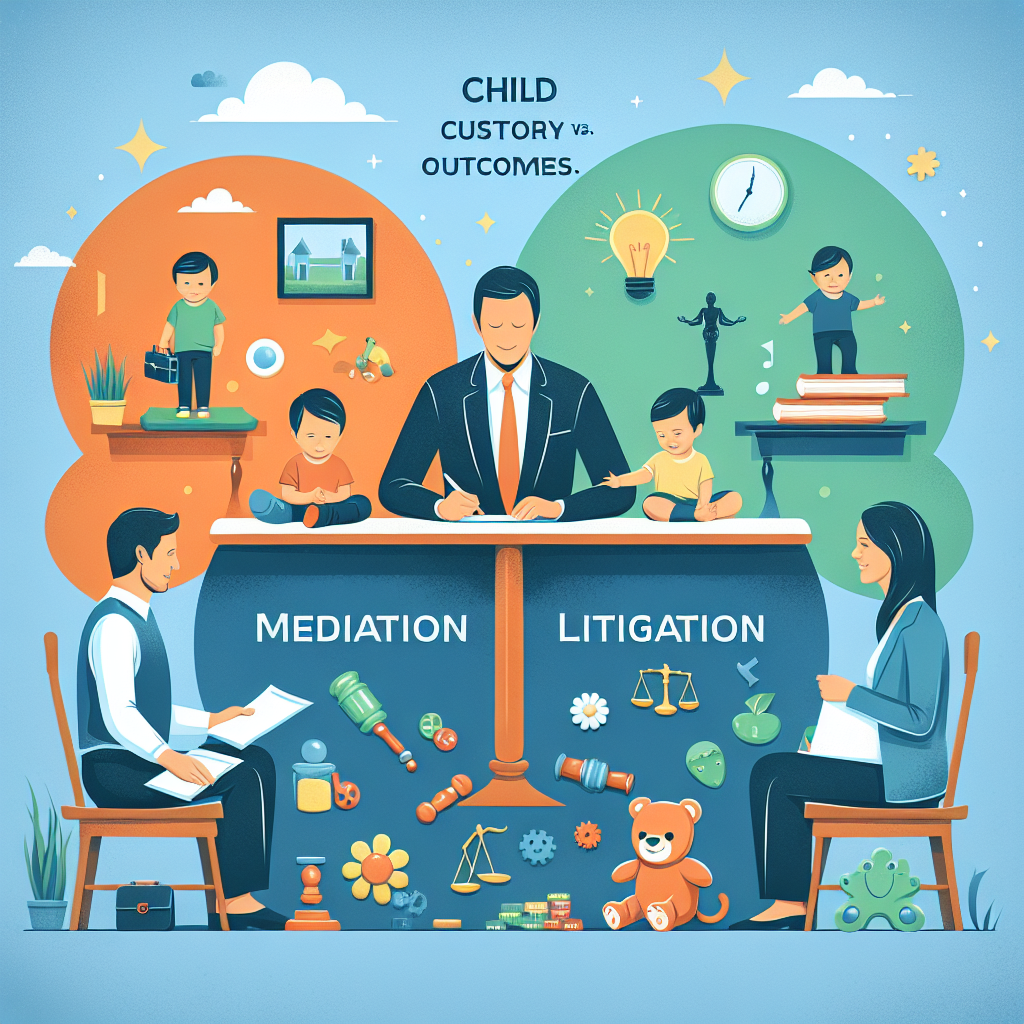
Unlocking the Truth: Child Custody Mediation vs. Litigation Results
Introduction
Child custody is a sensitive and complex issue that often arises during a divorce or separation. It refers to the legal responsibility of caring for and making decisions on behalf of a child, including their physical and emotional well-being. When parents are unable to reach an agreement on custody arrangements, it may be necessary to turn to alternative methods of resolving the dispute. The two most common options are mediation and litigation. In this article, we will explore the differences in outcomes between these two methods and the factors that should be considered when making decisions about child custody.
Understanding Child Custody
Before delving into the differences between mediation and litigation, it is important to have a basic understanding of child custody. There are two types of custody: physical and legal. Physical custody refers to where the child will live and who will be responsible for their daily care. Legal custody, on the other hand, pertains to the right to make important decisions about the child’s upbringing, such as their education, healthcare, and religious upbringing.
In most cases, both parents will have joint legal custody, meaning they share decision-making responsibilities. However, physical custody can be either joint or sole. Joint physical custody means that the child spends a significant amount of time with both parents, while sole physical custody means that the child primarily resides with one parent and has visitation with the other.
Benefits of Mediation
Mediation is a voluntary process in which both parties meet with a neutral third party to discuss and negotiate a mutually agreeable solution. The mediator’s role is to facilitate communication and help the parents reach a compromise that is in the best interest of the child.
One of the primary benefits of mediation is that it allows parents to have control over the outcome of their custody agreement. This is especially important when it comes to co-parenting, as it encourages parents to work together and communicate effectively. Mediation can also be less costly and time-consuming compared to litigation, as it often involves fewer court appearances and legal fees.
In addition, mediation can be less adversarial and can help to maintain a healthy relationship between the parents. This is particularly beneficial for the child, as they are less likely to be caught in the middle of a contentious legal battle between their parents.
Advantages of Litigation
Litigation, on the other hand, involves taking the dispute to court and having a judge make a final decision on custody arrangements. This process can be lengthy, expensive, and emotionally draining for all parties involved. However, there are some advantages to choosing litigation as a method of resolving child custody disputes.
Firstly, the court is obligated to make decisions based on the best interest of the child. This means that the judge will consider factors such as the child’s relationship with each parent, their living situation, and their physical and emotional needs. In some cases, this may lead to a more fair and equitable outcome for the child.
Additionally, litigation may be necessary in cases where there are allegations of abuse or neglect, or when one parent is unwilling to participate in mediation. In these situations, the court can provide a sense of protection and ensure that the child’s safety is the top priority.
Differences in Outcomes
One of the most significant differences between mediation and litigation is the potential outcomes. In mediation, both parties have the opportunity to negotiate and come to an agreement that works for everyone. This can result in a more personalized and flexible custody arrangement that takes into account the unique needs of the child and their family.
In contrast, the court’s decision in litigation is binding and may not fully reflect the needs and desires of both parents. The judge will consider various factors when determining custody, but their decision may not align with what either parent wants. This can lead to disappointment and frustration for one or both parties.
Another difference in outcomes is the timeline and finality of the decision. Mediation can often be completed in a shorter period, depending on the complexity of the case and the willingness of both parties to compromise. In contrast, litigation can take months or even years to reach a final decision, which can be emotionally taxing for the child and their parents.
Considerations for Children
When it comes to child custody, the child’s well-being should always be the top priority. In mediation, parents have the opportunity to create an arrangement that meets the child’s specific needs and allows them to maintain a strong relationship with both parents. This can be especially beneficial for younger children who may have a harder time adjusting to significant changes.
In litigation, the court’s decision may not fully cater to the child’s needs and may result in a more rigid and inflexible custody arrangement. This can be challenging for the child, particularly if they are caught in the middle of a contentious legal battle between their parents.
It is essential for parents to consider their child’s age, emotional well-being, and relationship with each parent when making decisions about child custody. In some cases, mediation may be the best option for creating a custody arrangement that prioritizes the child’s needs and promotes a healthy co-parenting dynamic.
Financial Implications
Another important consideration when it comes to child custody is the financial implications of each option. Mediation can be a less expensive alternative to litigation, as it typically involves fewer court appearances and legal fees. It can also be less time-consuming, meaning that parents can avoid taking time off work and paying for childcare during court proceedings.
On the other hand, litigation can be costly, particularly if the case is complex and requires multiple court appearances. Additionally, the court may order one party to pay the other’s legal fees, further adding to the financial burden. It is crucial for parents to consider their financial situation when deciding on the best method for resolving their child custody dispute.
Emotional Impact on Parents
The process of determining child custody can be emotionally challenging for both parents. Mediation can be less confrontational and may help to maintain a somewhat amicable relationship between the parents. This is especially important for co-parenting, as it allows parents to work together and communicate effectively for the sake of their child.
Litigation, on the other hand, can be emotionally draining and can lead to increased tension and hostility between the parents. This can have a long-term impact on the co-parenting relationship and make it difficult to effectively raise a child together. It is essential for parents to consider the emotional impact of each option and choose the one that will be the most beneficial for their family in the long run.
The Role of the Legal System
It is crucial to understand that both mediation and litigation involve the legal system in some capacity. In mediation, the parents may still need to obtain a legal agreement that outlines the terms of their custody arrangement. This agreement is then submitted to the court for approval.
In litigation, the court plays a more prominent role in determining the outcome of the case. The judge will hear evidence from both parties and make a decision based on the best interest of the child. It is essential for parents to understand the legal process and their rights when it comes to child custody.
Making the Best Decision for Your Family
Ultimately, the decision between mediation and litigation for child custody should be based on what is best for your family. Both options have their advantages and disadvantages, and the right choice will depend on your unique situation.
It is important to consider factors such as the child’s needs, the co-parenting relationship, and financial implications when making this decision. You may also want to seek advice from a family law attorney to better understand your options and the potential outcomes of each method.
Remember, the ultimate goal is to create a custody arrangement that prioritizes the well-being of the child and allows both parents to be actively involved in their child’s life. Whether through mediation or litigation, the most important thing is to find a solution that works for your family and promotes a healthy co-parenting dynamic.